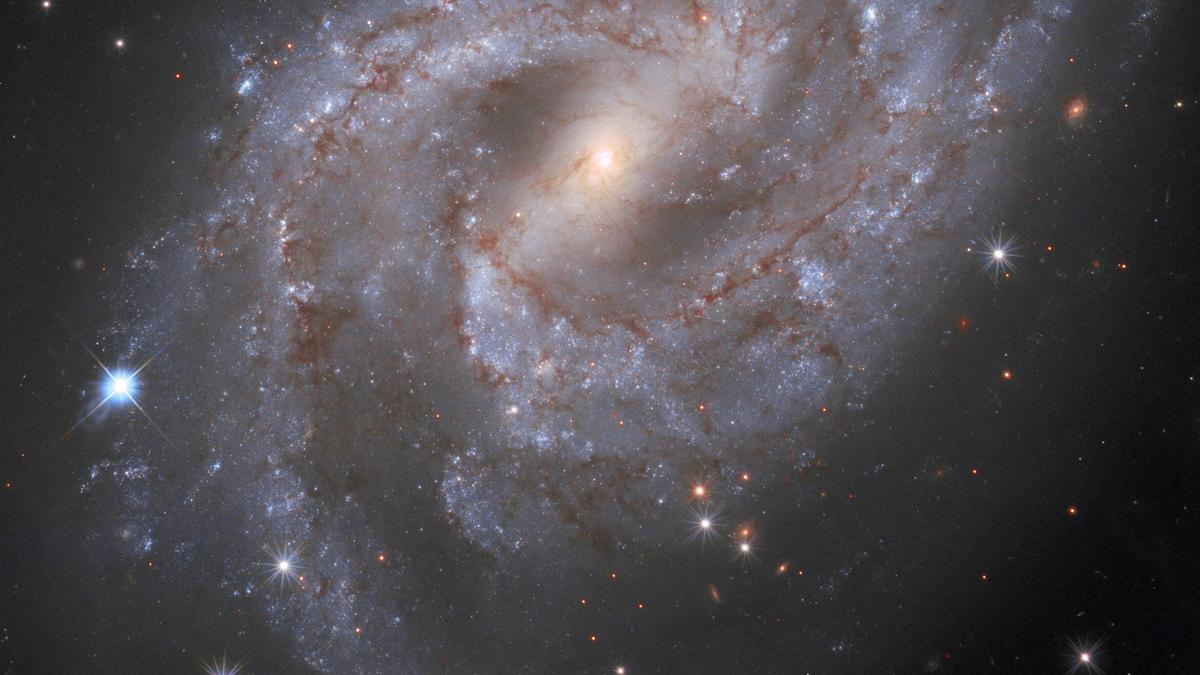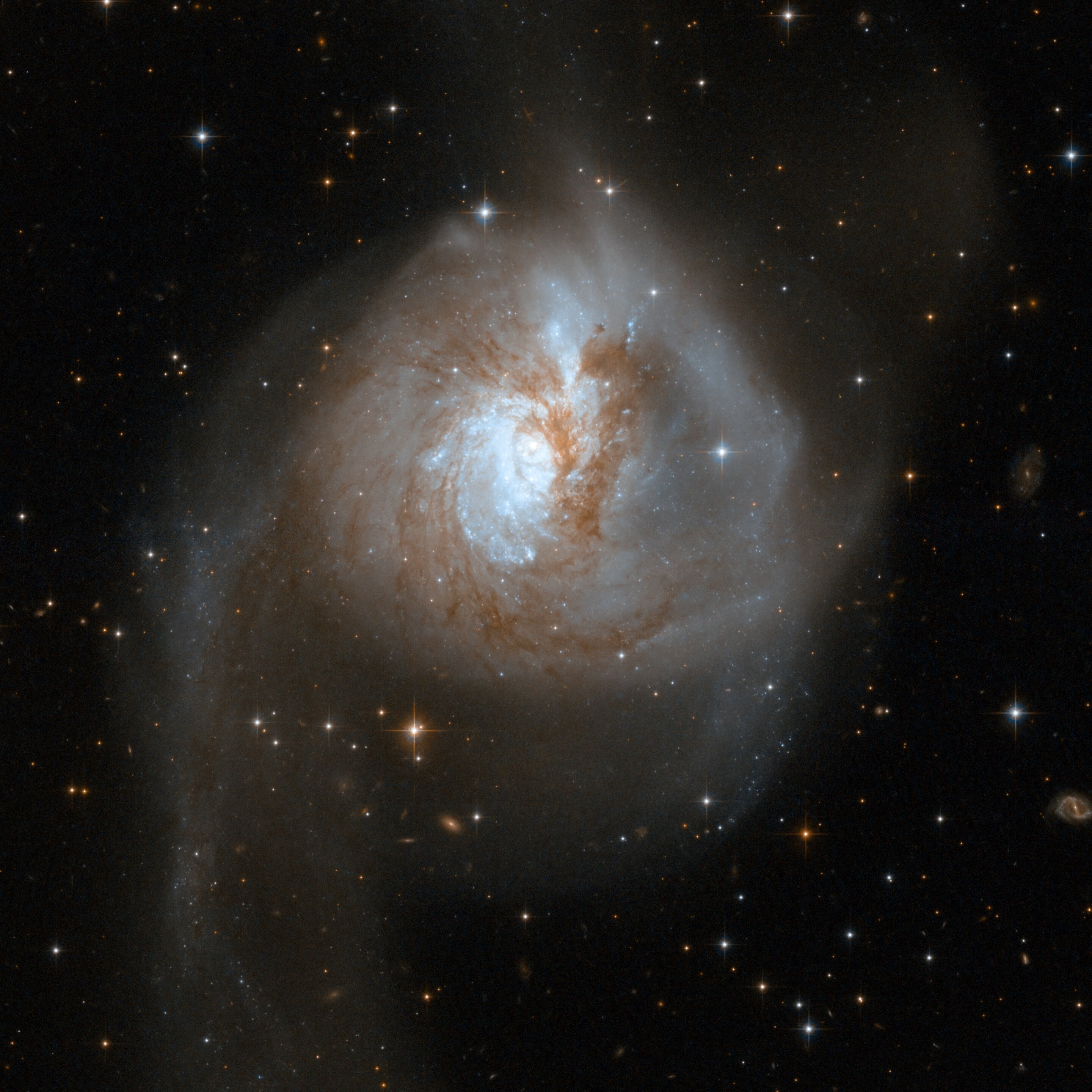
NGC 3256, VV 065, AM 1025-433. Credit: NASA, ESA, Hubble Heritage–ESA/Hubble Collaboration, Aaron Evans (UVA, NRAO, State University of New York at Stony Brook)
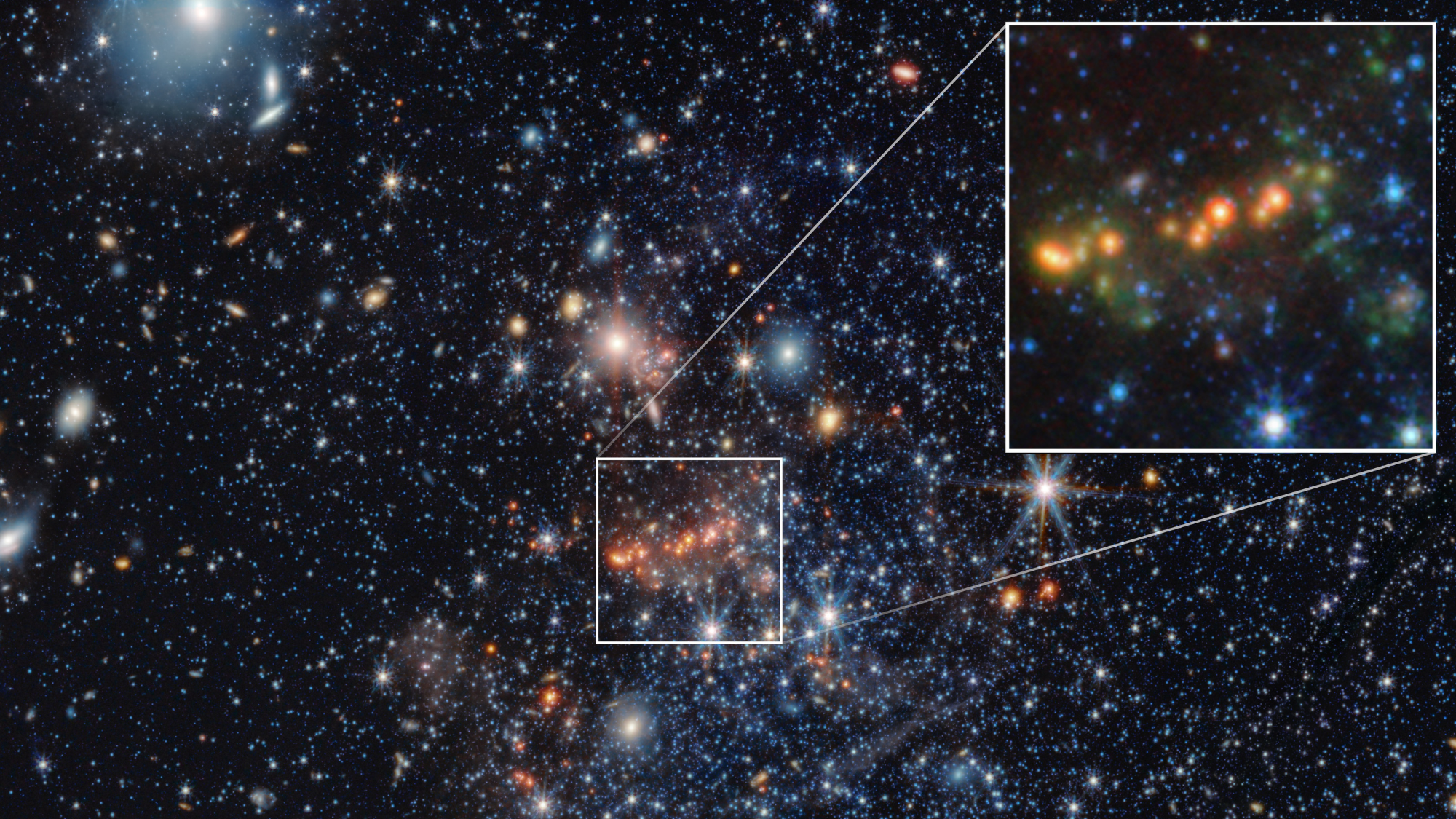
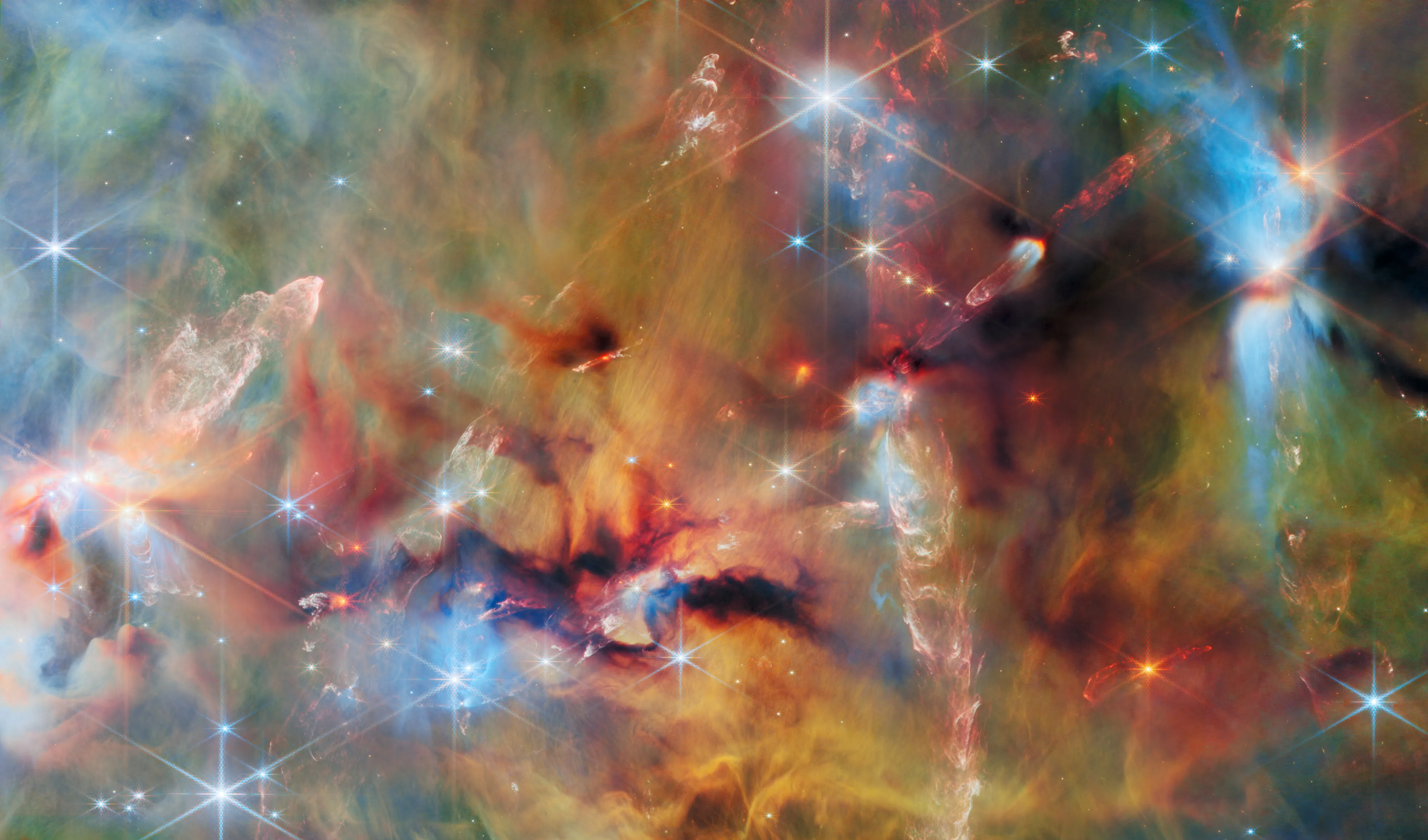
Astronomers have revealed new details about how young stars shape their galactic surroundings in a new study. Researchers analyzed about 18,000 star-forming regions in nearby spiral galaxies using data from powerful instruments like the James Webb Space Telescope, Hubble Space Telescope and the Atacama Large Millimeter/submillimeter Array, whose observations were made as part of the PHANGS survey—a collaboration aimed at better understanding galactic evolution.
They found that in normal galaxies, pressure from ionized gas drives the expansion of young star-forming regions. However, whether these zones continue to grow or remain stagnant depends strongly on their surrounding environment, said Debosmita Pathak, lead author of the study and a graduate student in astronomy at The Ohio State University.
"When young massive stars are born, they're very energetic and pump out a ton of photons into their surroundings," said Pathak. "In that process, they disrupt their local environments and start to drive interstellar material out of the area."