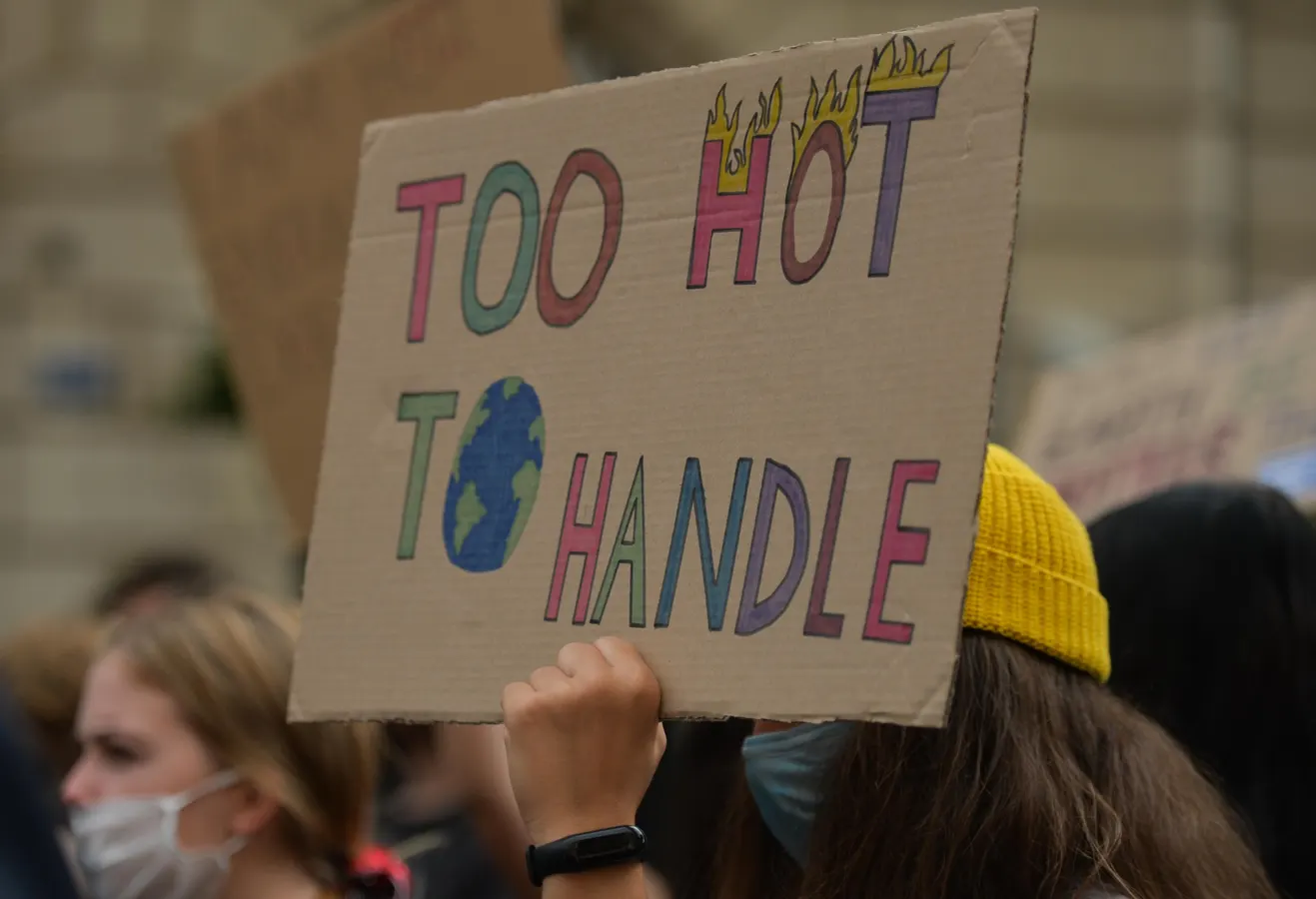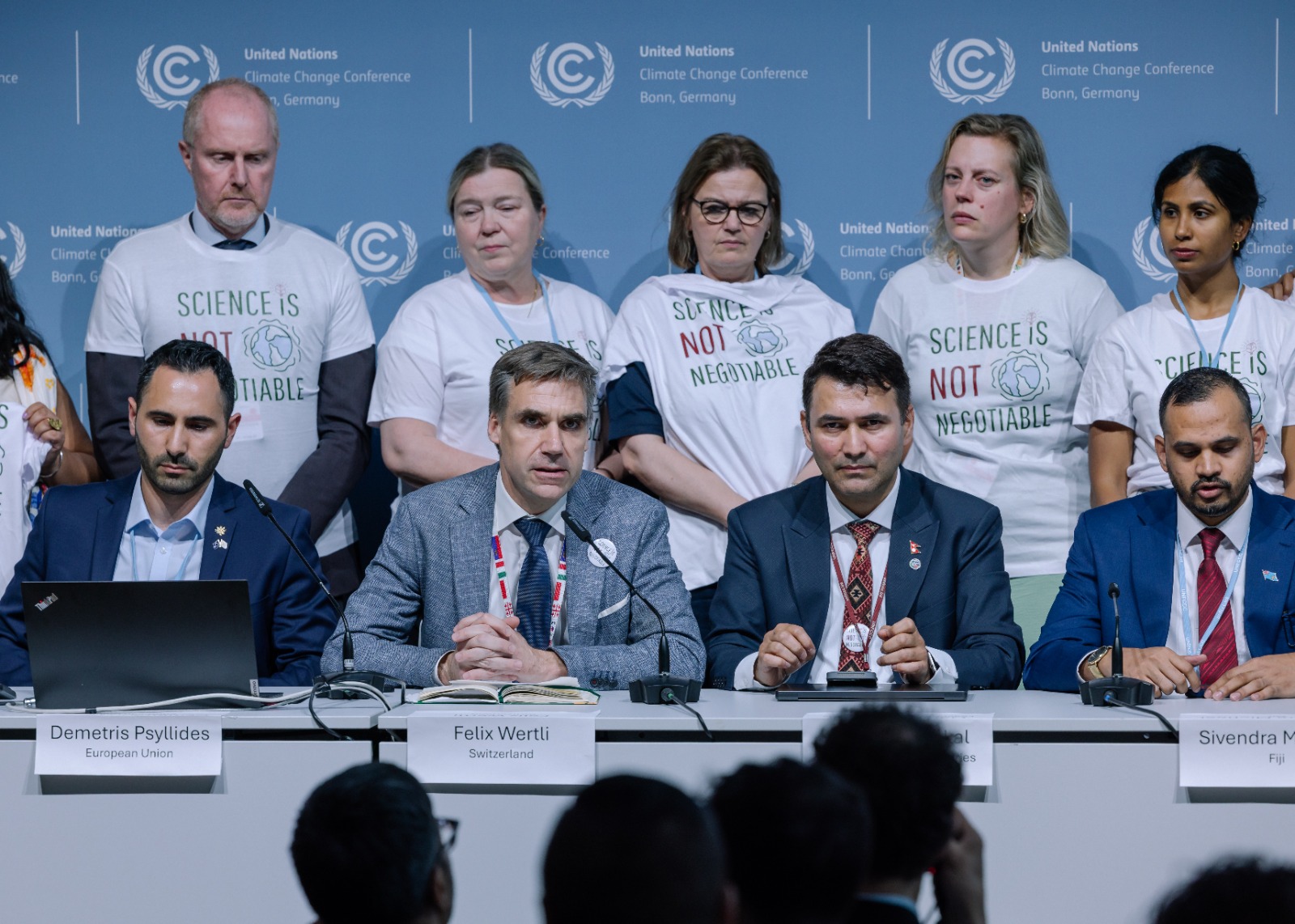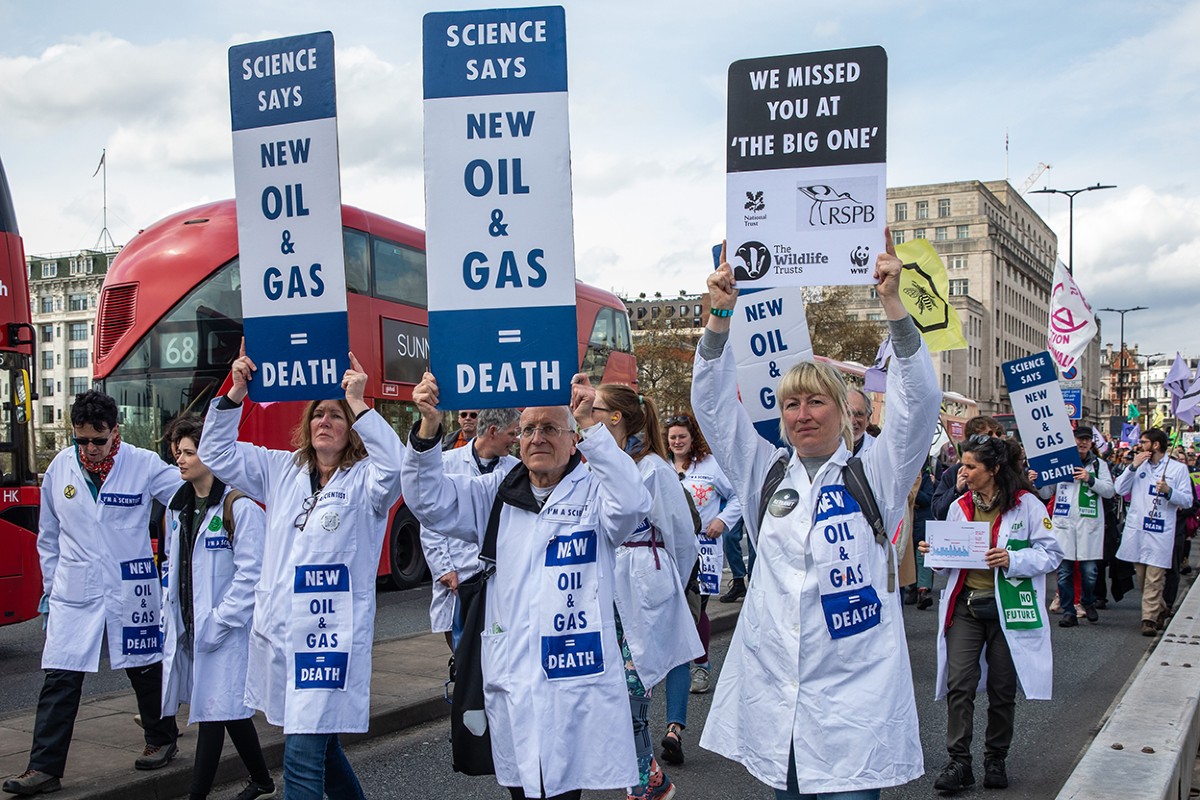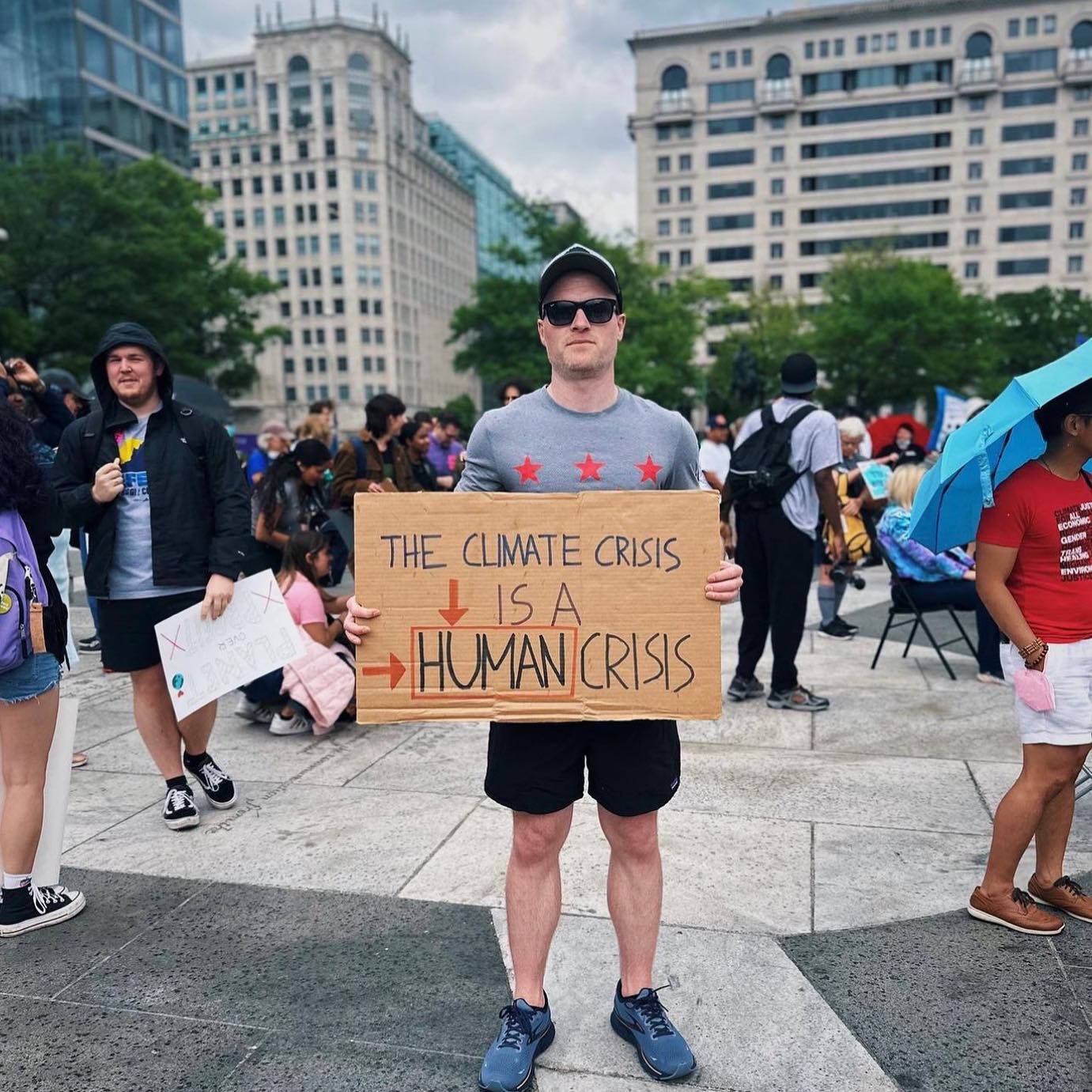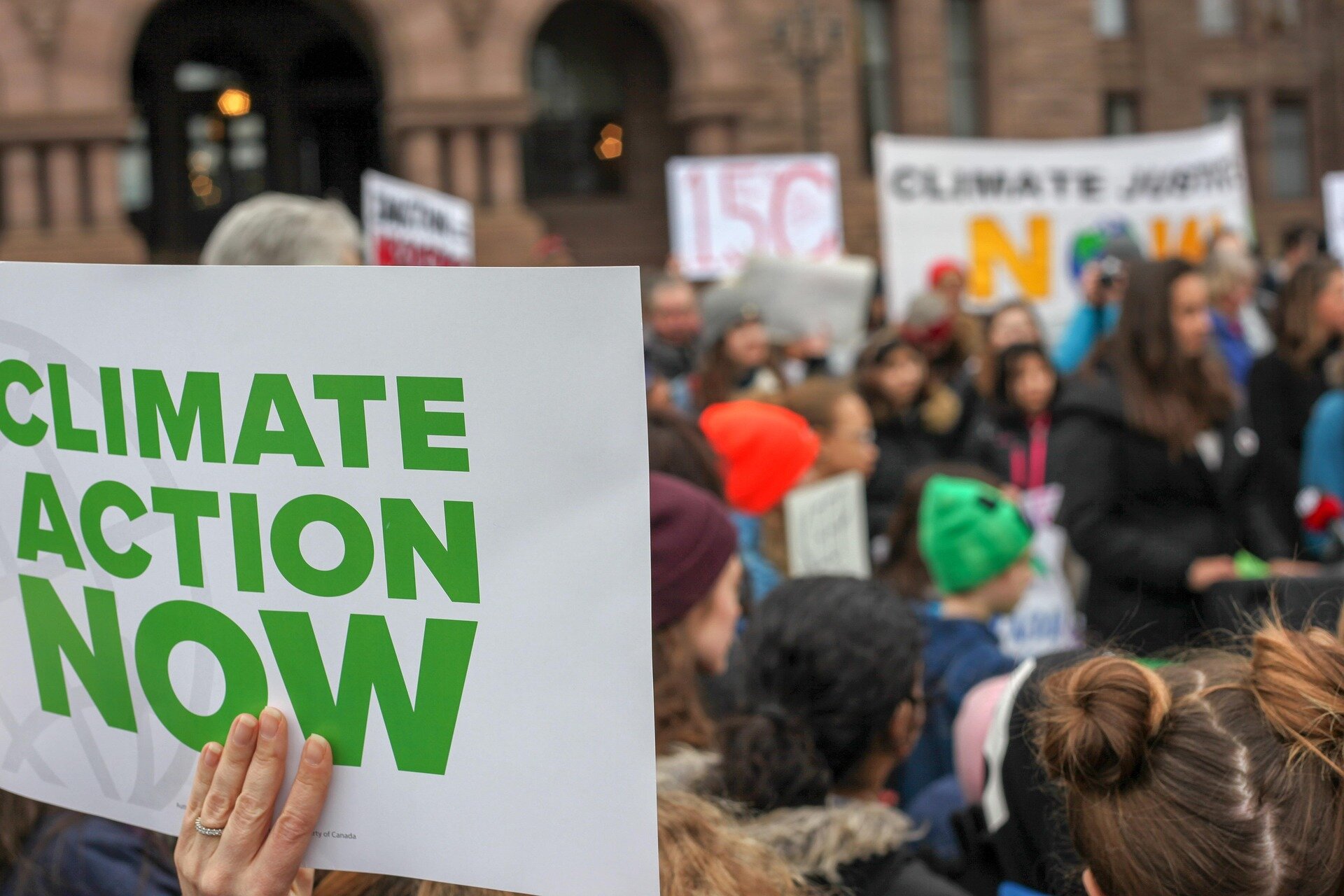
Scientists have become more visible in climate debates, engaging in public communication, policy advice, open letters, political demonstrations and even civil disobedience. Scientists who speak out on climate change have different effects depending on the context, according to research led by Lancaster University. A major review led by Dr. Samuel Finnerty finds no consistent evidence that such advocacy either strengthens or undermines scientific credibility, public trust or support for climate action.
The study was conducted by researchers from Lancaster University, the University of Amsterdam and the Swiss Federal Institute of Aquatic Science and Technology (EAWAG) and was published in the journal PLOS Climate under the title "Scientists as activists: An ethnography of the 'critical moments' in scientists' transition to climate activism."
The review brought together evidence from international research examining why scientists engage in advocacy, how advocacy affects public perceptions and the professional consequences of public engagement.
The researchers found there is no simple answer to whether advocacy helps or harms science. Instead, its effects depend on the form of advocacy, the audience, the issue being discussed and the wider political and social context. Where effects are observed, they tend to be modest, whether in positive or negative directions.