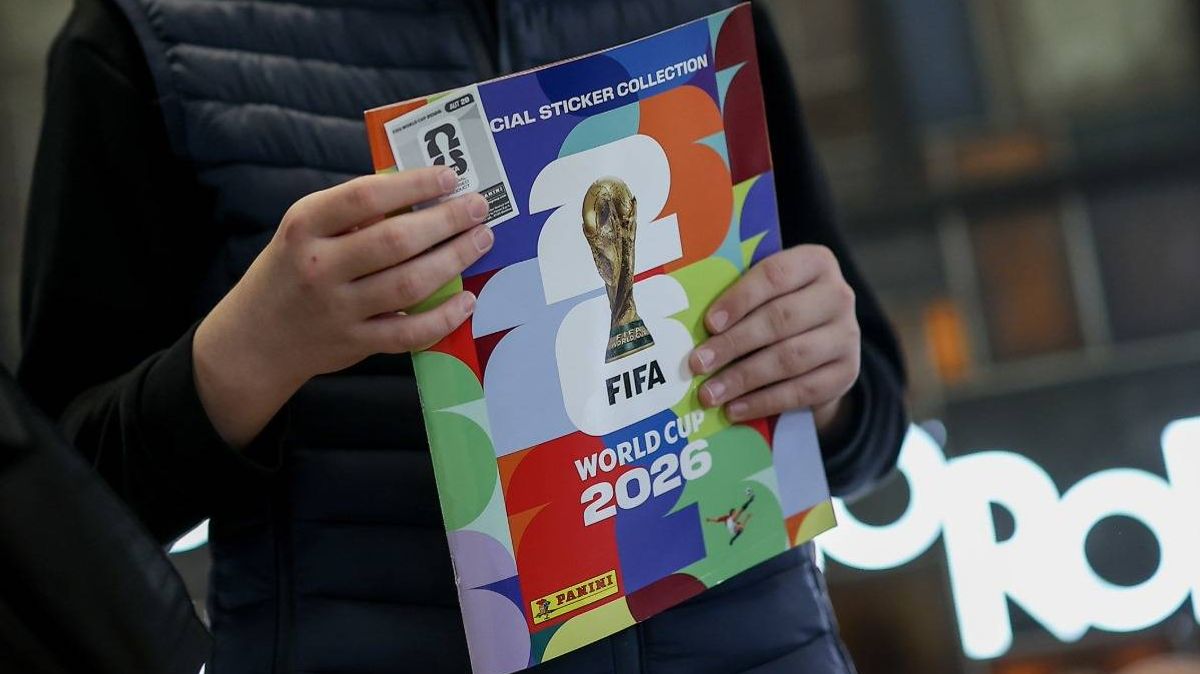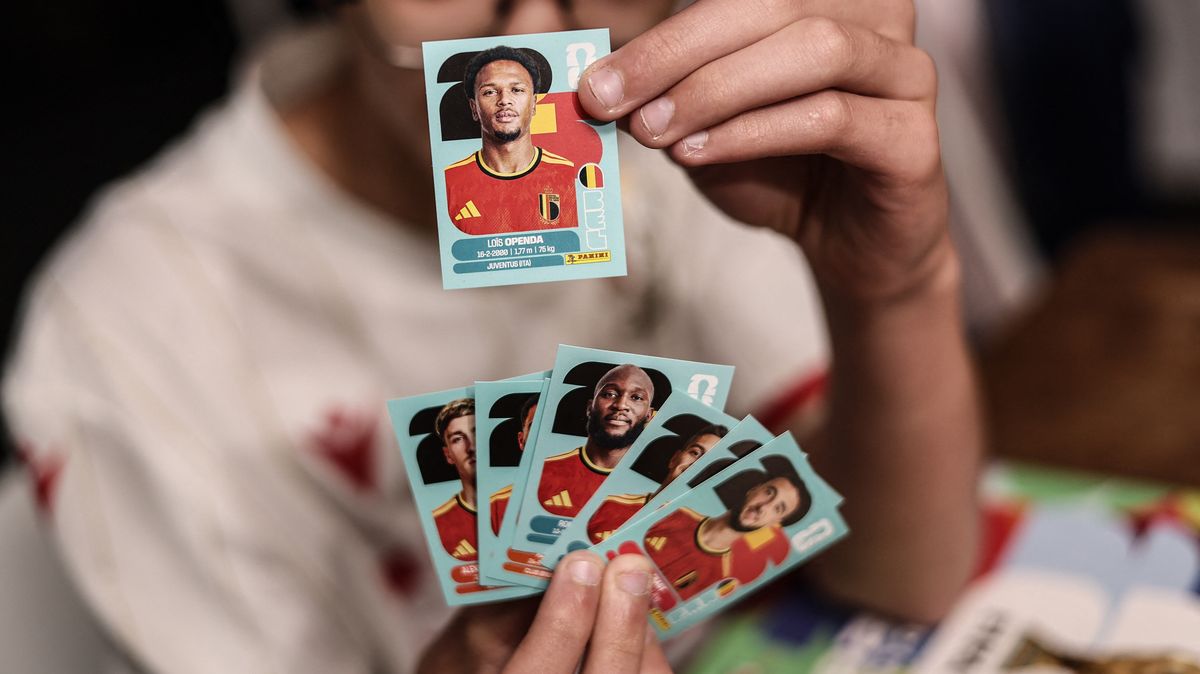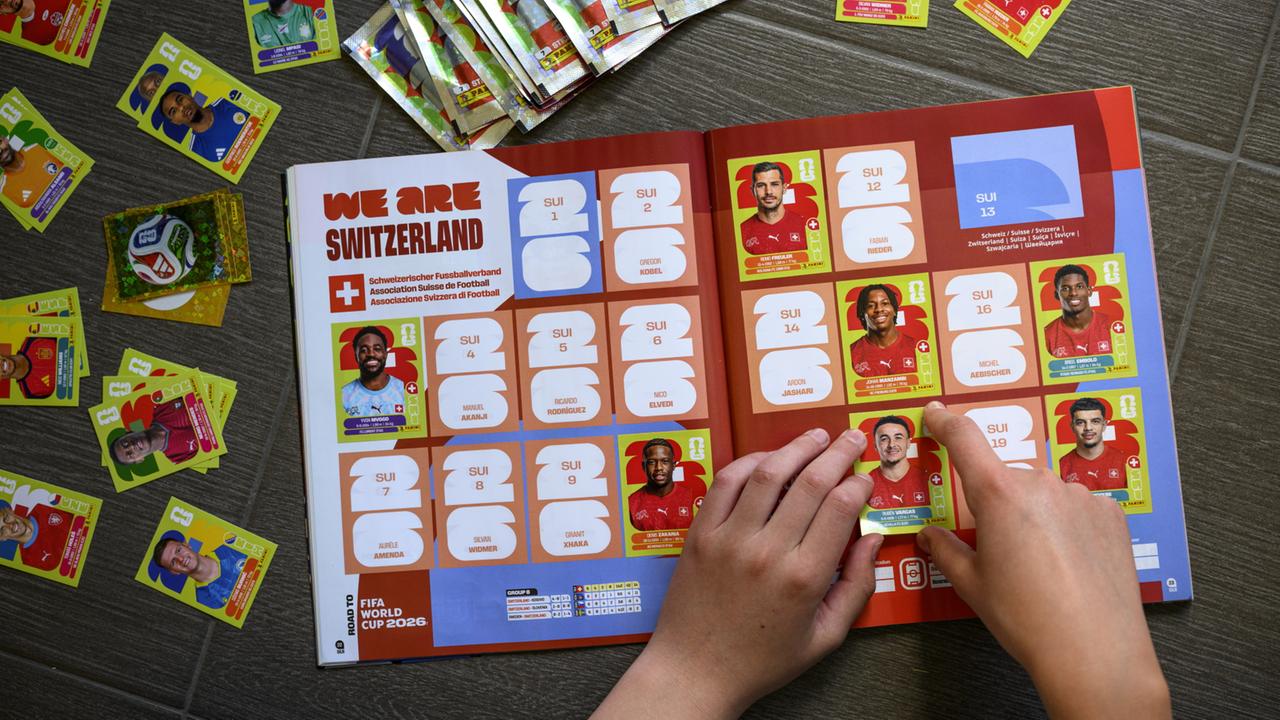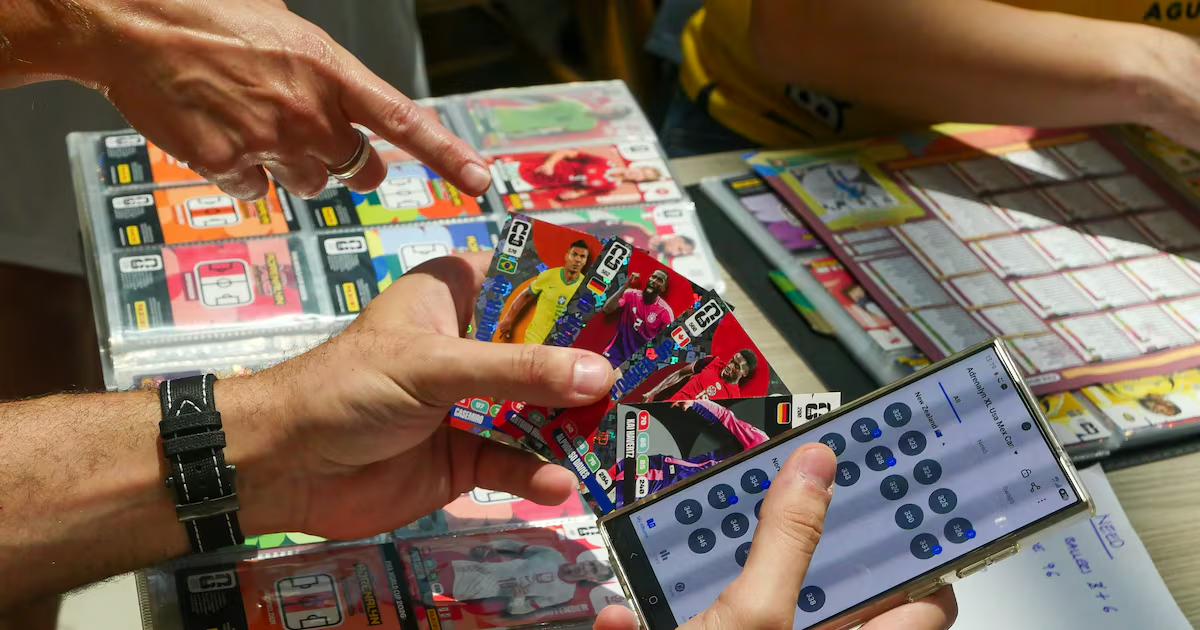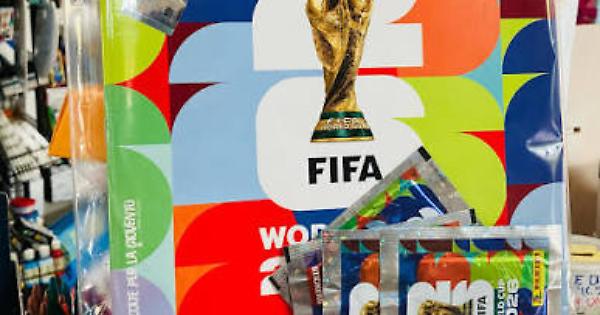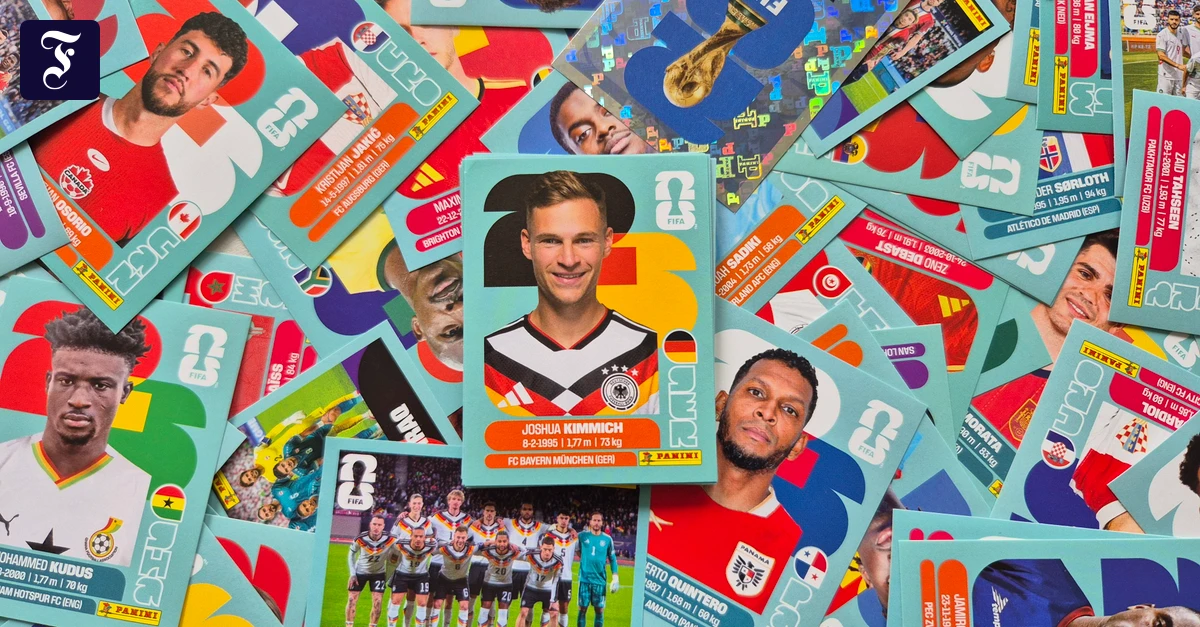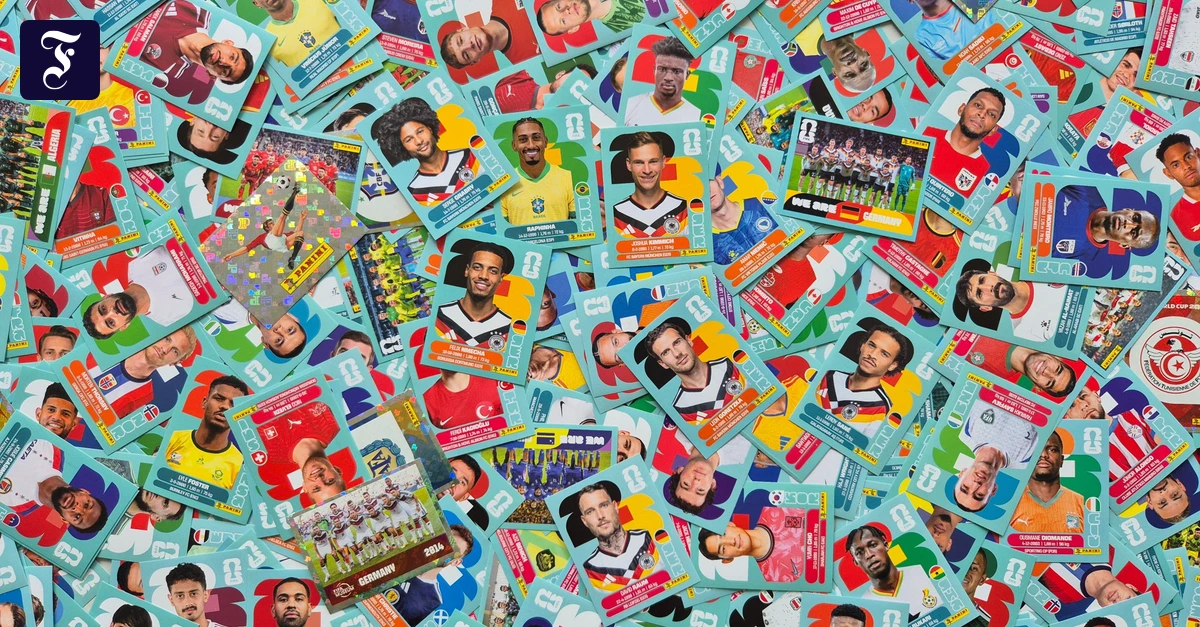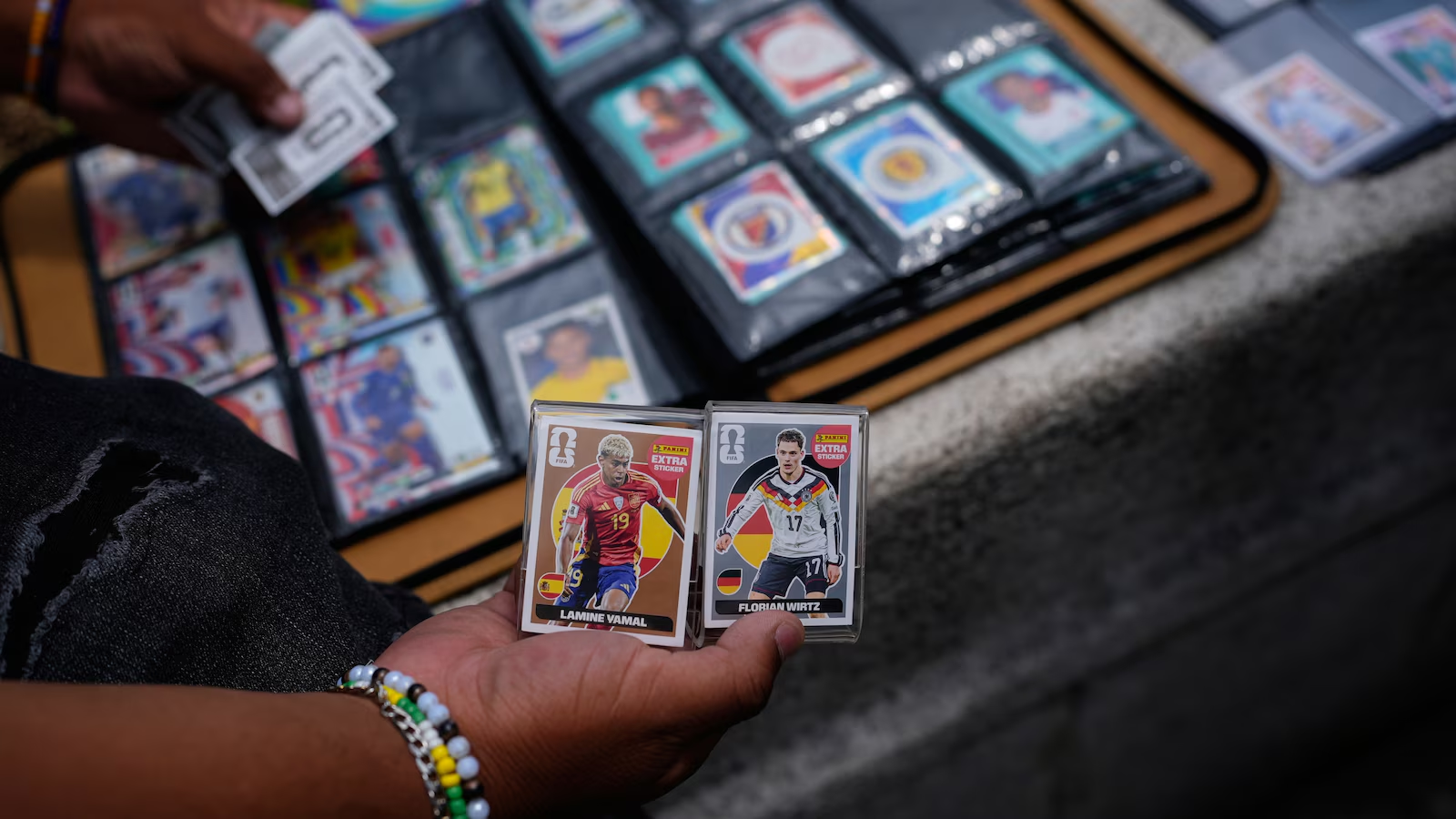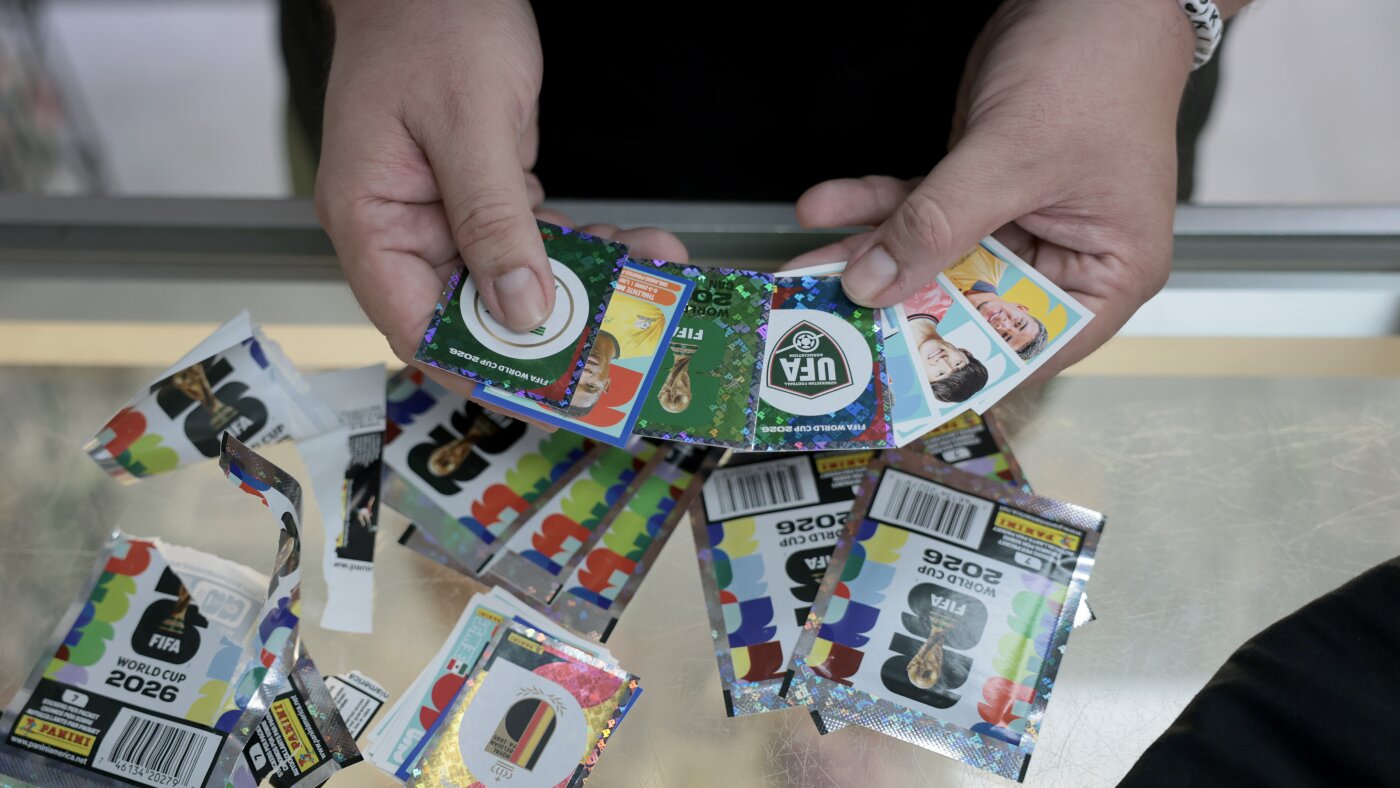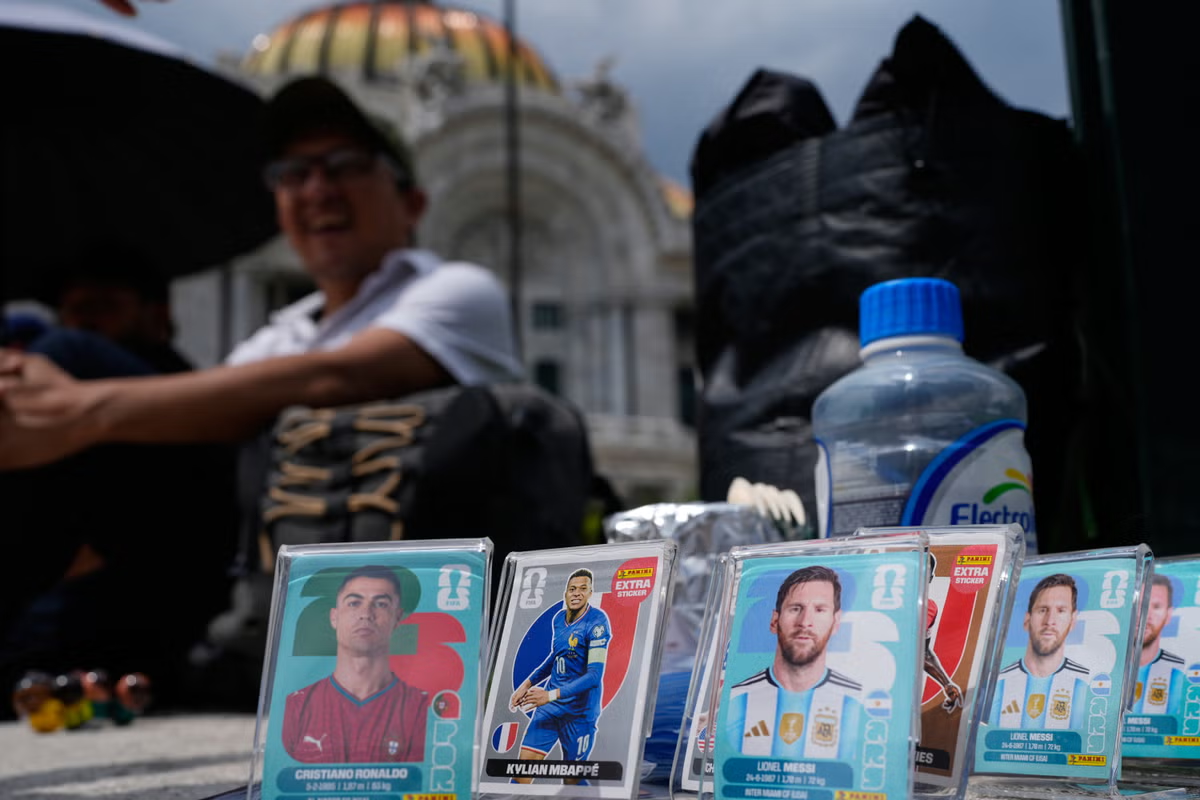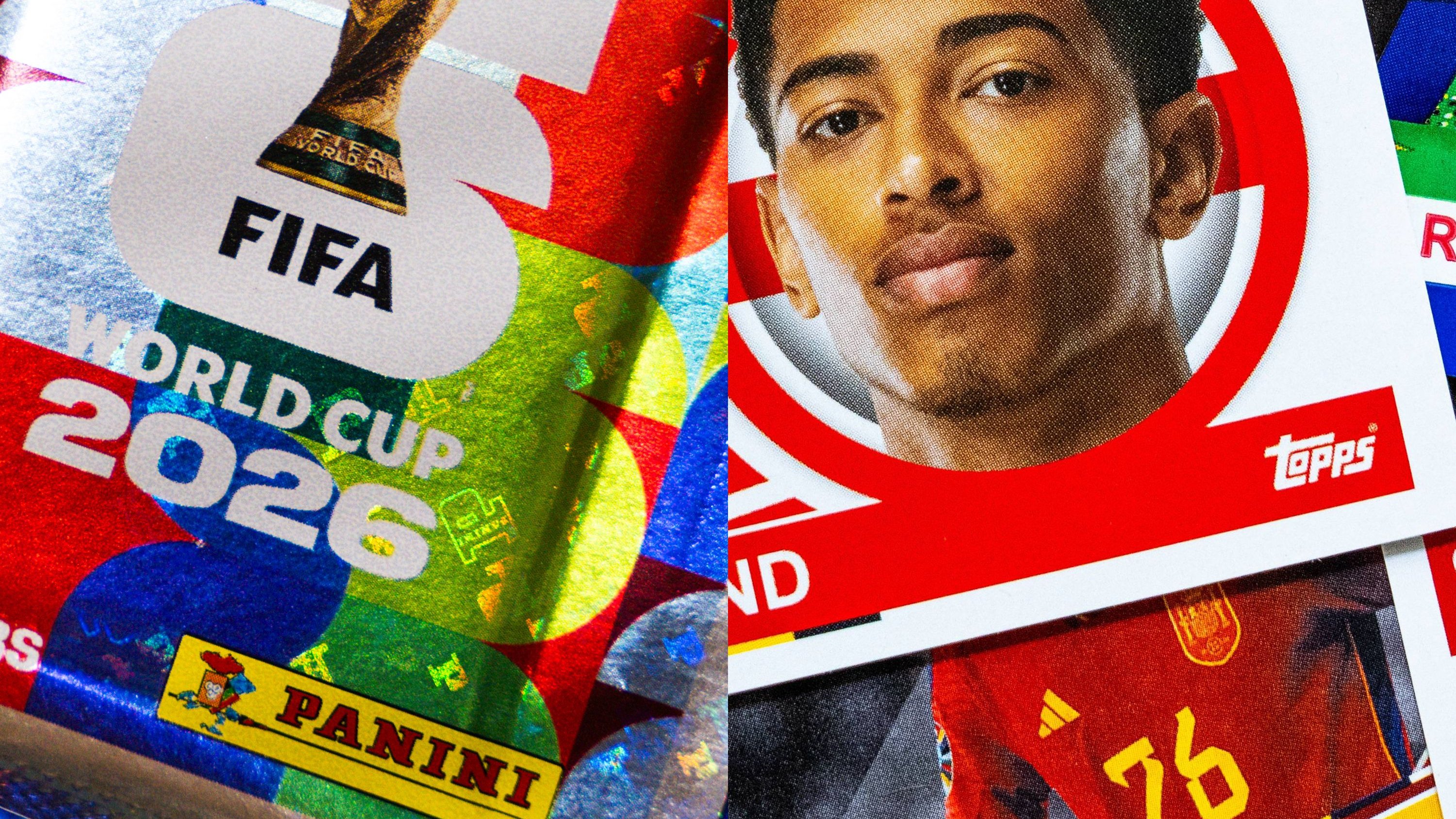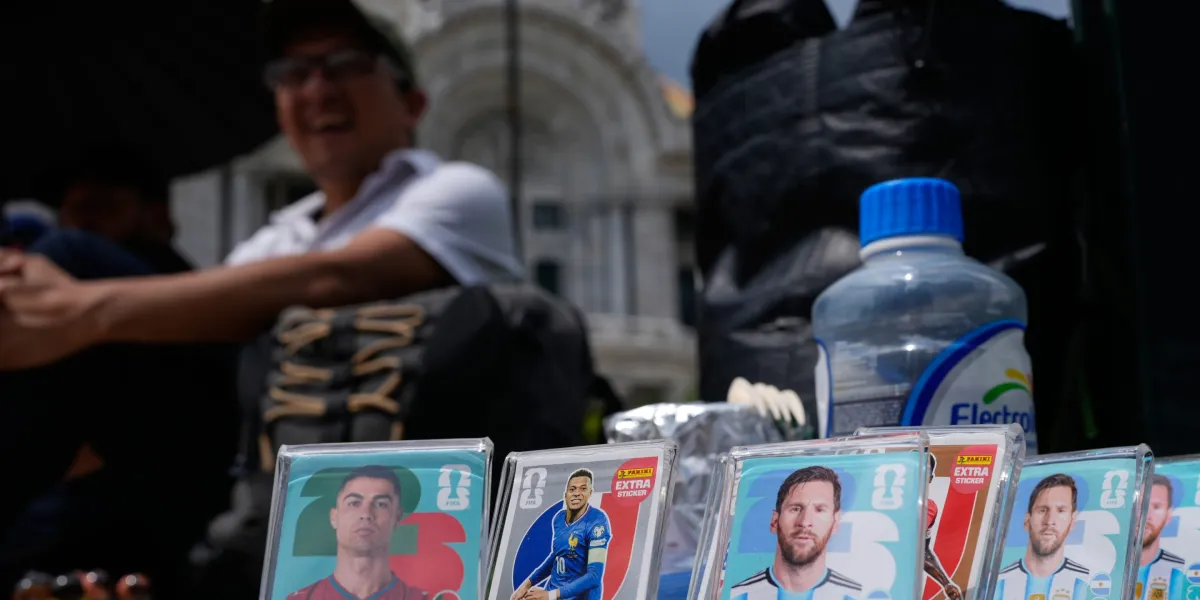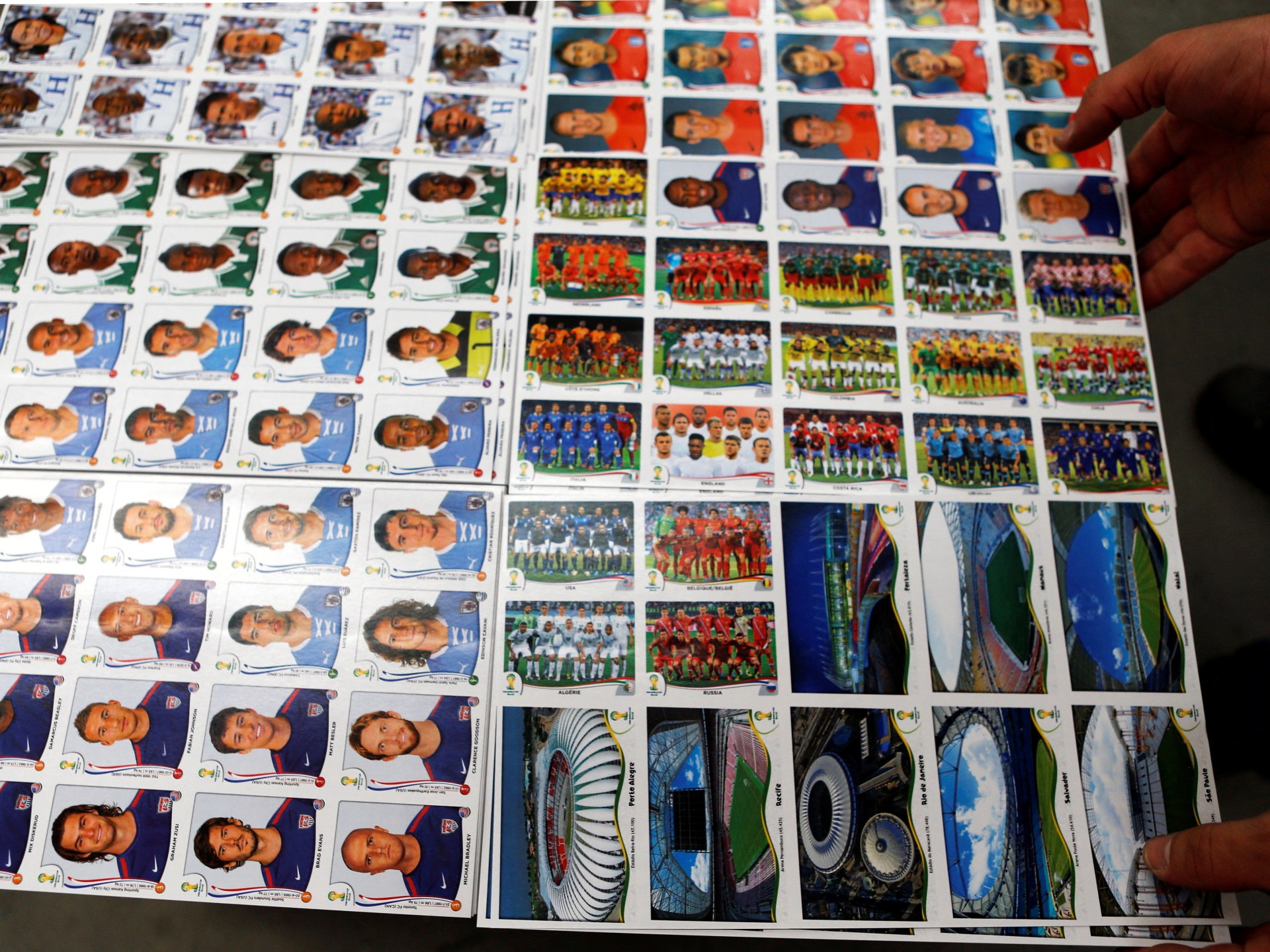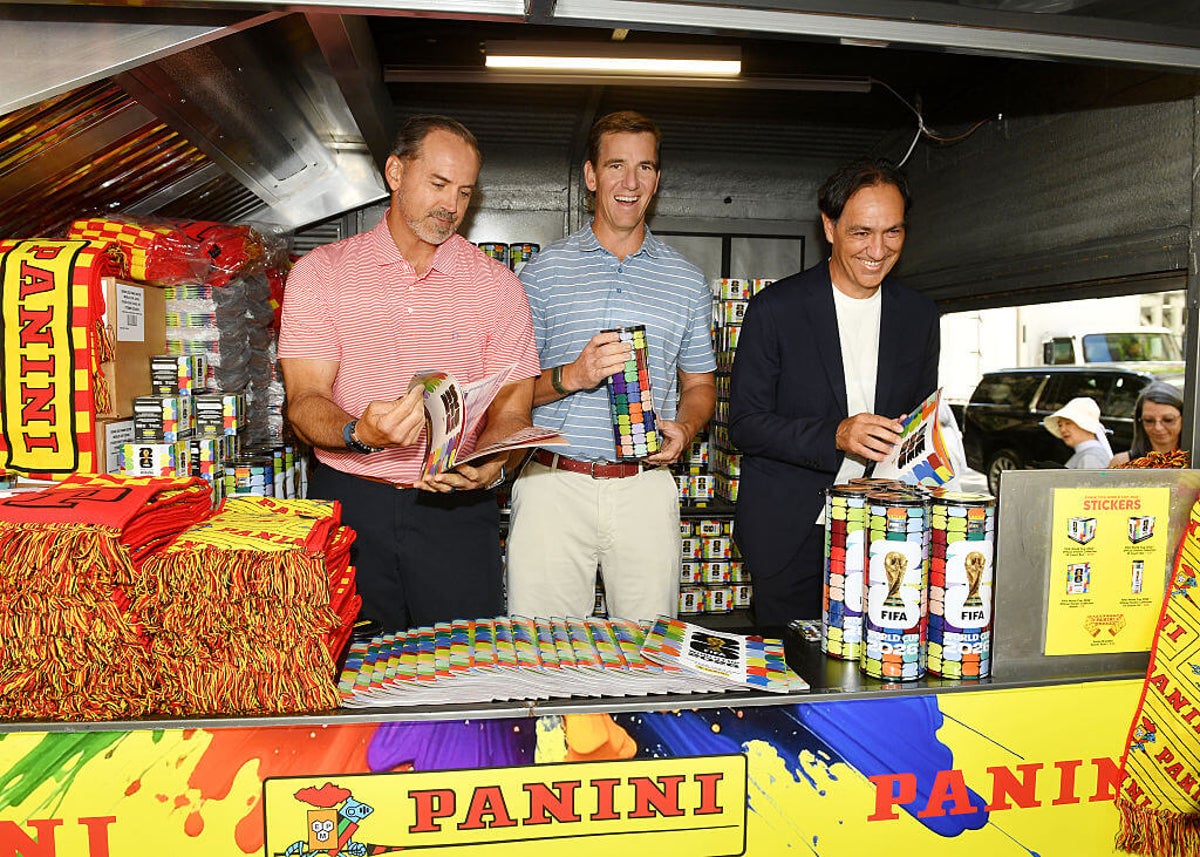
Part of the challenge Panini faced when producing their globally beloved World Cup sticker album for this year’s tournament hosted throughout North America was figuring out how to alter, even just temporarily, American collecting culture, which is far more focused on trading cards than stickers.Sports card collectors in the United States typically place their treasured collectibles in a variety of plastic cases to preserve peak condition and value. The thought of peeling off part of a baseball card and sticking it onto the page of a book forever is enough to cause heart palpitations.Going back to its debut with the 1970 World Cup, Panini’s sticker album has become a beloved tradition all over the world. Collectors buy packs of stickers and swap duplicates with friends and strangers to fill out the album, which includes players from every team in the tournament. It’s a communal and tangible expression of World Cup excitement, but, as with the sport itself, it’s one that has never fully taken hold in the U.S. to the same extent as many other parts of the world.This time around has been different, though. It turns out the only challenge for Panini in 2026 has been keeping up with the demand.“We’ve had some significant retailers surpass what they did in 2022 a week before the tournament even started,” said Jason Howarth, Panini America’s senior vice president of marketing and athlete relations.One major effort to introduce Panini’s World Cup sticker album to the American public was simply to give some away. And by “some,” Panini meant giving away 10 million albums at fan events across the country on top of selling stickers and albums through a variety of major retailers, including Amazon and Dick’s Sporting Goods. Panini has also extended its partnership with Coca-Cola to the U.S. for the first time, with 375 million stickers hiding inside the labels of 20 oz bottles.Howarth said Panini has printed “way more” stickers than ever before in the history of the U.S. market because this type of collectible is a more consumable product than trading cards. It’s also the result of there being more teams in the World Cup than ever before (48, up from 32) and more players to collect than ever, resulting in a whopping 980-sticker collection (up from 670 for the 2022 World Cup).Where overprinting is always a concern from trading card collectors preoccupied with long-term value, that’s generally not the case for sticker collectors.“Everything’s printed for the majority and of equal value so that everyone can complete their albums,” Howarth said. “You know that stuff is happening in that cadence and that expectation. So you want to make sure that you’re getting that product out into the market as fast as you can. And then it’s just the replenishment game.“The people that are faster on replenishment win. You’ve got retailers like Walgreens that are replenishing super fast and others along those lines — Walgreens, CVS, Walmart, Target, the Amazons of the world. We didn’t really have a massive Amazon presence in 2022. We launched a TikTok shop this year just to make sure that we were ready for this World Cup to capitalize on the user-generated content that just explodes all over the place when people are getting stickers.”But while Panini hoped the American sports card enthusiasts could adapt to stickers, the company is also meeting them halfway with a proven sports card concept to help further American collectors’ desire for stickers: parallels.Modern sports cards have thrived by including different versions of the same card, with a base version being the most common (and least desirable) and others each utilizing a different color and carrying a different print run that can vary from several thousand all the way down to just one.The U.S. version of the Panini World Cup stickers utilize the parallel system through different colored borders. This creates a danger for unsuspecting collectors of the stickers sold in the U.S. And some collectors have already fallen victim to affixing rare stickers to their album pages, ruining their value.So before mindlessly peeling every sticker off its back paper, make sure not to damage a one-of-one, highly valuable sticker of the likes of Lionel Messi or Lamine Yamal. Messi’s 2022 World Cup one-of-one black bordered sticker sold in 2023 for $139,200, a record for a World Cup sticker.Unfortunately, there have been posts on social media where some rarer parallels, including the one-of-one for Argentina’s Julian Alvarez, have already been placed in albums.
World Cup stickers take hold in America as Panini gives away 10 million free albums
World Cup stickers have long been an afterthought in the U.S., where trading cards rule, but that has changed this year.
1,380 words~6 min read