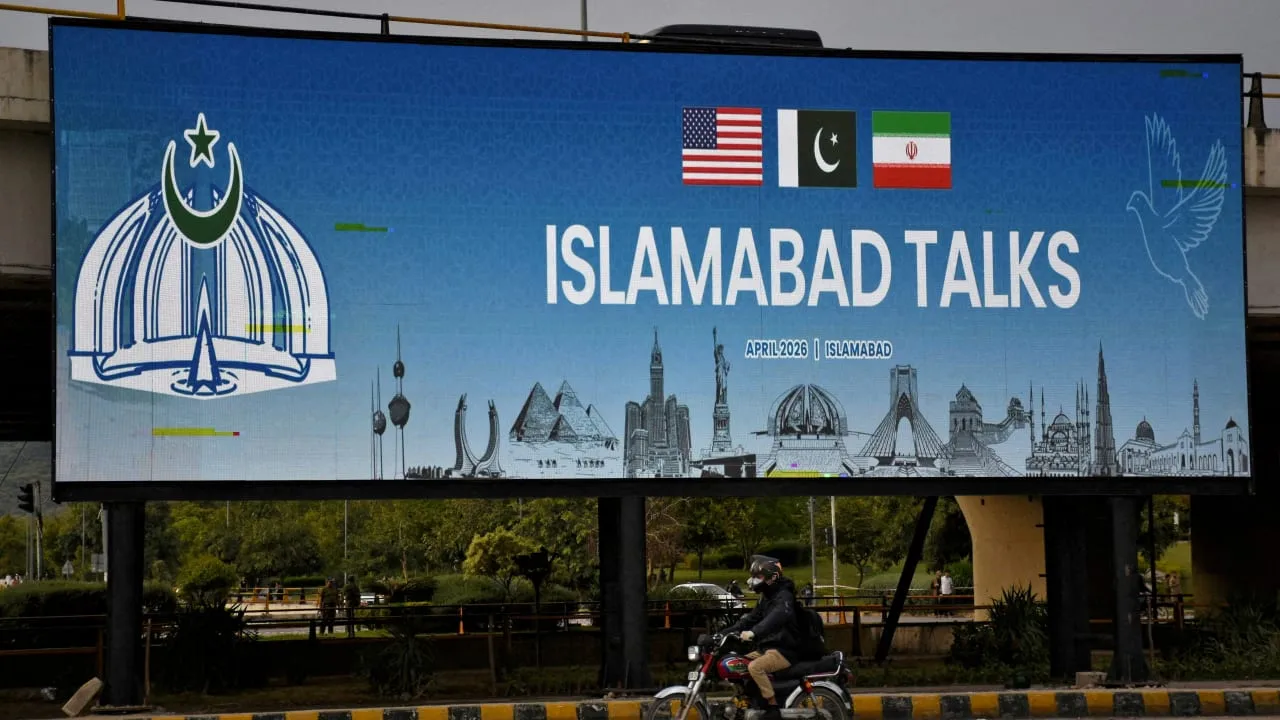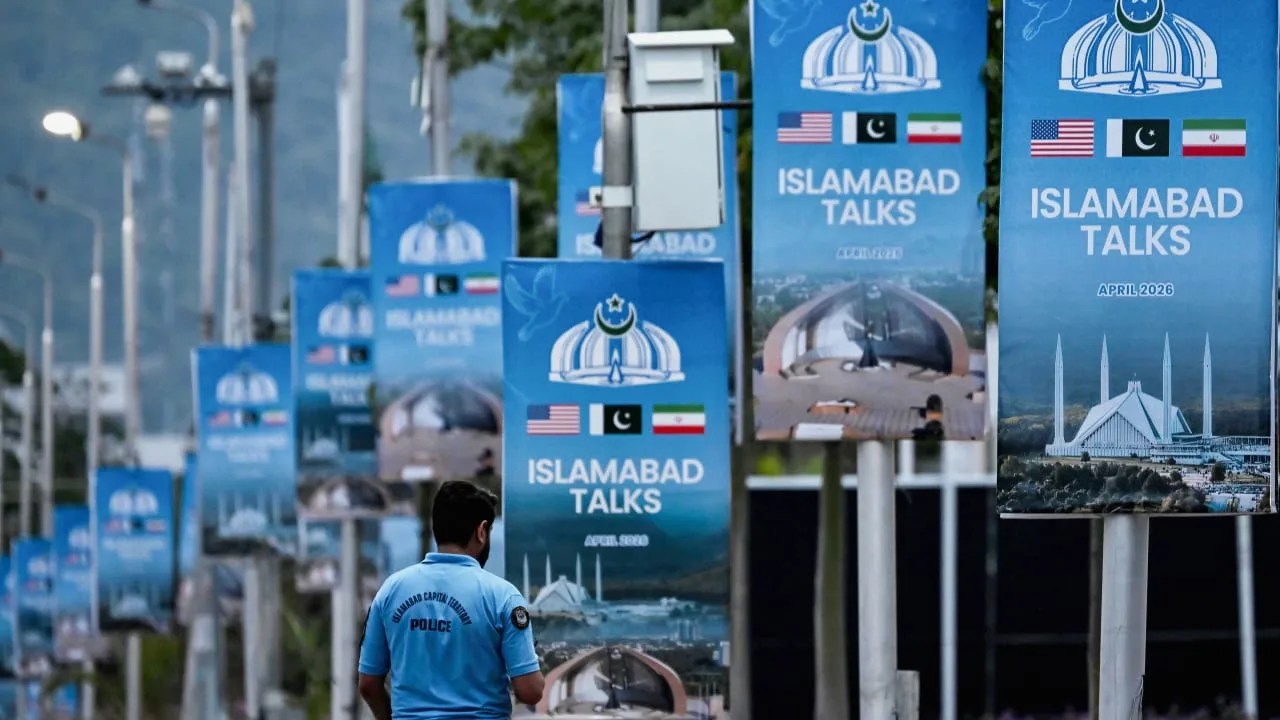
As concern grows over how Iran will respond after Friday’s signing, an equally pressing issue is the widening rift in trust between Israel and the US over Washington’s secrecy surrounding the deal.Follow us on Google PAKISTAN-WAR-IRAN-US-ISRAEL-DIPLOMACY-TALKS A police personnel walks past posters highlighting Pakistan's mediation of IranUS peace talks, at the Red Zone area in Islamabad on April 18, 2026. No date has been set for the next round of IranUS peace talks brokered by Pakistan following the failure of(photo credit: Farooq NAEEM / AFP via Getty Images)ByJERUSALEM POST STAFFJUNE 17, 2026 21:49Israeli defense officials fear Tehran will use the 60-day window to buy time and strengthen its position, with Iran expected to receive significant relief in economic sanctions and in fuel and oil trade, according to an N12 news site report.Israeli intelligence assessments, as conveyed to the political echelon in recent days, indicate that Iran's Supreme Leader, Mojtaba Khamenei, most likely does not want to reach a final agreement.In other words, the negotiations being held by the Revolutionary Guards, as well as the approval of the framework agreement, stem from a desire to secure control of the Strait of Hormuz and to receive an economic boost from the United States.Thus, Iran will aim to prolong the process and avoid rushing to reach a final agreement, the officials fear."We should not expect anything else from a vengeful regime. It would be very surprising if Iran does not invest all its efforts and tricks to shorten its reach to nuclear weapons, under the auspices of the talks," a senior defense official said to News 12, expressing their concern about what Tehran will do during this 60-day window.President Trump Visits Israel And Egypt After Gaza Ceasefire Takes Effect JERUSALEM - OCTOBER 13: U.S. President Donald Trump (L) holds hands and speaks with Israeli Prime Minister Benjamin Netanyahu at the Israeli parliament, the Knesset, on October 13, 2025 in Jerusalem. President Trump is visitin (credit: Saul Loeb - Pool/Getty Images)Lack of transparency from Washington concerns governmentFurthermore, Israel's defense establishment is becoming increasingly concerned about a lack of transparency from the Trump administration regarding the Memorandum of Understanding with Iran set to be signed in Switzerland on Friday, sources told N12 News on Wednesday.Officials are also concerned about how the interim period will unfold, with Iran expected to face significant economic sanctions and fuel and oil relief.Israeli intelligence assessments suggest that Iran may seek to delay negotiations on the nuclear issue while using the time to shorten its breakout timeline toward a nuclear weapon. Conversely, Iranian Foreign Minister Abbas Araghchi has said that Iran will begin negotiations on the nuclear issue "on the very day we sign the MoU," according to the report.The US's withholding of details in the agreement, reportedly out of concern that Israeli leaks could derail Friday's signing, points to the extent of the current divergence between Washington and Jerusalem on Iran, N12 reported.Iran to receive $300b. in cash after signing MoUThe sequence of events suggests that upon immediate signing of the MoU, Iran would receive sanctions relief and easing of fuel and energy trade restrictions.I would also get an estimated cash inflow of over $300 billion, with more than half reportedly already committed, according to Reuters.This would occur while Iran retains control of the Strait of Hormuz, and with discussions of Iran’s nuclear program to then begin.Follow us on Google
Israeli defense eastblishment apprehensive of US-Iran deal | The Jerusalem Post
As concern grows over how Iran will respond after Friday’s signing, an equally pressing issue is the widening rift in trust between Israel and the US over Washington’s secrecy surrounding the deal.
560 words~3 min read