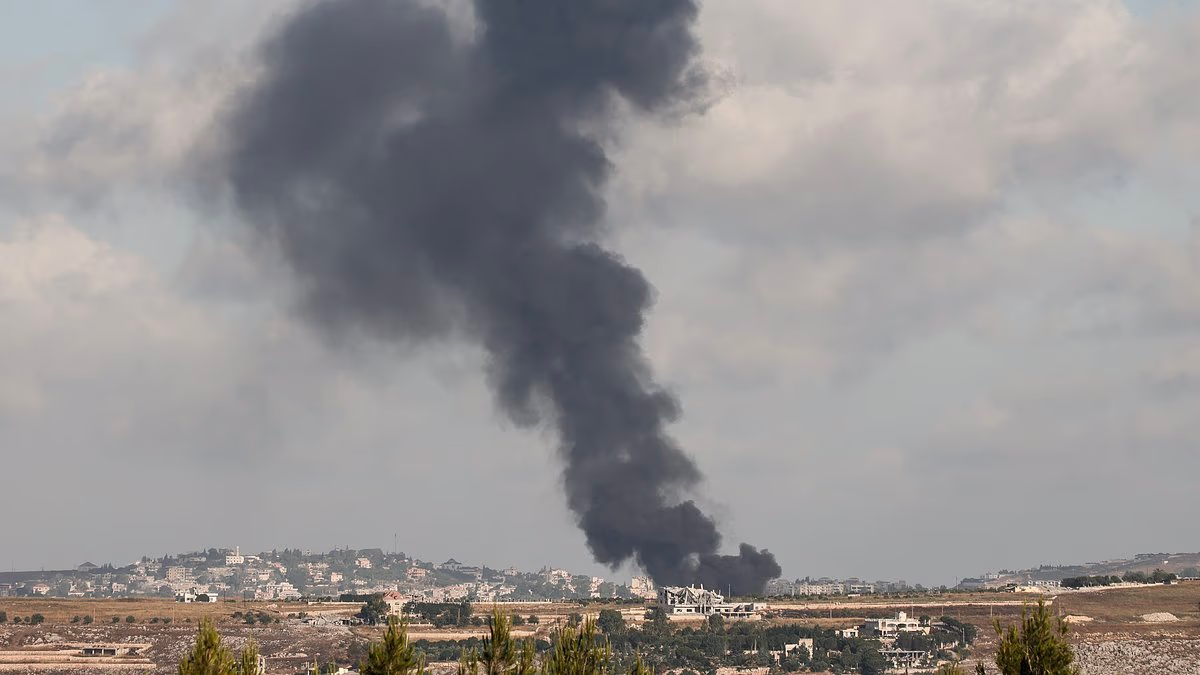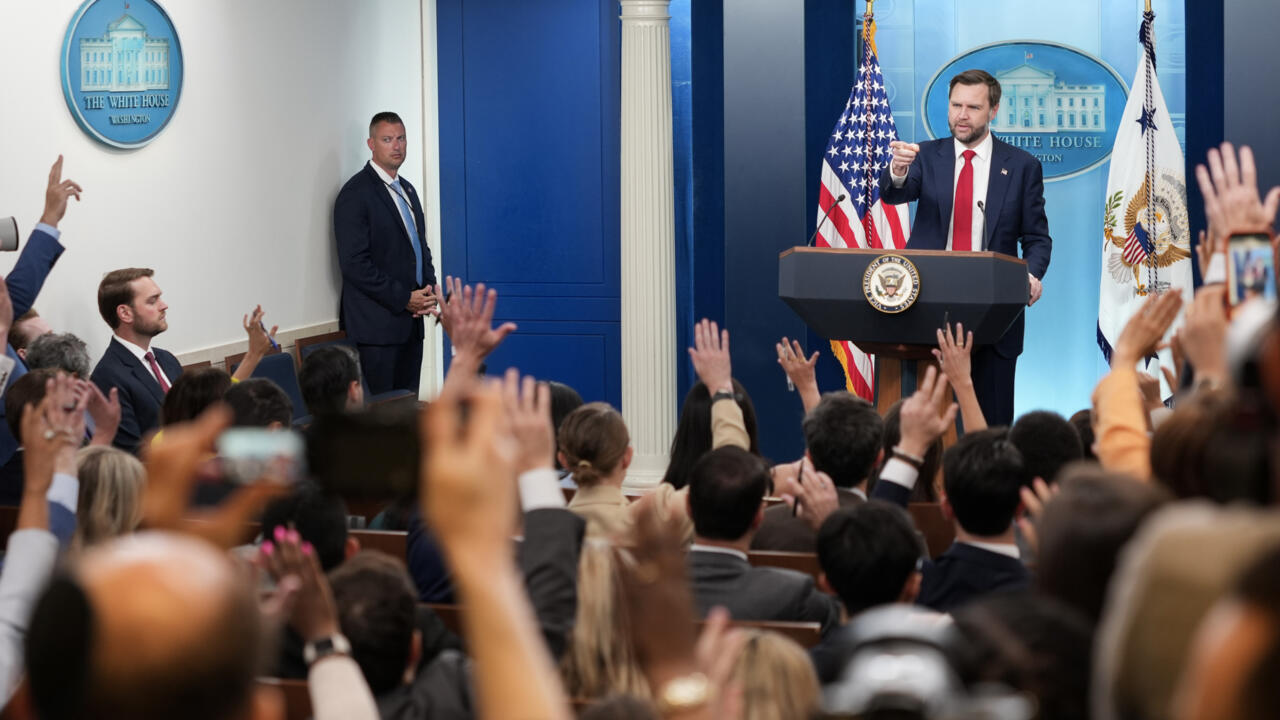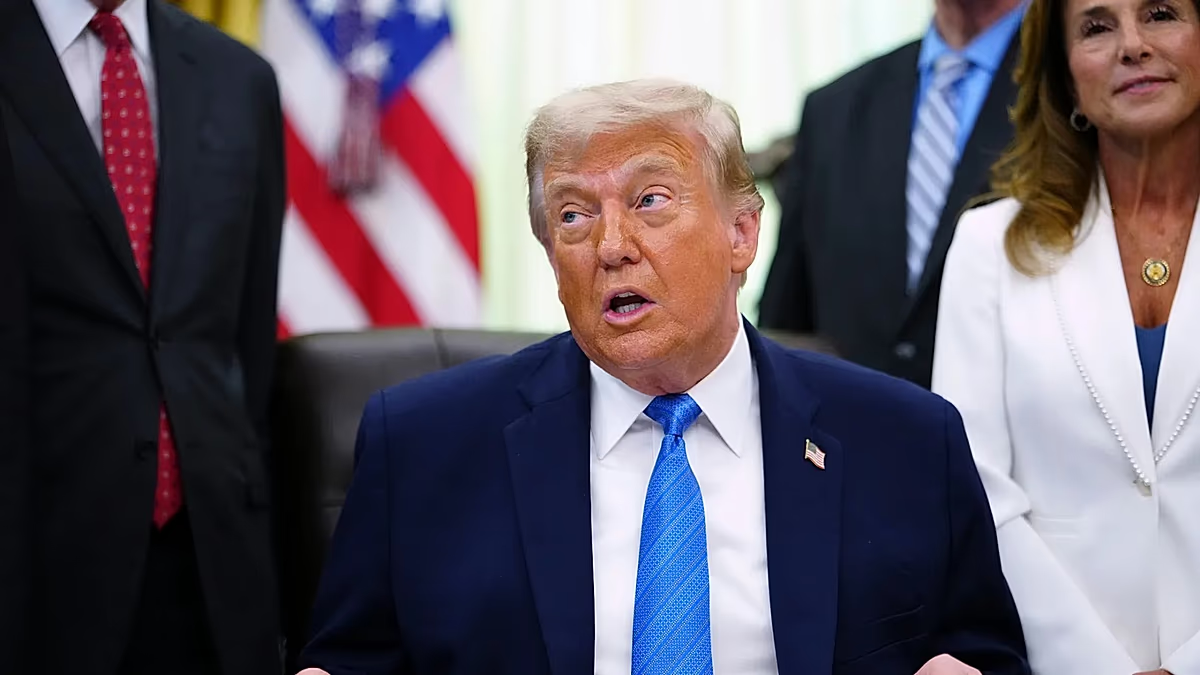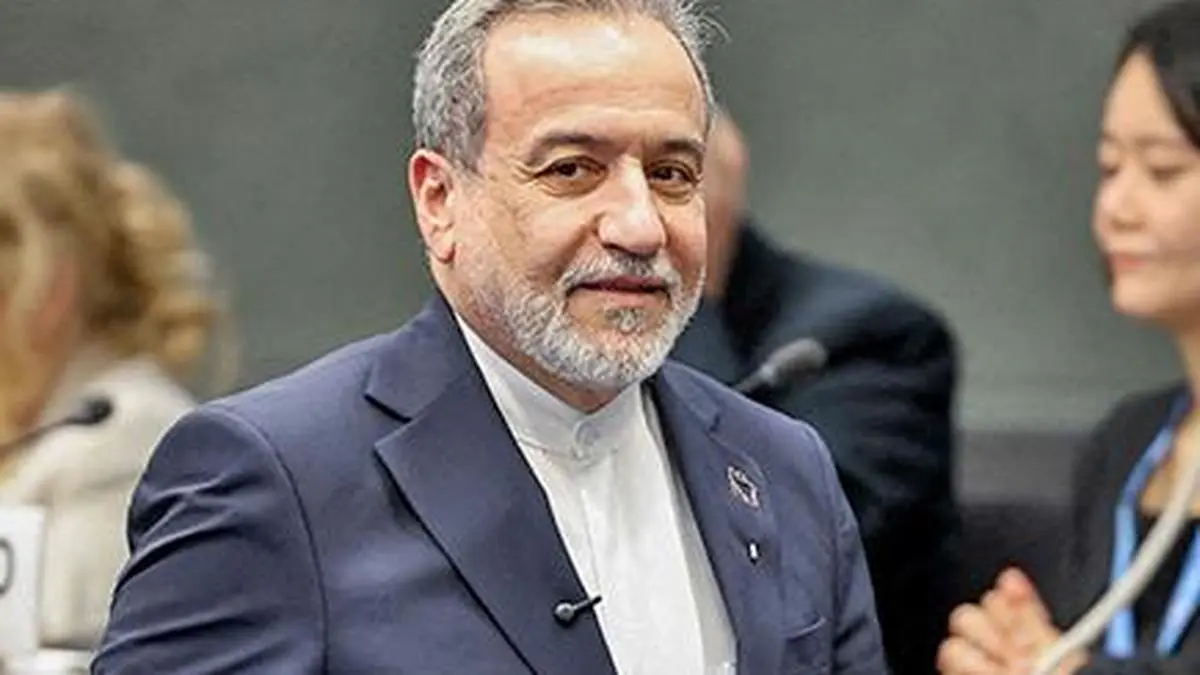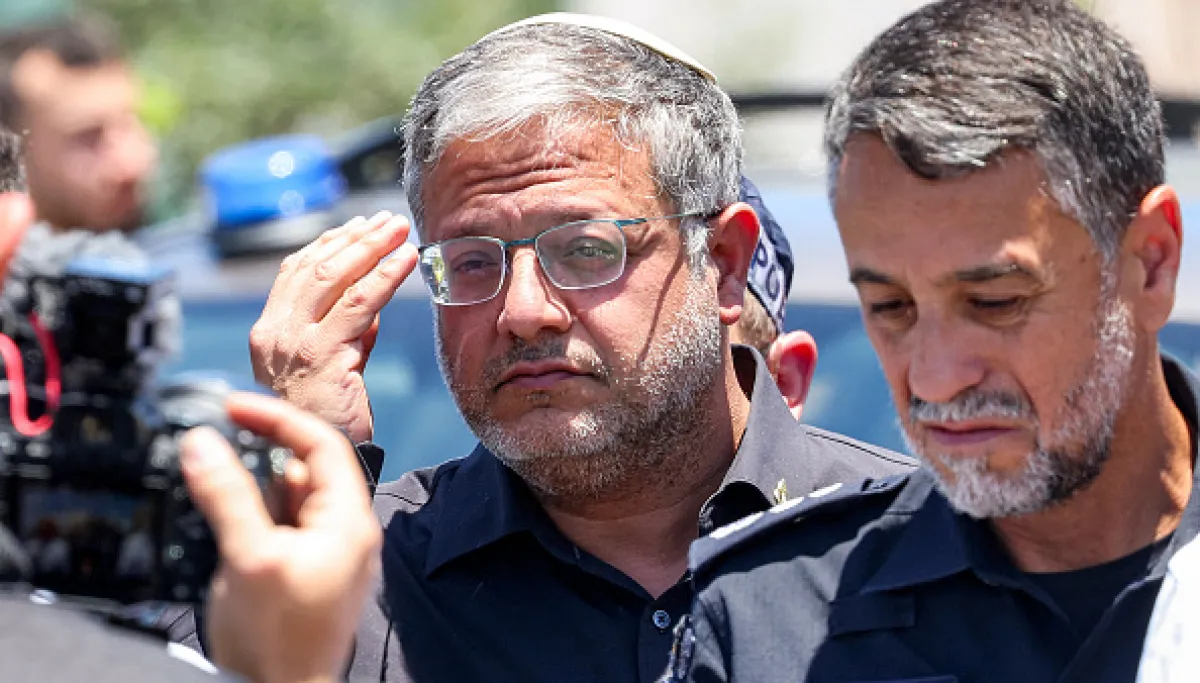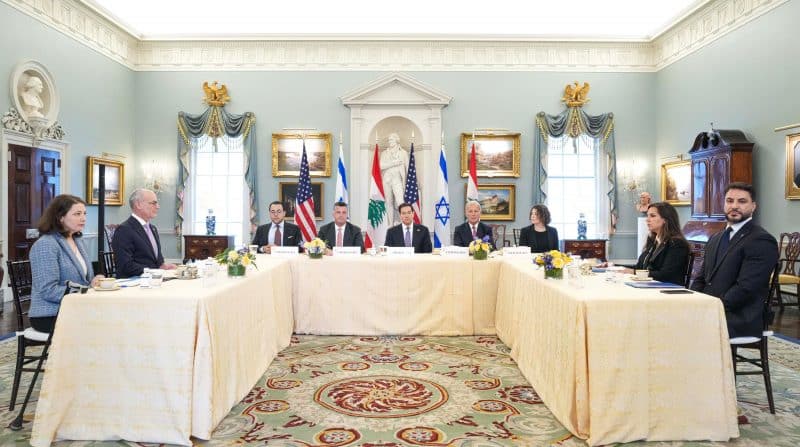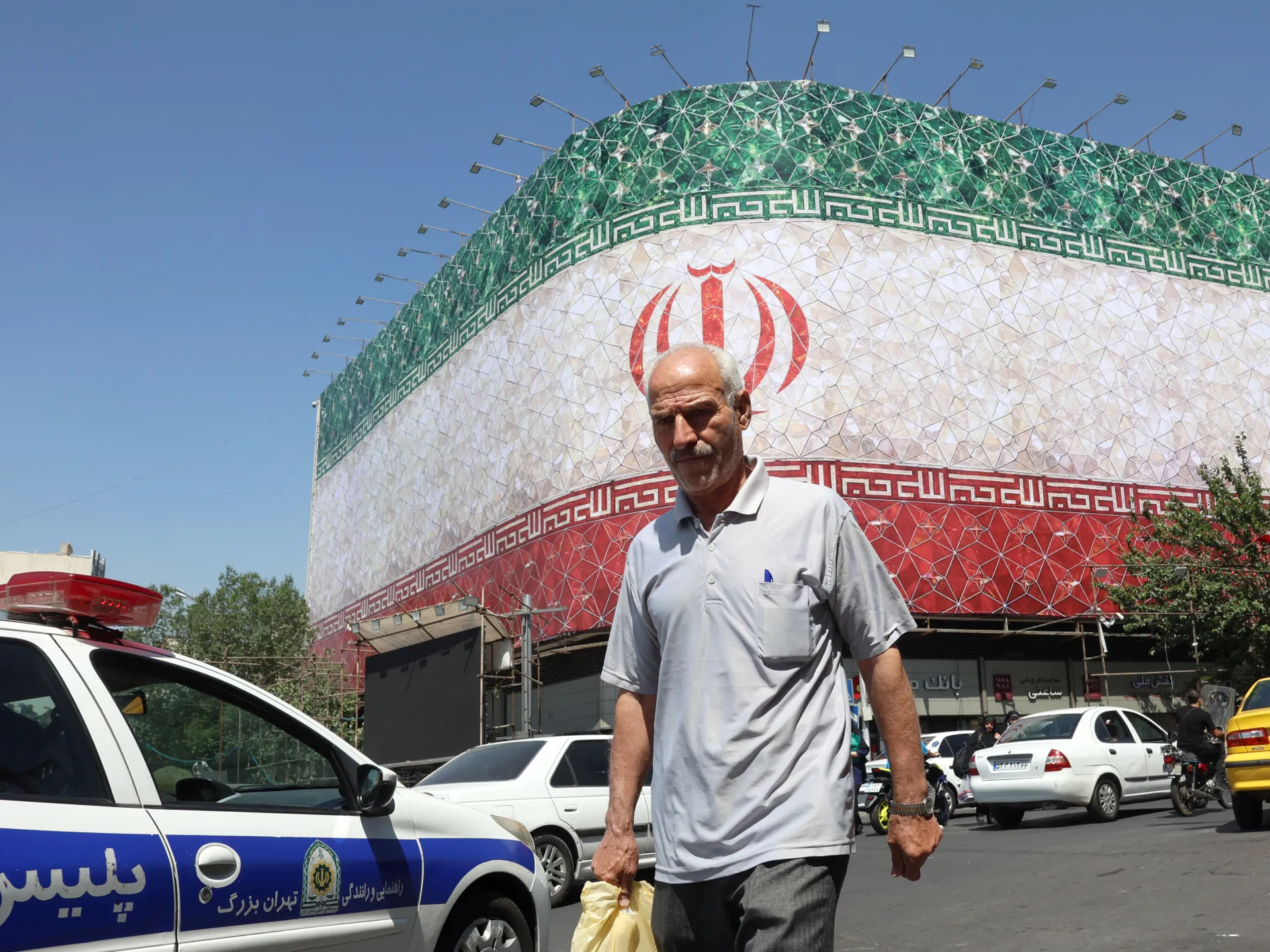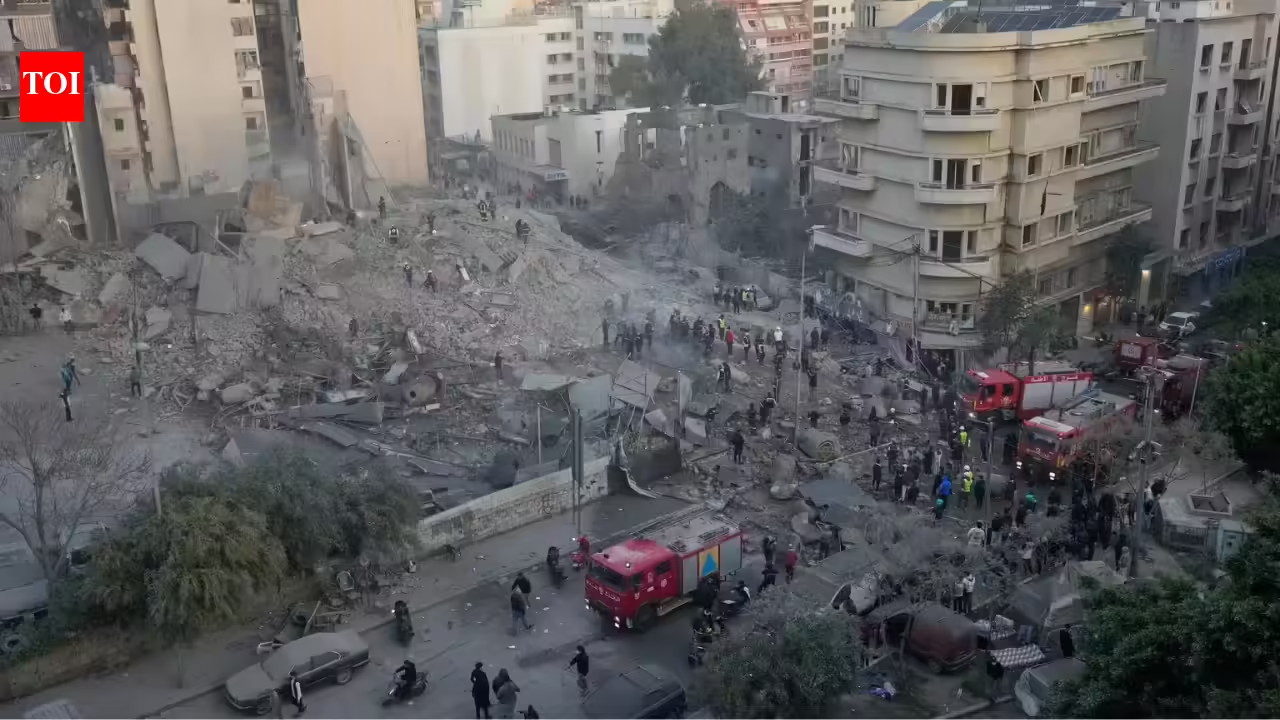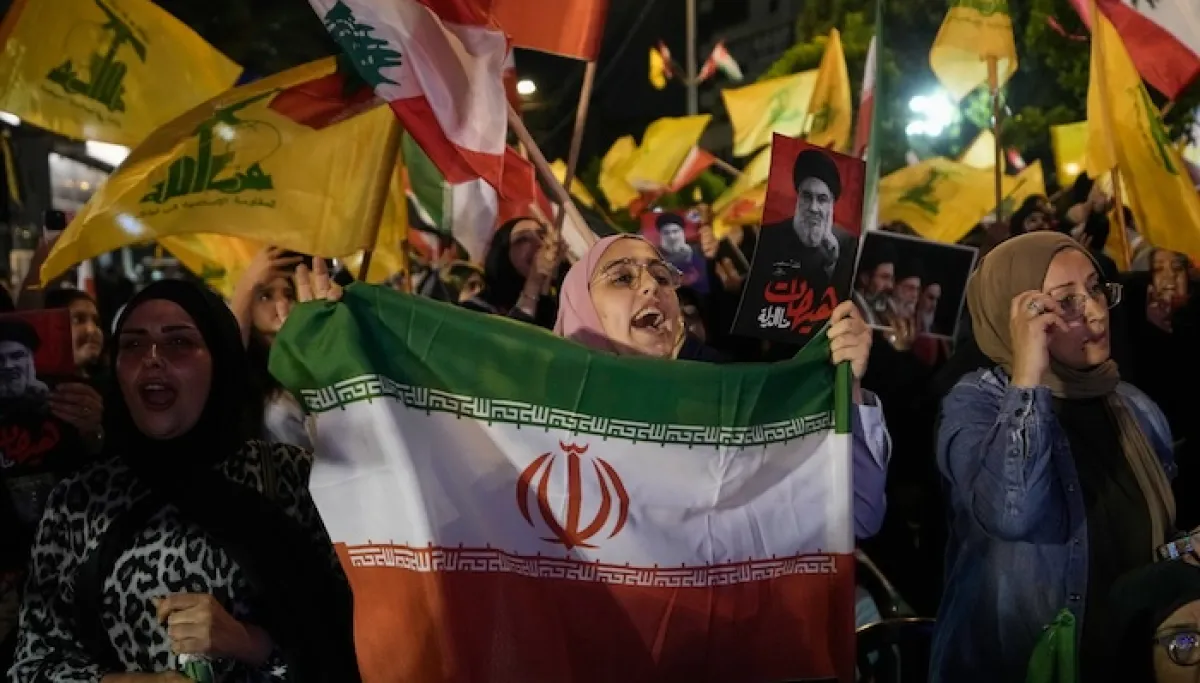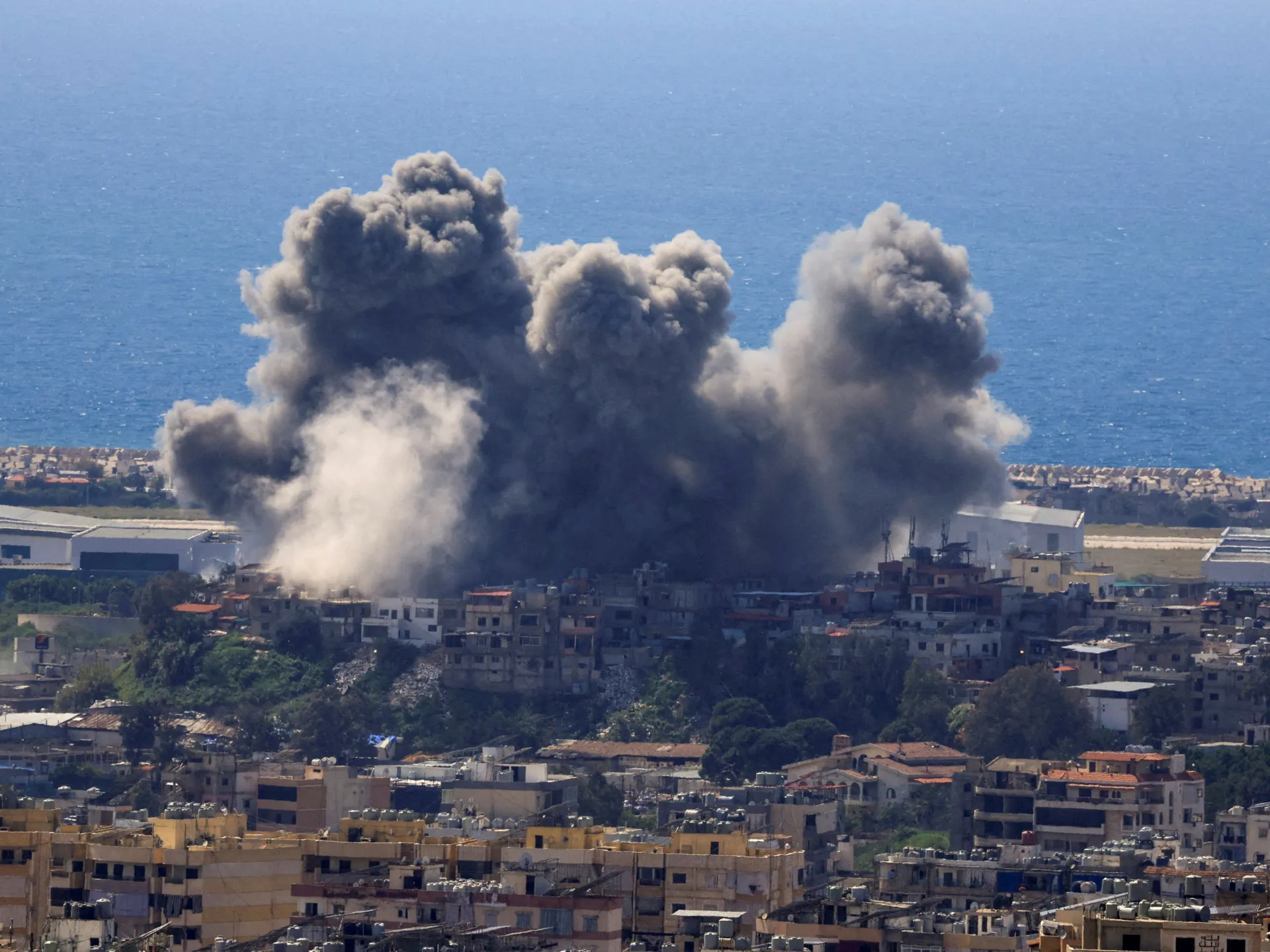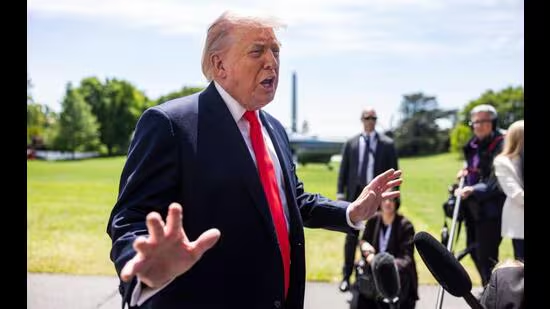
Even before the US-Israel-Iran peace deal announcements hit the newspapers in India — a country mourning the deaths of its seamen in the US attacks — the predictable cracks have appeared. Israel has rejected the inclusion of Lebanon-based Hezbollah in the cease-the-attacks list. Whether there will still be a deal to be signed on Friday, June 19, is a subject of heavy speculation.Whether US President Donald Trump will be able to withstand Netanyahu’s bellicosity, apart from swallowing his own pride, and go ahead with signing the deal is yet to be seen. (Bloomberg)If the version of the deal publicised by Iran is the one eventually adopted, it will be an unequivocal victory for Tehran, signalling its dominant negotiating position. Unsurprisingly, therefore, Israel is reportedly concerned about the deal’s terms, which effectively curtail its reach and impunity in the region. Prime Minister Benjamin Netanyahu has not only opposed an Israeli retreat from 5% of Lebanese territory occupied by his forces since February, but there have also been fresh attacks on Lebanon.Iran seems to have managed to make the US pay for its meddling in West Asia. Iranians will apparently gain ratified control over the Strait of Hormuz, along with billions of dollars through the release of frozen funds and reparation money. Sanctions on Iranian oil, which have intermittently broken the back of the country’s economy since 1979, are to be lifted. In return, Tehran has to stick to the “no nuclear weapon” promise, which it had made long before the current war started. Iran’s missile programme is not up for negotiation.This deal, prima facie, suggests that US dominance depends on the risk-averseness of other countries. Tehran’s ability to absorb losses till the situation became unsustainable for Washington — unless the latter resorted to significantly going up the escalation ladder — has been its strategy which seems to be succeeding at the moment. Vietnam did the same in the 1970s and so did Afghanistan, more recently. Iran has also demonstrated to the US-leaning Arab States in West Asia that choosing a distant, powerful friend over a close neighbour is unwise.Whether US President Donald Trump will be able to withstand Netanyahu’s bellicosity, apart from swallowing his own pride, and go ahead with signing the deal is yet to be seen. For now, adapting Dr Faustus’s apostrophe to Helen of Troy to the present situation, it’s the late Ayatollah Khamenei’s face that stopped a thousand ships and weakened the bargaining position of the most powerful nation in the world.
Iran persisted, the US blinked
Cracks appear in the US-Israel-Iran peace deal; Israel rejects Hezbollah's inclusion, while Iran gains leverage, potentially weakening US dominance.
415 words~2 min read