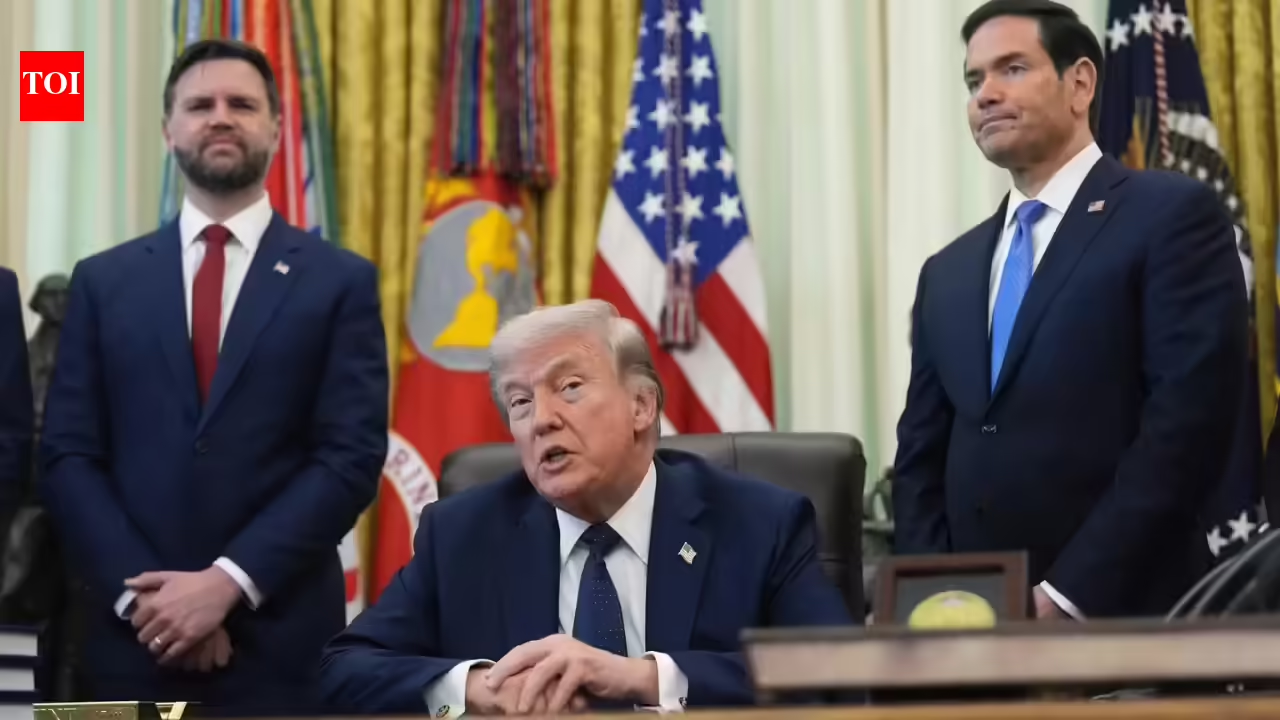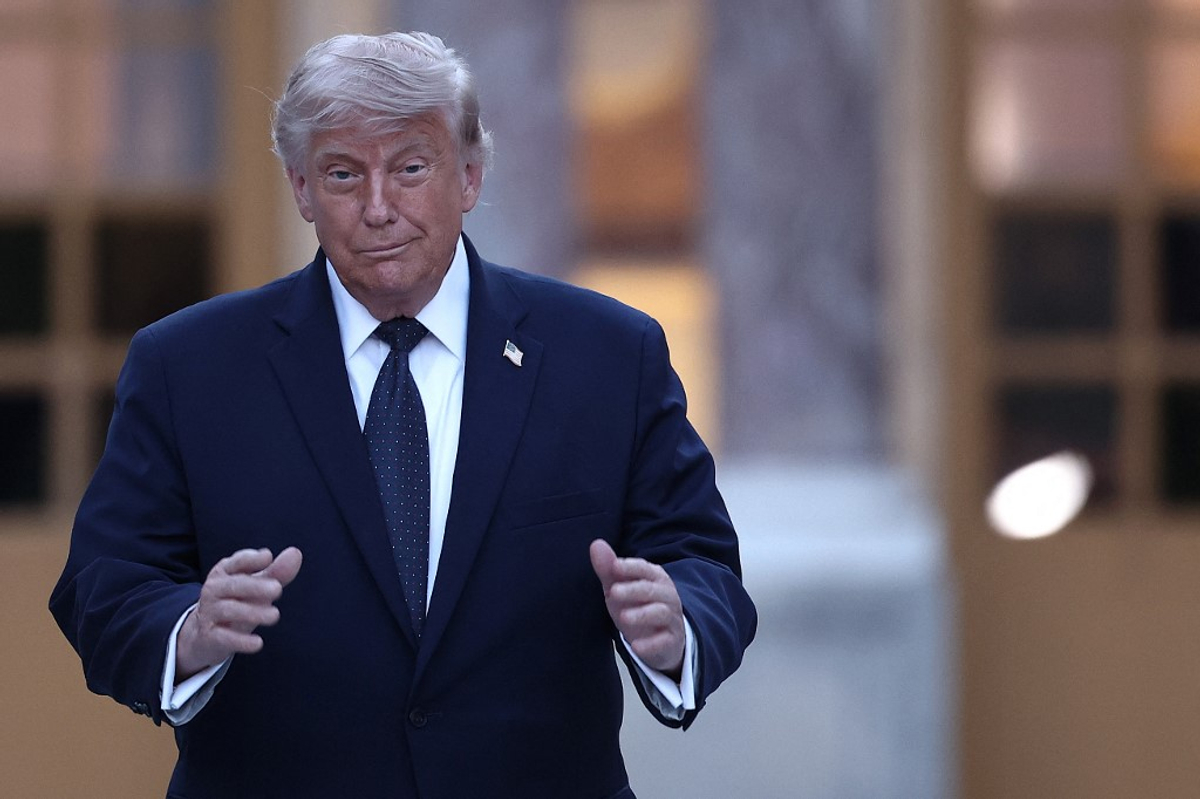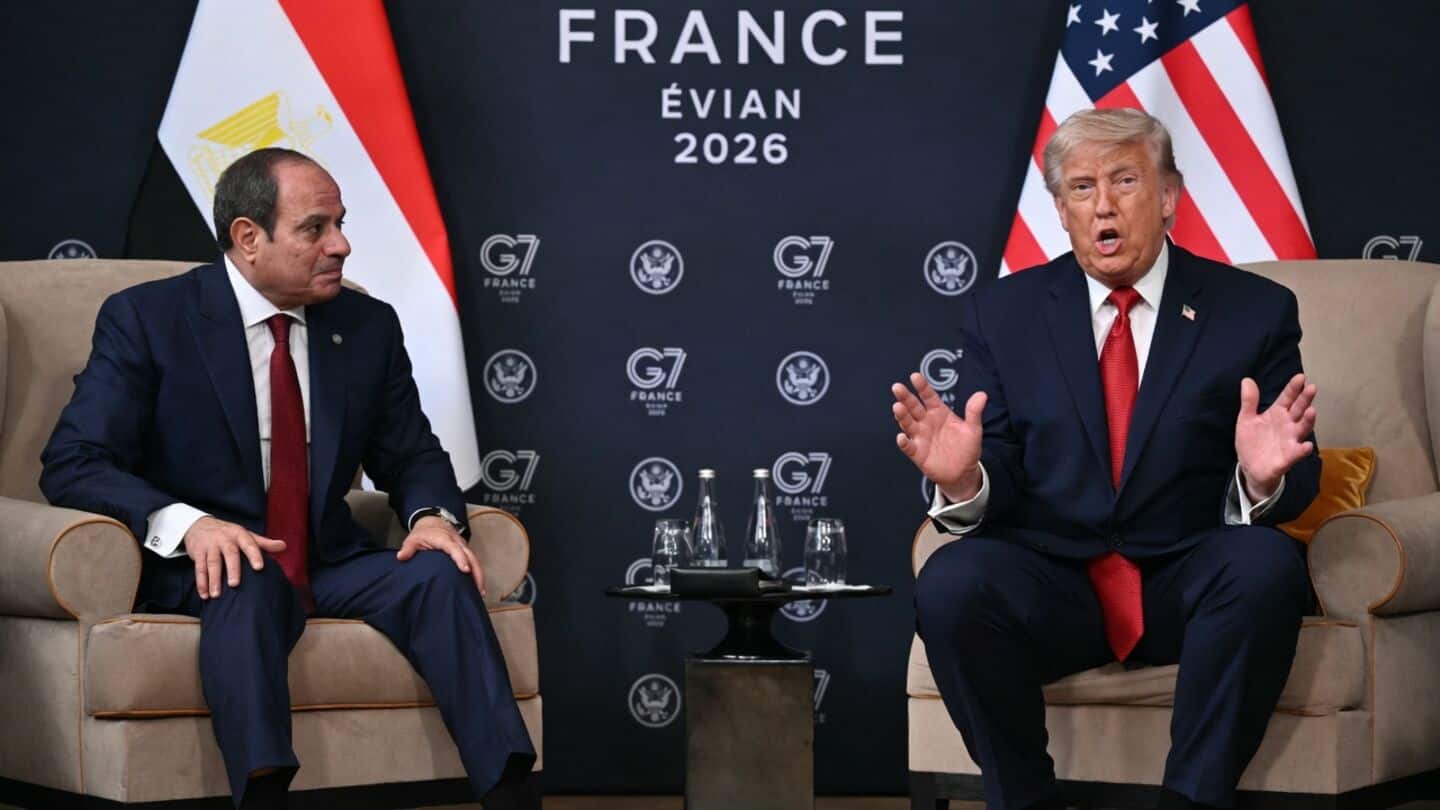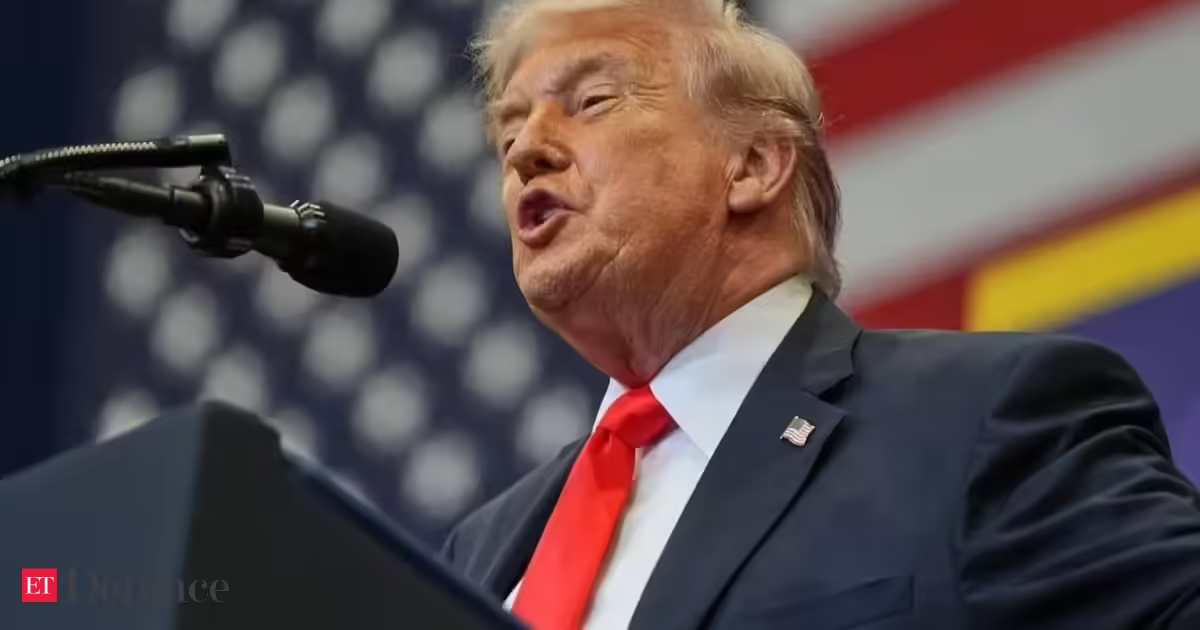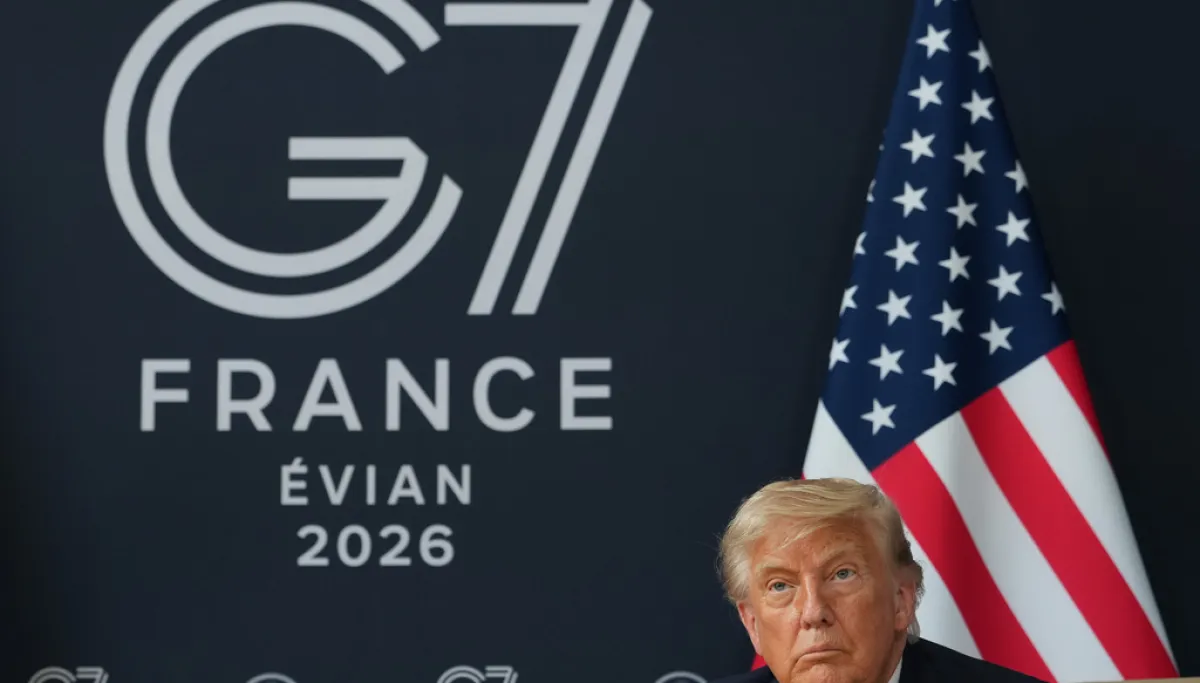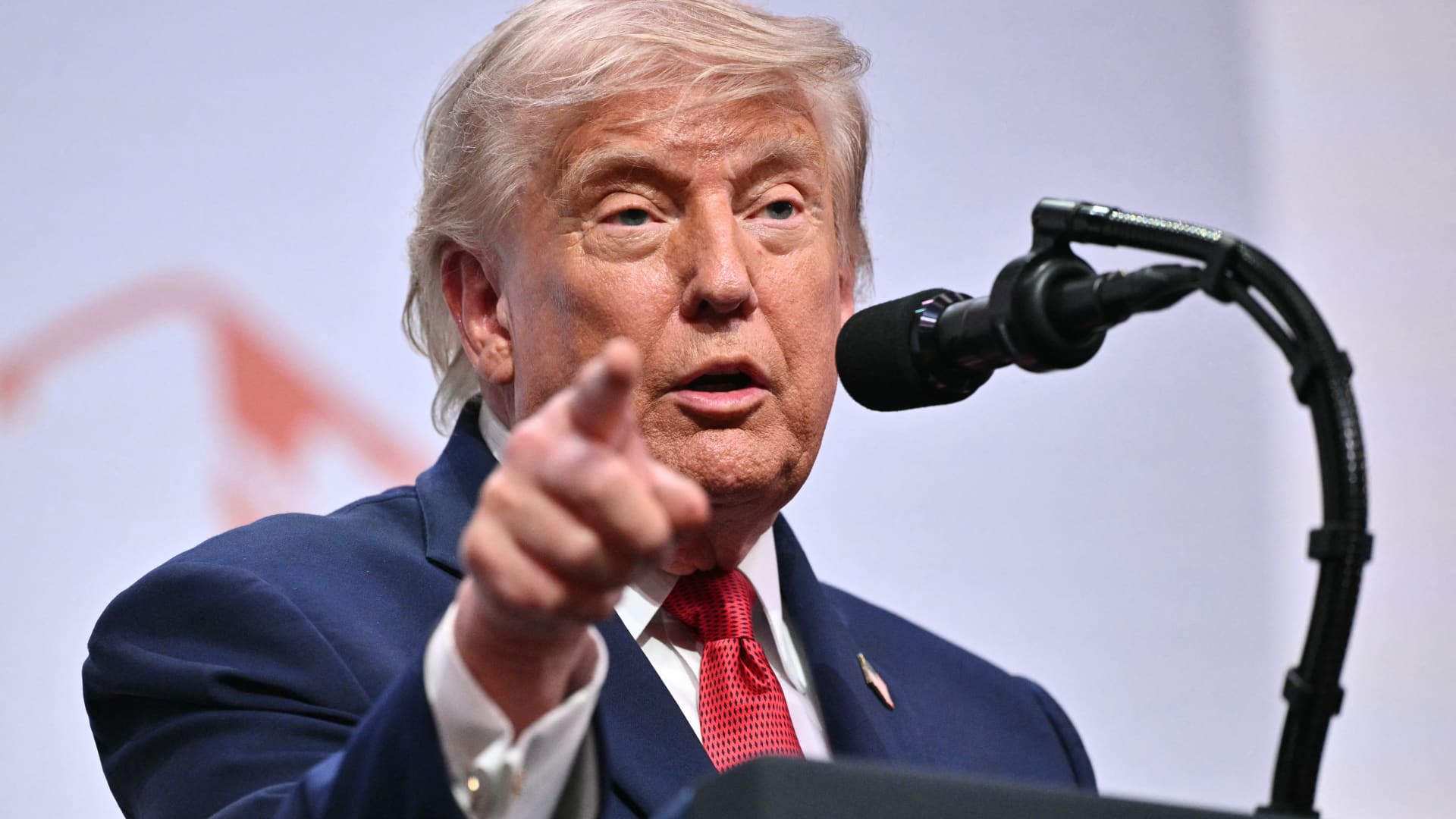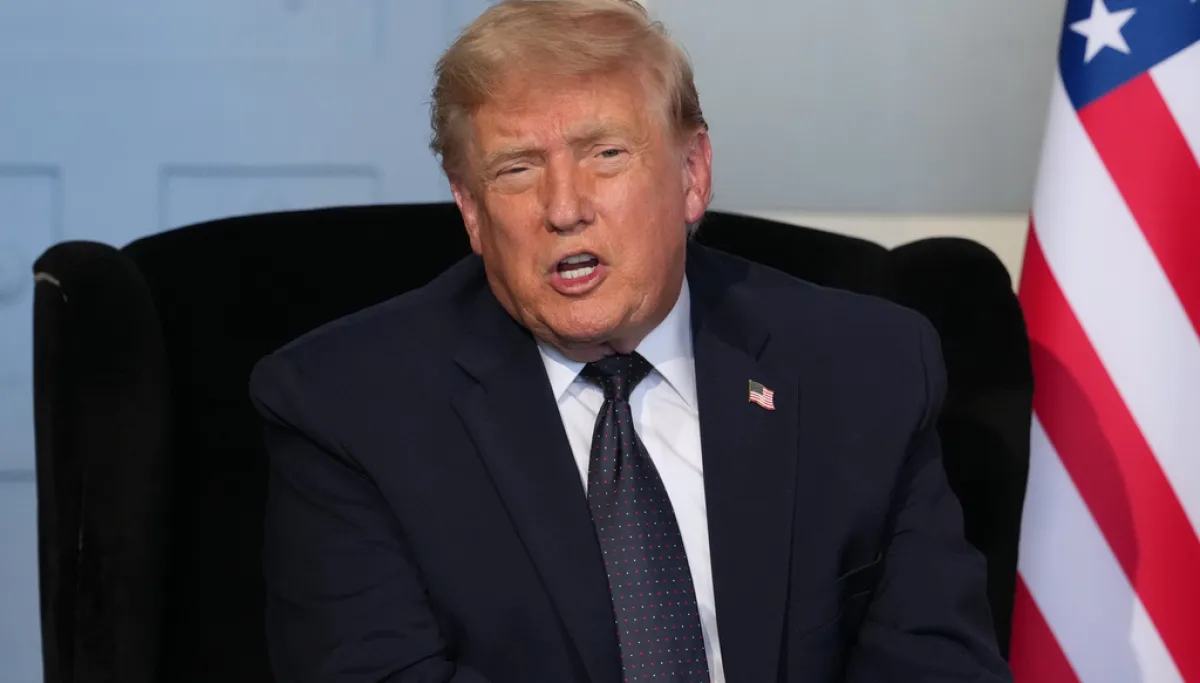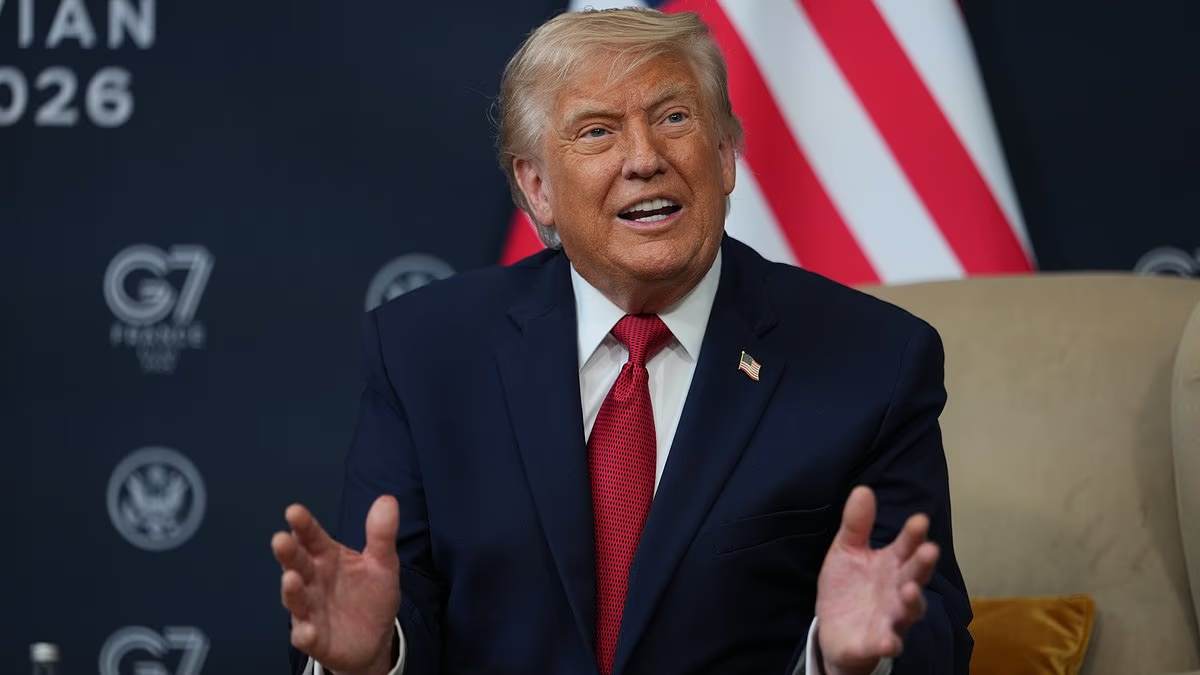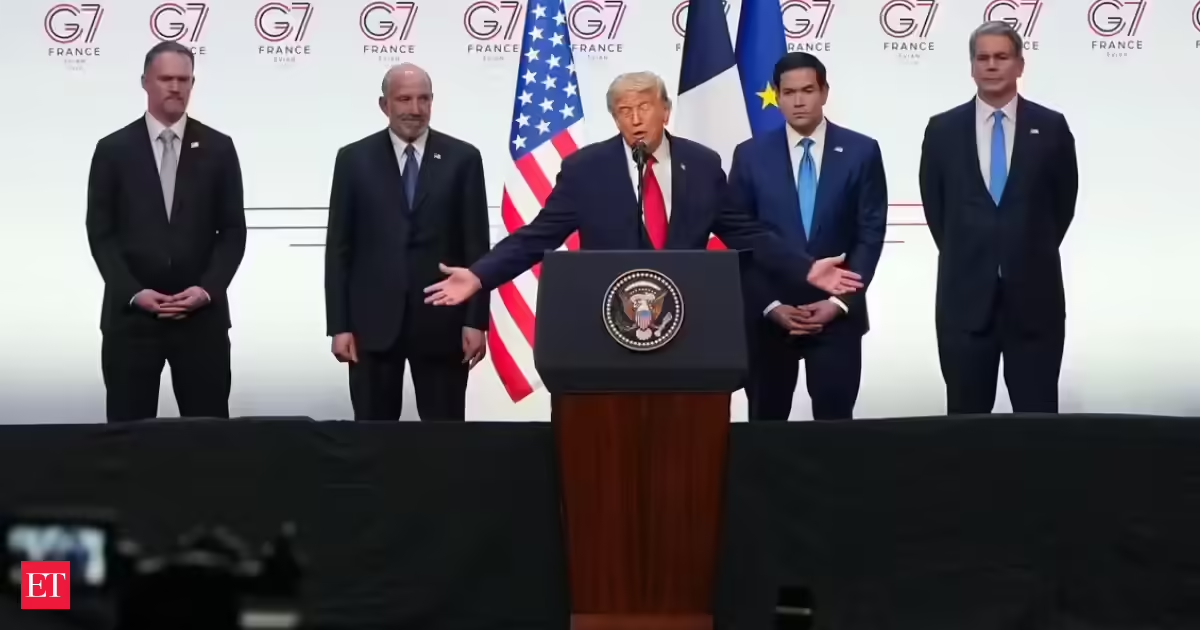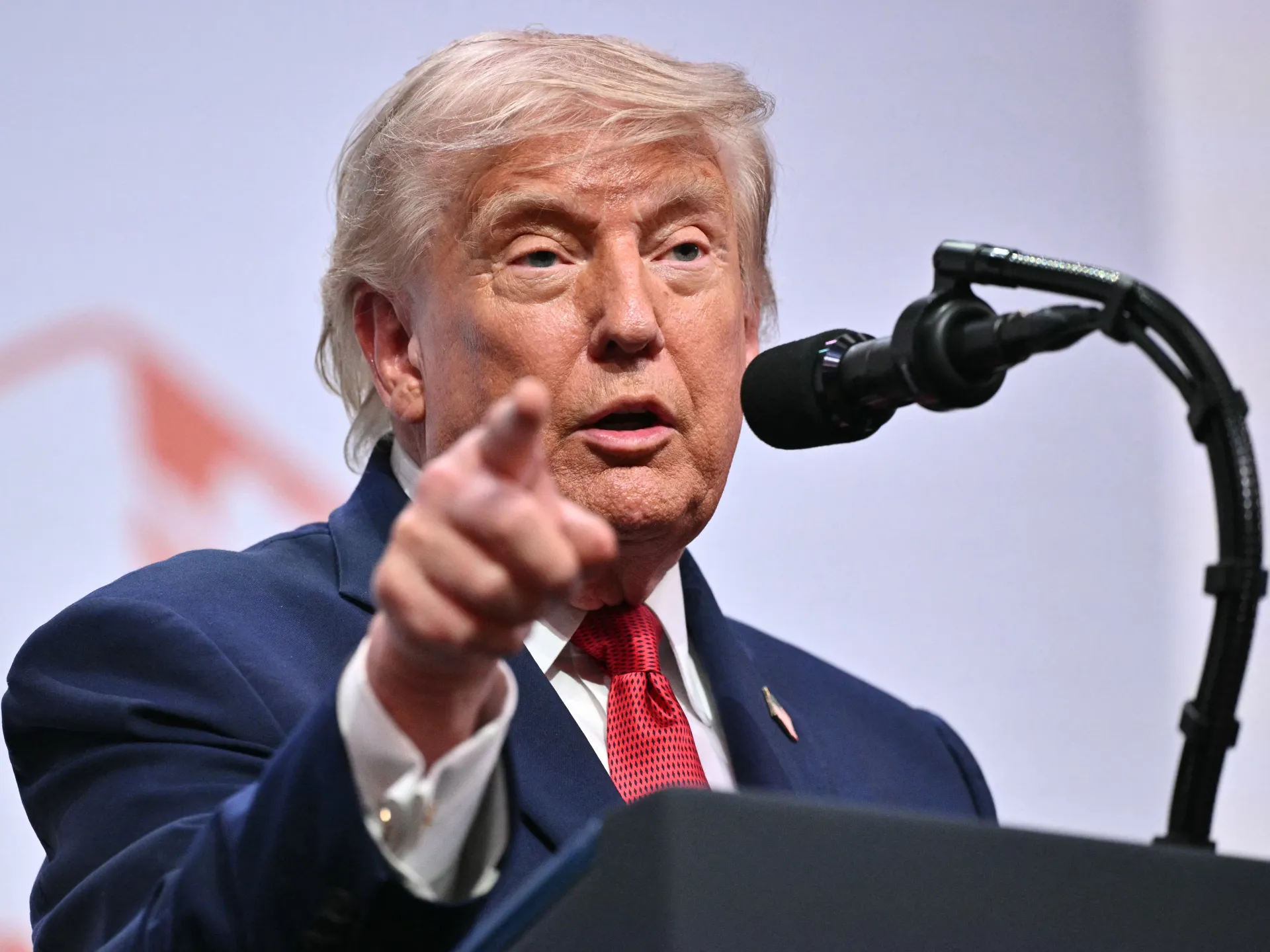
United States President Donald Trump has suggested that the signing of a memorandum of understanding beginning the process of ending the US-Israeli war with Iran could still fall through.Speaking to reporters from the Group of Seven (G7) Summit in Evian, France on Wednesday, Trump was non-committal when asked how confident he was that the signing planned for Friday would proceed. In various statements throughout the day, Trump said Washington would resume bombing if Iran does not “behave”.Recommended Stories list of 3 itemslist 1 of 3Israeli air strikes on Lebanon continue despite US-Iran deallist 2 of 3Trump accuses Obama of ‘bribing’ Iran in 2015 nuclear deal at G7 summitlist 3 of 3Strait of Hormuz reopens: But can ships’ safety be assured?end of list“Deals are amazing. I’ve done them all my life,” Trump said during a news conference with Indian Prime Minister Narendra Modi. “I’ve gone into deals that were 100 percent and they don’t happen. I’ve gone into deals that there was no chance of getting them done, and it happens, and they happen easily.”“So, you never know with deals, do you? But you’re going to find out pretty soon,” Trump said. “I think it will be done”.Shortly after, speaking during a separate speech, Trump suggested the signing could happen sooner than previously announced, “tomorrow [Thursday], maybe the next day”, he said.Trump and his top officials have sent mixed signals about the finality of the MOU, which both the US and Iran have said will end fighting on all fronts, lift the US naval blockade, and reopen the Strait of Hormuz.Both sides have also been in agreement in saying that the initial deal will only serve as a launch point for 60 days of negotiations on more entrenched issues, including the future of Iran’s nuclear programme, its support for proxies in the region, and future administration of the Strait of Hormuz.US officials have maintained that the MOU was already digitally signed on Sunday, suggesting the deal’s terms were not subject to change.While neither side has released those official terms, a senior US official read the 14 points on a call with reporters.The official said that while the MOU was electronically signed on Sunday, both sides were still free to walk away until the final signing on Friday.The US official said beyond reopening the Strait of Hormuz and lifting the US naval blockade on Iranian ports, the US would immediately issue sanctions waivers for Iran’s fossil fuel industry.The MOU includes few commitments related to Iran’s nuclear programme, restating Iran’s long-held position that it will not seek a nuclear weapon while saying that both countries would maintain their current “status quo”, the official said.Negotiations on Iran’s stockpile of enriched uranium and the future of its nuclear programme would take place during the 60-day period, it said.The MOU also notably said the US and its regional partners will develop a “mutually agreed plan with at least USD 300 billion for the reconstruction and economic development of the Islamic Republic of Iran for Iran’s reconstruction”.The full removal of Iranian sanctions and the unfreezing of billions of dollars in Iranian assets would proceed on an unspecified schedule following the signing of the deal.Asked about the $300bn reconstruction plan on Friday, Trump said it would only proceed “if they’re [Iran] doing things right”.Trump also drew a distinction between unfreezing Iran’s assets and giving them money outright.“We have taken a lot of their money, and we have their money … It’s not our money, it’s their money, and we froze it at a certain point in time,” he said.“I guess we’re going to have to give it back, you know. If we didn’t give it back, nobody would ever invest in the dollar again,” he said.‘We’re trying to get it’The secrecy surrounding the deal has been criticised by both sides of the political spectrum in the US.“A month of negotiations with Iran produced a page and half deal that nobody’s allowed to look at,” Senator Mark Kelly, a Democrat, said in a post on X on Wednesday.“As a member of the Armed Services and Intelligence Committees, I need to see the actual text to believe we have a deal, not just a tweet,” he said.Senate Majority Leader John Thune, a Republican, said members of Trump’s party were pressuring the White House to release the official text.“We’re trying to get it,” Thune told reporters on Tuesday.Negar Mortazavi, a senior fellow at the Center for International Policy, pointed to “significant political considerations surrounding release of the text”.“Washington and Tehran have publicly emphasised different aspects of the agreement, while critics on all sides are scrutinising its contents,” Mortavavi told Al Jazeera.“Releasing the document before a formal signing and before key details are finalised could intensify political opposition and complicate the implementation process,” she said.For his part, US Vice President JD Vance, speaking to CBS News on Wednesday, said it was Iran and regional mediators, not Washington, who wanted the slow roll-out.“Yeah, so there are some, frankly, diplomatic protocols that I don’t fully understand,” Vance said when asked about the secrecy.“We’re actually trying to push them to get it out today, because we want to tell the American people what’s in this deal,” he said.Trump says Iranian leadership ‘smart’Trump, meanwhile, used a speech at the G7 on Wednesday to again hail the MOU as a strategic breakthrough, promising that negotiations would eventually yield a nuclear agreement with Iran that surpassed the 2015 Joint Comprehensive Plan of Action (JCPOA) reached under the administration of former President Barack Obama.That agreement saw Tehran limit its nuclear programme and agree to unprecedented international inspections in exchange for sanctions relief. Trump unilaterally withdrew from the deal in 2015.Trump further claimed that the US-Israeli war had indeed resulted in “regime change” in Iran, despite a consensus from experts that not only has the country’s government remained in place, but several of its new leaders have become more entrenched in their hardline approach.Trump described the new group of leaders as “very smart”.“I think they’re far less radicalised, and … I think they’re really good,” he said.Turning to Israel, Trump again criticised Israeli Prime Minister Benjamin Netanyahu’s military approach in Lebanon, where the Israeli military has continued attacks that threaten to derail the nascent US-Iran agreement.Still, he hailed the ongoing partnership between the two countries.He added Washington has sent a “copy” of the MOU to Israel.
Trump: World will ‘find out pretty soon’ if Iran MOU signing will happen
Trump suggests deal signing on Friday could still fall through, vows to bomb Iran if they don't 'behave'.
1,056 words~5 min read