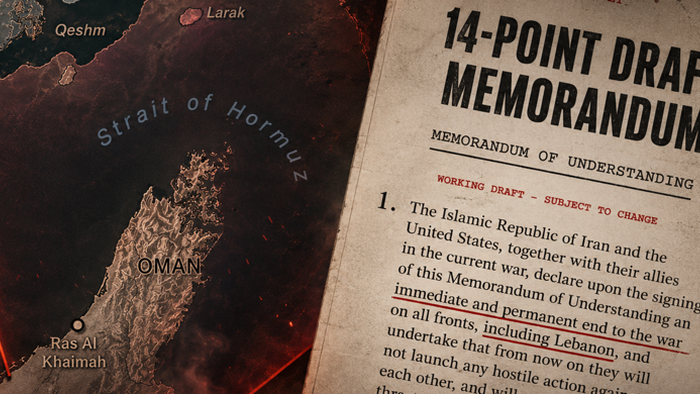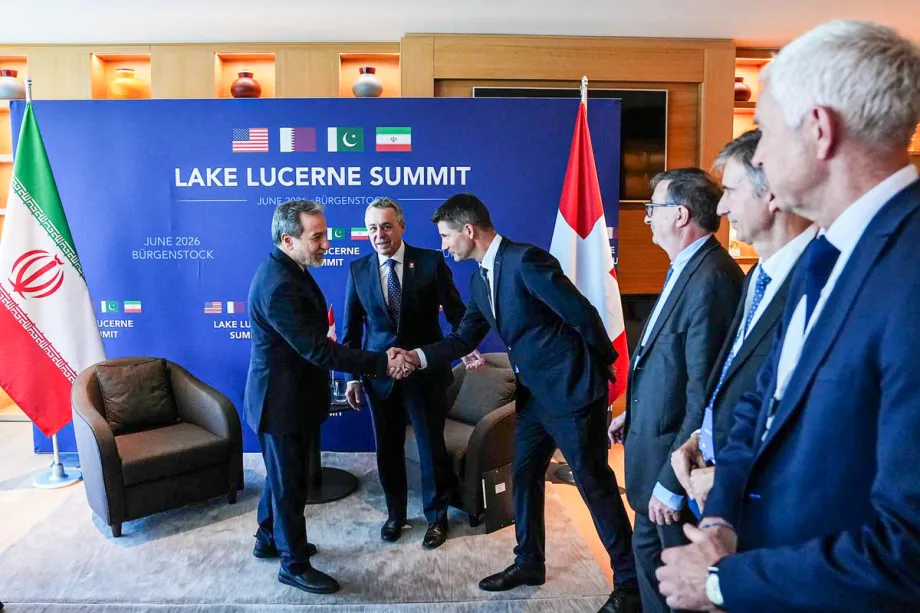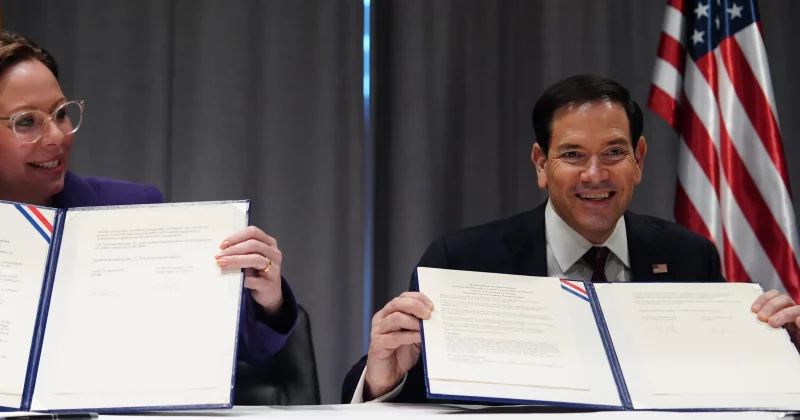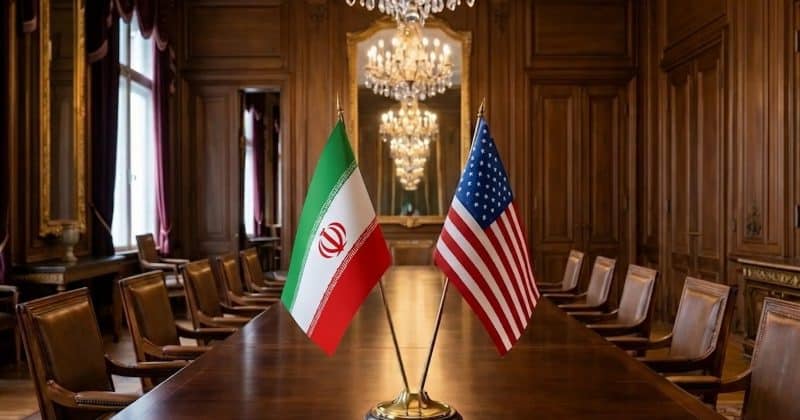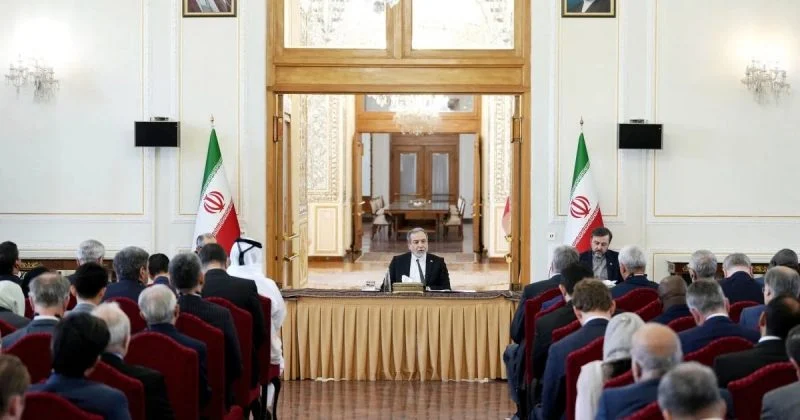
Iran and the United States are preparing for a pivotal face-to-face meeting in Switzerland to formally sign a 14-point memorandum of understanding that could reshape geopolitical dynamics across energy, sanctions, and digital asset markets.
The MoU, which was drafted around June 15, has already received electronic signatures from President Donald Trump, Vice President JD Vance, and Iranian Foreign Minister Abbas Araghchi.
What the memorandum covers
The 14-point framework includes an immediate end to hostilities, the reopening of the Strait of Hormuz, a pathway toward easing sanctions, and a structured approach to addressing Iran’s nuclear ambitions. The broad strokes are agreed upon, but the real negotiation happens during the 60-day window of technical discussions that the MoU establishes.
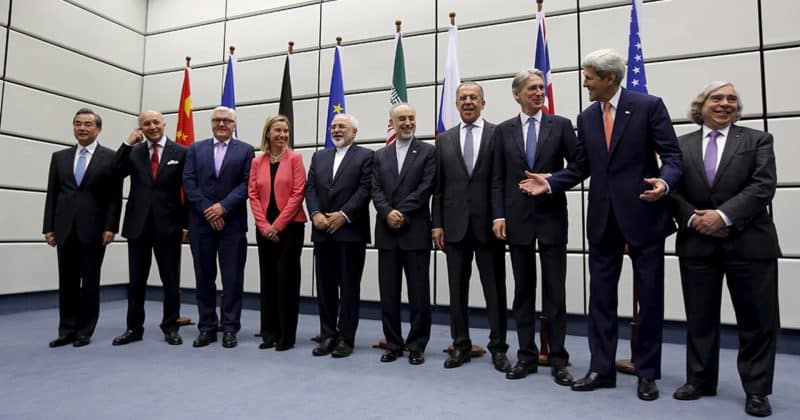
Pakistan and Qatar are serving as mediators, adding layers of regional stakeholder involvement that echo, but also diverge from, past diplomatic frameworks like the 2015 JCPOA. Where that agreement focused narrowly on nuclear enrichment limits, this MoU casts a wider net, covering energy routes, conflict de-escalation, and financial restrictions simultaneously.