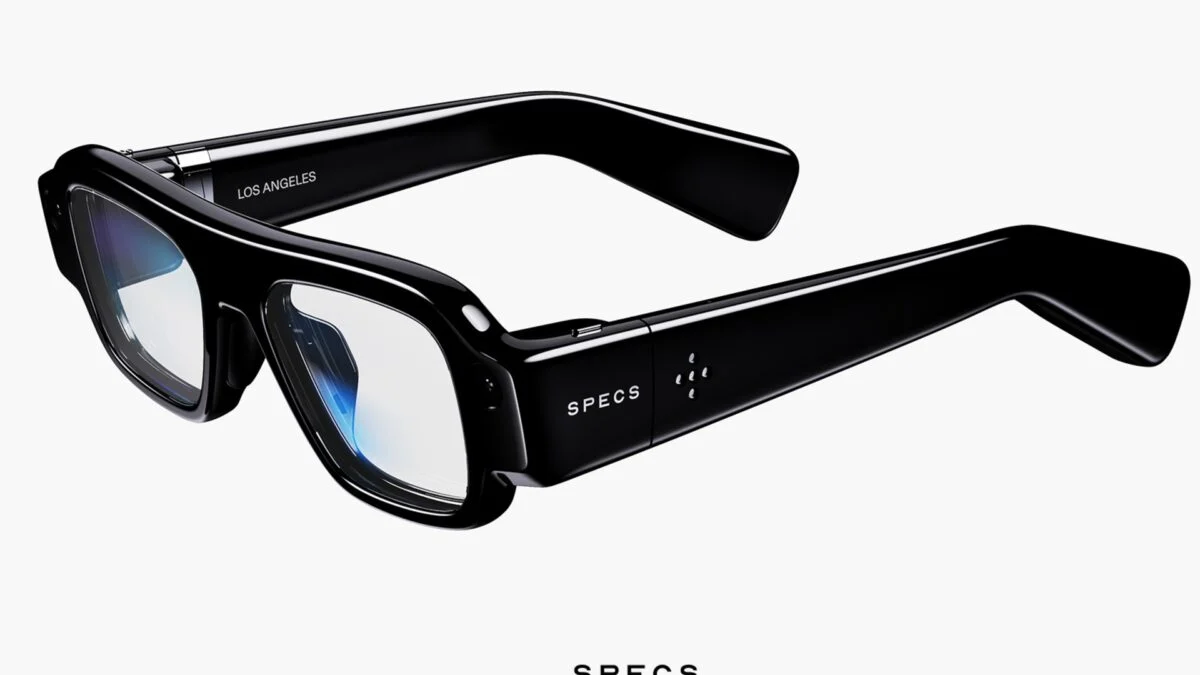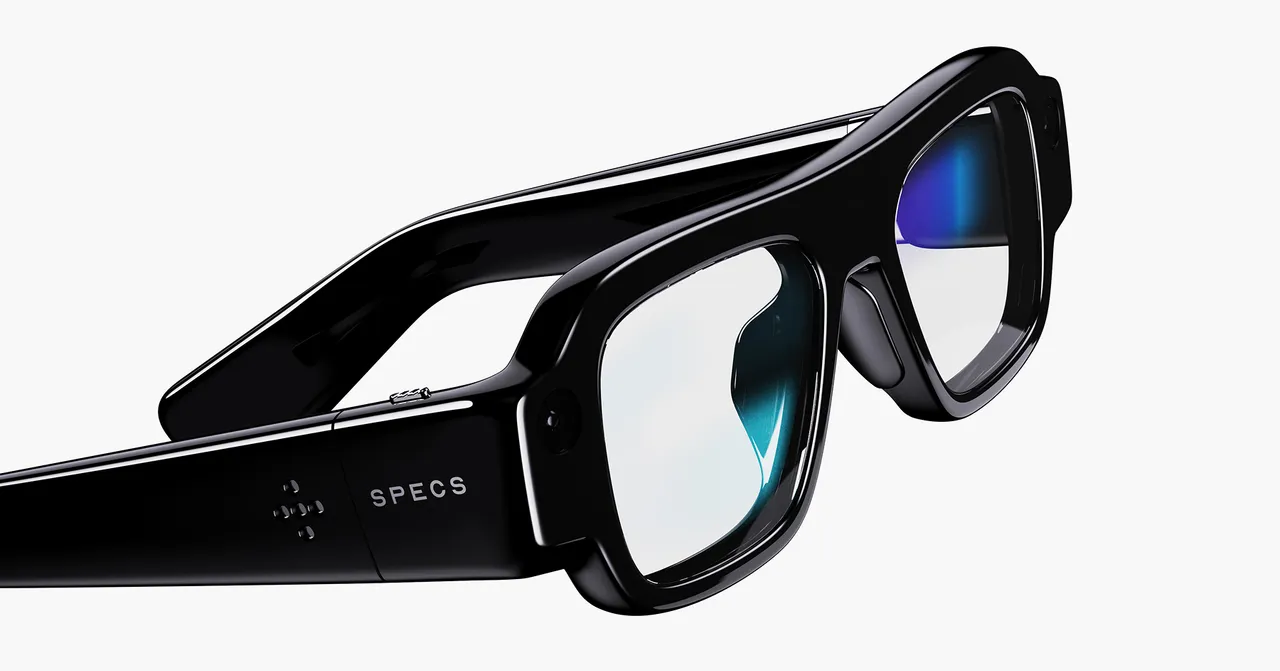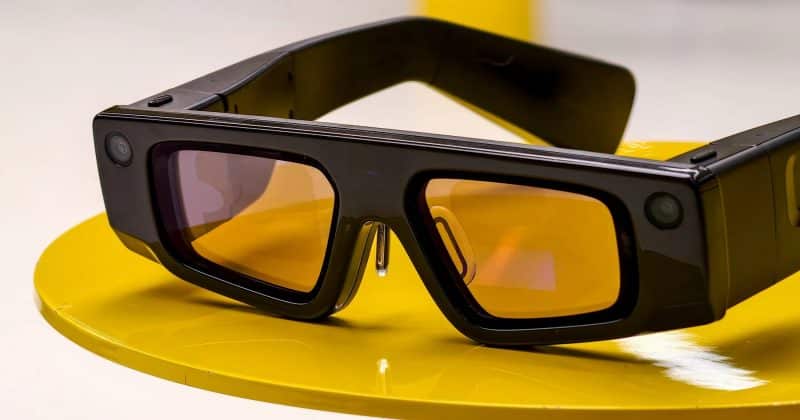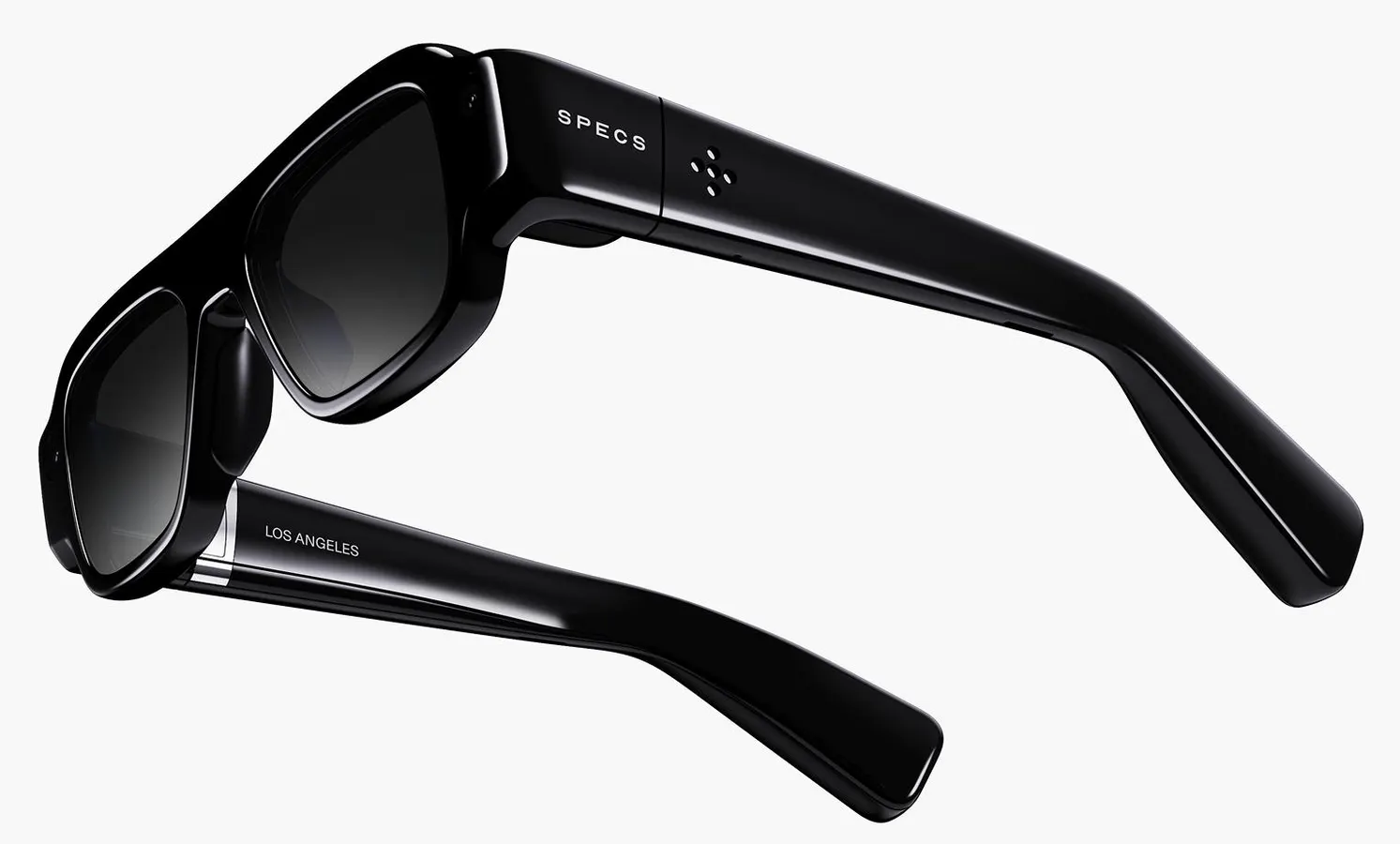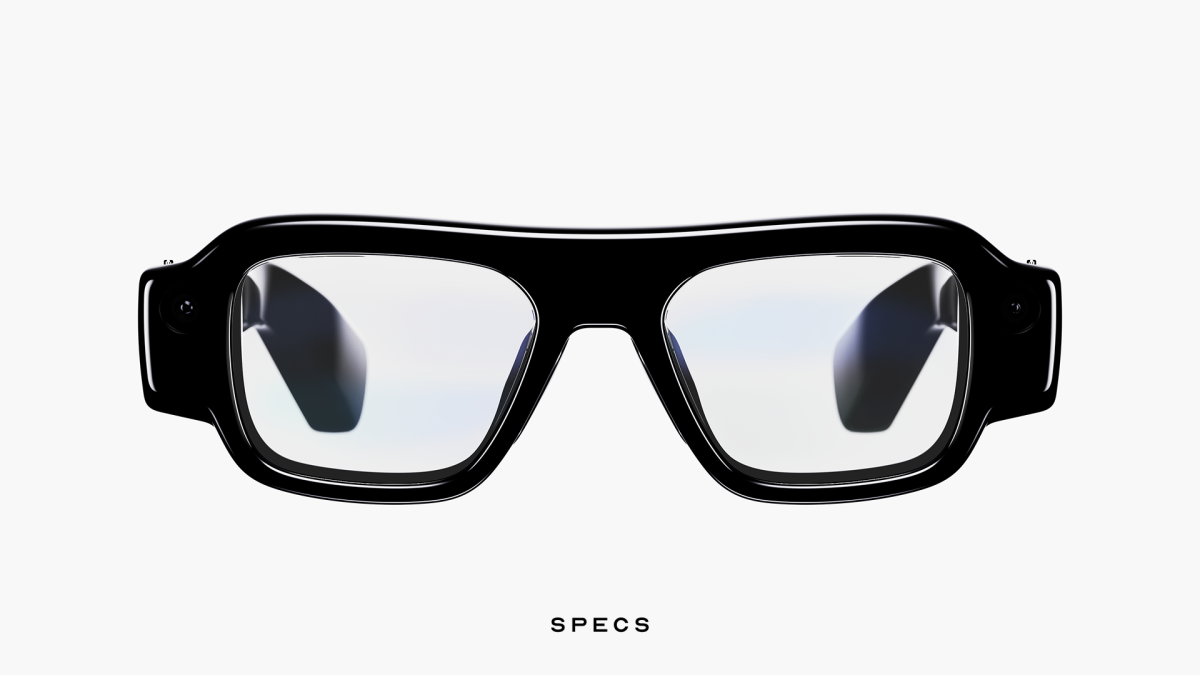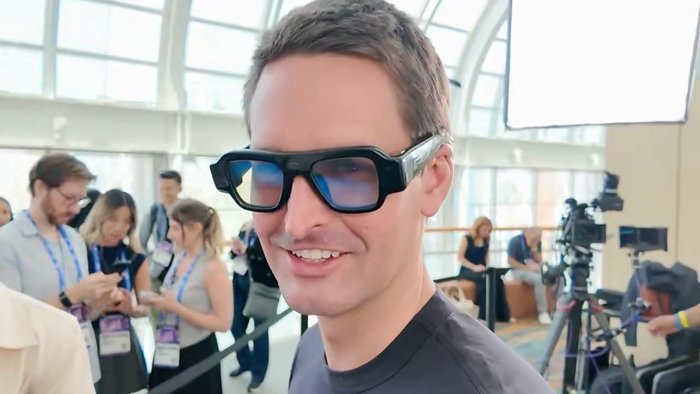
Snap's new $2,195 augmented-reality glasses are being viewed by Wall Street analysts less as a mass-market consumer device and more as a developer kit, given the expensive price point.We suspect Snap's new AR glasses are unlikely to compete with the Meta glasses in terms of mass adoption, as Meta's are half the cost, if not cheaper.Evan Spiegel showing off the new Specs AR glasses to the public for the first time. pic.twitter.com/pCYBLU9xxH
— Nathie @ AWE (@NathieVR) June 16, 2026"Earlier today, Evan Spiegel hosted a keynote presentation regarding the Fall '26 SPECS product release; while not entirely unsurprising, premium price point ($2,195) implies product built for 'early adopters', disappointing after a 10yr dev cycle," Wells Fargo tech analyst Alec Brondolo wrote in a note.Brondolo's first take on the new AR glasses:SNAP announces a $2,195 price point for SPECS; to feature 51-degree field of view and four-hour battery life. While Specs price point compares favorably to HoloLens 2 & Vision Pro (both $3,500), it still positions the product with an 'early tech adopter' value prop, disappointing given the length of the dev cycle. Product compares favorably to META Orion prototype from our perspective; field of view smaller (Orion 70 degrees) but unlike META Orion, SPECS doesn't require a 'puck' compute device.Value proposition to focus on real-world utility; application layer to be driven by a third-party developer ecosystem. While several use cases were demo'd, we believe SPECS value prop to focus heavily on real-world utility (cooking, auto repair, training for sports, etc.). Snap envisions a robust third-party developer ecosystem, supported by agentic coding, will build experiences on Snap OS. Snap did not make SPECS available for product demos on the floor of the Augmented World Expo conference.Not anticipating SPECS to materialize as a meaningful near-term financial driver. We believe 100k units is a 'stretch goal' for the first generation of SPECS, implying $220M of revenue. Assuming 3yrs b/w generations, that further implies $75M of revs / year, or 1% accretion vs. SNAP 2026 consensus revenue; user base likely too small to monetize meaningfully in ads or subscriptions over the near term. While NT revenue pot'l limited, we do believe SPECS will be gross margin positiveIn a separate note, Citizens analyst Andrew Boone said Snap's new glasses told clients, "Appears bulky and more akin to Apple's Vision Pro glasses than Meta's Meta Ray-Ban Display from a fashion perspective."Boone described the new glasses as "more of a developer kit than a consumer product, as it is priced at $2,195."B. Riley Securities analyst Naved Khan said, "While initial adoption is likely to be limited by the relatively high unit price ($2,195), we expect management will use the launch to further improve the product, with successive models becoming more affordable."Bloomberg Intelligence analyst Mandeep Singh noted, "Snap's further expansion into hardware with new AR glasses priced at around $2,195 is unlikely to match adoption of Meta's Ray-Ban AR glasses," adding, "The latter's lower price point and proprietary large language model give it an advantage for deploying image generation and voice integration features, while Snap is likely to struggle to create an app ecosystem and agentic functionality."Snap's release of its new AR glasses comes as Apple pushes deeper into smart glasses following the Vision Pro's failed launch. We have remained adamant that Meta is winning this race, with Ray-Ban smart glasses emerging as the clearest early consumer winner because of their price point. We have also explored the supply chain behind Meta's Ray-Ban glasses, which readers can revisit here.