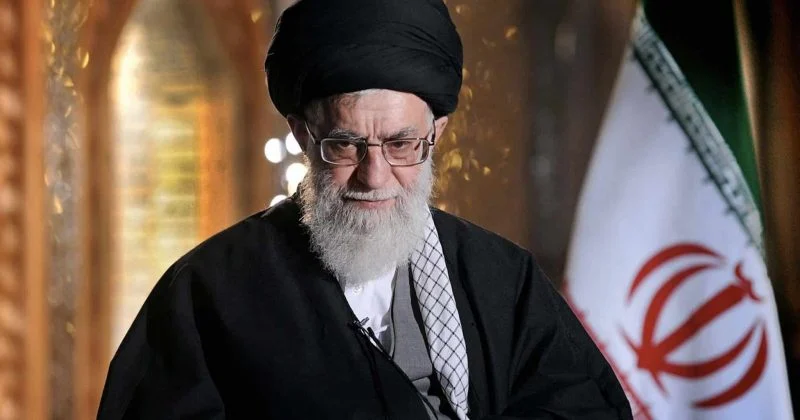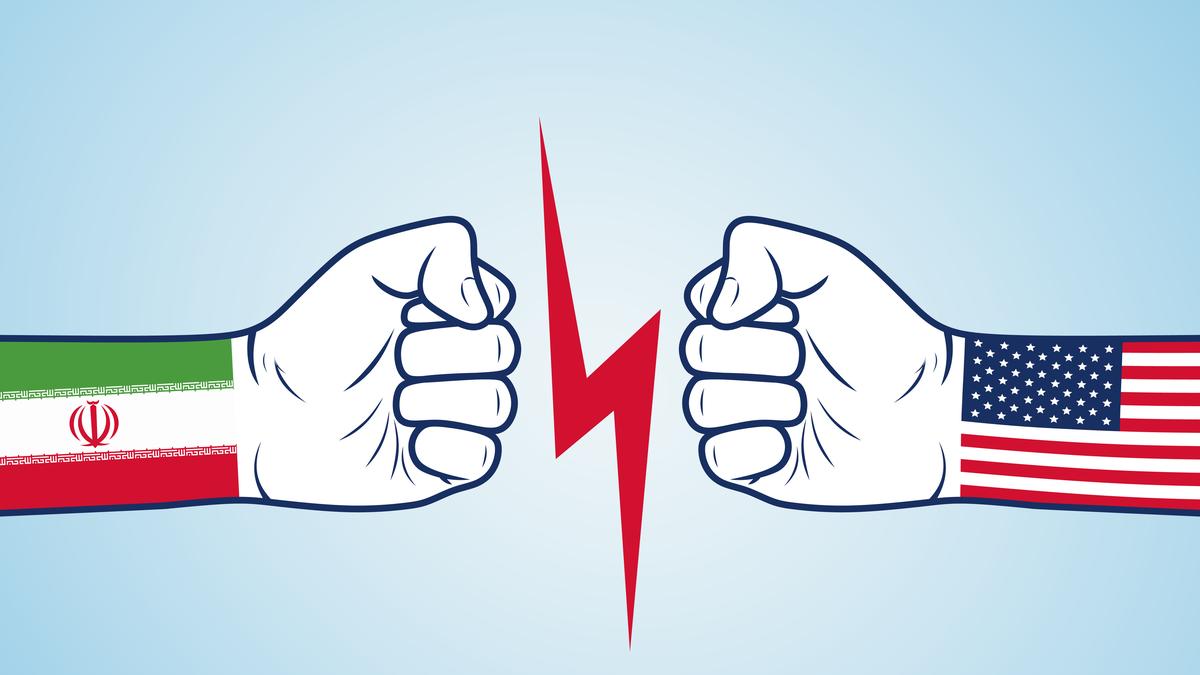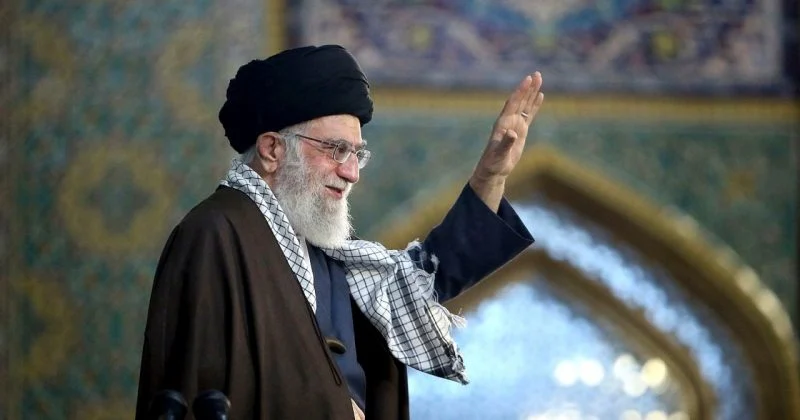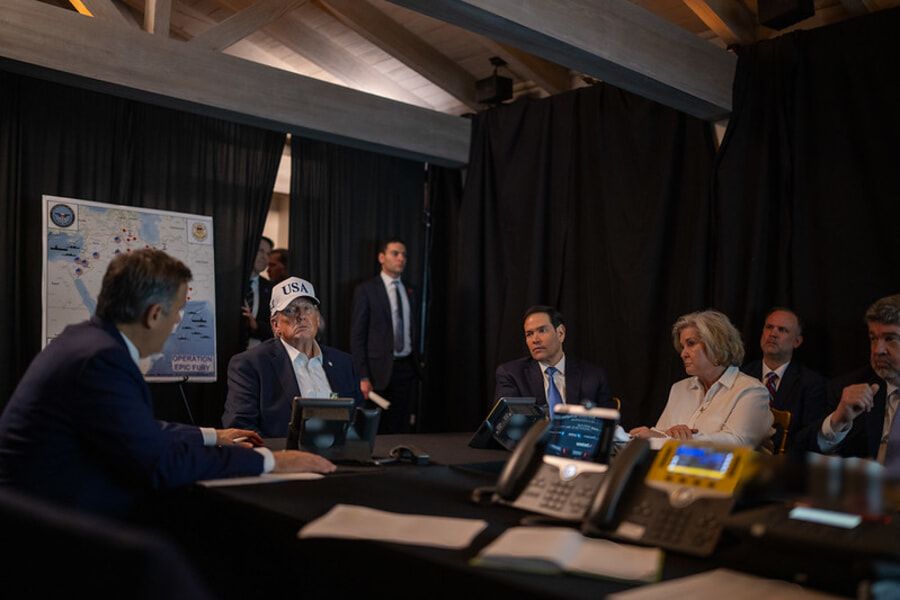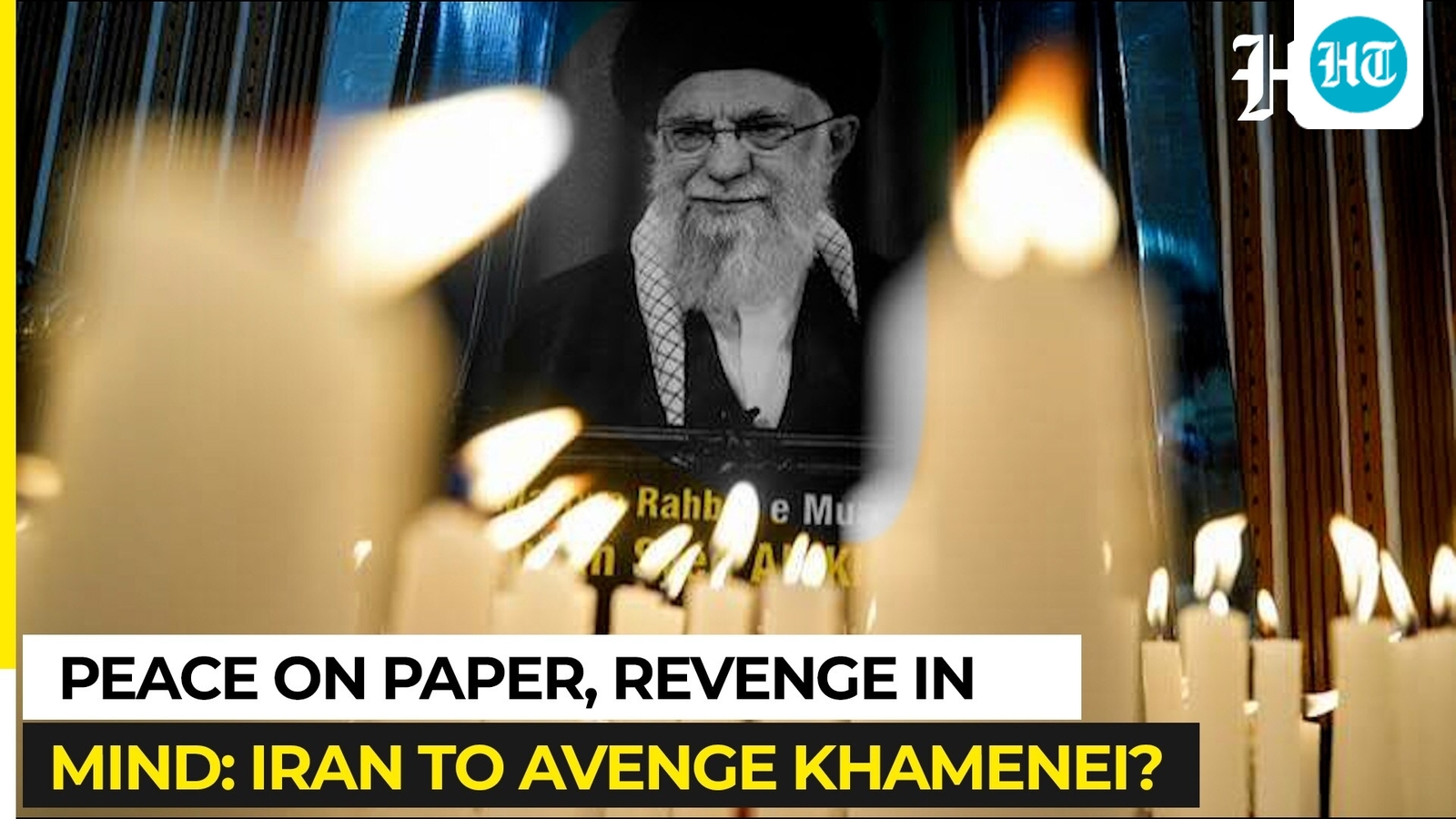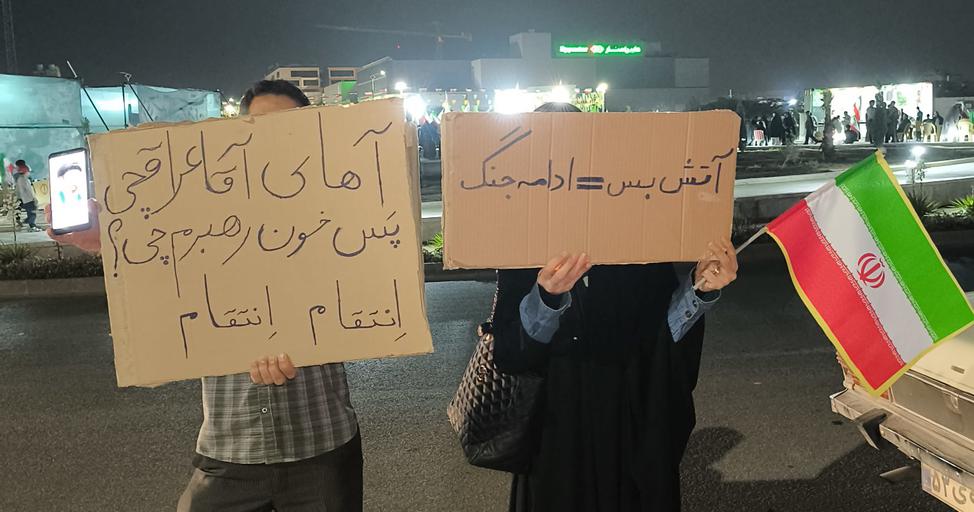
The American and Israeli attack on Iran on February 28 began with the assassination of the Supreme Leader of the Islamic Republic. In its aftermath, legions of regime loyalists repeatedly spoke of the absolute necessity of avenging his death, asserting, “We will never let the United States off the hook.” Yet, amid these hardline stances and demands, it was abruptly announced on June 14 that Iran and the United States had reached an understanding to end the war. This stands in stark contrast to the Islamic Revolutionary Guard Corps’ (IRGC) very first reaction to the Leader’s death, which declared: “The avenging hand of the Iranian nation will not release its grip until it delivers a harsh, decisive, and regret-inducing punishment to the killers of the Imam of the Ummah.”
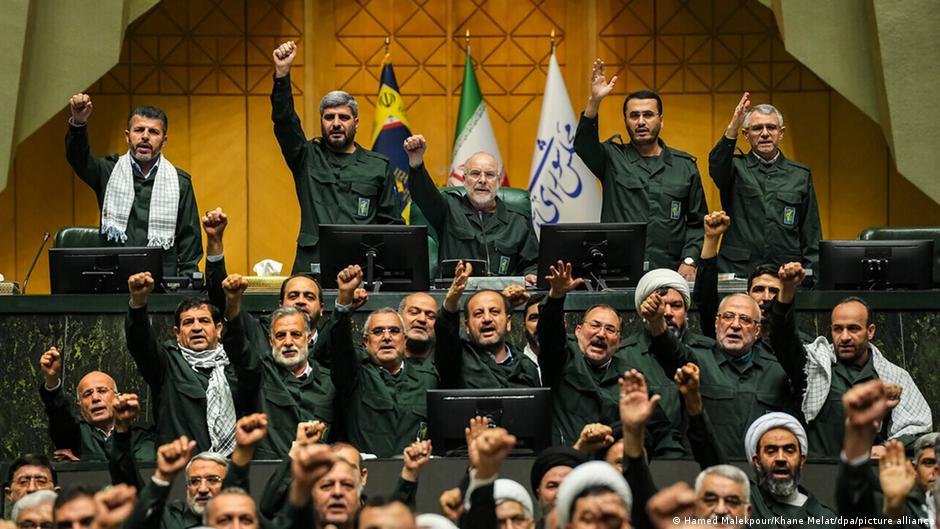
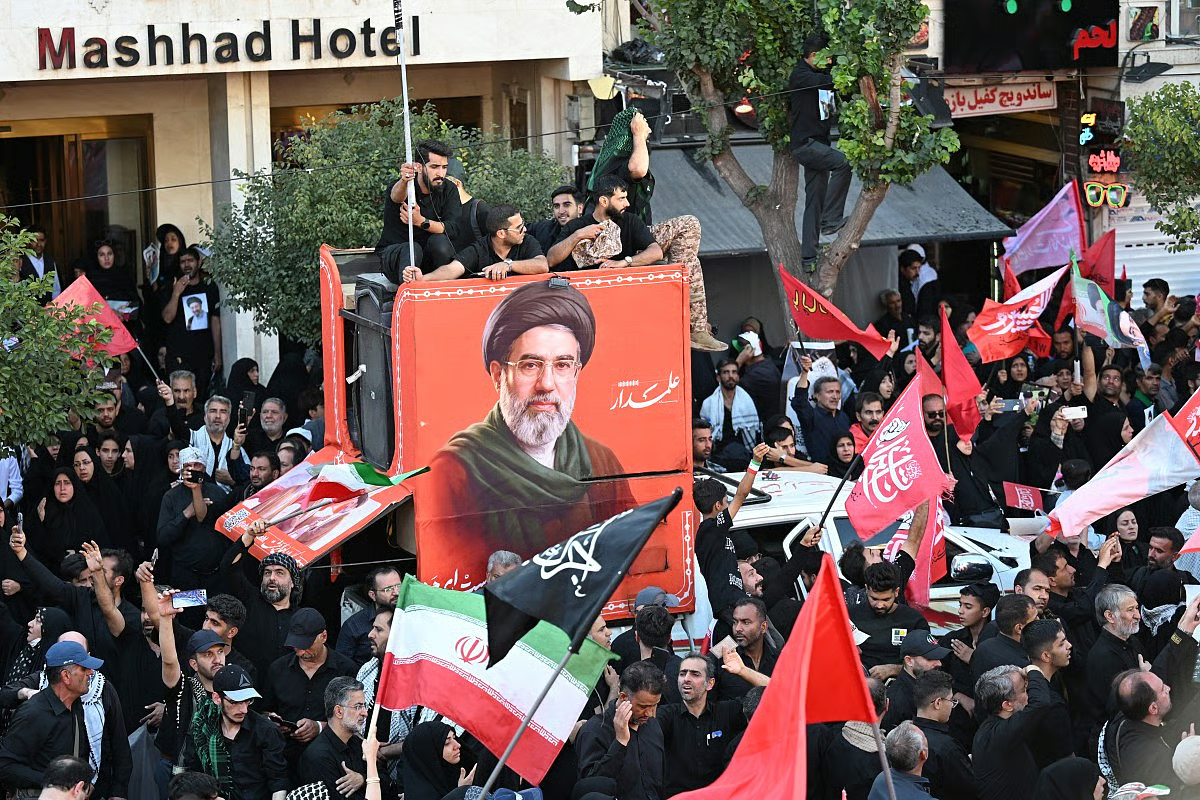
Less than two weeks before the signing of the memorandum of understanding, a group of parliamentarians penned a letter to Mojtaba Khamenei, the newly appointed Supreme Leader, emphasizing that avenging the blood of the “martyred Imam” and the casualties of the “Ramadan War” is a “religious, national, and political duty.” They urged him to order an increase in “missile ranges” so they could “reach the very offices of the killers.” Today, however, not only have those demands been sidelined, but the Speaker of Parliament, acting as the head of the negotiating team, is slated to shake hands with American officials in Geneva to sign a joint text. Meanwhile, factions have taken to the streets to protest what they view as the abandonment of revenge for the martyred Leader’s blood.