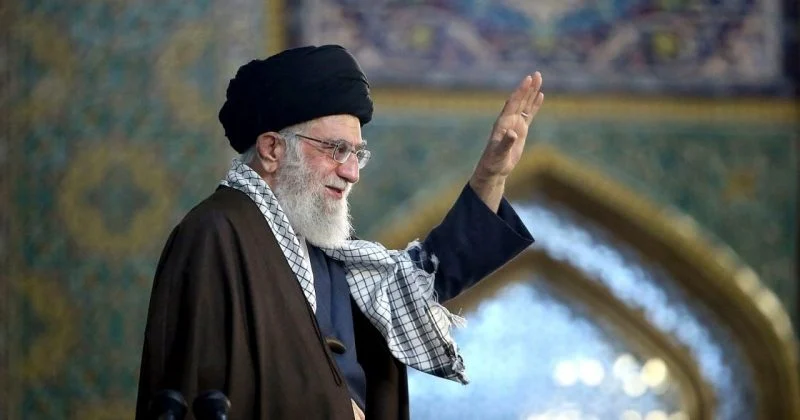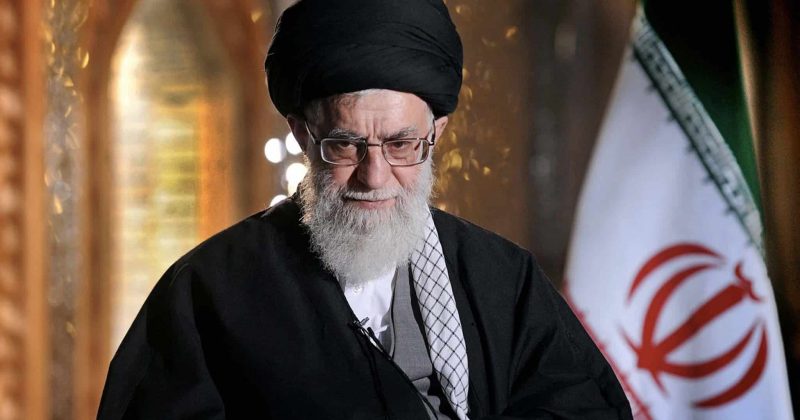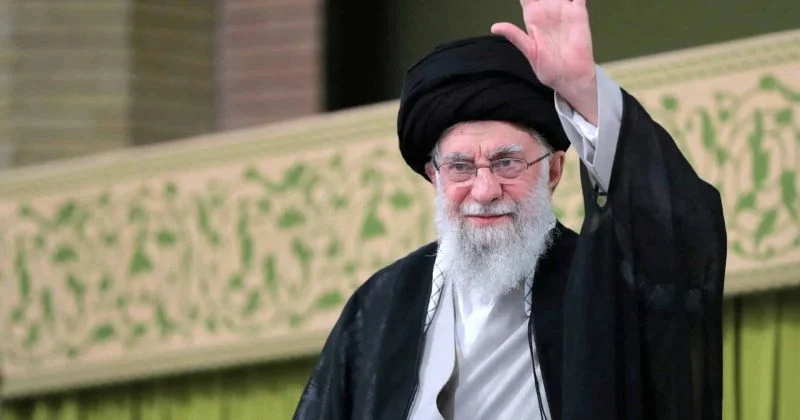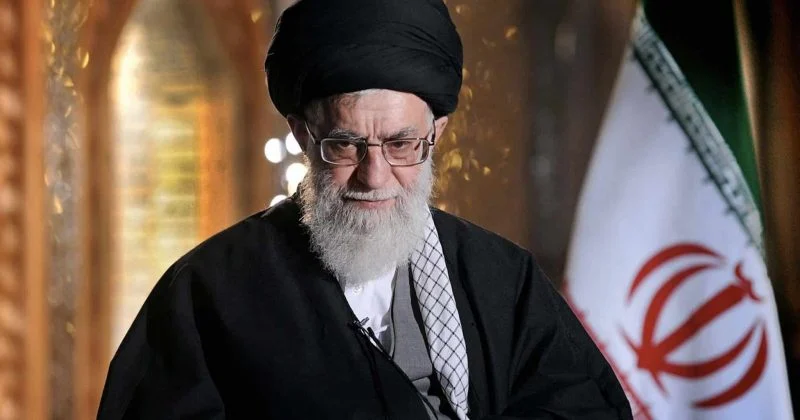
Iran’s political landscape faces heightened tensions as a member of its parliament’s national security and foreign policy committee declared that Tehran would seek revenge against the United States for the assassination of Supreme Leader Ali Khamenei. This declaration follows the February 28, 2026, airstrike in Tehran, which marked the beginning of a joint U.S.-Israeli military operation targeting Iranian leadership. The incident has intensified the atmosphere of uncertainty regarding Iran’s leadership and future geopolitical stability.
The assassination has had a notable impact on prediction markets, particularly those focusing on Iran’s leadership status by the end of 2026. The likelihood of significant leadership changes or instability appears to have increased, as suggested by market reactions. Additionally, the potential for Reza Pahlavi, the exiled Crown Prince, entering Iran has seen increased market activity, reflecting the perceived potential for regime destabilization.
The current market dynamics suggest that participants are closely monitoring the unfolding situation in Iran. Market pricing indicates a heightened perception of volatility in Iran’s leadership structure, as well as increased speculation about potential shifts in power.