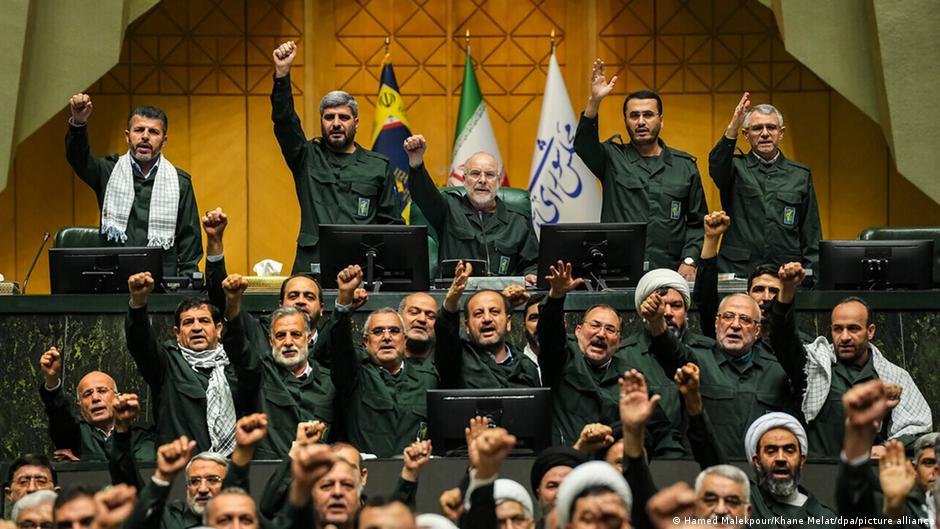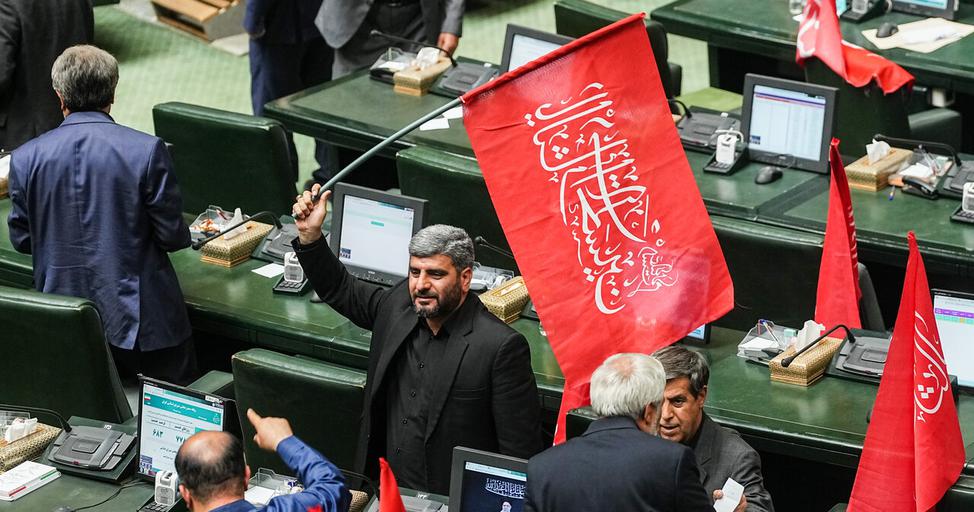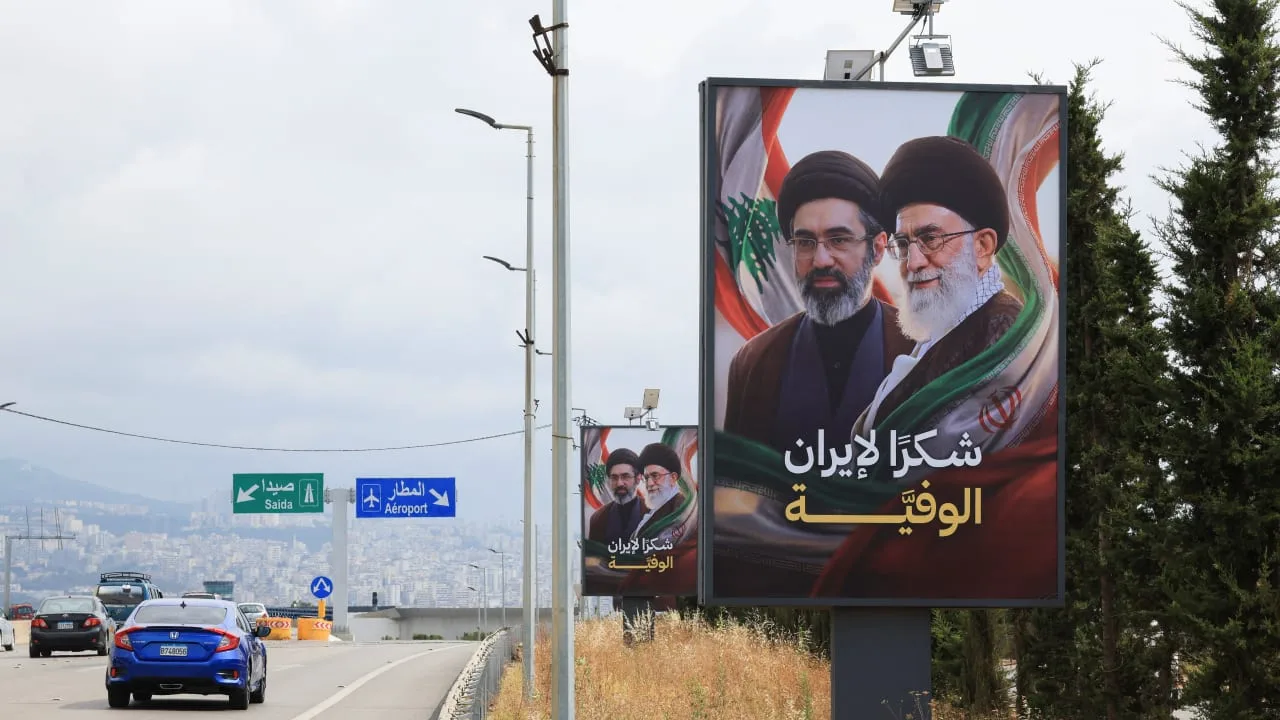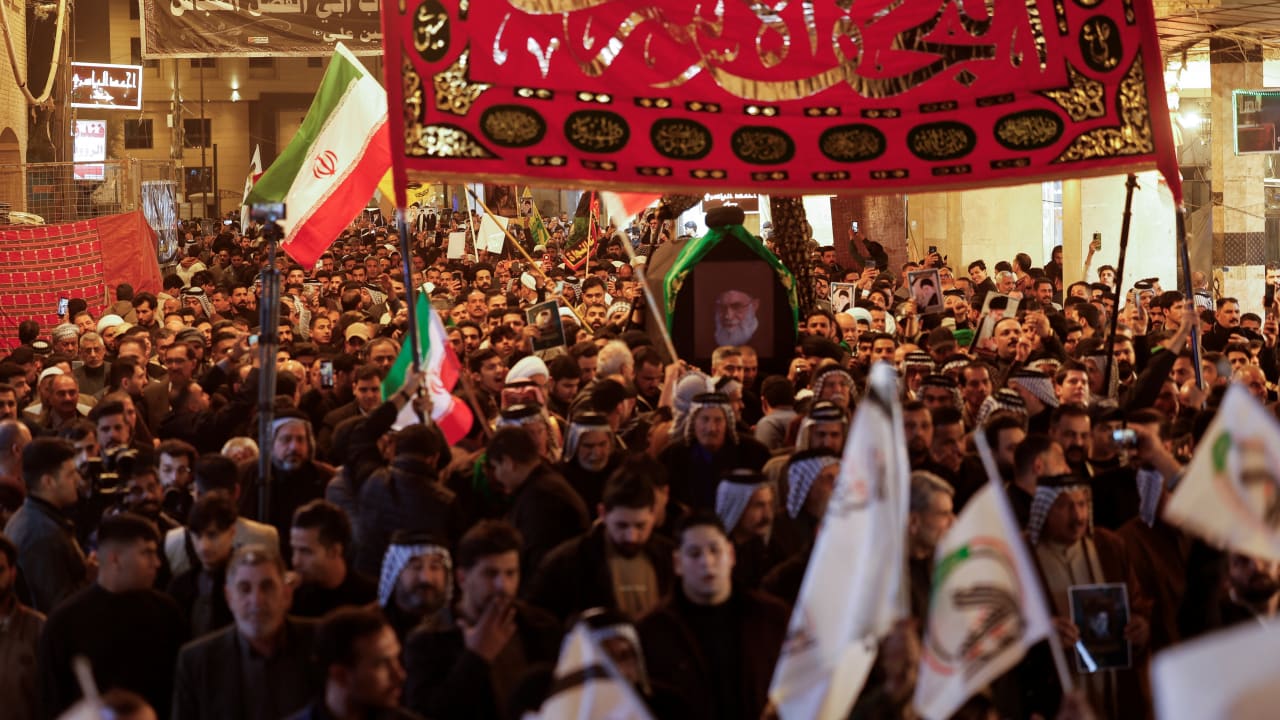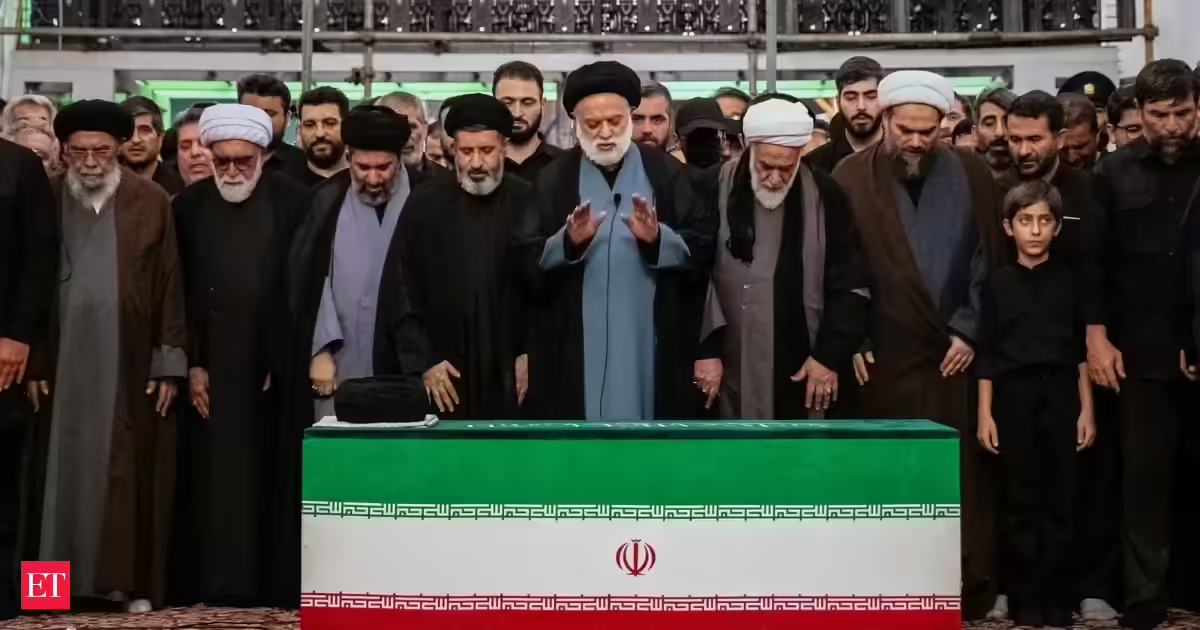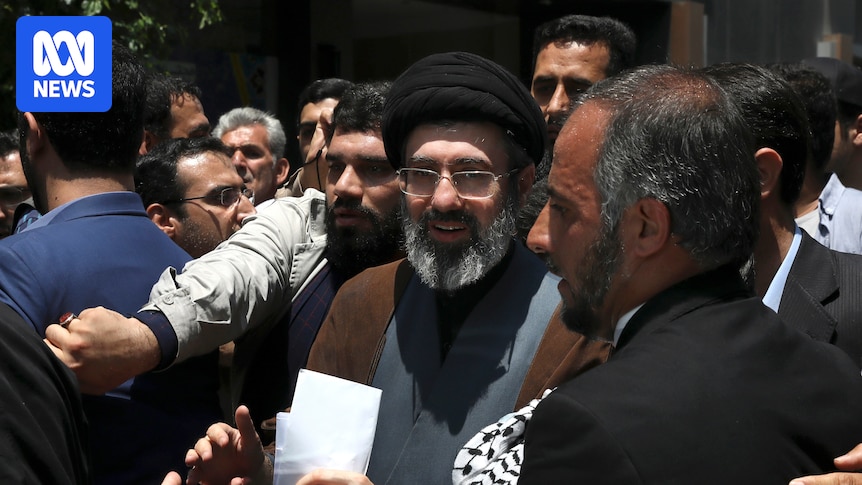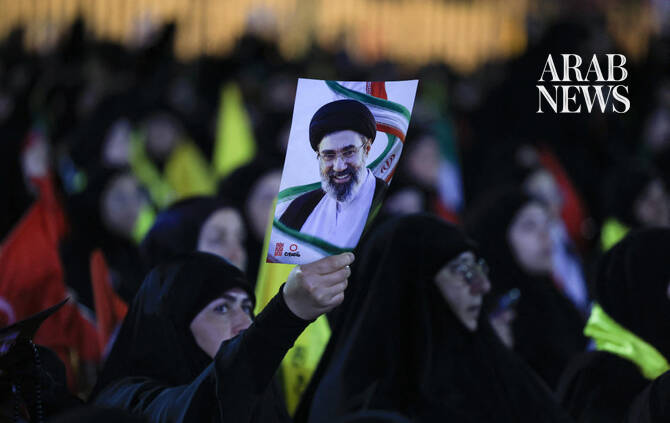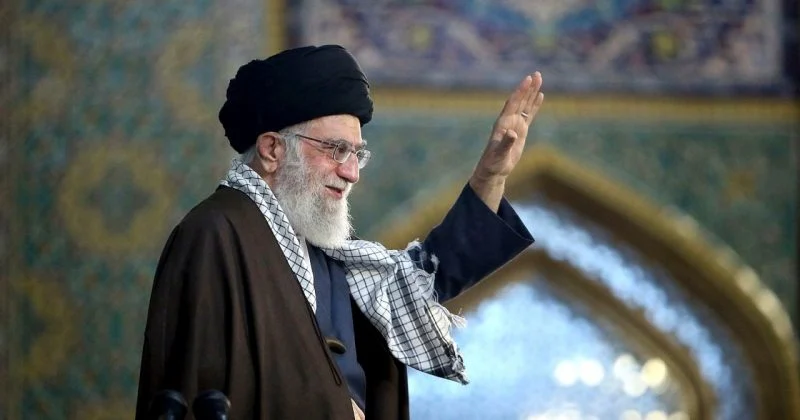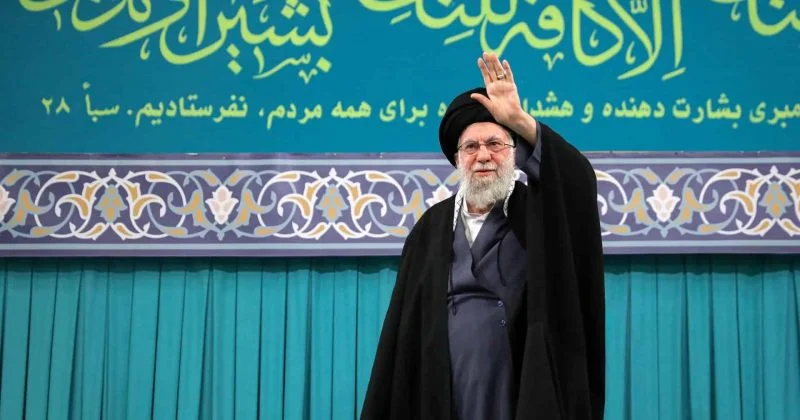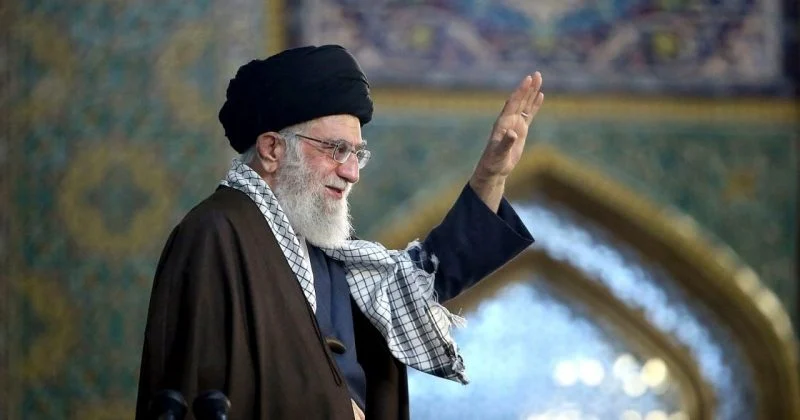
In a significant development, 180 out of 290 Iranian lawmakers have signed a joint statement demanding “blood revenge” for the assassination of Ayatollah Ali Khamenei. This marks their first in-person session since the outbreak of war with Israel and the United States earlier this year. The statement also criticized ongoing negotiations with Washington, asserting that talks are ineffective. Although the Iranian parliament does not wield ultimate power, which resides with the state leadership and the Revolutionary Guard, the statement suggests substantial political sentiment amid ongoing conflict.
Key Takeaways
The lawmakers’ demand for revenge suggests heightened political instability in Iran, which could indicate an increased likelihood of leadership changes.
The call for retaliation and criticism of U.S. negotiations appears consistent with scenarios where Iran’s political climate remains volatile through the end of 2026.
Market pricing indicates a rise in perceived risks of regime instability, with the potential for significant shifts in Iran’s leadership structure.