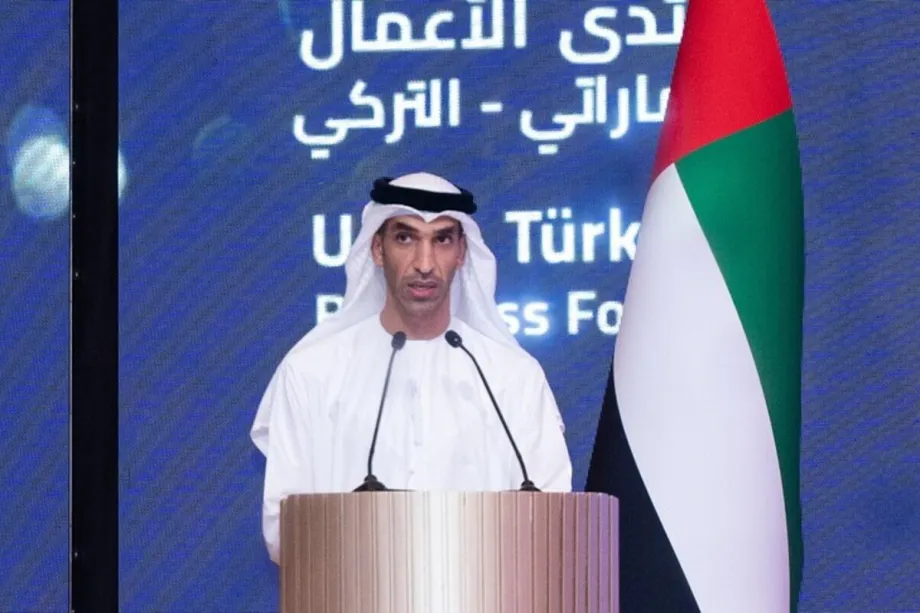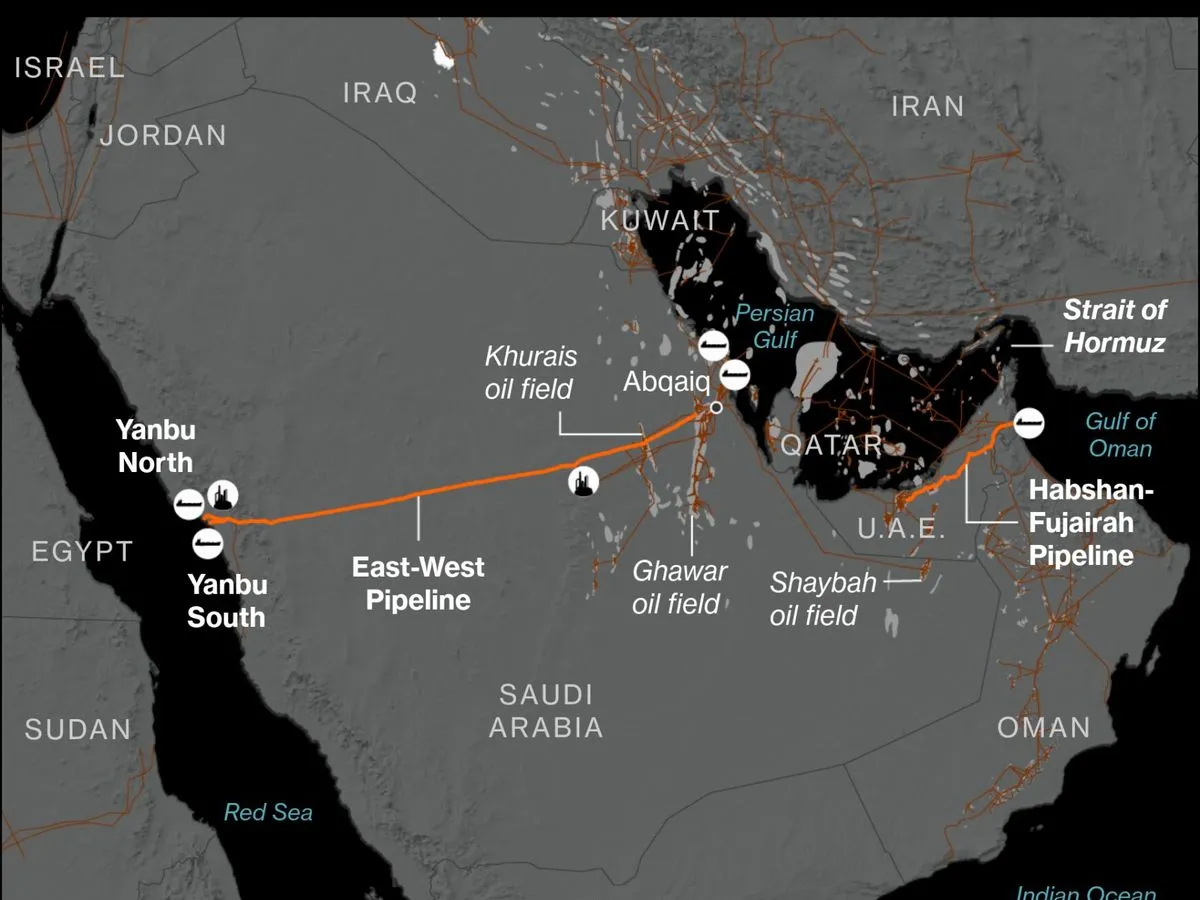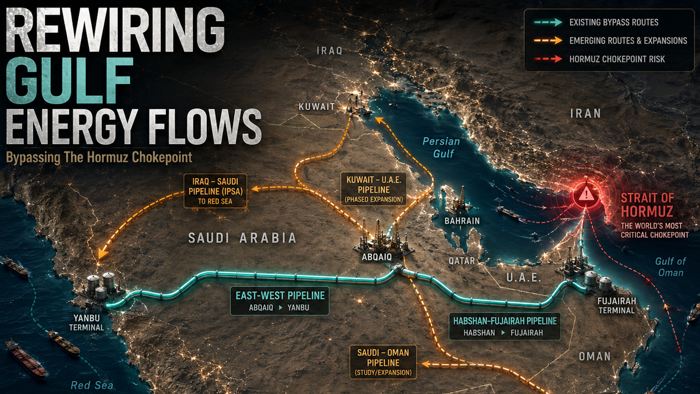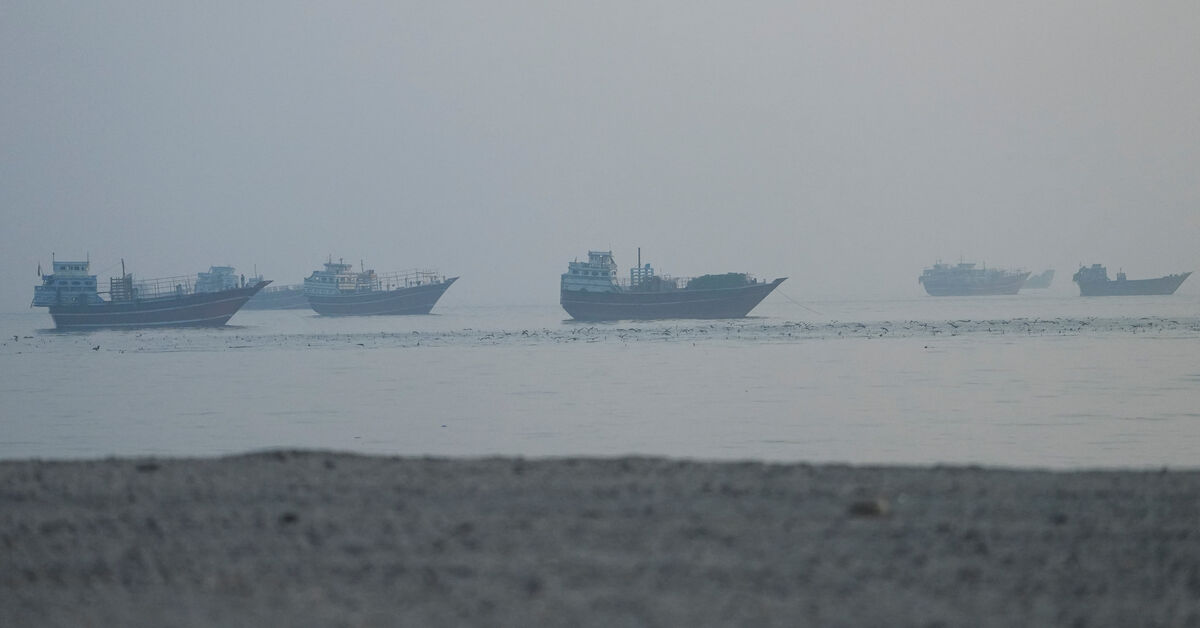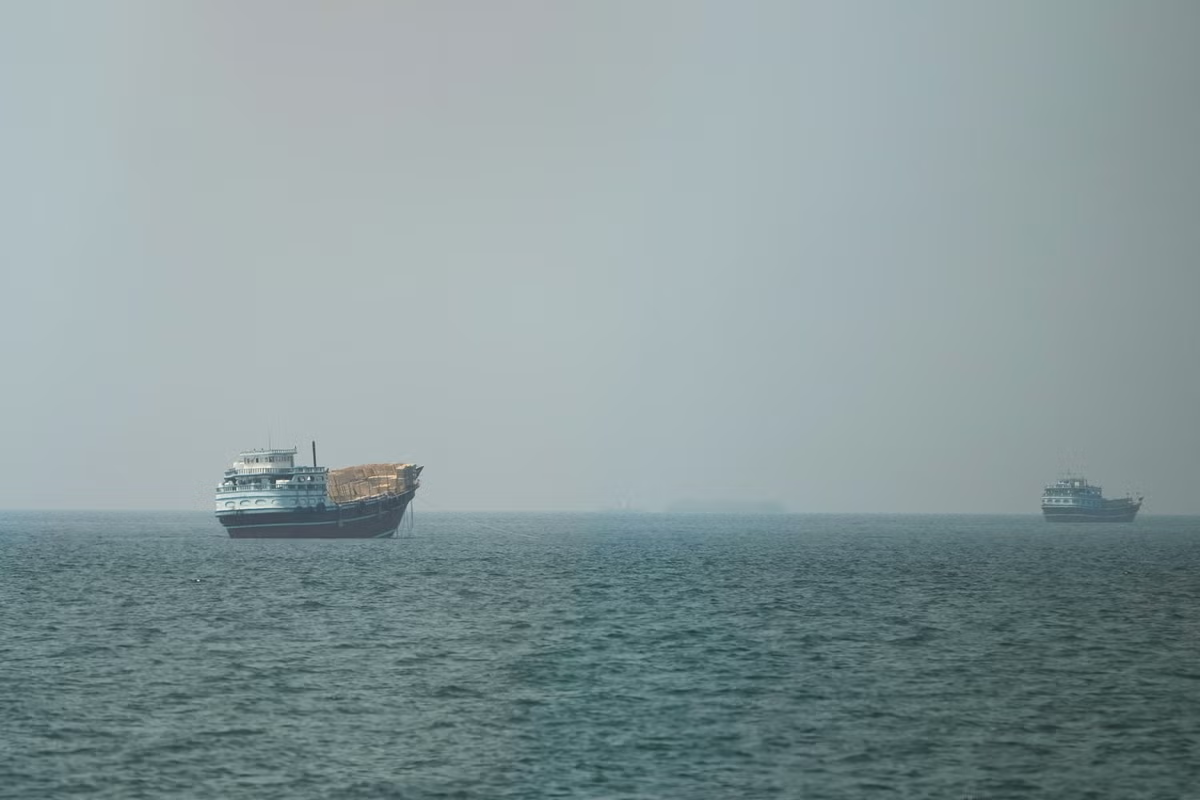
The United Arab Emirates said it was aiming to reduce its reliance on the Strait of Hormuz to “zero” after the war with Iran laid bare the vulnerabilities of the key waterway.After the launch of Operation Epic Fury, Iran immediately moved to close the Strait of Hormuz, attacking shipping with drones and missiles, which caused shipping companies to halt nearly all transit through the waterway. Efforts over the next three and a half months failed to reopen the strait, triggering a global energy crisis and major economic damage to the UAE and the other Gulf states. The UAE announced plans to expand overland routes for oil and natural gas to bypass the strait during the war, but on Wednesday, UAE Minister of Foreign Trade Thani Al Zeyoudi told Bloomberg that it was moving to expand these routes to completely eliminate its reliance on the strait.“We’re moving toward having zero Hormuz dependency and that’s regardless of whether it’s open or not,” he said. “It’s going to open and we hope that will happen quickly, but we will not stop the new plan.”
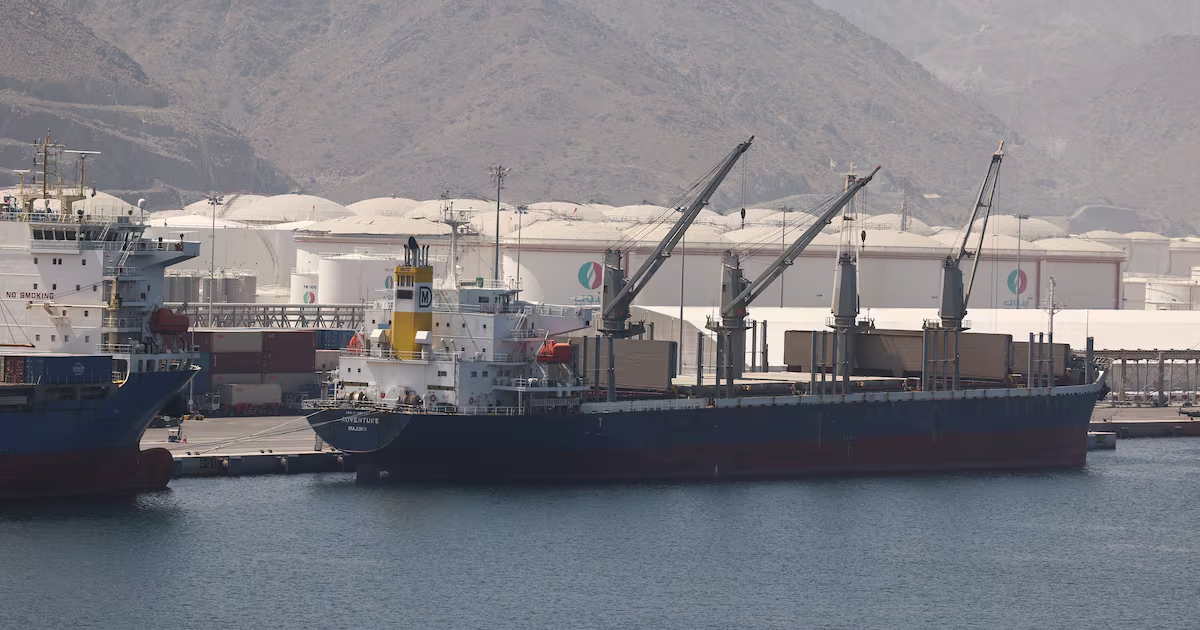
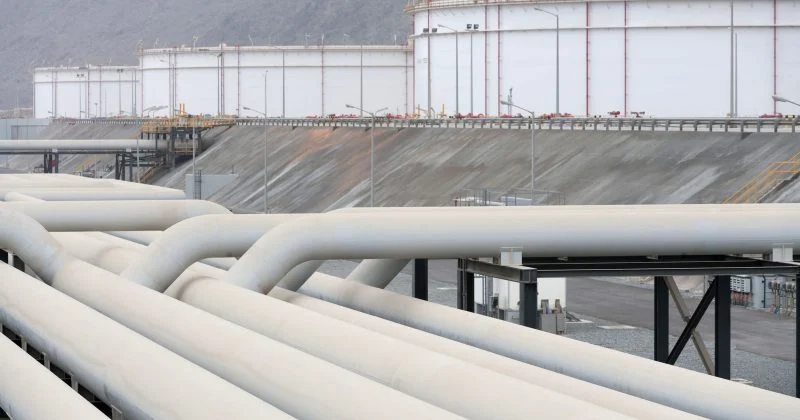
Zeyoudi’s comments reflect a further expansion of past moves the UAE made during the war. At a board meeting in May, Abu Dhabi Crown Prince Sheikh Khaled bin Mohamed bin Zayed instructed the state-owned Abu Dhabi National Oil Company to fast-track the construction of a second pipeline to transport oil and liquified natural gas overland to ports in the east of the country, located beyond the strait. The West-East Pipeline is now expected to be completed sometime next year.