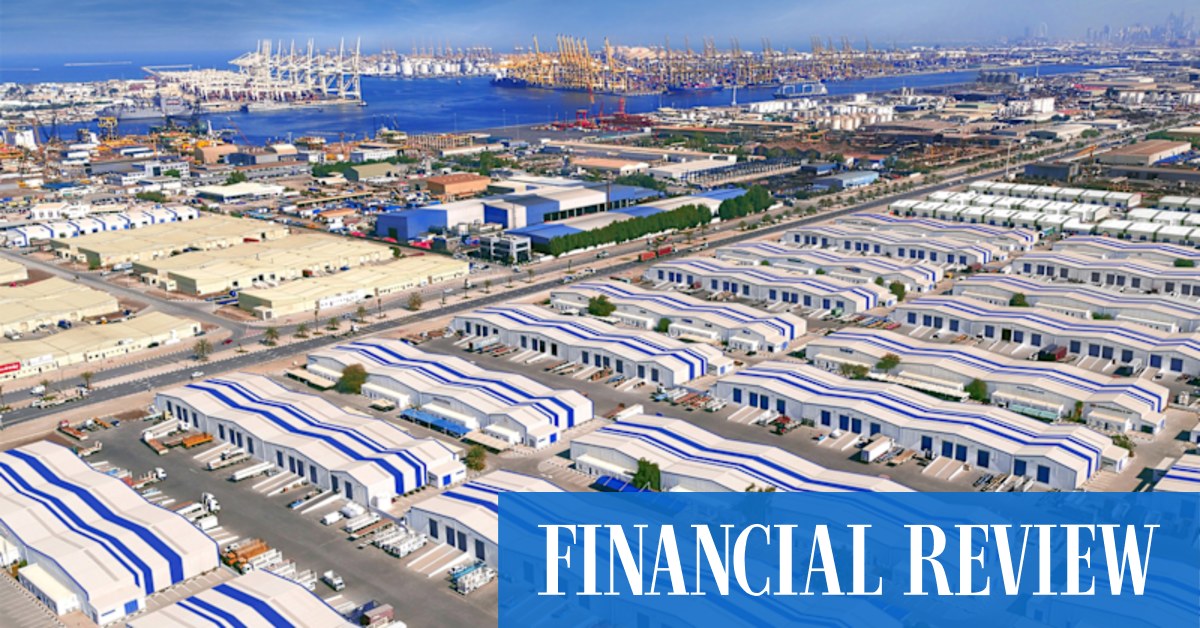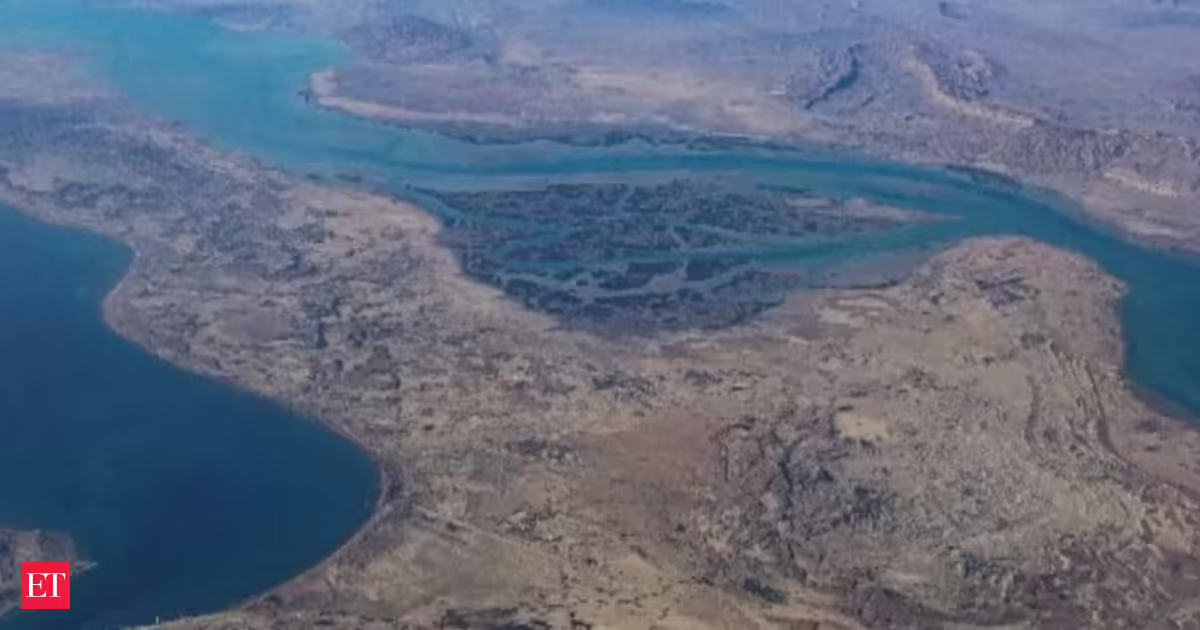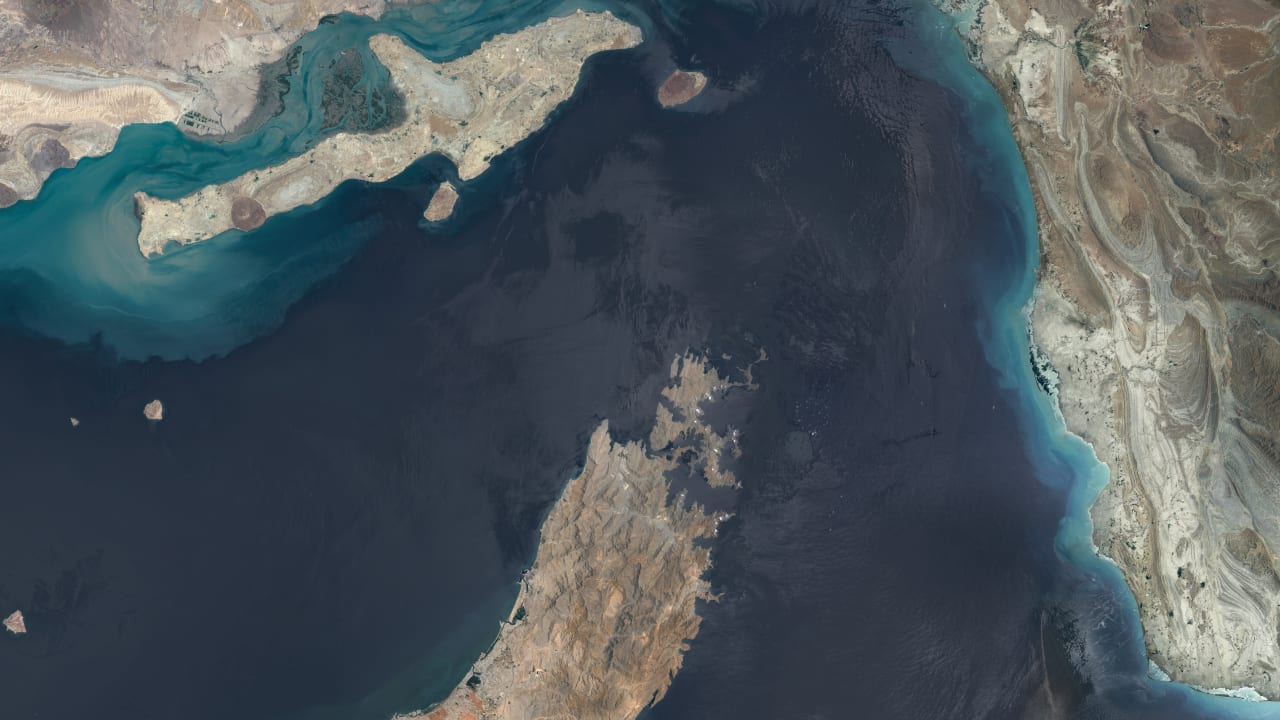
The UAE is building its way out of a geographic headache. Dubai is planning a new port designed to bypass the Strait of Hormuz entirely, part of a broader national strategy to reroute the country’s energy exports away from the narrow waterway that has haunted oil markets for decades.
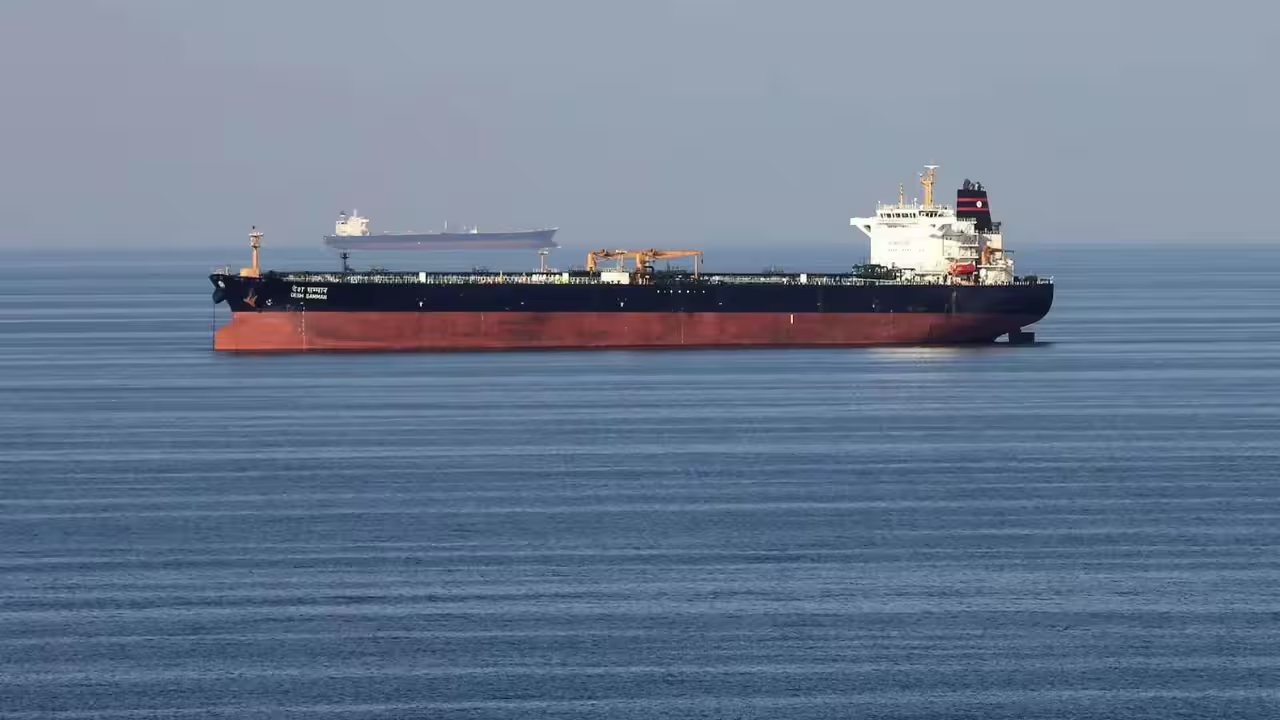
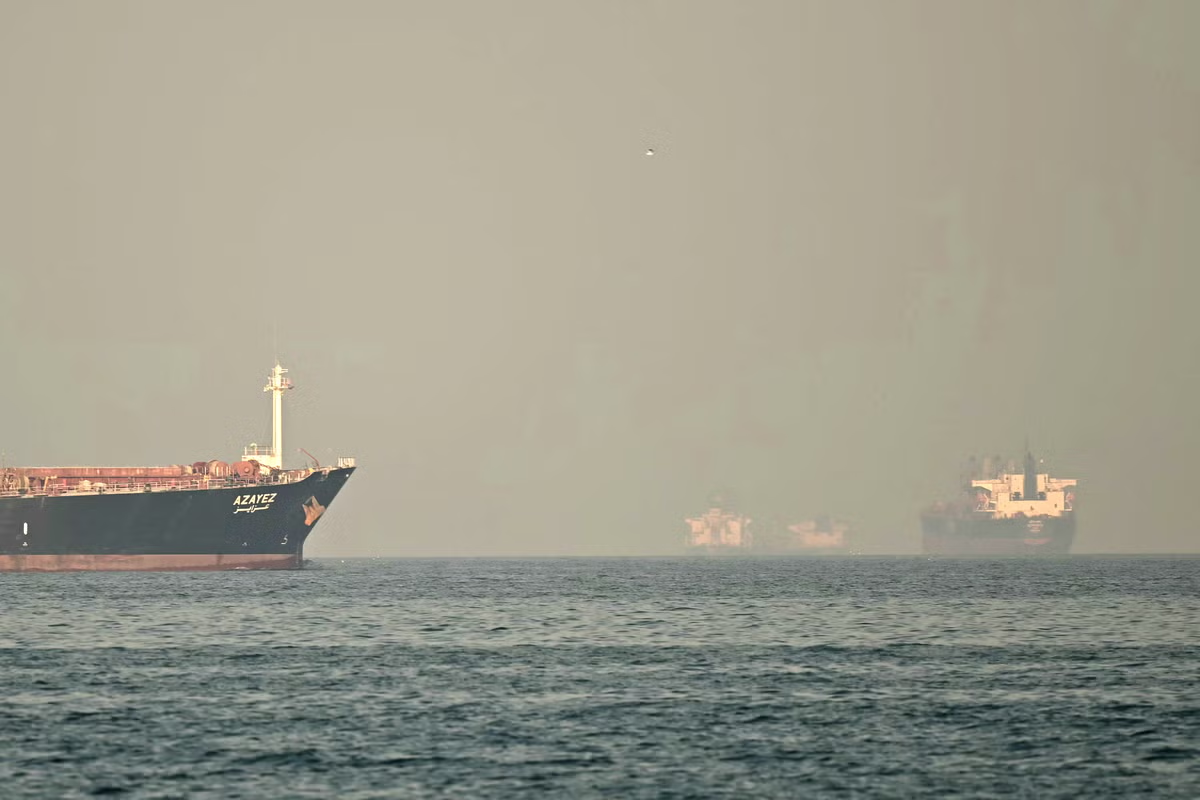
The Strait of Hormuz handles roughly 20% of global oil trade. It sits between Iran and Oman, and every tanker carrying Gulf oil to Asia, Europe, or anywhere else has to thread that needle.
The infrastructure blitz taking shape on the eastern coast
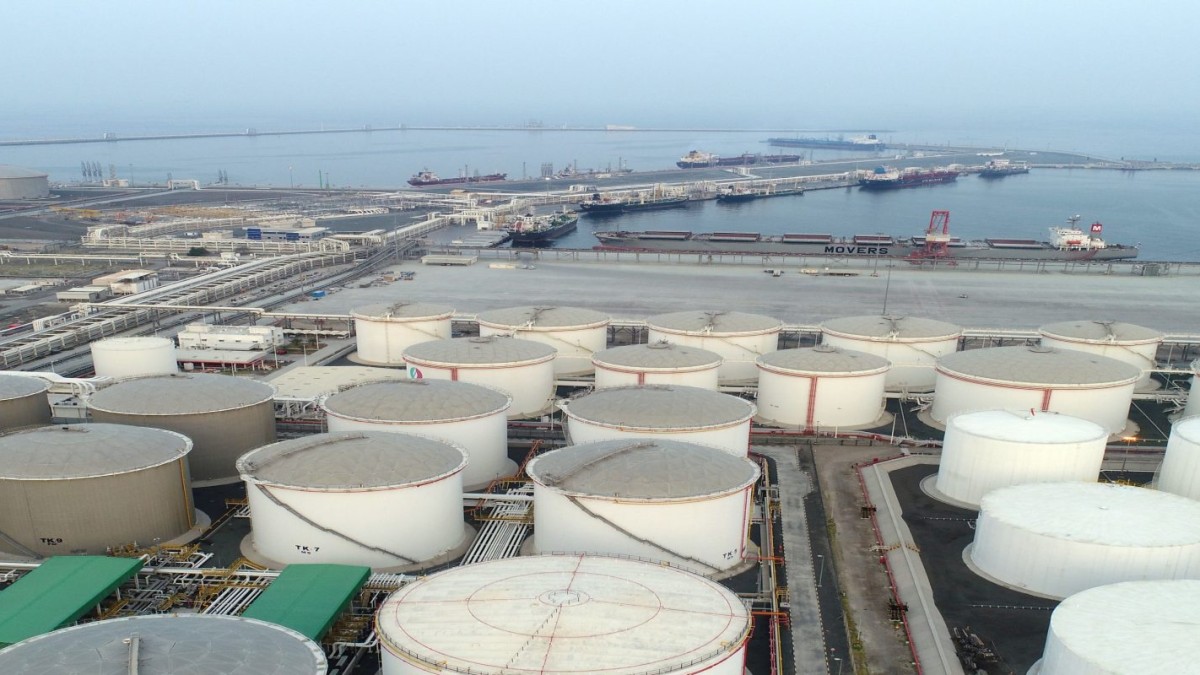
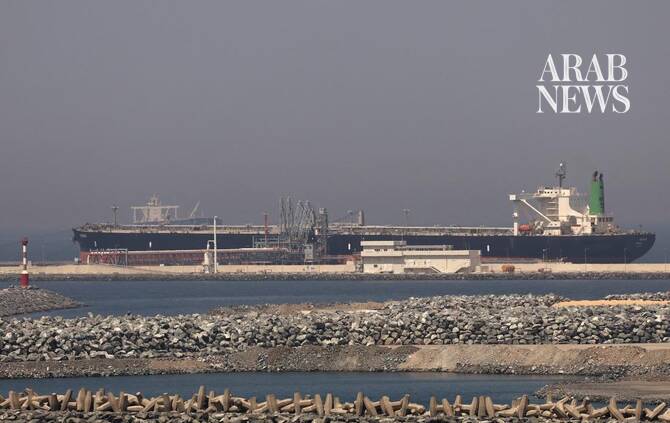
The Abu Dhabi National Oil Company, better known as ADNOC, has been directed to fast-track a second oil pipeline to Fujairah, the emirate sitting on the Gulf of Oman’s coast, on the other side of the Strait of Hormuz chokepoint. That pipeline was reportedly nearly 50% complete as of May 2026, with a target operational date of 2027. Once online, it would double the UAE’s existing pipeline export capacity from approximately 1.8 million barrels per day.
Beyond the pipeline, UAE officials outlined plans in mid-2026 to expand several eastern ports, including Fujairah, Khor Fakkan, and Dibba. The stated goal is to reduce dependency on the Strait of Hormuz to zero.