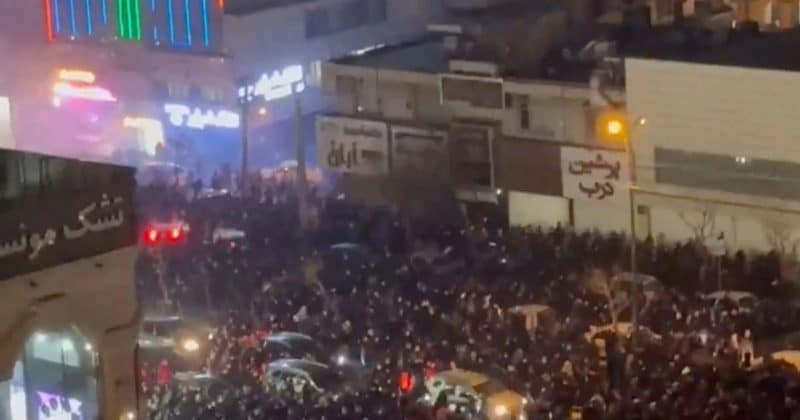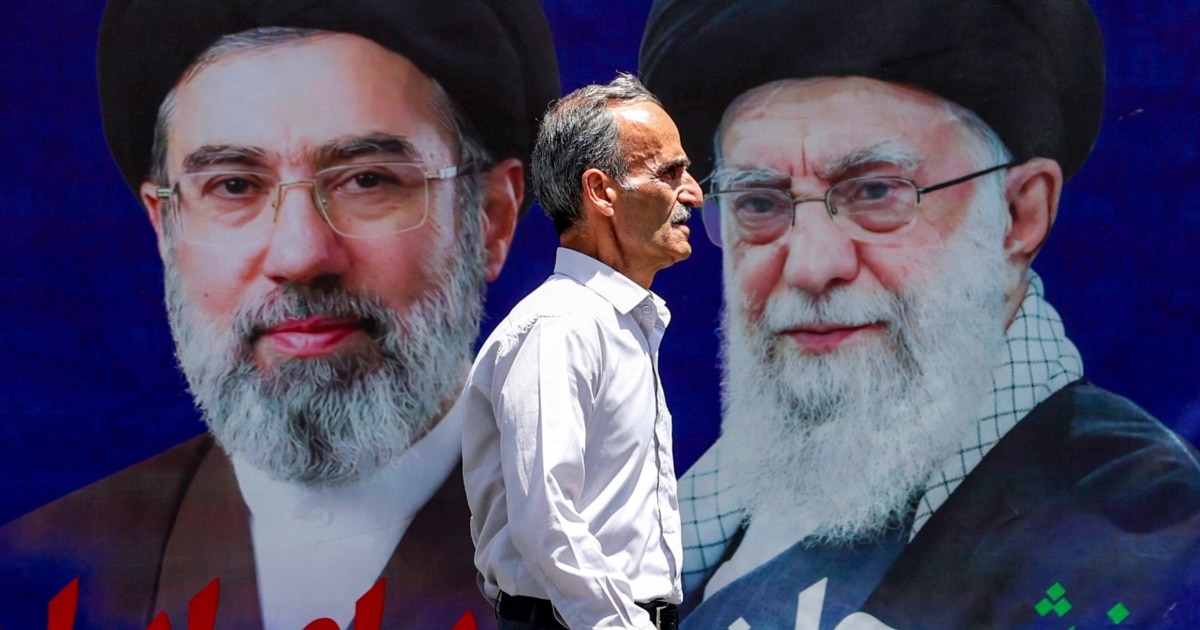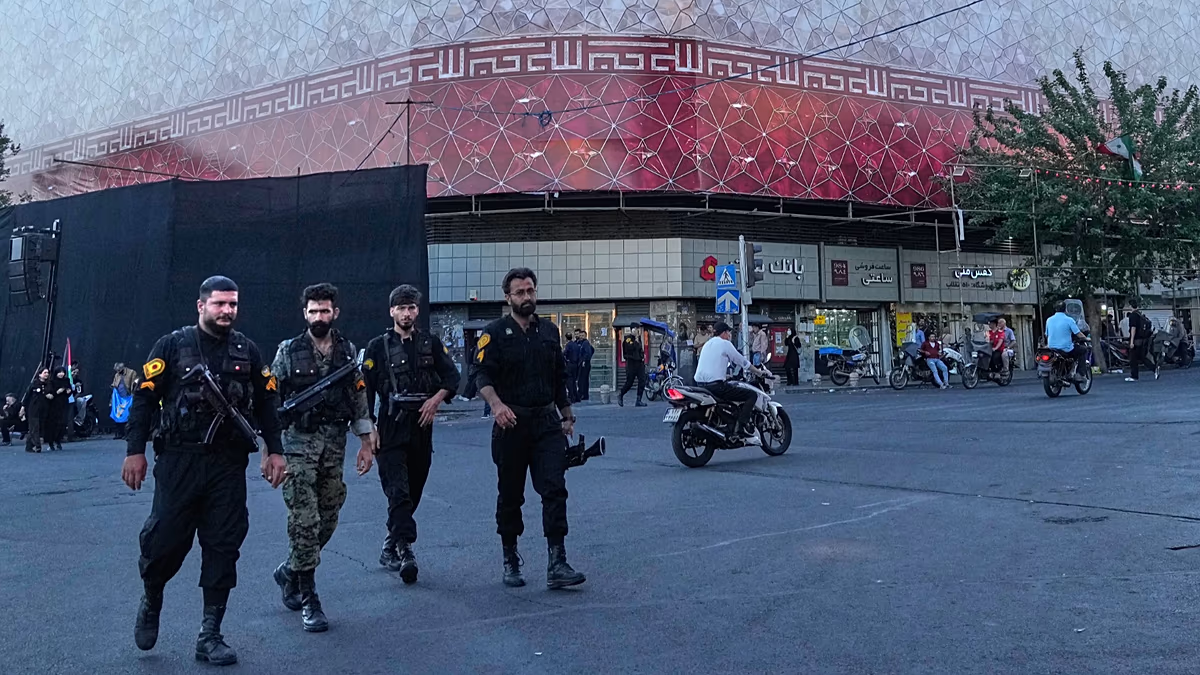
Iran's hardline establishment is framing the US-Iran framework deal as proof that Tehran outlasted Washington rather than as a concession, even as questions persist over how much control the IRGC exercised over its terms.
IRGC's Quds Force commander Esmail Qaani made his first public appearance in months on Monday night to discuss the deal, telling Iranian state television that the Bab al-Mandeb Strait "is fully in the hands of the guys in Hezbollah, the (Houthis) in Yemen, and even some of the comrades and children of resistance who are not Yemeni."
The remark on Bab-al Mandeb — which links the Red Sea to the Gulf of Aden — signalled a warning that Tehran's regional network retains leverage over a separate global shipping route even as the Hormuz blockade is lifted.
The Quds Force — IRGC's intelligence and asymmetrical warfare branch — is the main architect of the Axis of Resistance, a network of armed groups across the Middle East, including Hamas in Gaza, Houthis in Yemen and Shia militias in Iraq that Tehran finances, arms and directs.
Meanwhile, the Washington-based Institute for the Study of War (ISW) has assessed for months that IRGC top commander Ahmad Vahidi and his inner circle have used Iran's claimed control over Hormuz to entrench the IRGC's domestic power, including over rivals such as parliamentary speaker Mohammad Bagher Ghalibaf, and to shape the country's broader negotiating posture.