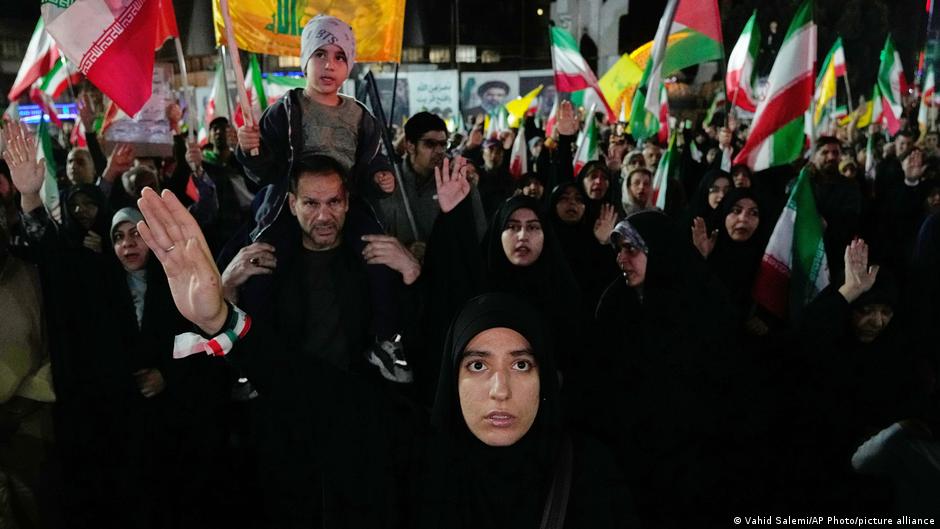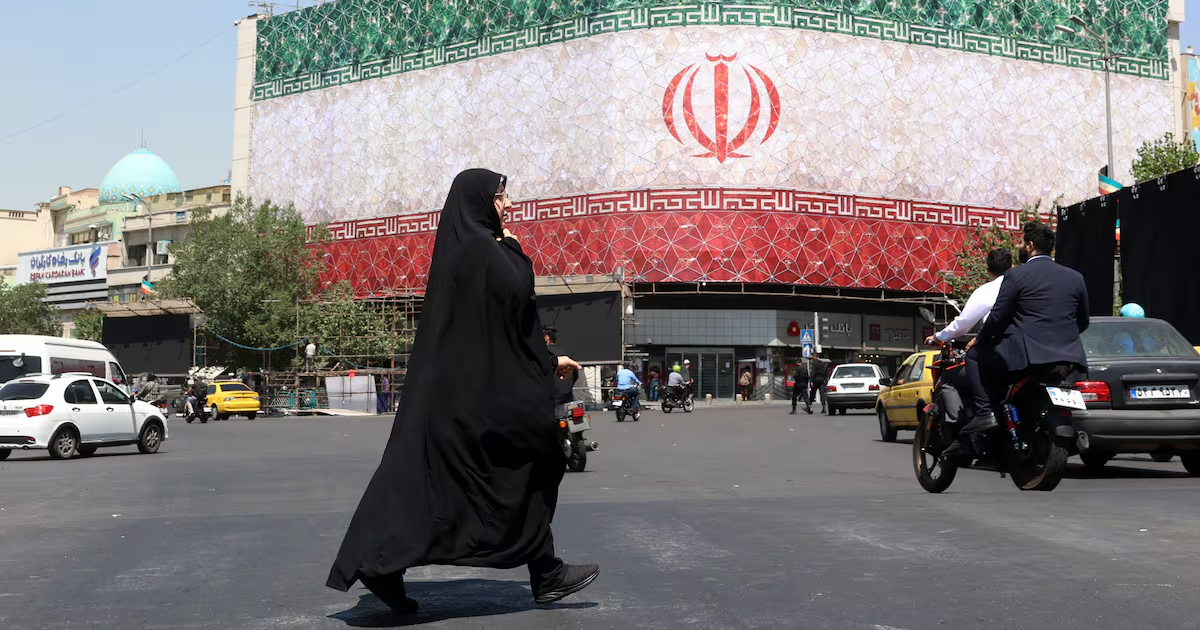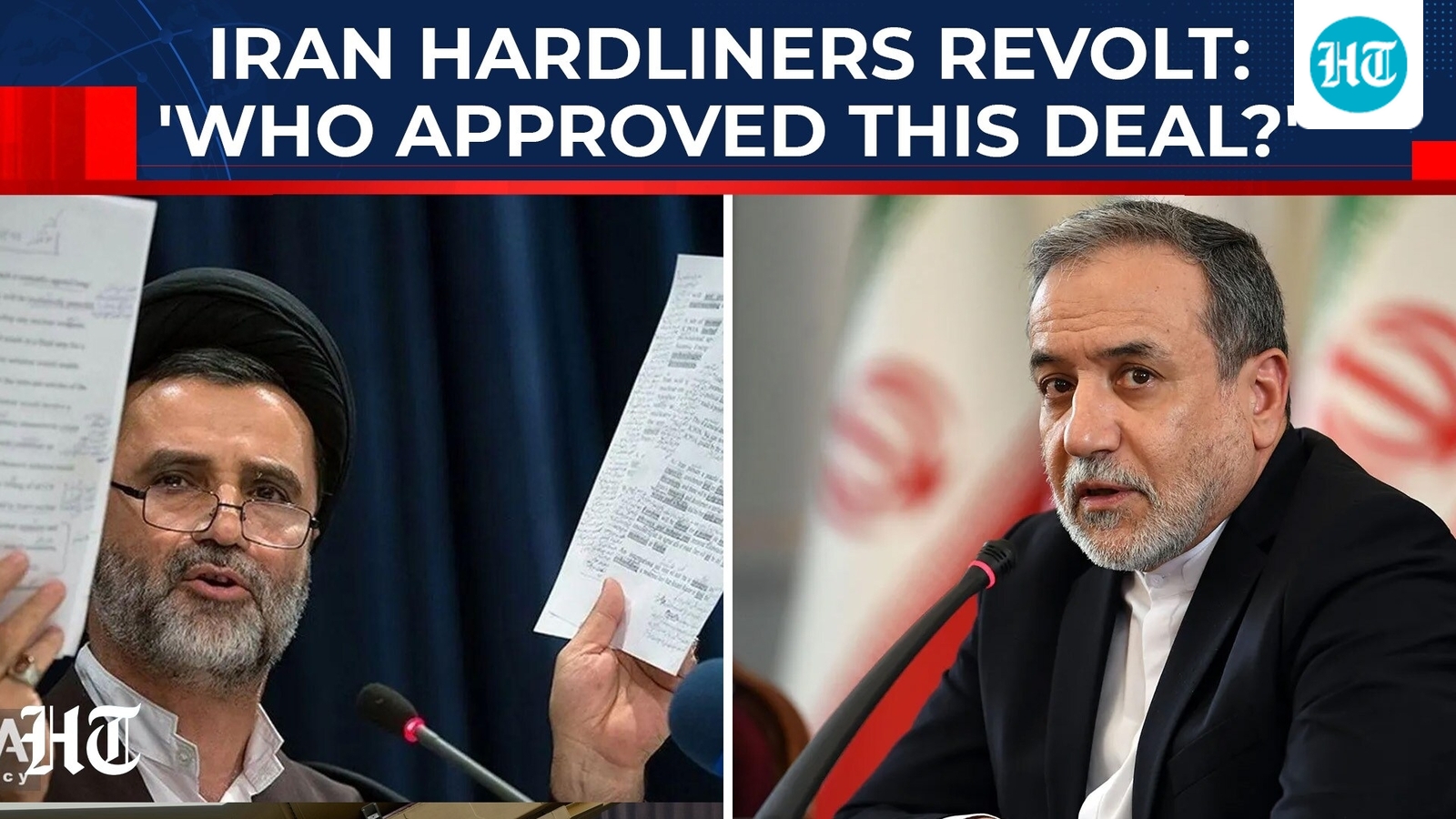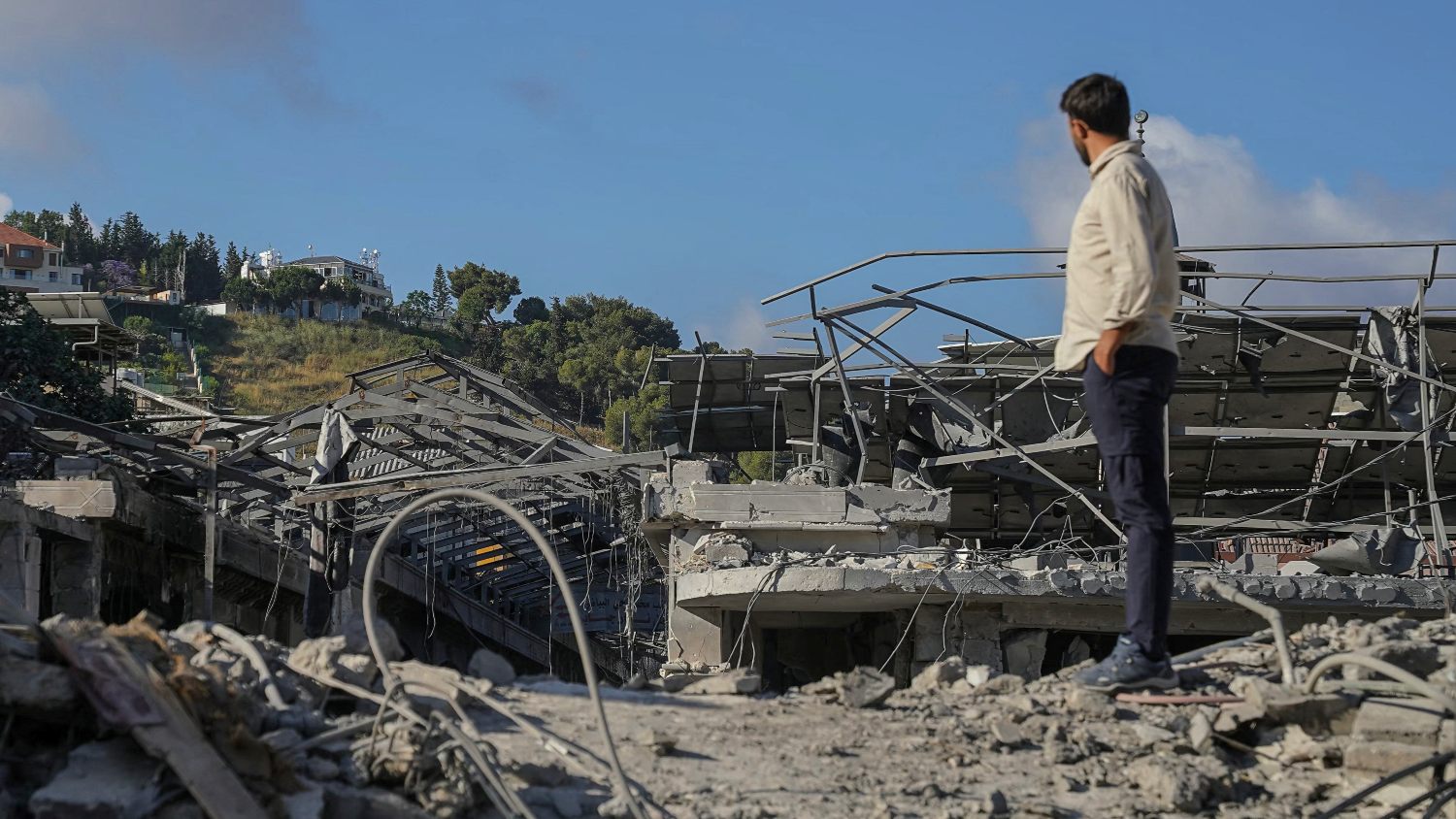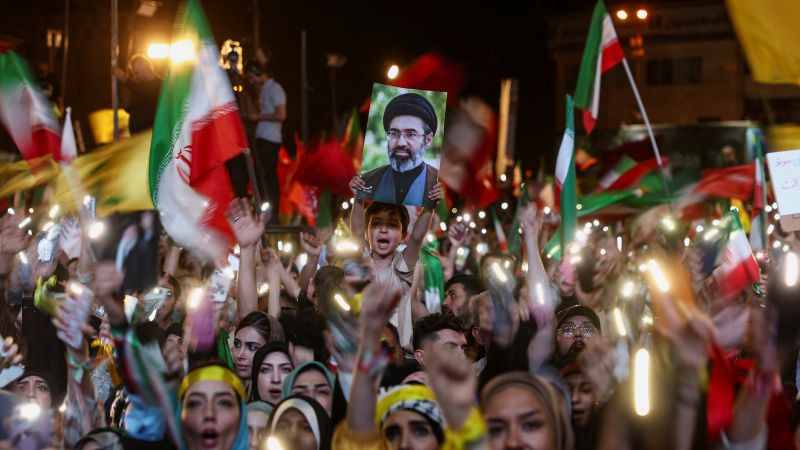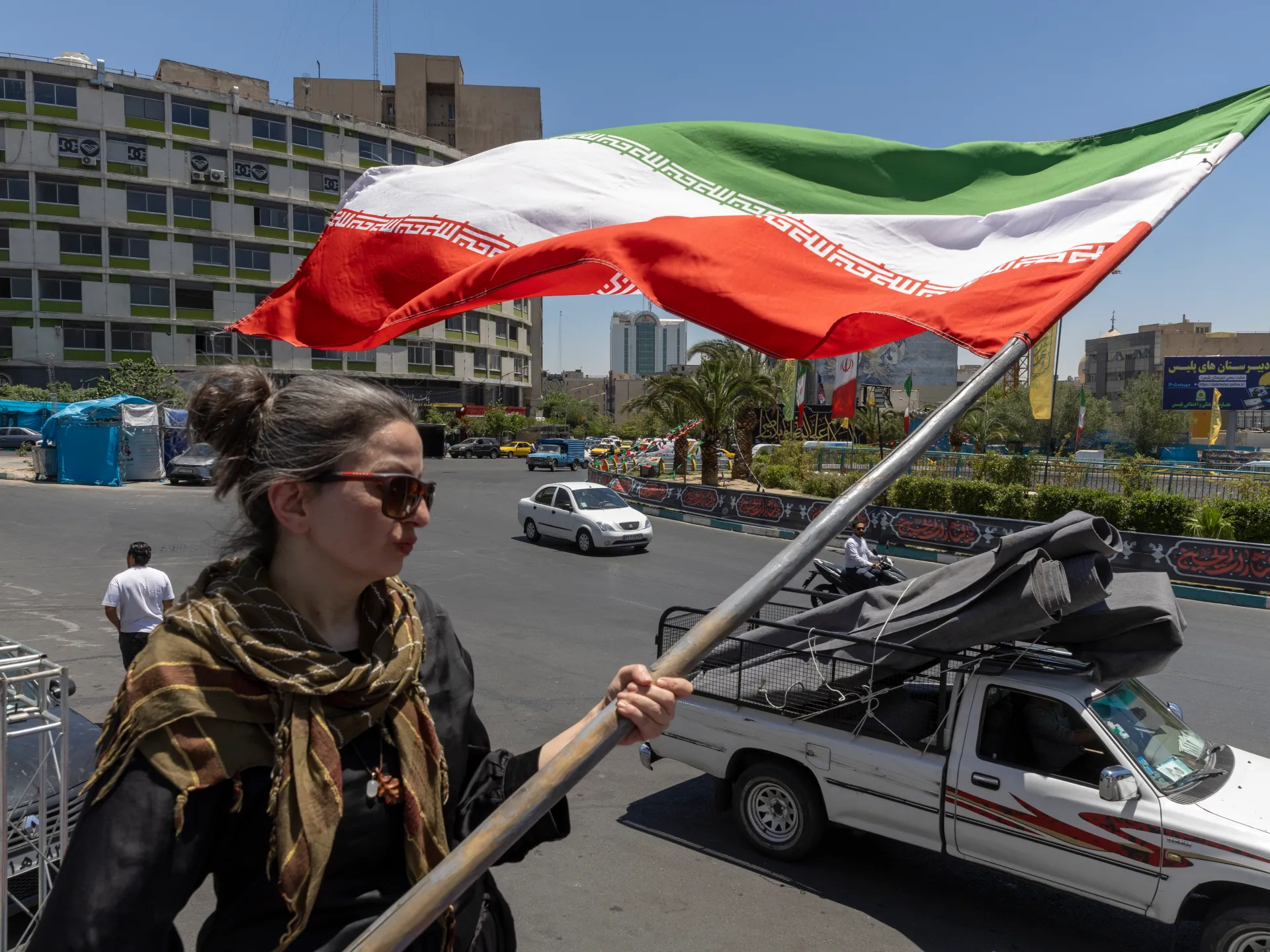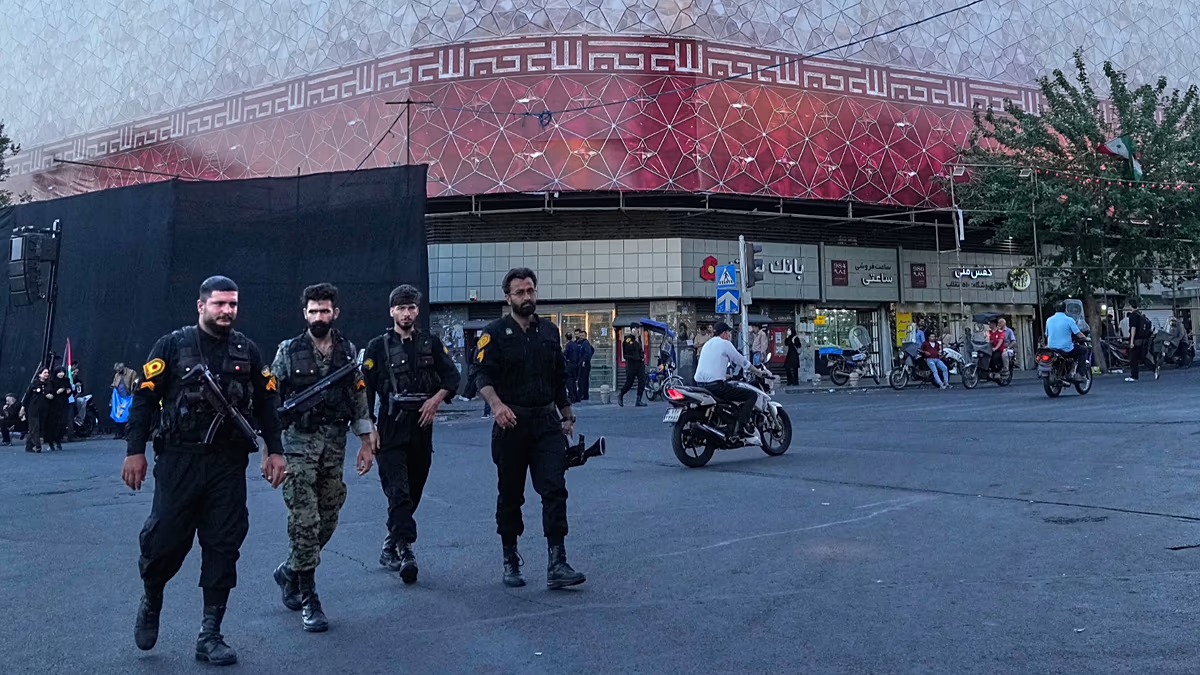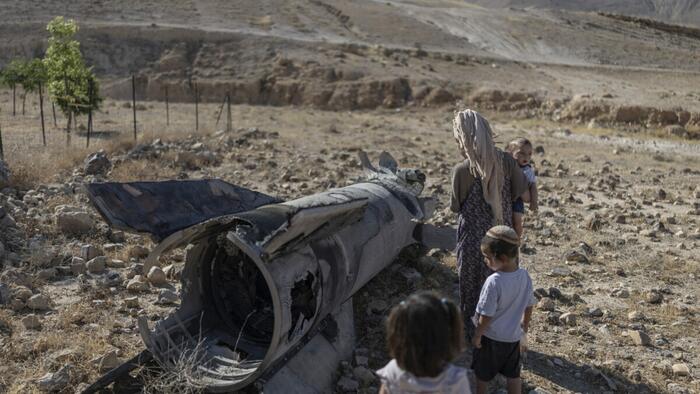
Iranian hardliners have mounted a rearguard rejection of a proposed deal with the US as backers in the regime defend themselves against charges it does not guarantee sanctions relief, compensation or control of the strait of Hormuz.“The fact that they say we won and America has retreated is a blatant lie,” the Iranian MP Kamran Ghazanfari said. Meysam Nili, the managing director of Rajanews and brother-in-law of the hardline former president Ebrahim Raisi, called the deal on the table a catastrophic capitulation. He urged Iranians not to sit quietly.Faced with the onslaught, Iranian officials led by Mehdi Mohammadi, an adviser to the head of the negotiating team, Mohammad-Bagher Ghalibaf, mounted a detailed rebuttal in an audio message insisting the deal would end the war, including Israel’s offensive in Lebanon, and that Tehran has not been required to make any new commitments on its nuclear programme, leaving the means of disposal of its highly enriched uranium – including down-blending inside Iran – to future discussions lasting 60 days.Mohammadi also said that by referring to “Iranian arrangements”, the text would allow Iran and Oman to charge fees for passage through the strait of Hormuz, and would even prevent Israeli commercial ships using the waterway.The US had fought hard to have the phrase “Iranian arrangements” excluded, he claimed, and in the second phase of the deal had agreed to lift primary sanctions for the first time. His explanation is sharply at odds with the critics on points of fact and interpretation, which he said was because they were working from outdated drafts.Vessels anchored in the strait of Hormuz, as seen from Musandam, Oman, on Sunday. ‘The strait is in our hands,’ said Mehdi Mohammadi. ‘We can close it any time we want.’ Photograph: ReutersOn the nuclear programme, Mohammadi said the only statement in the text was that Iran would not build or purchase nuclear weapons, which he said was “what we have been saying for years”.He said the proposed deal was better for Iran than the 2015 nuclear pact agreed under Barack Obama that lifted sanctions in return for limits on its nuclear activities, because Tehran had shown it could control the strait of Hormuz. “This time, it is not like we will shut down the nuclear programme and wait for them to lift the sanctions,” he said. “There is no such wishful thinking. The strait is in our hands, we can close it any time we want at an hour.”He acknowledged that the text on the release of half of Iran’s frozen money held abroad, roughly $12bn (£9bn), had not been finalised. “We know that America will not give us money,” he said. “The Arab countries have pledged this money and are forced to give it, because we are above them and they have seen our power in the region and have tasted our power. One of the implications of this agreement is that the Arab countries have been forced to accept Iran’s sovereignty and superiority and participate in making concessions.”Critics in Iran aiming their fire at Ghalibaf and the foreign minister, Abbas Araghchi, are from a group in the parliament coalesced around the Paydari Front including Mahmoud Nabavian, a hardline member of the national security committee, commenters such as Hossein Shariatmadari, the editor-in-chief of the Kayhan newspaper, and a senior commander of the Islamic Revolutionary Guard Corps who worked alongside Russia in Syria.The opponents have mounted protests outside the foreign ministry in Tehran, and launched a “we will not accept” hashtag. Government supporters say the Paydari Front is opposed to any deal and is not representative of ordinary Iranians, who know wars against superpowers rarely end in outright victory.Shariatmadari wrote in an open letter: “We must ask Mr Ghalibaf and Mr Araghchi, wasn’t closing the strait of Hormuz one of our country’s main levers in the Ramadan war, and wasn’t closing the strait blocking the enemy’s commercial and economic breathing space and bringing it close to suffocation?! With what logical justification and acceptable explanation are these gentlemen going to give up this fateful lever?!“They say ‘we will charge service fees from passing ships’! That’s it?! America and its allies have martyred former supreme leader Ayatollah Ali Khamenei and the Islamic world shed the blood of dozens of nuclear scientists and high-ranking military commanders, hundreds of innocent people and oppressed students. They have caused hundreds of billions of dollars in damage … and now by opening the strait of Hormuz and charging service fees (!) from passing ships, we are going to release their economic and commercial bottleneck?!”Mohammad-Bagher Ghalibaf, the speaker of the Iranian parliament and adviser to the head of the negotiating team, has been challenged over the plans to reopen the strait of Hormuz. Photograph: Iranian Parliament Speaker Office/Wana/ReutersThe hardline Shia cleric and MP Hajatoleslam Naboyan, who acts as the de facto foreign affairs spokesman for the Paydari Front, appeared incredulous that the proposed agreement appeared to allow free commercial shipping in the strait. “Will Israeli commercial ships also be freed? It is the proposal of the Islamic Republic of Iran,” he said. “From now on, all Israeli ships, not military, all hostile countries, their ships and their movement in the strait of Hormuz must be freed.”The Khorosan newspaper expressed concern at the licence given to the critics of the proposed agreement. “If the regime is going to grant freedom of speech and assembly to this group so that they can chant slogans against the negotiations and the negotiators, similar freedom must be given to those in favour of the agreement so that they can also gather and march in support of the regime’s decision to end the war, sign the agreement, and even resume relations with the United States,” it said.“Then it will become clear that the majority of the Iranian people support the regime’s will for the agreement, and the minority cannot impose its will on the regime and the nation through shouting, using the national radio and television, abusing the gatherings.”The hardliner’s criticism may help Donald Trump as the US president seeks to justify the deal as better than Obama’s. The two deals are not directly comparable, however, because the 2015 deal was a specific and detailed arms control agreement while the memorandum is focused on the preconditions for a ceasefire.Trump, who faces accusations that he has only achieved an agreement through a disruptive, expensive and illegal war that he could have reached through diplomacy, needs evidence that it is superior to the one Obama struck and from which he withdraw the US in 2018.
Iranian hardliners in vociferous push to reject proposed peace deal with US
Those in favour forced to defend themselves against claims the terms of the proposal amount to capitulation
TL;DRAI
Iranian hardliners reject US peace deal, citing lack of Hormuz control guarantees and $12bn sanctions relief. Deal outcome reshapes tech supply chain geopolitical risk, sanctions compliance frameworks, and enterprise infrastructure strategy for multinational operators.
1,088 words~5 min read