By
Benjamin Hart,
staff editor at Intelligencer who joined New York in 2017
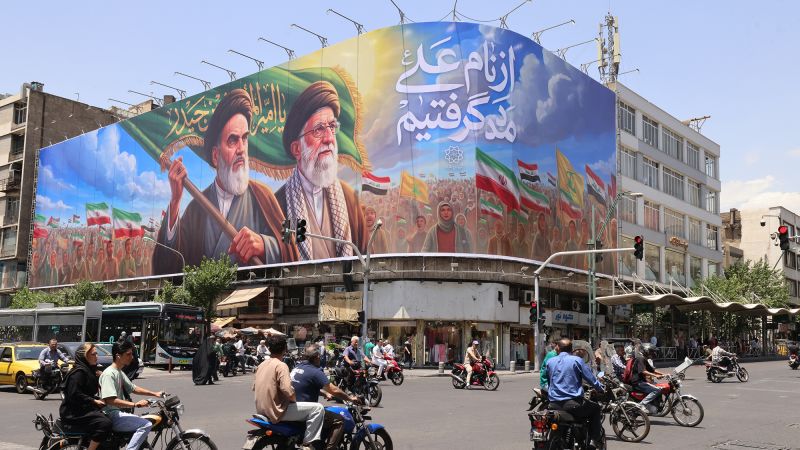
J.D. Vance can sell the new memorandum of understanding between the U.S. and Iran as hard as he wants, but it’s difficult to avoid two obvious conclusions: The U.S. failed to achieve any of its major goals in the war it launched alongside Israel in February, and the agreement winding down that conflict appears quite favorable to Iran. Case in point: One of the big “victories” Vance and the Trump administration keep touting — Iran reopening the Strait of Hormuz — was of course the status quo before President Trump and Prime Minister Netanyahu wreaked havoc on the global economy while inadvertently installing an even more hardline regime than the one they decapitated.
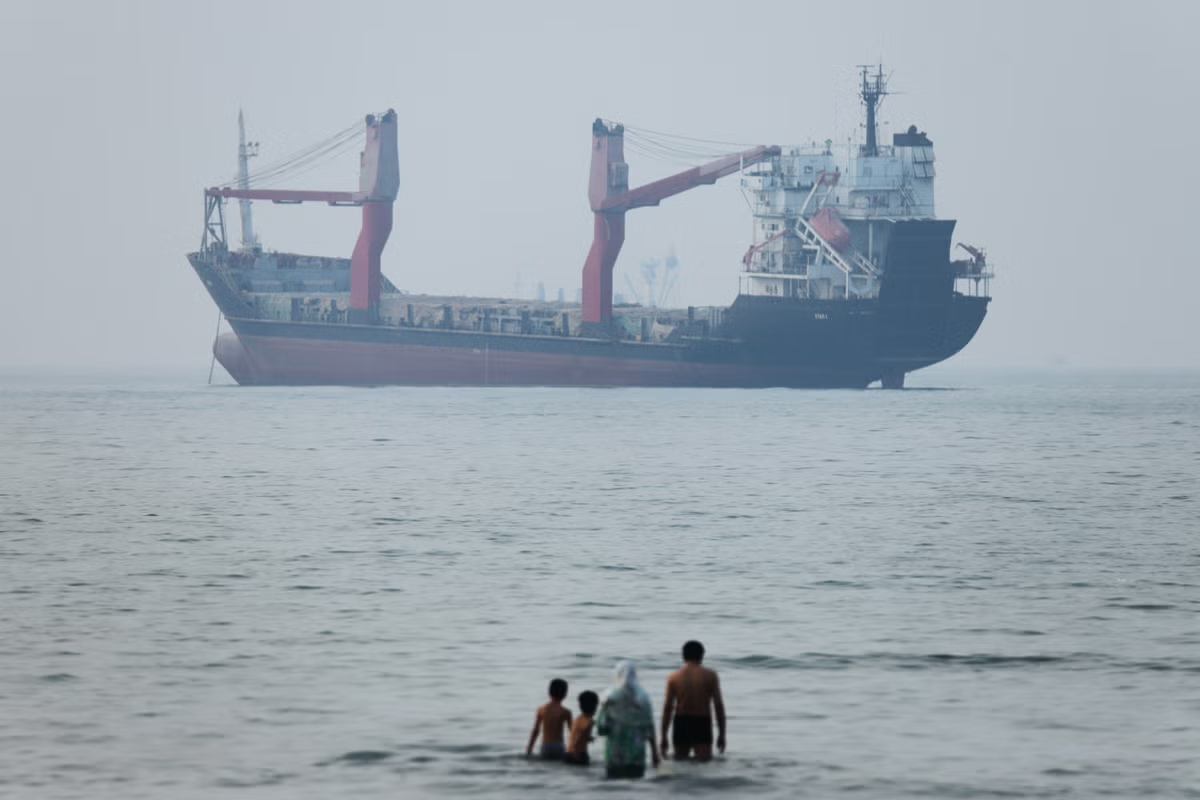
But most people affected by this shambolic military operation care less about political wins and more about rising prices and when they might come down again. Iran’s near-closure of the Strait of Hormuz and bombing of many of its Middle Eastern adversaries had a profound negative effect on far more than just oil production, hitting countries across the world — including the U.S. — in sometimes unexpected ways. The question now is how quickly the flow of goods can snap back to something approaching normal. I spoke with Gregory Brew, a senior analyst on Iran and oil at the Eurasia Group, to get some answers.