In the first quarter of 2026, labor costs across the European Union continued to rise, with Eurostat reporting a 3.6% annual increase in hourly labor costs across the bloc. In the euro area, the rise was slightly lower at 3.2% compared with the same period in the previous year. These figures include both direct wages and salaries as well as non-wage components such as employer-paid social security contributions.
Within the euro area, wages and salaries increased by 3.4%, while non-wage labor costs grew by 2.9%, resulting in an overall increase of 3.2% in total labor costs. Across the EU, wage growth was slightly stronger at 3.7%, with total labor costs up by 3.6% and the non-wage component rising by 3.2%.
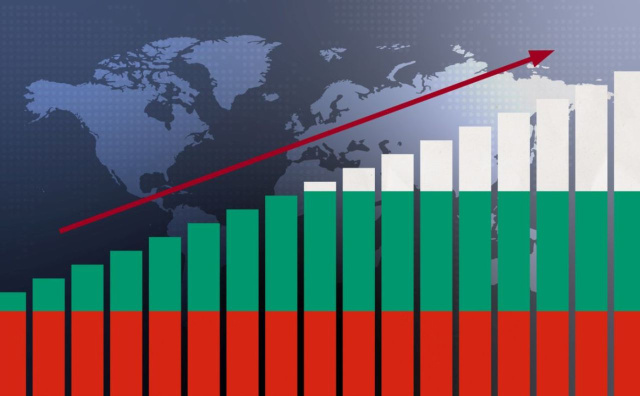
Bulgaria again stood out among EU member states, remaining one of the countries with the fastest growth in labor costs for the fourth consecutive quarter. The country recorded a 13.2% increase in hourly wage costs in the first quarter of 2026 compared with a year earlier, placing it second in the EU after Hungary, which registered a 16.4% surge. Croatia followed with a 9.2% increase.
Overall labor costs per hour in Bulgaria rose by 13.4%, while the non-wage component increased by 14.2% over the same period. In Hungary, total hourly labor costs increased by 16%, alongside a 12.8% rise in indirect labor costs.