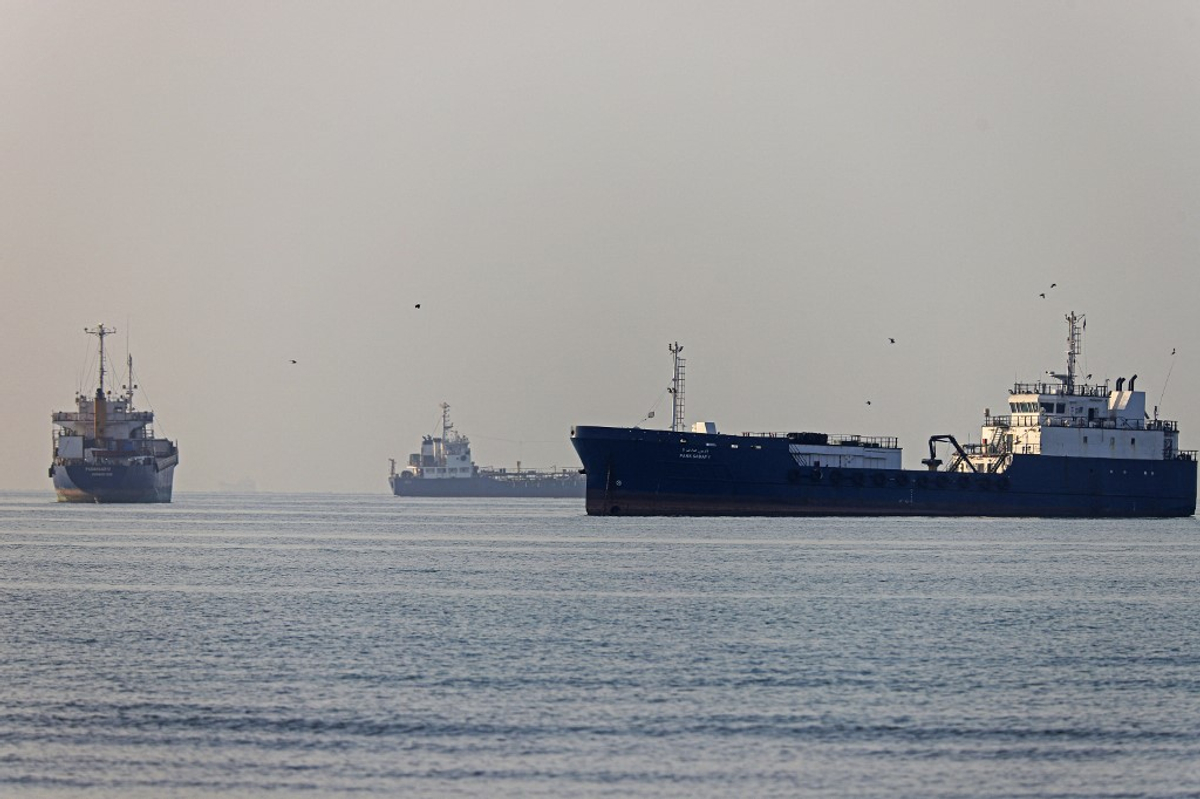
Iran wants its money back. Somewhere between $100 billion and $120 billion of the country’s oil and gas revenues sit frozen in overseas accounts, primarily in countries like Qatar and South Korea, locked away by US sanctions that blocked nations from paying Tehran for crude. Now, as US-Iran negotiations heat up, those frozen funds have become the central bargaining chip in talks that could reshape both energy markets and crypto flows.
Iran is reportedly demanding an initial release of between $6 billion and $12 billion as a precondition for deeper negotiations, with some reports suggesting the figure could climb to $24 billion phased over a 60-day timeline. Iran’s parliament speaker Ghalibaf has publicly stated that upfront access to these assets is necessary before any broader deal moves forward.
The negotiation dynamics
Washington’s posture has been considerably more restrained. The US has proposed conditional access to the frozen funds, with usage restricted primarily to humanitarian needs or other specific exemptions rather than outright cash releases.
There is precedent for this kind of asset release. In 2023, the US facilitated a $6 billion transfer of South Korean-held Iranian funds to Qatar as part of a prisoner swap deal. That transaction was narrow in scope and tightly controlled, but it established a template that both sides are now referencing as they negotiate something far larger.