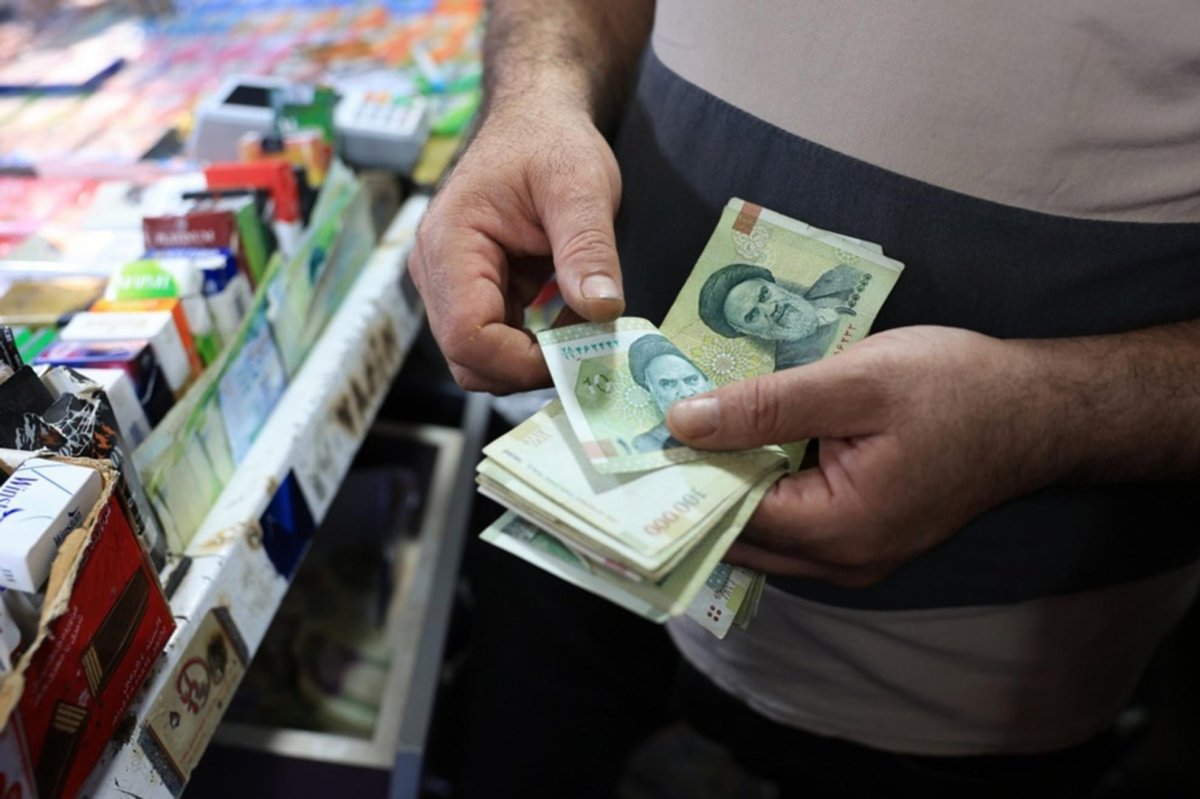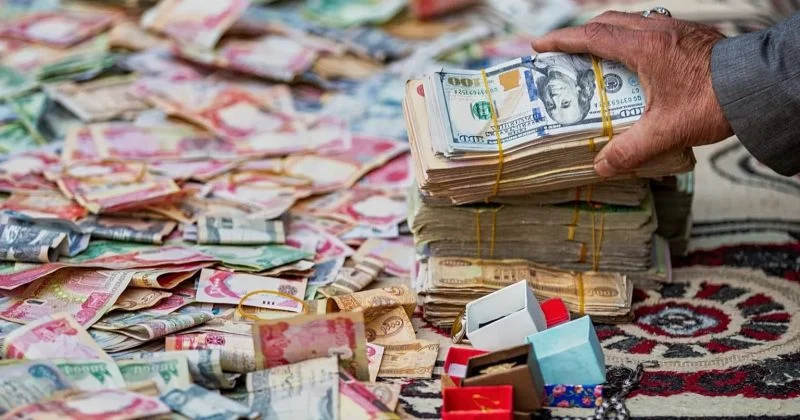
Iran is pushing to unlock between $100B and $120B in frozen overseas assets as part of high-stakes negotiations with the United States. The funds, primarily composed of oil revenues blocked under US sanctions, are held across accounts in South Korea, Qatar, Japan, China, and Iraq.
What’s on the table, and what keeps falling off
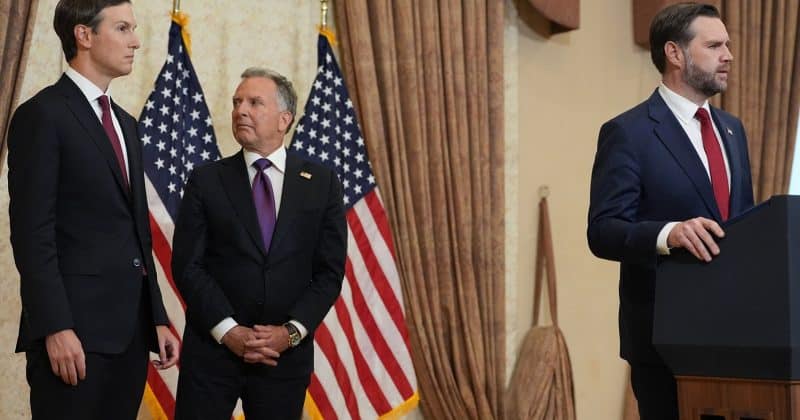
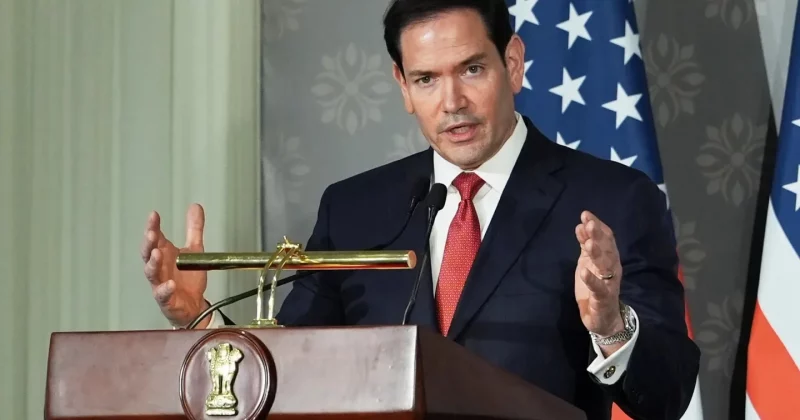
The talks, which have been partly mediated by Pakistan and based in Islamabad, cover a sprawling agenda: ceasefire dynamics, nuclear program limitations, and the core economic question of whether Iran can regain access to global oil markets.
Iran’s opening demand is straightforward. Release an initial $6B as a confidence-building measure, then we’ll talk. Iranian parliament speaker Mohammad Bagher Ghalibaf affirmed on April 10, 2026, that asset releases must come before negotiations proceed further.
The US, for its part, has floated proposals that would release up to $20B in frozen funds, tied to limitations on uranium enrichment and commitments to channel funds toward humanitarian purposes.