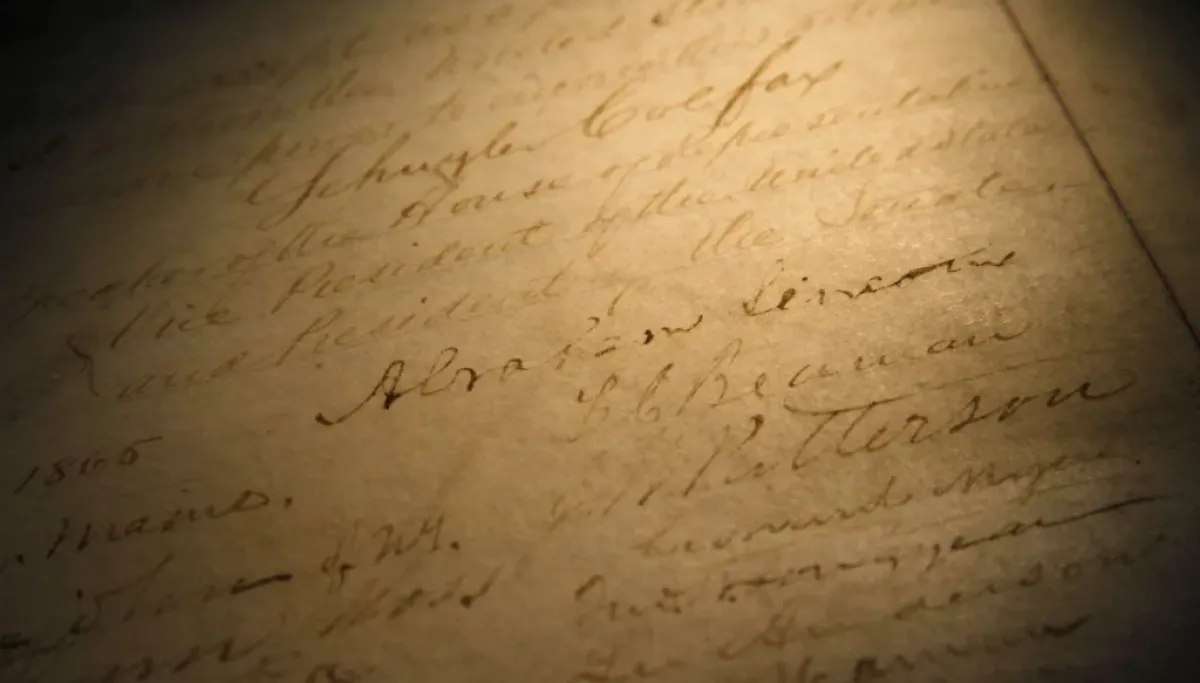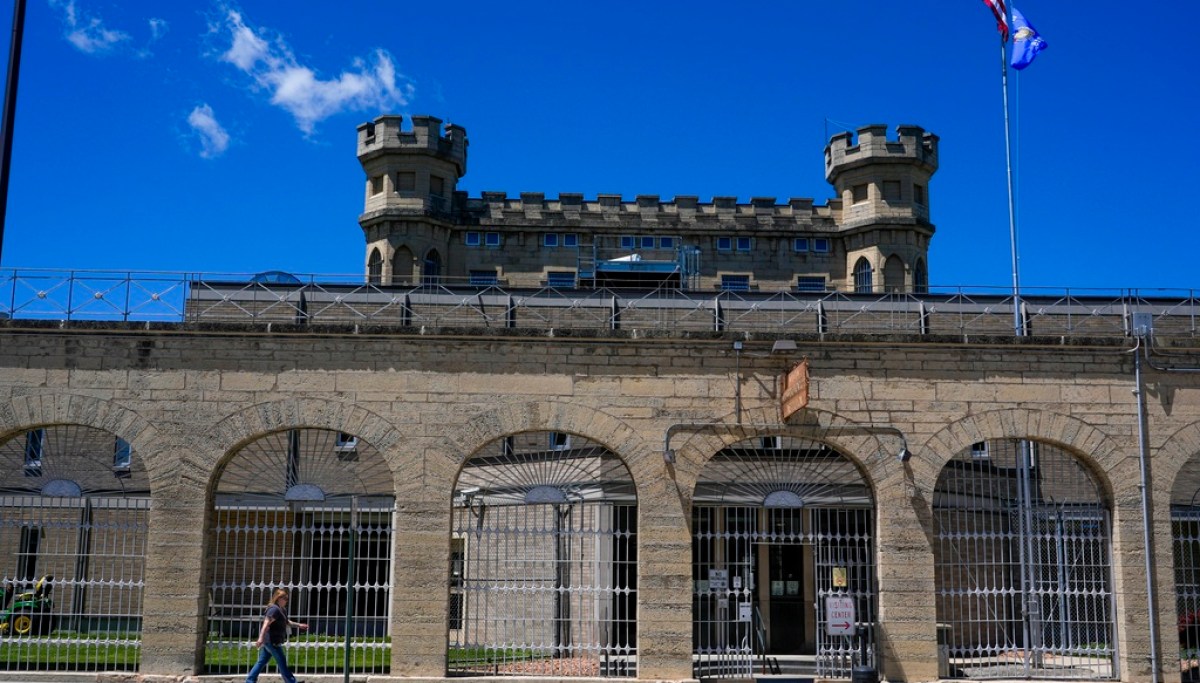
The 13th Amendment abolished slavery. Most Americans know that. Fewer know the rest of that sentence: “except as a punishment for crime whereof the party shall have been duly convicted.” That clause has governed American prison labor for 160 years, and neither party will debate it honestly. The reasons are straightforward, and neither is constitutional.Republicans won’t touch it because the exception sits inside a tough-on-crime framework. Democrats won’t touch it because their union coalition has a direct financial interest in keeping prison labor off the competitive market. The AFL-CIO has opposed prison labor expansion for decades, not on moral grounds but on wage grounds. When labor costs drop to $0.03 an hour in Louisiana or zero in Alabama, Arkansas, Georgia, and Texas, prison workers compete directly with union shops. Both parties have institutional reasons for their silence. Neither has a constitutional one.The exception was weaponized almost immediately. Within months of ratification, Mississippi and South Carolina passed Black Codes that criminalized vagrancy and unemployment broadly enough to sweep up any freedman without a labor contract. The amendment abolished slavery. The Black Codes converted it into a criminal sentence. Convict leasing returned freed people to the same plantations under a different legal theory.
The prison labor loophole nobody wants to close
The exception made narrow sense in 1865 as borrowed practice from an 18th-century territorial ordinance. It was abused almost immediately.
641 words~3 min read