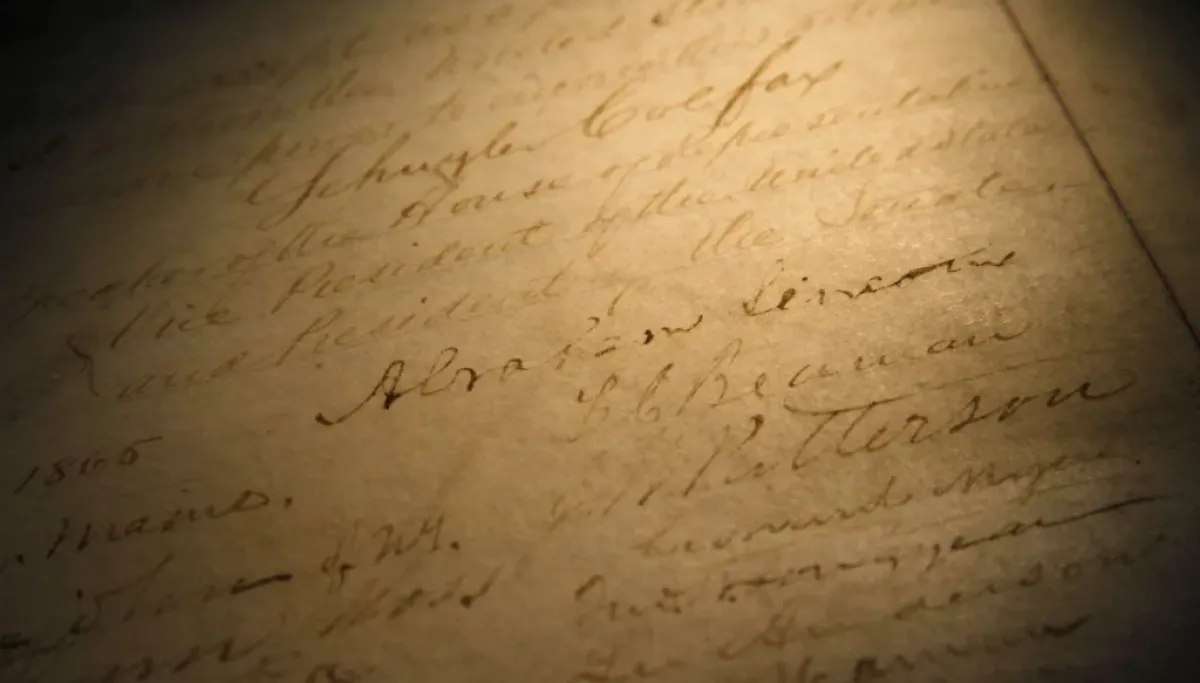
The 13th Amendment abolished slavery. What follows the abolition, separated by the word “except,” has been generating litigation and constitutional argument for 60 years. Most Americans can’t identify it. Section 1 is 39 words and worth reading before the argument about it proceeds any further.“Neither slavery nor involuntary servitude, except as a punishment for crime whereof the party shall have been duly convicted, shall exist within the United States, or any place subject to their jurisdiction.”The amendment that ended chattel slavery contains a carve-out. The men who wrote it in the 38th Congress knew what they were doing, debated the exception’s scope at length, and ratified it anyway. Reading the 13th Amendment honestly means reading both halves.
I’m a financial professional and expert witness, not a constitutional lawyer. Thirty years of institutional investment management, expert witness work in securities and fiduciary litigation, and a publishing record spanning the Wall Street Journal and a dozen other national outlets have made one thing clear: documents mean what they say, and the gap between what they say and what people believe they say has real consequences. The 13th Amendment says two things. A reader who takes only one seriously isn’t practicing constitutional fidelity.