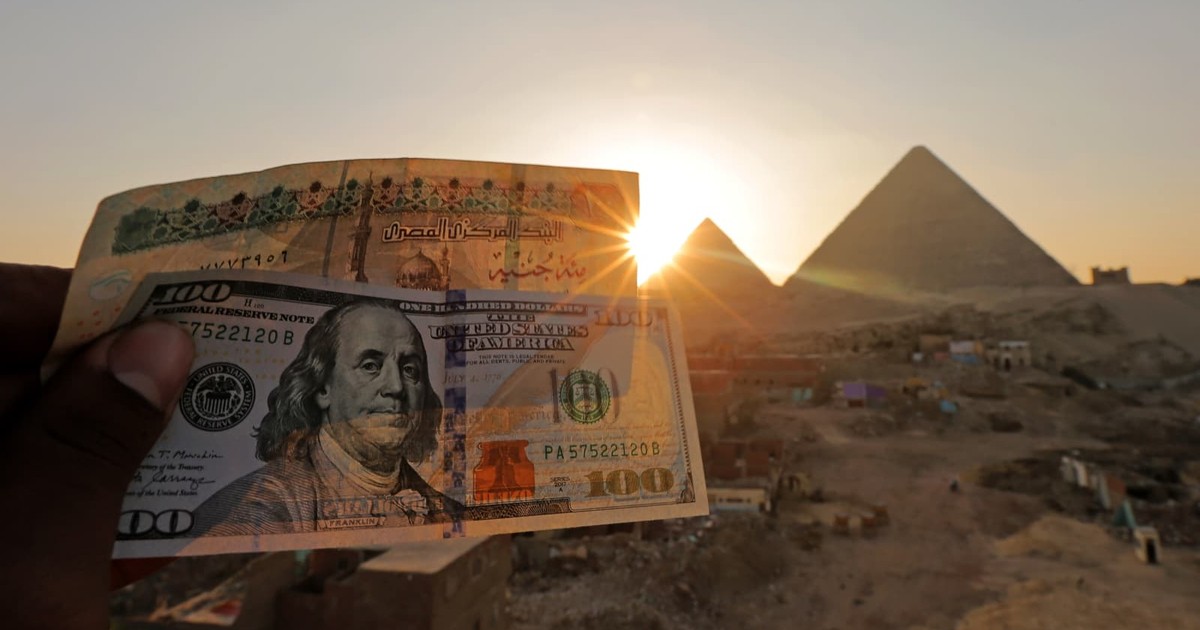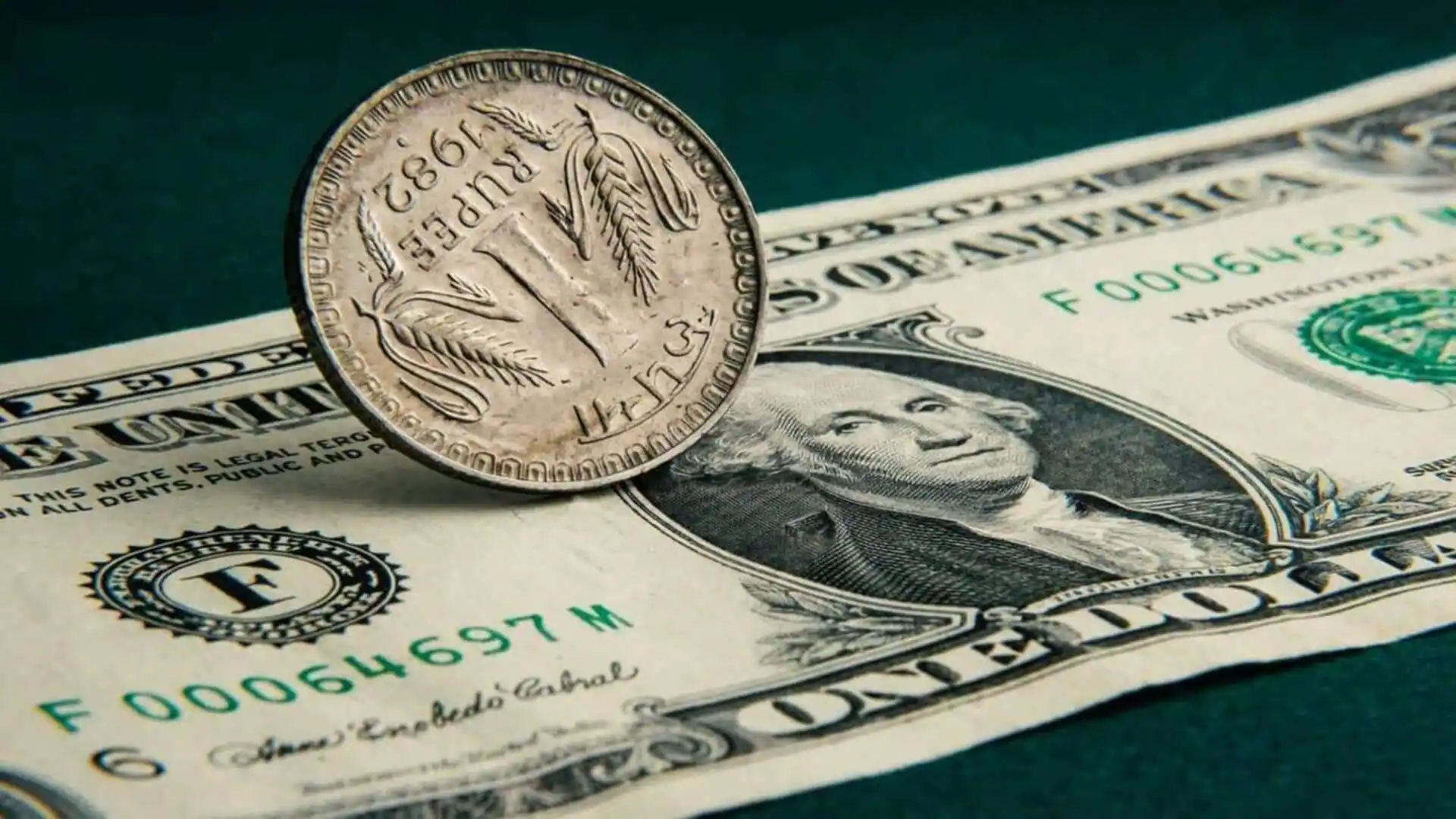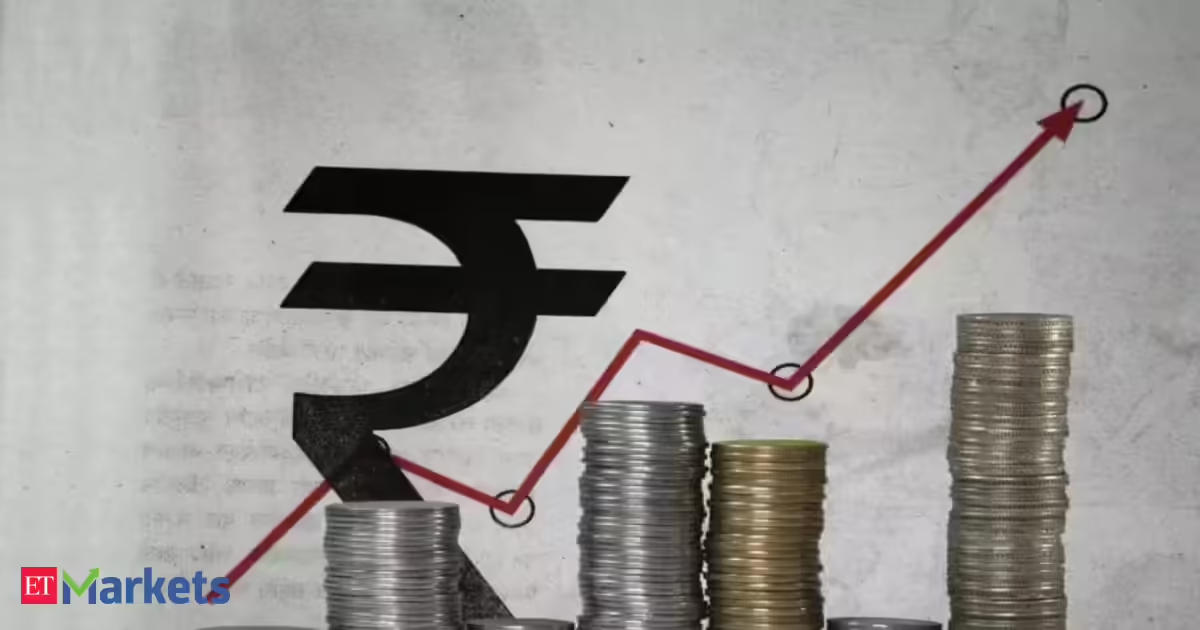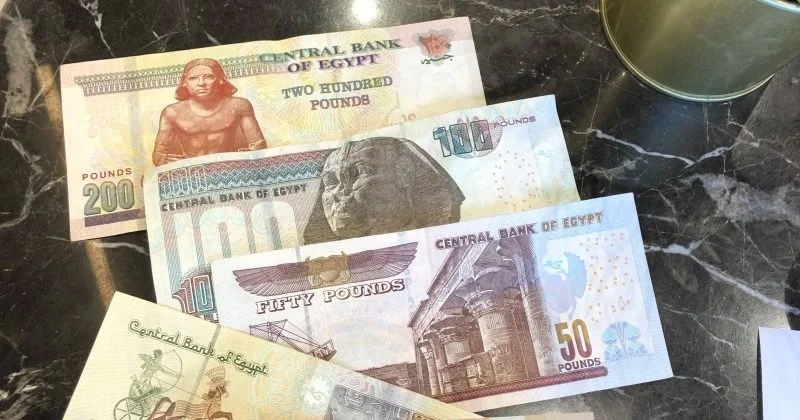
The Egyptian pound just pulled off something nobody had on their 2026 bingo card. The currency has gained roughly 4% against the US dollar since June 13, making it the top-performing currency in the world over that stretch.
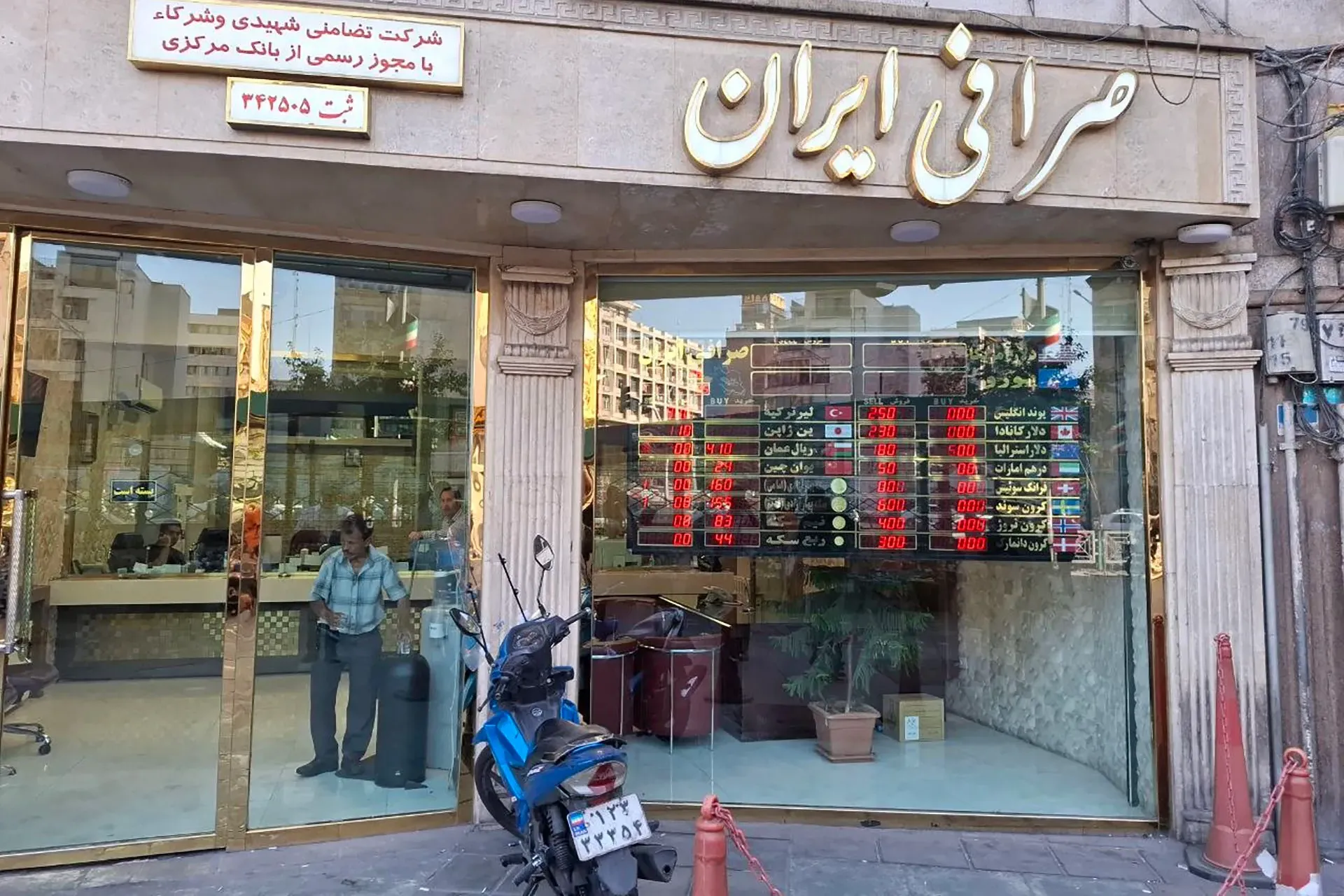
The catalyst: a preliminary agreement between the United States and Iran, unveiled around June 14-15, that includes measures to reopen the Strait of Hormuz. That narrow waterway handles approximately 20% of the world’s oil supply, and its effective reopening sent crude prices tumbling. For Egypt, a country that imports far more energy than it exports, cheaper oil is a direct balance-of-payments tailwind.
How a deal in the Gulf rewrote Cairo’s balance sheet
Every $10 increase in crude costs Egypt roughly $2.5 billion in additional import expenses. Flip that equation, and a meaningful drop in oil becomes a direct balance-of-payments tailwind. That’s exactly what markets are pricing in.
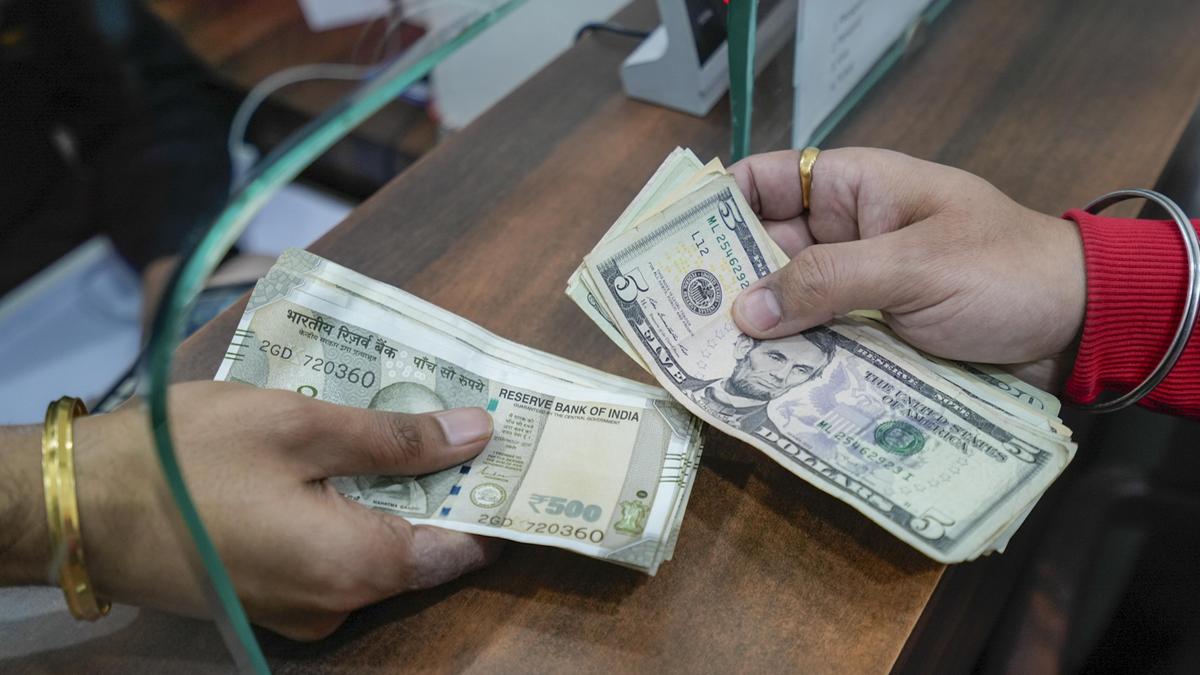
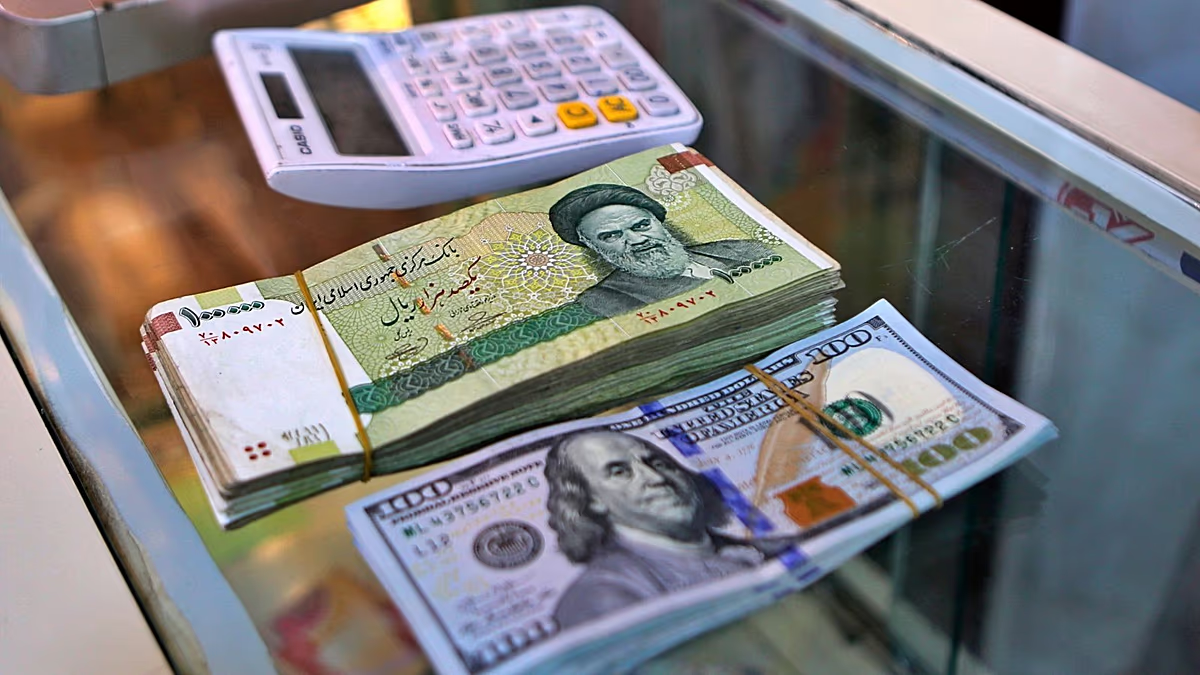
The USD/EGP exchange rate has shifted to around 51-52 pounds per dollar, down from prior levels near 54-55. The US-Iran framework deal goes beyond just reopening the strait. It reportedly involves extending a ceasefire and lifting elements of a US naval blockade, with a formal signing anticipated around June 19.