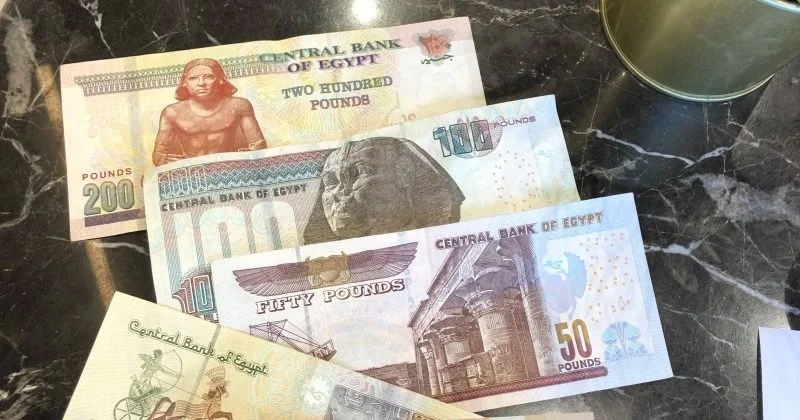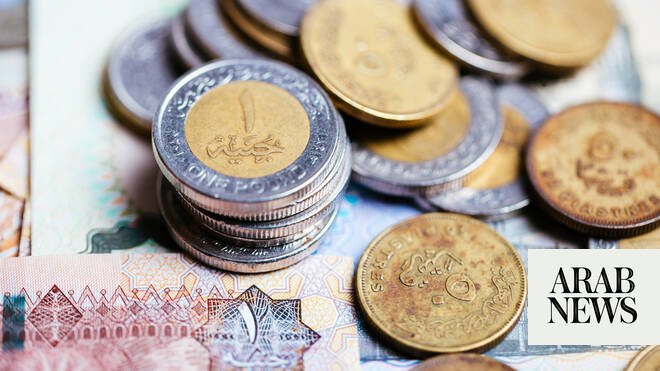
The Egyptian pound didn’t become the world’s top currency. It became one of the world’s most battered ones.
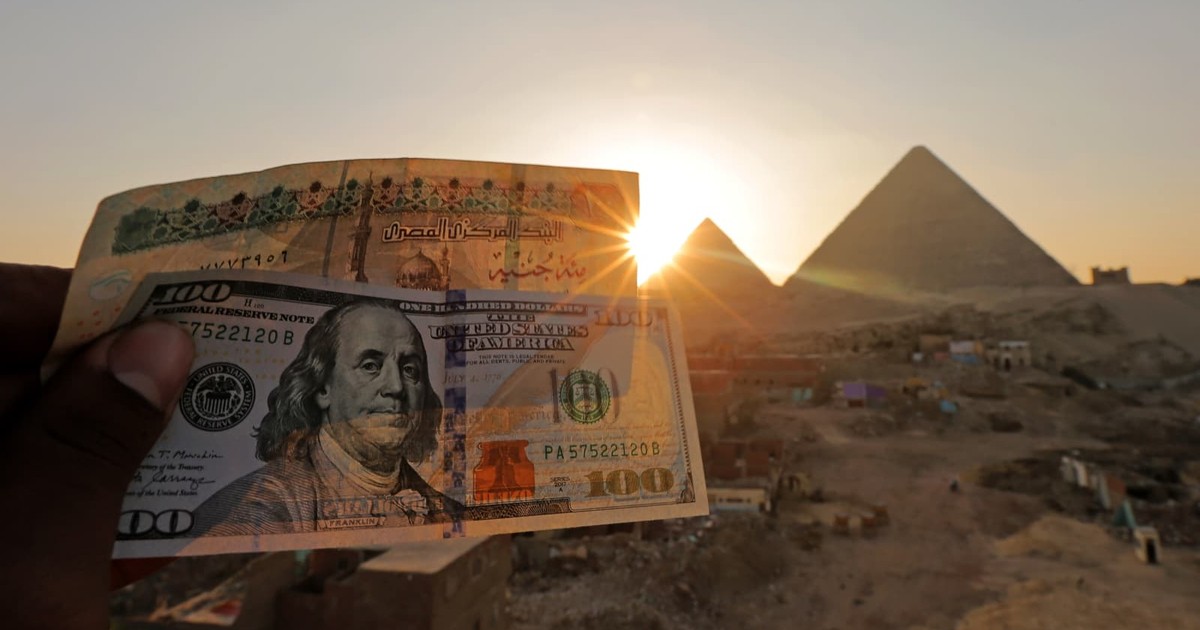
In March 2026, the USD/EGP exchange rate peaked at approximately 54.86, marking a record low for the pound against the dollar. The culprit: an oil price shock fueled by geopolitical instability in the Middle East, particularly surrounding Iran, that has turned Egypt’s status as a net energy importer into an acute financial liability.
The pound depreciated by roughly 8-14% during the early phases of these tensions. And while a modest recovery brought the rate back to around 50 EGP per dollar by mid-June, the damage to Egypt’s balance of payments has been severe. Every $10 increase in oil prices adds approximately $2.5 billion to Egypt’s import bill.
A central bank choosing flexibility over defense
In past crises, Egypt’s central bank burned through foreign reserves to defend currency pegs. This time, the Central Bank of Egypt has taken a different approach, permitting greater exchange-rate flexibility and letting the pound find its own level.