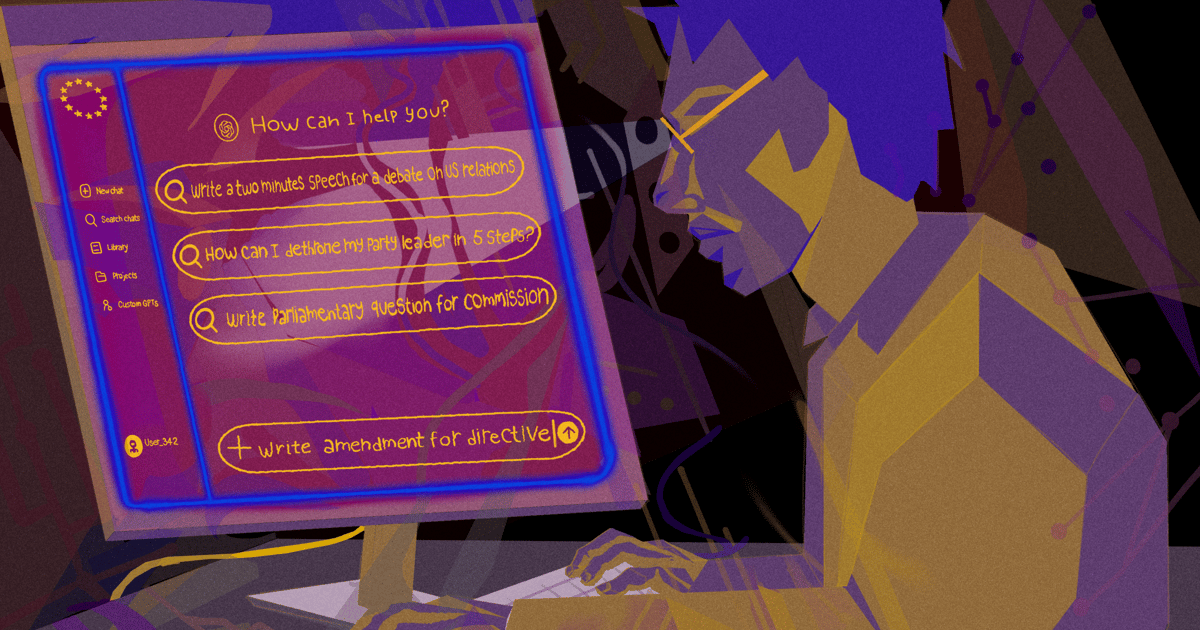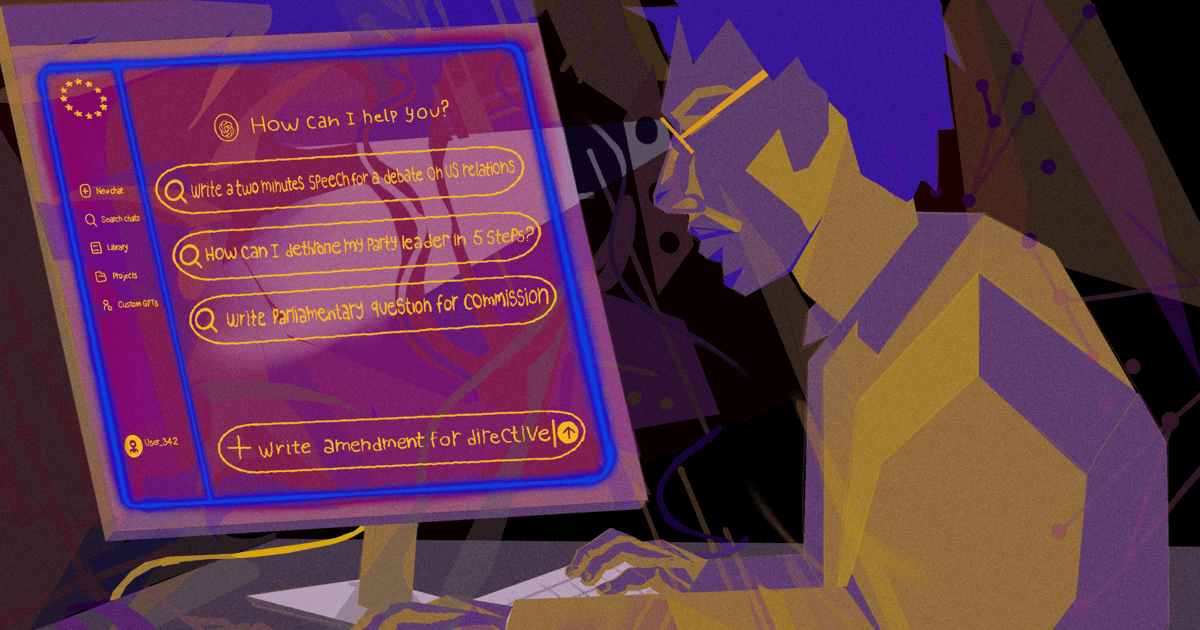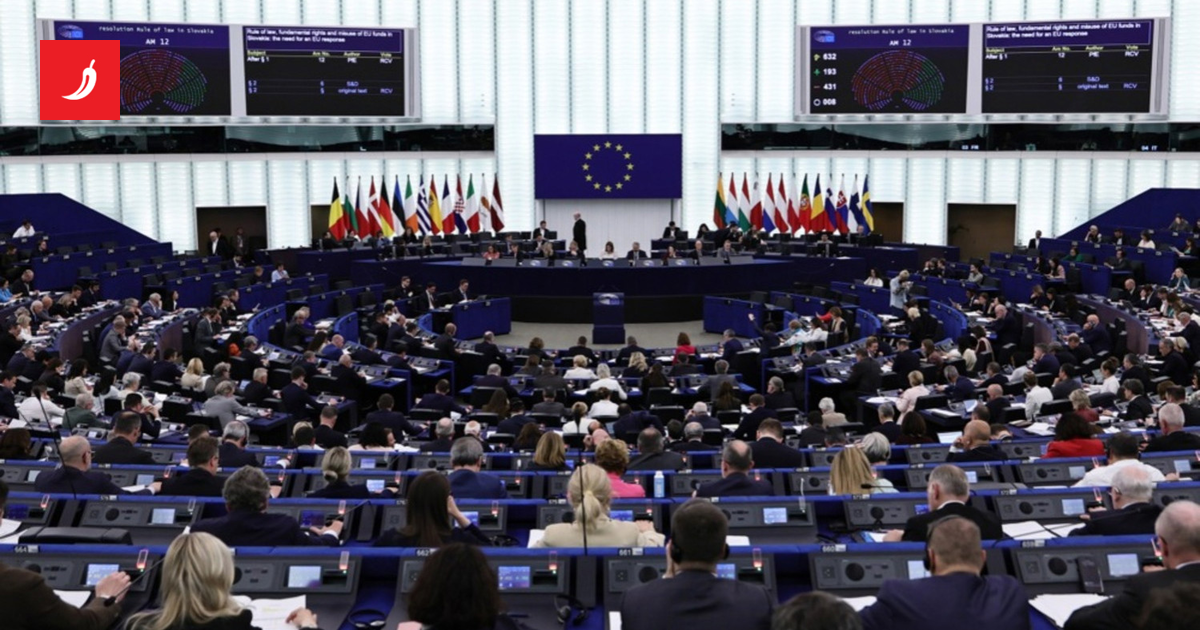
Fianna Fáil MEPs will not use artificial intelligence (AI) to write speeches, decide policy positions or communicate with constituents under a proposed policy.The draft policy paper on generative AI, which was drafted by Barry Andrews with the assistance of AI, said “certain core tasks of an MEP – such as communication with constituents, speaking in parliament and deciding on legislation – are essential elements of democracy”.It sets out a list of “acceptable” and “restricted” uses for AI, and says a core principle is that AI use “must comply with applicable EU and Irish law, including data protection, copyright, and the AI Act”.Restricted uses of AI for MEPs include: deciding on voting positions and drafting parliamentary speeches; and in correspondence with constituents, press release quotes, published opinion pieces and Parliamentary Questions.But the same paper says AI can be used to “assist” in drafting parliamentary questions, amendments, briefings or correspondence. It also says AI can be used for summarising public documents, reports or proposed laws, simplifying complex EU documents, generating “ideas” or policy options, making social media content and suggesting “counterarguments to political points”. Meanwhile, two Sinn Féin MEPs have defended their decision to abstain on significant AI proposals that include a ban on so-called “nudification” apps. On Tuesday, the European Parliament voted in favour of “simplification” measures for AI regulations. These included a proposal to ban AI technology that can generate non-consensual nude images, also known as “nudification” apps. The proposal passed with 423 votes in favour, 57 against and 174 abstentions. The only Irish MEPs who did not support the measure were Independent Luke ‘Ming’ Flanagan and Sinn Féin MEPs Lynn Boylan and Kathleen Funchion. [ Anthropic scrambles after Trump administration freezes its top AI modelsOpens in new window ]Boylan and Funchion said in a joint statement they had abstained because the rest of the AI simplification package “significantly weakens regulation of AI which we know causes untold damage to individuals”.They said the legislation related to “how AI is used across the board in all of our daily lives”.“When we talk about ‘high-risk AI’, we are not talking about some abstract future technology,” they said. “It could mean a recruitment tool filtering out women, older workers, disabled people, or people with gaps in their CV before a human ever reads the application. It could mean an AI health or care tool deciding priority, risk, access to services or supports, but doing so unfairly because it was trained on poor or biased data and lacks human oversight.”They said weakening AI safeguards would not protect women and children. “The ban on nudification could have been dealt with in a standalone piece of legislation but its inclusion is why we abstained,” they said.
Fianna Fáil MEPs propose AI guidelines restricting use in speeches and policy
Draft policy paper written by Barry Andrews with assistance of artificial intelligence
450 words~2 min read