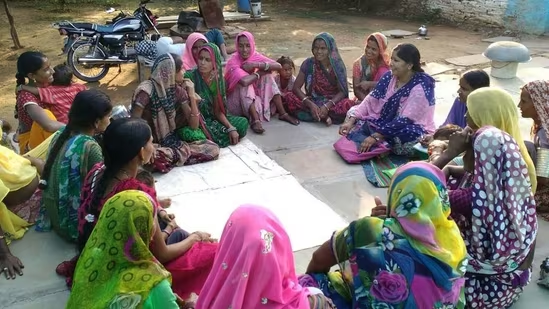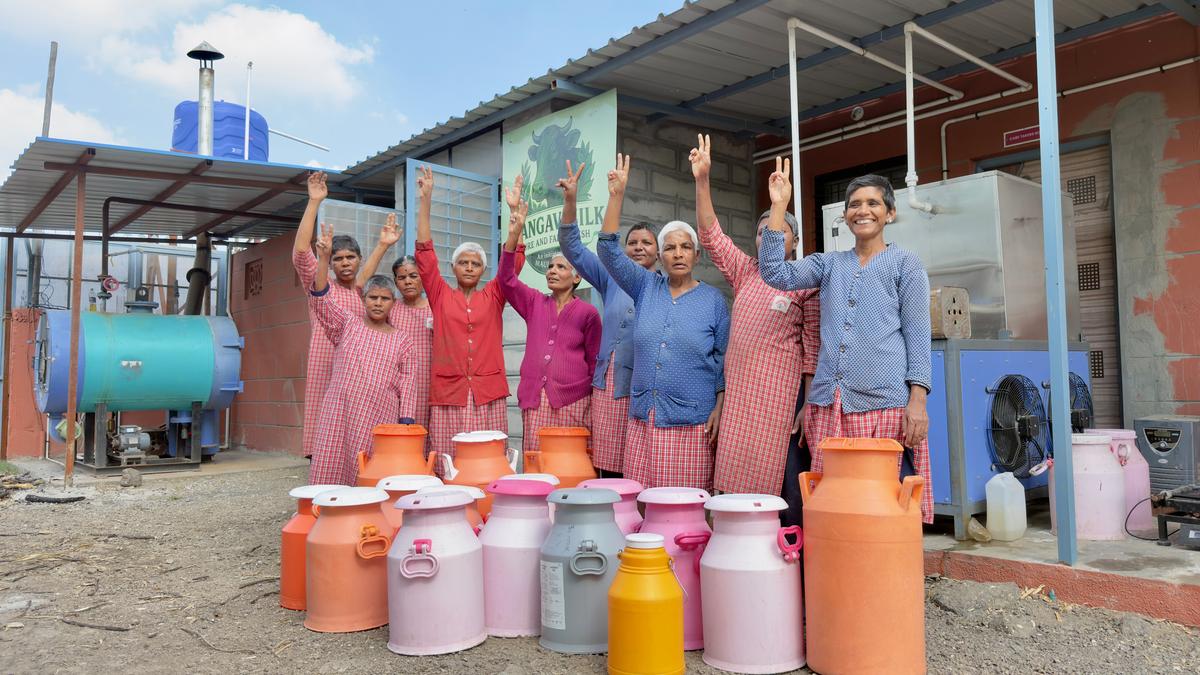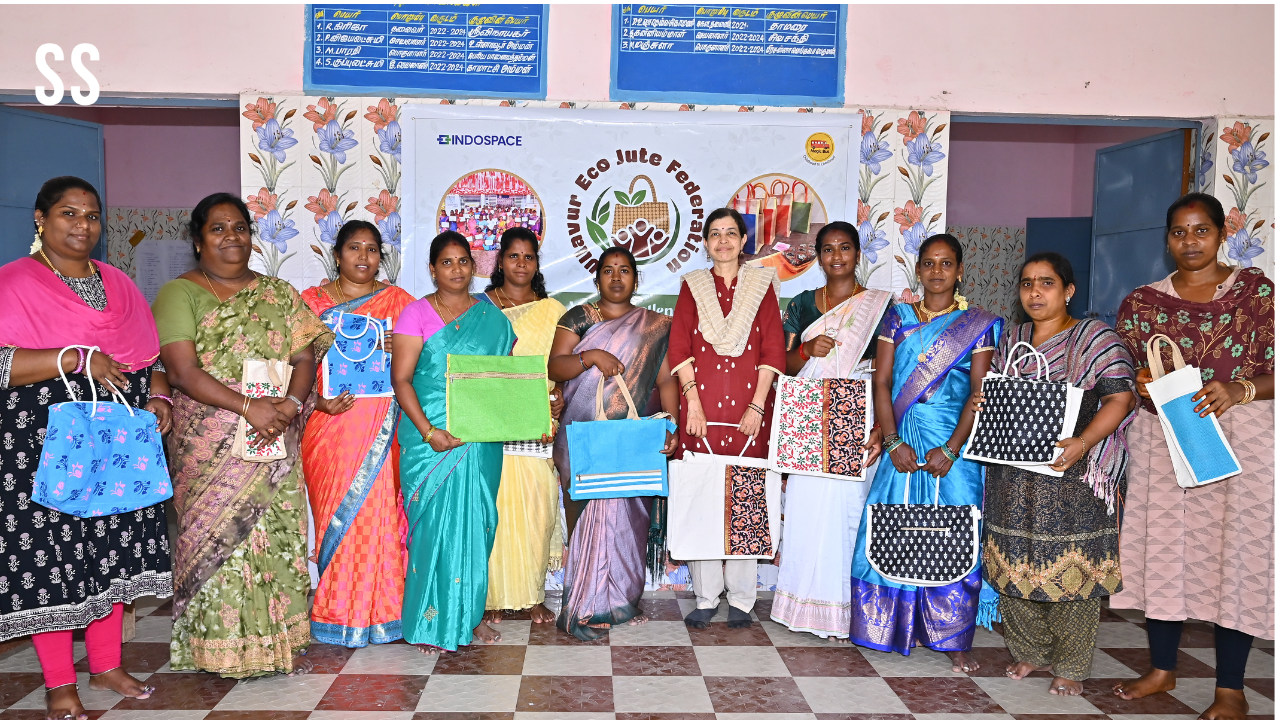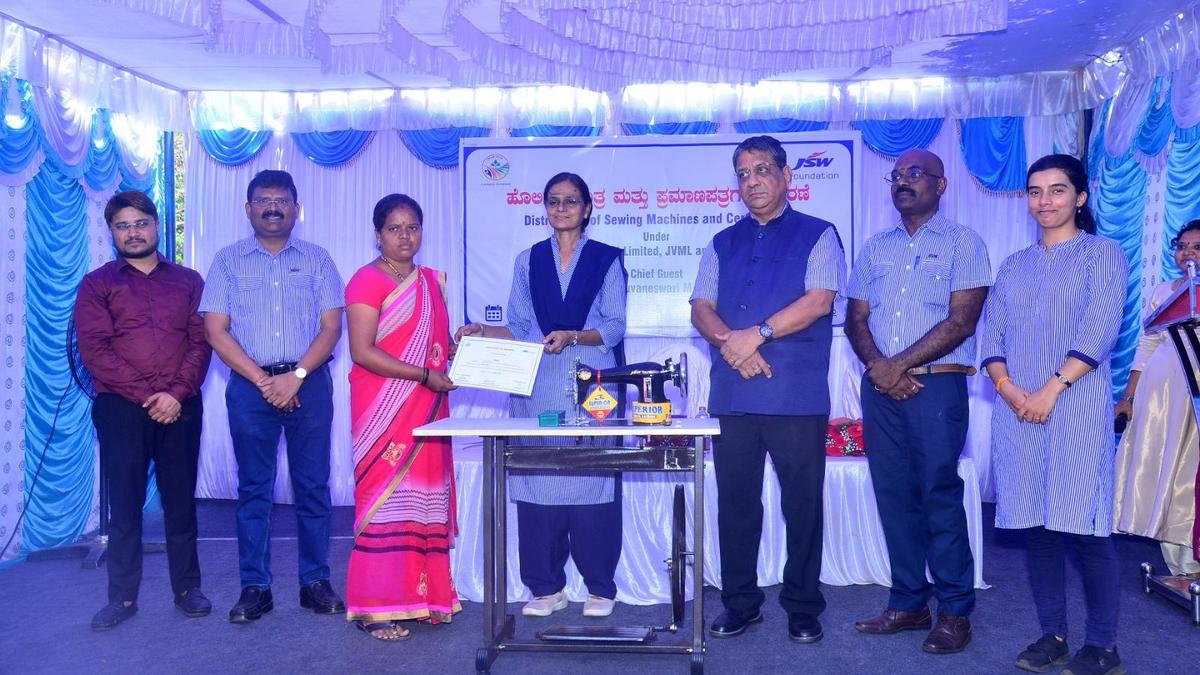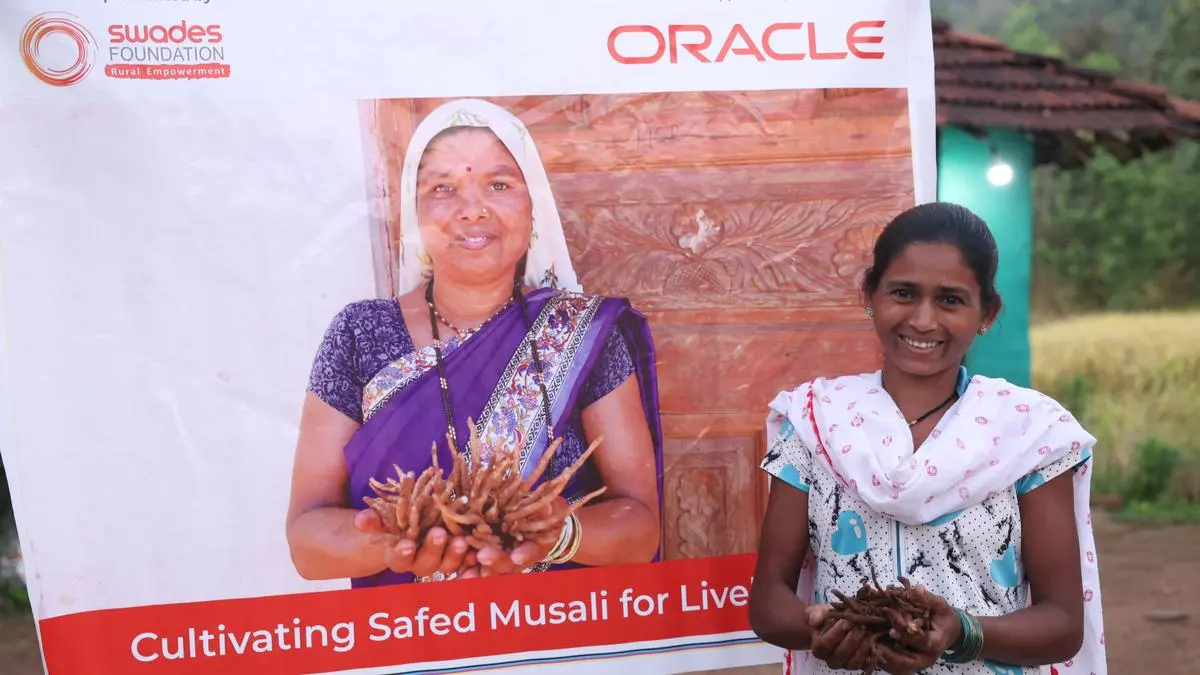
The first year of the rural livelihoods programme by Oracle and Swades Foundation has helped over 900 women farmers and entrepreneurs across Nashik and Raigad districts in Maharashtra.The programme included training in sustainable farming, dairy management, and financial literacy, complemented by market linkages to ensure sustained income generation.A statement said the key highlight of the programme was the introduction of Safed Musali cultivation to 525 women farmers. As a high-value, climate-resilient crop, it offers the potential to increase annual incomes to ₹25,000-40,000.Additionally, 373 women were supported with high-yield cattle for dairy farming, generating steady daily income with annual earnings of up to ₹40,000.The initiative also strengthened women entrepreneurship, supporting 62 women with seed capital and equipment to scale microenterprises in food processing, retail, and agri-based activities. Each enterprise is expected to generate an additional ₹40,000-50,000 annually, it said.Sustainable farming practicesAll women received training in sustainable farming practices, dairy management, and financial decision making. Farmers were also connected to local markets to ensure better price realization and long-term sustainability.Quoting Mangesh Wange, Chief Executive Officer of Swades Foundation, the statement said: “At Swades Foundation, we believe in change that is driven by communities and built to last. By combining high-value agriculture, dairy, and entrepreneurship with financial literacy, we’re seeing not just better incomes, but greater confidence and agency. It’s powerful to see these women step forward as drivers of growth in their communities.”Neha Khare, Oracle spokesperson, said: “Our partnership with Swades Foundation reflects our commitment to creating tangible, scalable outcomes in rural communities. By enabling diversified livelihoods, entrepreneurship, and climate-resilient agriculture, we are supporting rural women to move beyond being income earners to becoming entrepreneurs, wealth creators, and, increasingly, employers themselves. As these women build sustainable incomes and financial independence, they are also creating opportunities for others in their communities - demonstrating a model of change that is both scalable and built for long-term impact.”Published on June 17, 2026
Oracle, Swades Foundation rural livelihoods programme helps women in Maharashtra
The programme included training in sustainable farming, dairy management, and financial literacy, complemented by market linkages to ensure sustained income generation.
317 words~1 min read