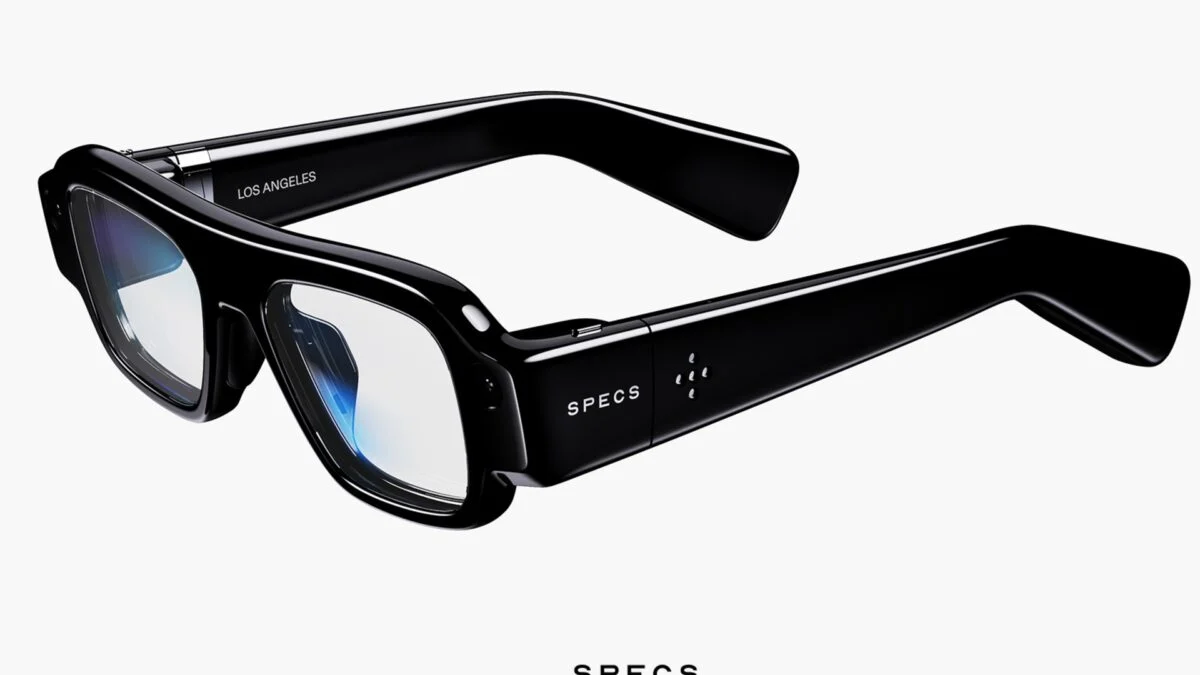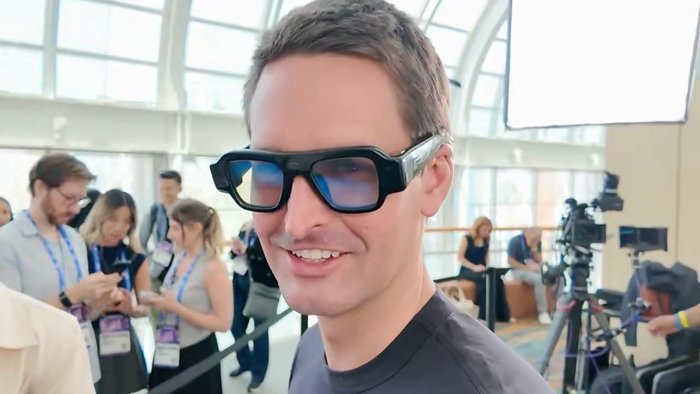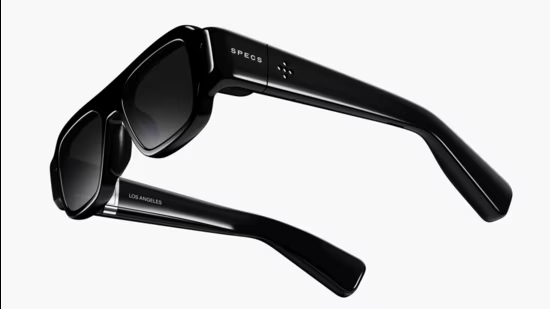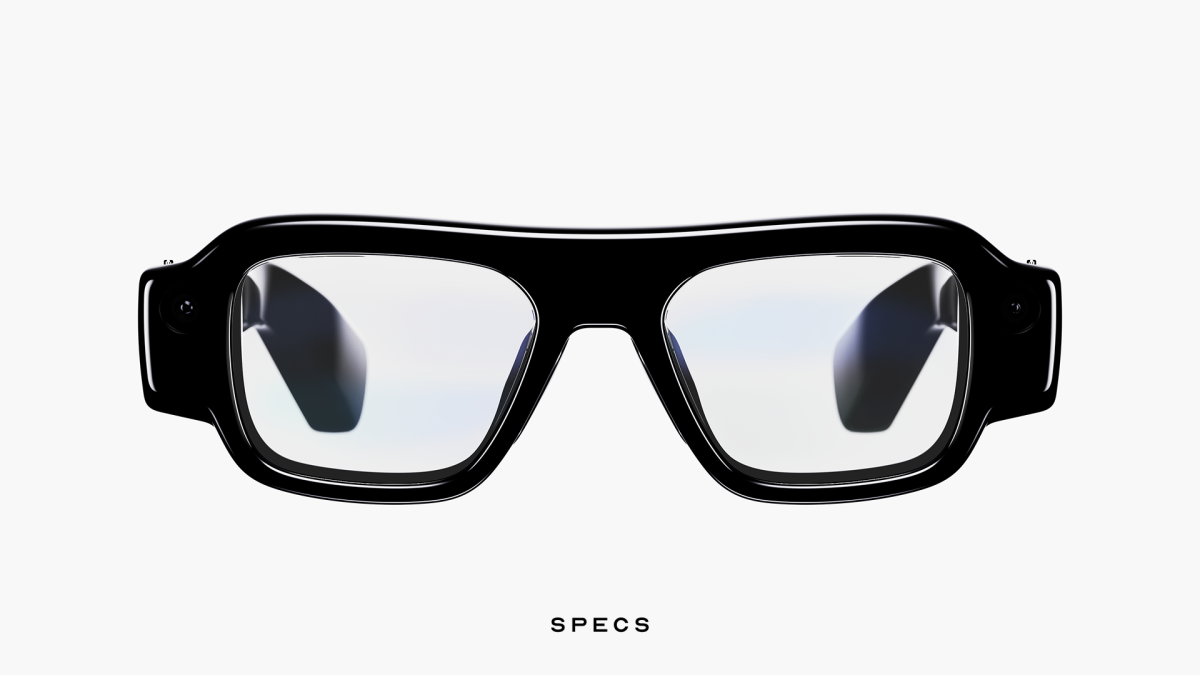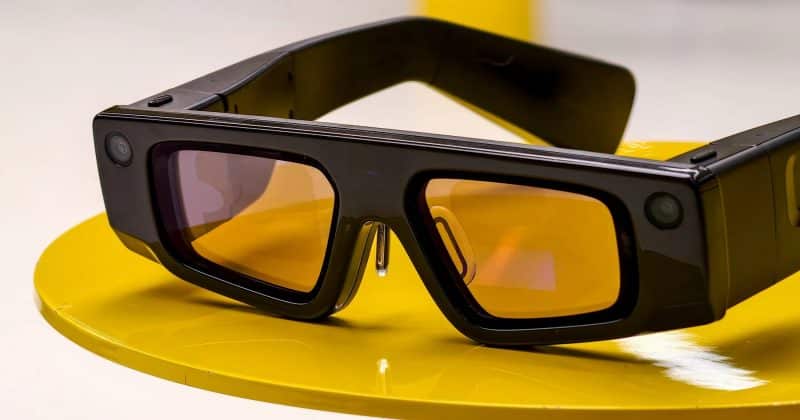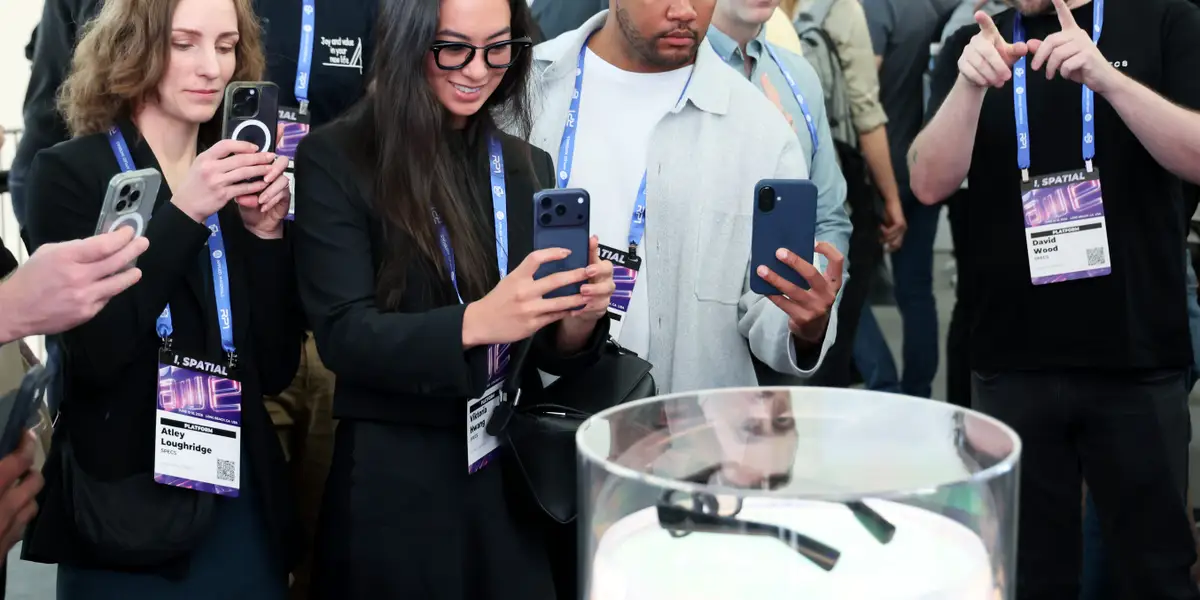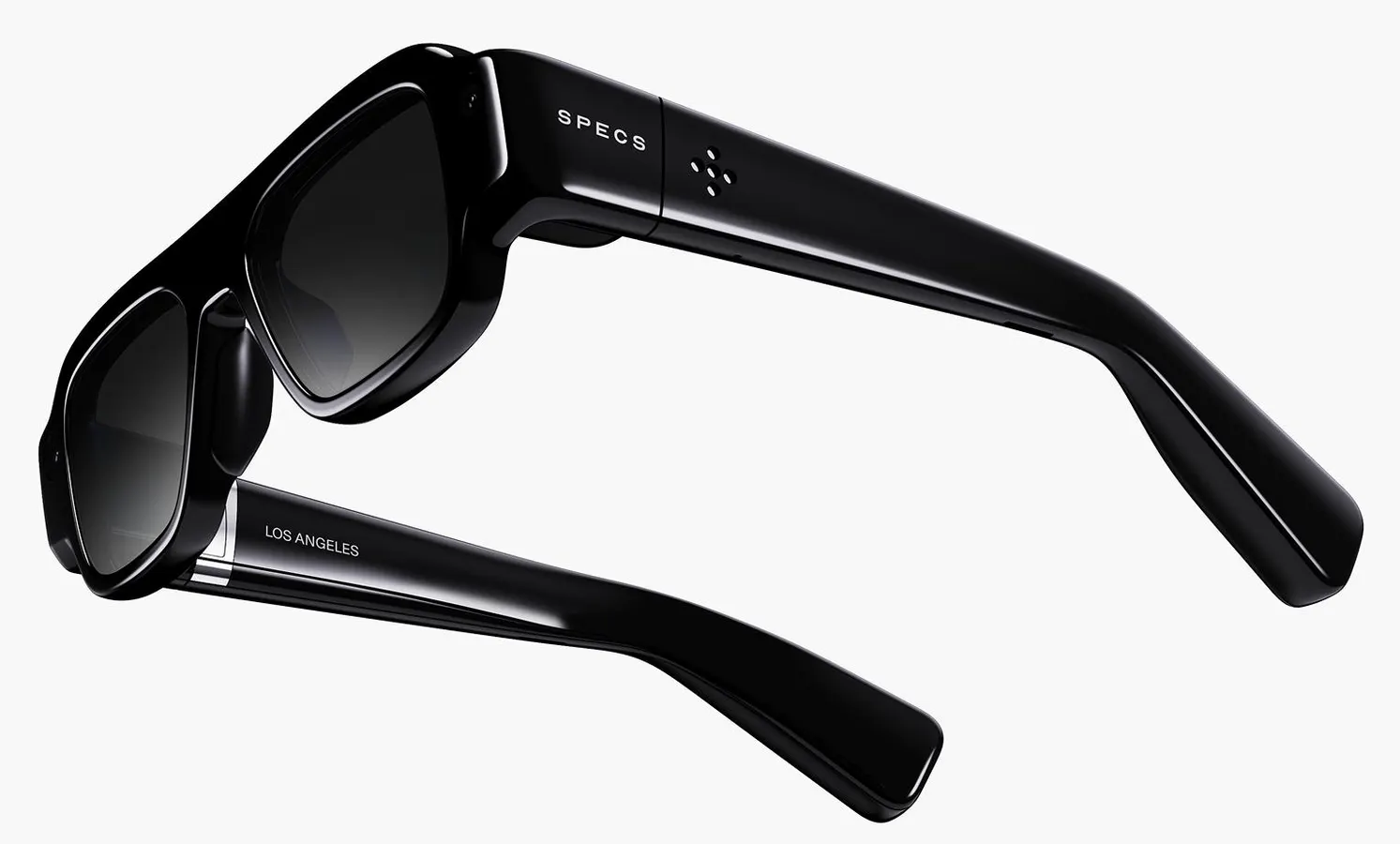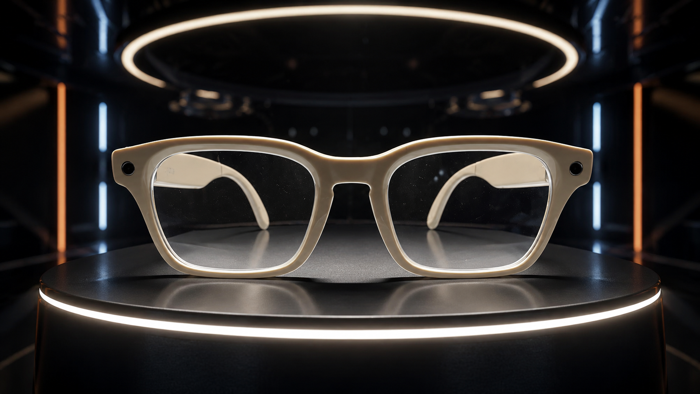
Eyes on the Prize: Smart glasses introduces a category moving quickly from experiment to serious consumer market, as Snap, Meta and Google compete to define what comes next.gettyAfter a decade of experiments, the smart glasses category is moving from curiosity to contestIn early formats, hardware was awkward, the battery life short, the social use case fuzzy, and the public memory still haunted by Google Glass. This week, Snap has launched its first consumer AR glasses, Specs, at $2,195, moving the company out of its long developer-incubation phase and into a much more exposed commercial race with Meta and Google.That price tells you almost everything about where the market is now. These are not mass-market sunglasses with a clever camera hidden in the hinge. Snap is selling a standalone spatial computer for the face, with a 51-degree field of view, dual Snapdragon chips, hand tracking, four hours of battery life, and up to 20 hours with the charging case. In other words, it is not trying to beat Meta’s Ray-Bans on wearability. It is trying to argue that the next important screen may not be a phone screen at all.View of the MarketplaceFor now, Meta is the clear volume leader. Industry estimates put the company at roughly 70% of the smart-glasses market, with 3.5 million Meta Ray-Ban units shipped.Behind it sit Xiaomi at 8.5% and Huawei at 2.7%. The distinction, though, is not merely about brand strength, but product philosophy. Meta has won early by making smart glasses look and feel close enough to ordinary eyewear that people will actually wear them all day.MORE FOR YOUThat matters because wear time is still the category’s unresolved truth. The vast majority of shipments, around 91%, by one 2026 forecast, are still audio-first smart glasses, not display-heavy AR devices. Lighter frames, familiar silhouettes and easier daily use continue to beat technical ambition when the product sits on the face rather than on a desk. That is why Snap’s new Specs, at 132 grams, are being positioned for shorter, more immersive sessions rather than all-day wear.Double vision Snap Specs product image Snap’s new Specs, priced at $2,195, are designed less as everyday eyewear and more as a standalone spatial computer - a sign the smart-glasses market has reached a genuine inflection point.SNAPThe more interesting number is not market share but growth. One 2026 industry forecast expects AI smart-glasses shipments to rise 85% year over year, passing 15 million units worldwide. Another projects an even larger jump, from 6 million units in 2025 to 20 million in 2026. Forecasts vary, but the direction is the same: the category is no longer being treated as a novelty side-show. It is beginning to look like a genuine hardware frontier.That does not mean the market has settled. In fact, the opposite. What is emerging now is a split between two distinct design languages.One is the ambient AI companion: glasses that look normal, sound useful, and let you ask questions, take calls, listen to music, translate signs or capture moments without ever introducing a visible display. Meta’s Ray-Bans sit squarely here.The other is the standalone spatial computer: devices that project digital graphics into the real world and ask the wearer to do more than listen. Snap’s Specs belong to that camp, which is much more ambitious and, for now, much harder to normalise. Yet it seems Snap has spent enough money to make this a serious testNews reporting highlights the company has now spent more than $3.5 billion on its AR glasses ambitions, after more than a decade of development, and had already reorganised the unit into a standalone subsidiary earlier this year. That sort of spend changes the tone. A prototype can afford to be charming. A multibillion-dollar bet cannot.The pressure is softened only slightly by the rest of the business looking steadier. In Q1 2026, Snap reported $1.529 billion in revenue, up 12% year over year, while its “Other Revenue” segment, driven by subscriptions such as Snapchat+ and Lens+ rose 87% to $285 million. Clearly it is not funding Specs from a collapsing core. It has a platform business that is stabilising while the hardware story gets more expensive.Are Snap then late to commercial smart glasses opportunity? That is true in one sense and slightly misleading in another. Snap has been working on this for years, and the company enters the consumer phase with a substantial AR ecosystem already in place. It has spent the past decade cultivating developers, creators and brands around augmented reality, and has repeatedly argued that its advantage lies not only in hardware but in the software and experiences layered on top. Snap said this week that developers have already published hundreds of Lenses for Specs, after a year and a half of 10 Snap OS updates and more than 40 new features and APIs.That is a smaller claim than the broader, often-cited figure of 400,000 developers building 4 million AR lenses across Snap’s wider platform, but it is the more commercially relevant one right now. Consumer hardware does not succeed on technical merit alone. It succeeds when people can immediately understand what it is for.Wearability v. Tech ability That is where the category still feels unresolved. Earlier generations of smart glasses struggled badly with retention. Even Snap’s older Spectacles models were a reminder that novelty is not the same thing as habit. The industry has improved on battery life, display quality and AI use cases, but face-worn hardware remains more intimate, and therefore more demanding, than almost any other category in consumer tech.Meta has answered that problem by making the glasses as close to normal eyewear as possible. Snap is answering it by betting that there are moments when people will accept a heavier device because the experience is strong enough: a 3D game hovering above a table, navigation layered onto the street, live visual coaching, spatial collaboration. The question is whether those moments are frequent enough to sustain a category beyond enthusiasts.Meta’s Long Distance ViewMeta’s advantage is not simply that it moved first. It is that it understood the category’s central tension sooner than most of its rivals: people may be curious about smart glasses, but they still need to want to wear them. That is why the Ray-Ban partnership matters so much. By placing the technology inside frames people already recognise, Meta turned a futuristic hardware problem into a familiarity play. Recent reporting shows Meta accounted for 76.1% of global smart-glasses shipments in 2025, while Ray-Ban Meta and related models have already reached the multimillion-unit mark, giving the company a lead built less on technical spectacle than on social acceptability. Snap is betting on the next screen. Meta is betting that the first battle is still the face.What Next?For years, smart glasses were discussed as though one device would eventually win. The more plausible outcome is that the market becomes layered.Audio-first glasses may become the everyday companion: lighter, cheaper, more wearable, closer in spirit to earbuds with a frame.AR-first glasses may become the higher-value device: more immersive, less constant, used for gaming, shopping, navigation, work, sport and certain forms of entertainment.That is what makes Snap’s launch this week significant, even if the product itself remains niche at first. It signals that the category has reached the stage where companies are no longer simply testing whether people might want smart glasses. They are beginning to define what kind of smart glasses people may want.And that is usually the point at which a technology stops being experimental and starts becoming a market.
Snap Smart Glasses Hit The Market At $2,195 As AR Wearables Reach Inflection Point
Snap’s $2,195 Specs signal a turning point for smart glasses, as Meta leads the market and AR wearables move from experiment to serious consumer technology
1,249 words~6 min read