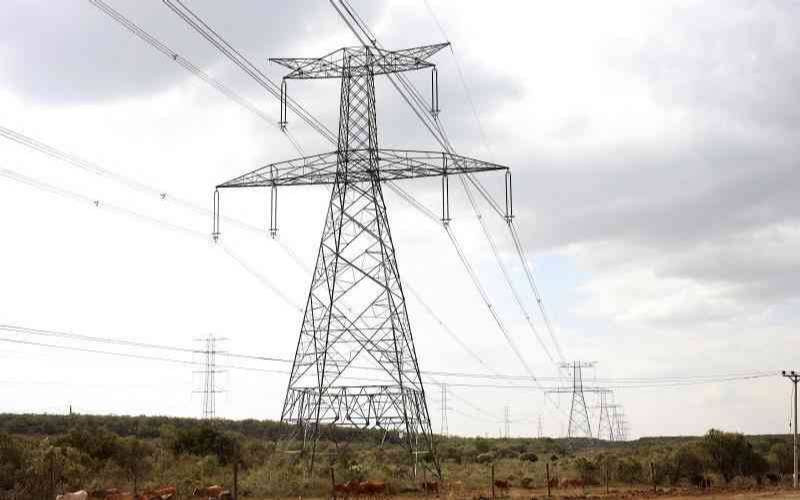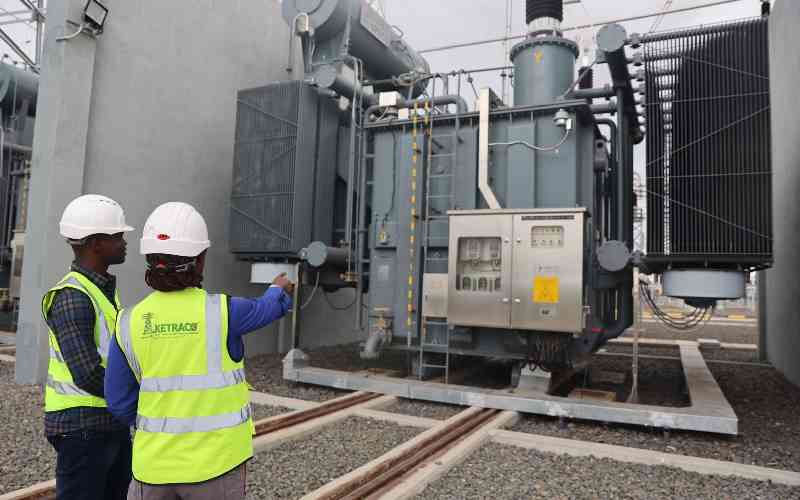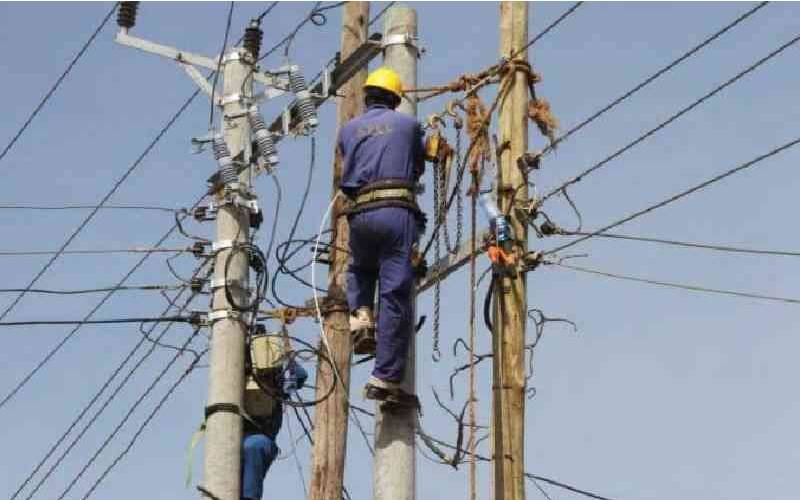
Imagine building high-voltage transmission lines across remote terrain on volcanic ground with steep escarpments, earthquake-prone areas, and geothermal hotspots. Then, add the challenge of building on protected wildlife areas and engaging with inhabitants of politically sensitive community lands.
Managing abundance
These are just some of the challenges facing KETRACO, Kenya’s electricity transmission company, as Africa’s energy sector is undergoing a shift from a centralized power system to a more diversified, renewable-energy-based grid.
“Renewable energy is abundant. The real challenge is how to manage, integrate, and stabilize it,” Dr. Njogu Kimando, energy expert at KETRACO, said, speaking at the TAC Insights conference for SAP for Energy and Utilities in Toulouse. “The energy transition is not constrained by capacity, but by our ability to manage complexity in real time.”
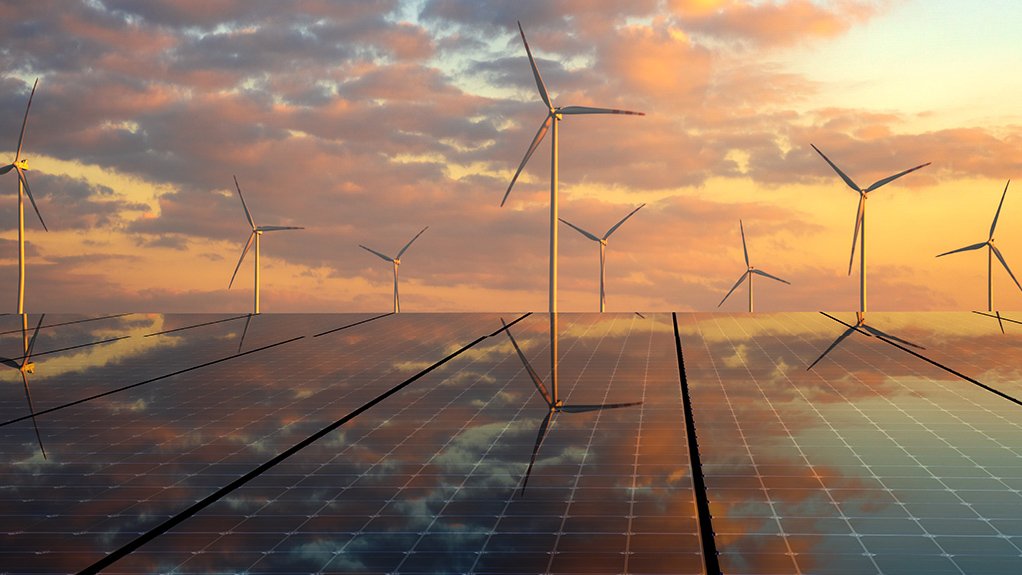
Geothermal power generated in the Great Rift Valley provides about 40% of electricity in the region, making Kenya Africa’s largest geothermal producer. About 24% is generated by hydro power from rivers. The rest of the demand is met by wind power coming mostly from Lake Turkana, Africa’s largest wind farm, as well as solar. The fastest growing sector, solar is widely used in rural homes and businesses. Kenya has one of the highest household solar adoption rates in the world.