Audio By Vocalize
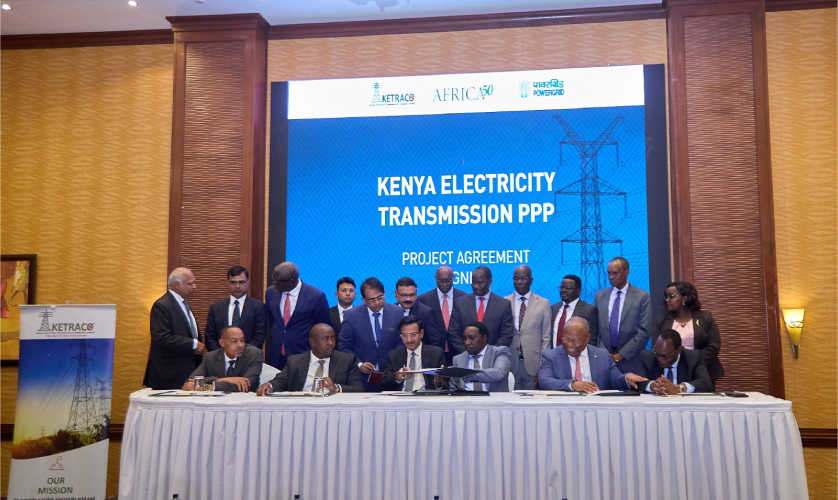
Successful transmission PPPs require strong planning, legal certainty, stakeholder coordination, and appropriate risk allocation.[Courtesy, KETRACO]
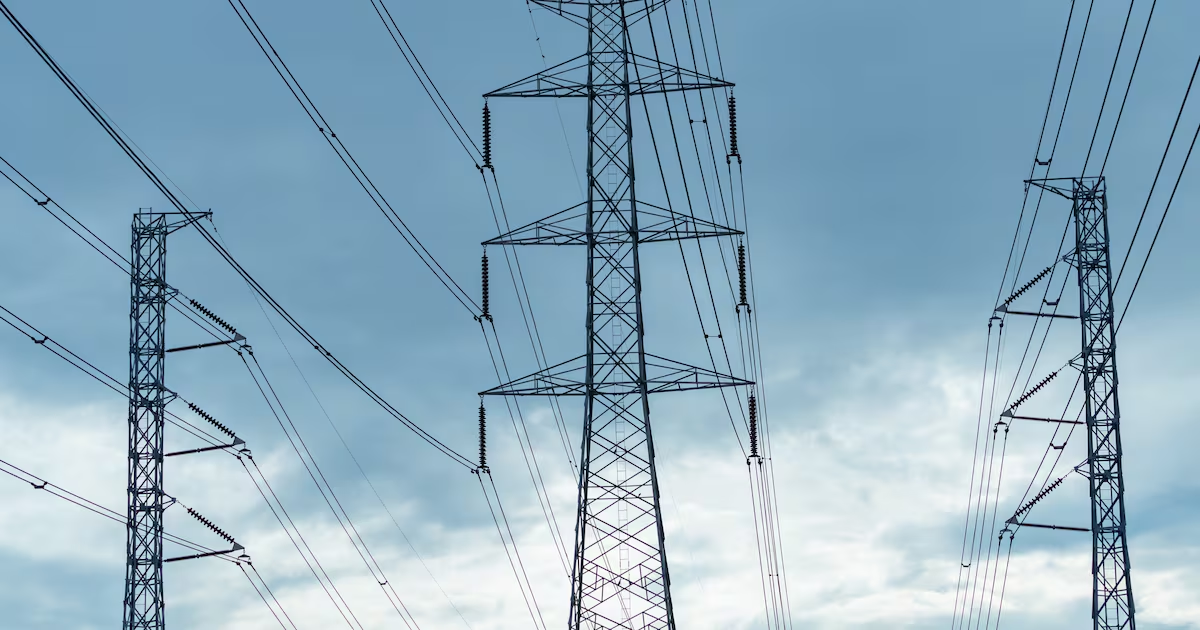
Kenya’s energy sector has long been regarded as commercially viable, demonstrating sector revenues exceeding Sh231 billion annually and attracting private investment in power generation for decades. Yet, for all this success, private capital has largely stopped at the power plant gate. The recent commercial close of energy transmission PPP between KETRACO, Africa50 and POWERGRID Corporation of India marks an important shift in Kenya’s energy story, one that extends private sector participation beyond generation and into the national grid itself.
Transmission assets share several characteristics that align well with PPP structures. They demand significant upfront capital investment, but once built, their operating costs are relatively predictable, and their economic value is realised steadily over long asset lives. This combination produces stable, long-term cash flows, an attractive proposition not only for project lenders, but also for institutional investors such as pension funds seeking core or core-plus infrastructure assets aligned with patient capital.