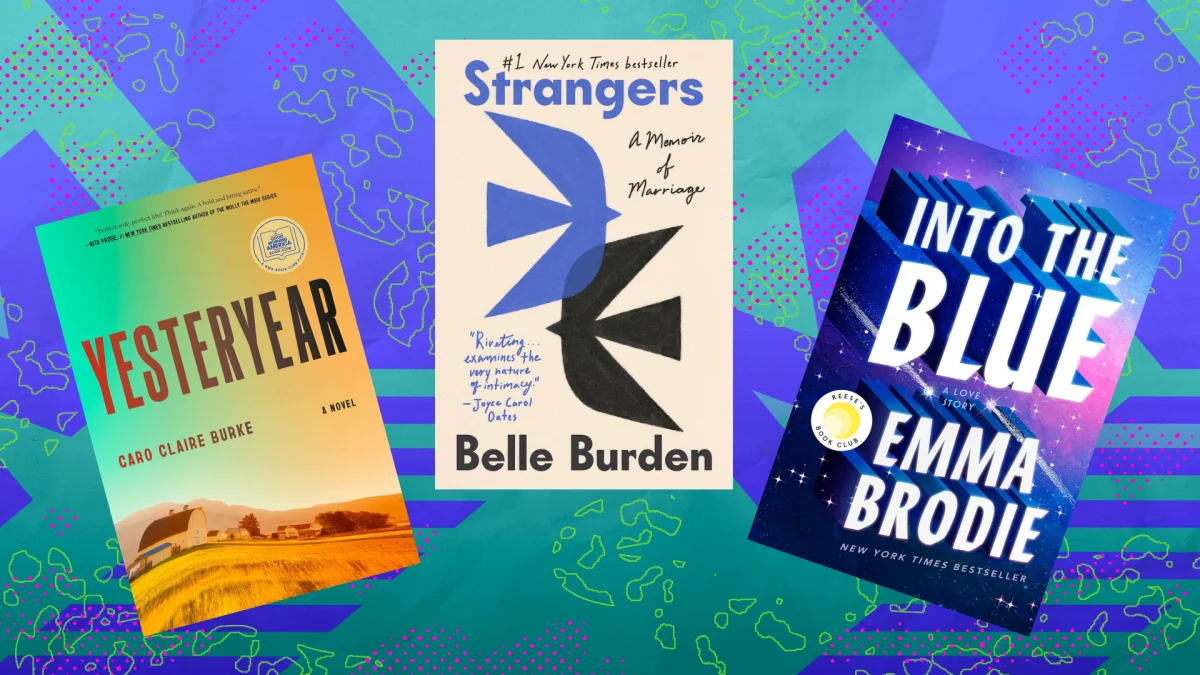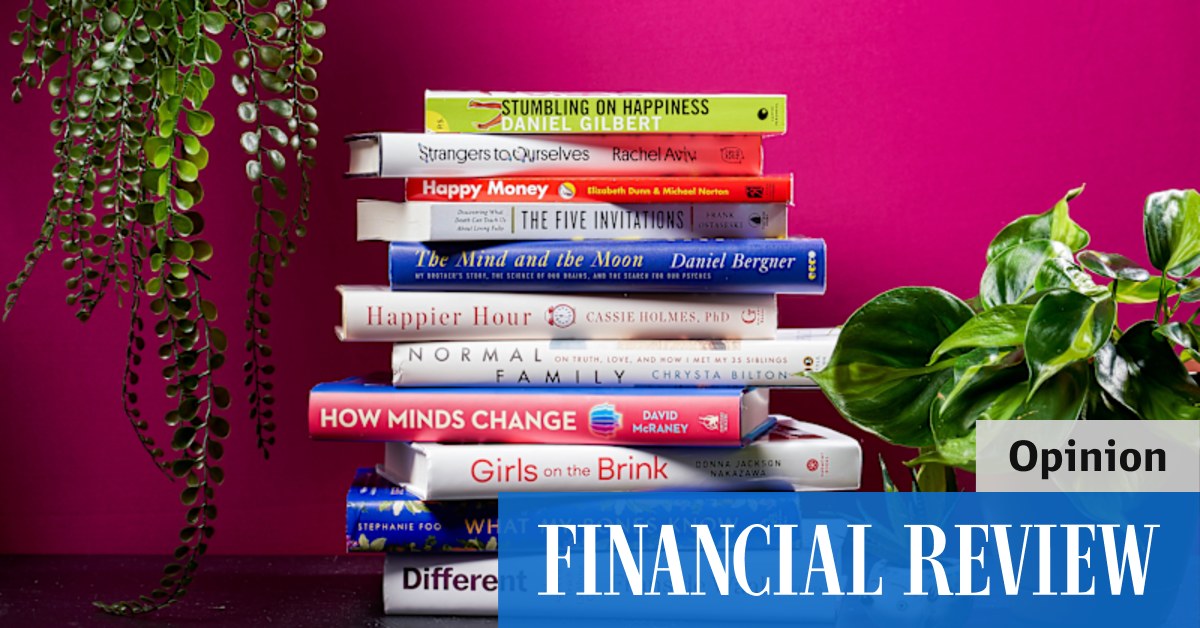
Photo credit gettyMost people have an unread book sitting on a nightstand, shelf, or Kindle right now. Many have entire stacks. With Google searches for “how to start reading books” surging 158% in the past month, it’s clear people want to read more, but are left wondering why they can’t seem to finish, and often assume the problem is on them. It’s far from an individual issue. 66% of people buy books they never end up reading, according to a study from Headway. This is a widespread pattern that’s being shaped by how our routines and attention are structured. We buy books with the best intentions. We want to grow, improve, become more creative and fulfilled, and expand our perspective. But many of those books end up functioning more as décor than development.Books Are Aspirational Purchases, Reading Delivers Hope Books are naturally optimistic objects. Every unread book represents a possible future self. It could mean adopting a new habit or evolving your personal brand. That may explain why so many ambitious people keep buying books. Books they’ll likely never finish, turning opportunities for self-help into shelf help. The phenomenon isn’t simply about discipline or poor reading habits. It’s about identity, aspiration, and self-improvement. People don’t just buy books for information. They buy books for transformation. The Headway data reveal this is less a reading problem than a modern-life problem.Modern Life Is Engineered Against BooksWe know that attention spans are waning, while the demands on our time are increasing. Committing to reading an entire book can seem overwhelming. When you see an article on your favorite online media site labeled ‘a 12-minute read,’ does it feel interesting… or exhausting? Our current work (and life) environment is replete with constant notifications, digital overload, and seemingly endless new content. It’s overwhelming and sometimes paralyzing. And, to compound the problem, we’ve convinced ourselves that we’re excellent at multitasking, despite the fact that multitasking is a myth. Reading one paragraph while checking email and jumping into Slack is not exactly a recipe for deep thinking.Many people aren’t failing at reading because they lack discipline. They’re trying to read in environments that have been built for continuous distraction. We’ve trained our brains to crave constant novelty. Dopamine loops from social media reward us for quick hits of stimulation, not deep focus. We’re looking for a reward when we check our email every 10 minutes. Infinite scrolling happens because there’s always something new, faster, louder, or more intriguing waiting just a thumb swipe away.Books Have Become Brand Identity ElementsSome books are read, others are staged. Sometimes, a book is less about the insights contained inside and more about what the book says without even opening it. We’ve all seen the bookshelf as a background for Zoom meetings (shelfies), sending the not-so-subtle message “I read a lot.” That intellectual signaling can be met with an eyeroll by those peering into your work environment during an online meeting. Some of this is performative theatre, like the author who has a bookshelf full of only their books, with some books arranged to show the cover, not the spine. MORE FOR YOUBut it’s not necessarily all fake. Humans naturally use objects to express identity, even if that identity is aspirational. It’s part of your personal brand identity system. What we consume and surround ourselves with helps shape how we’re perceived. Books, in many ways, aren’t that different from many of the things we choose to have in our office. They can become conversation starters and help express our brands without us saying a word.Reading Books Is Powerful, But There’s Lots Of CompetitionWe’re drowning in content. Articles, podcasts, videos, newsletters, posts, alerts, summaries, recaps of summaries. The result is social media feeds filled with slop and content overload that comes with a growing pressure to consume information faster. Many people now approach books the way they approach social media. That means, skimming, jumping around, and looking for highlights. Future of learning expert and author of the upcoming book, Outlearn to Outperform, Charles Good, cautions, “Highlighting is the most common reading habit and one of the least effective. Replace it with margin notes in your own words: a question, a paraphrase, a "this contradicts X." If you’re paraphrasing, you’re generating, and you remember what you generate, not what you underline. One real note beats a page of yellow." Before AI, we’d google a topic, then check out the links that Google returns, often reading articles or other content on the topic we’re interested in. But today, thanks to AI summaries, we get enough info about the topic, we don’t even bother clicking any of the links. In fact, roughly 52% of Google searches now end without a click. The AI summary provides enough info. AI has become the combination of a mega-mashup and cliff notes of everything that exists on the web. Sure, AI summaries can be useful, but they are not substitutes for immersion, reflection, or deep understanding.Why Deep Reading Still MattersDespite the fact that everything is pointing away from reading entire books, deep reading remains critically important for career-minded professionals. It provides perspective, builds patience, enables synthesis of ideas, and enhances critical thinking. In an AI-driven world where ideas increasingly sound alike, deep reading becomes can become your brand differentiator. People with depth stand out in a world that’s being optimized for speed. Original thinking, which seems to be becoming rarer, often comes from sitting with ideas long enough to connect them in new ways.Maybe Unread Books Aren’t FailureAn unread book is not always evidence of failure. Sometimes it’s evidence of hope. Books still represent curiosity, ambition, aspiration, and growth. The Japanese concept of tsundoku, the habit of buying books and letting them pile up unread, reminds us that we crave knowledge, growth, escape, and depth. Many people still aspire to be readers, even if they struggle to actually read. Those growing stacks of unread books may be among the most honest symbols of modern life, where good intentions collide with waning attention. Unread books are quiet evidence that we still believe we can grow.What Reading Books Means For Your Personal BrandYour personal brand is partially shaped by the depth of your thinking. As AI makes vast amounts of information more accessible, human differentiation won’t come from access to information. It will derive from perspective, judgement, uniqueness, and humanity. The future may belong not to the people who consume the most information, but to the people who think most deeply about it. Unread books represent conversations you still hope to have with a new idea, a new perspective, or a future version of yourself. And maybe that hope is the real value of unread books.William Arruda is a keynote speaker, bestselling author, and personal branding pioneer. He helps organizations boost engagement and impact through personal branding. Watch his complimentary session on AI + Personal Branding + LinkedIn.
Why We Buy Books We Never Read And The Impact On Your Personal Brand
The psychology behind unread books and what they reveal about ambition, identity, and the people we hope to become.
1,146 words~5 min read