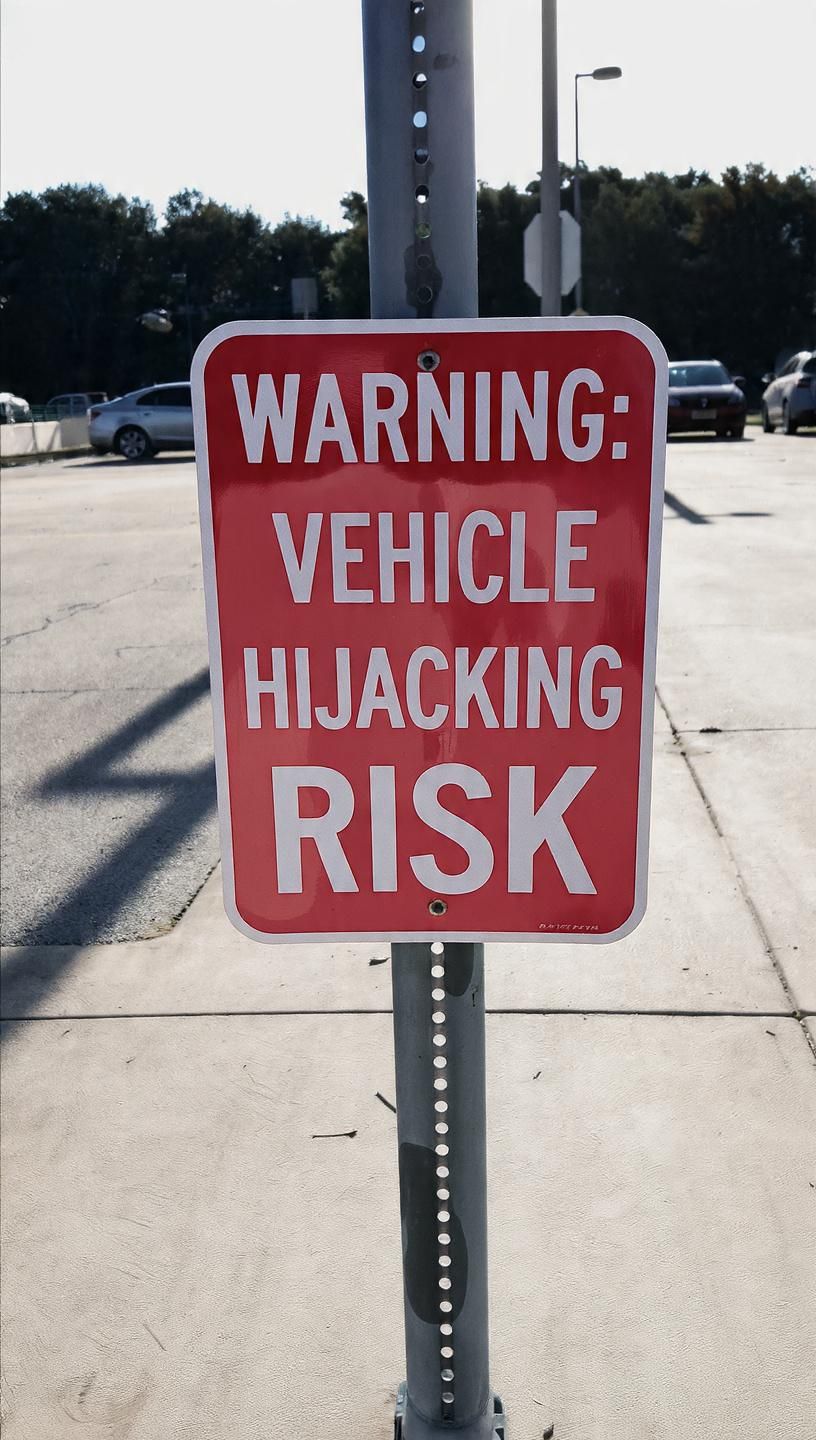
Amid rising fears of kidnappings targeting everyday citizens, South Africa faces a critical juncture. The writer says communities, banks, and law enforcement can unite to reclaim safety and restore societal strength in the fight against evolving crime.
For generations, the word kidnapping in South Africa carried a highly specific, elite connotation. The crime was associated with high-profile industrialists snatched from suburban estates, international investors bundled into luxury vehicles, or tycoons held for weeks while transnational cartels negotiated multimillion-rand ransoms. It was a crime calculated on a grand scale, a terrifying but distant reality for the average citizen. It was an executive risk, managed by insurance policies and private security details. Today, that comforting illusion of distance has shattered.
Traditional, high-end professional ransom schemes are experiencing a sharp structural decline. An aggressive, chaotic, and hyper-efficient criminal wave has emerged: the express kidnapping. In Gauteng alone, an average of 27 abductions are recorded every day. The criminal crosshairs have shifted entirely. Syndicates are no longer hunting billionaires; they are targeting the middle-class commuter, the small business owner, the university student, and the everyday shopper.