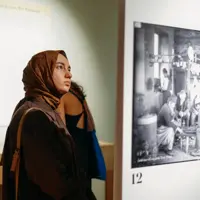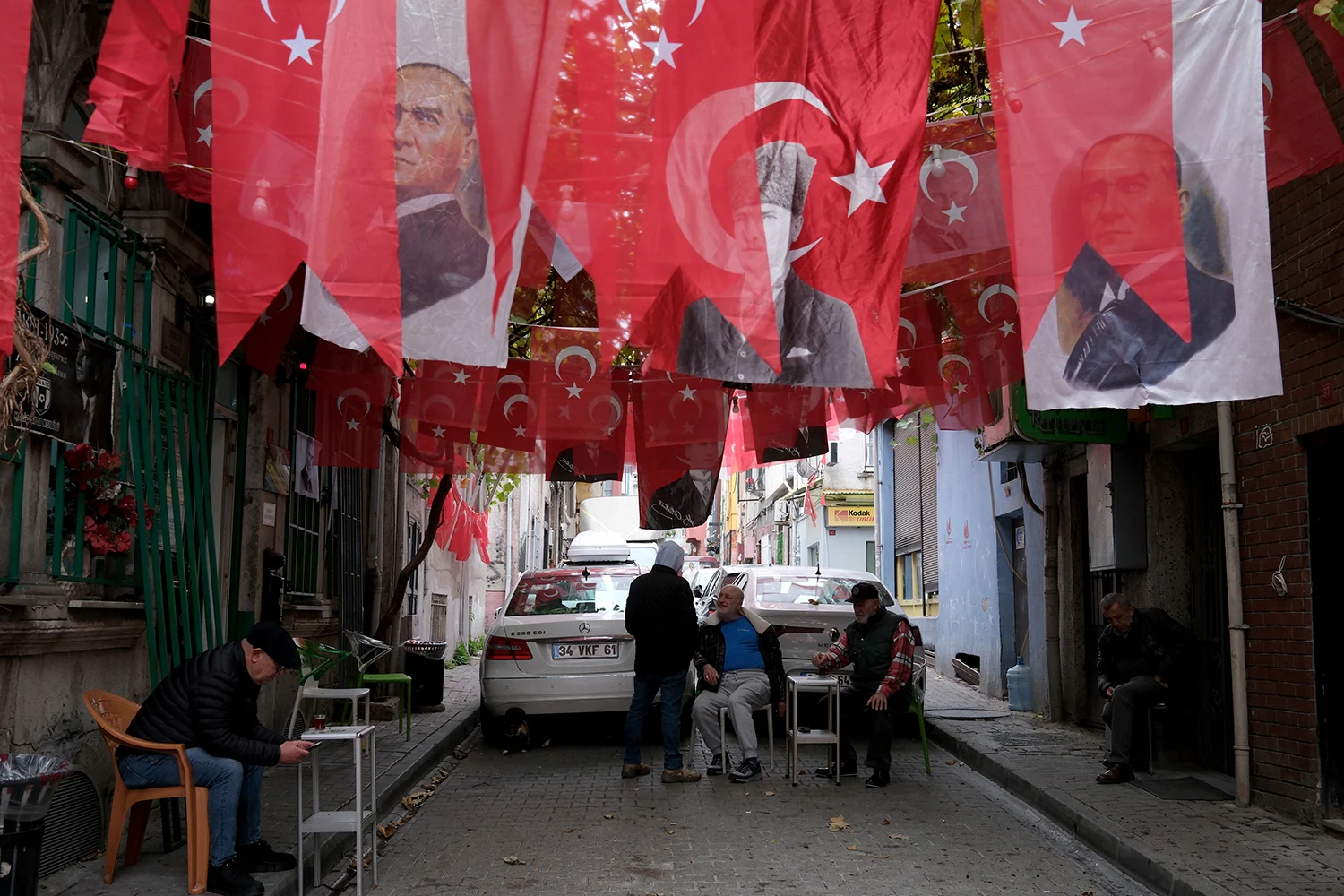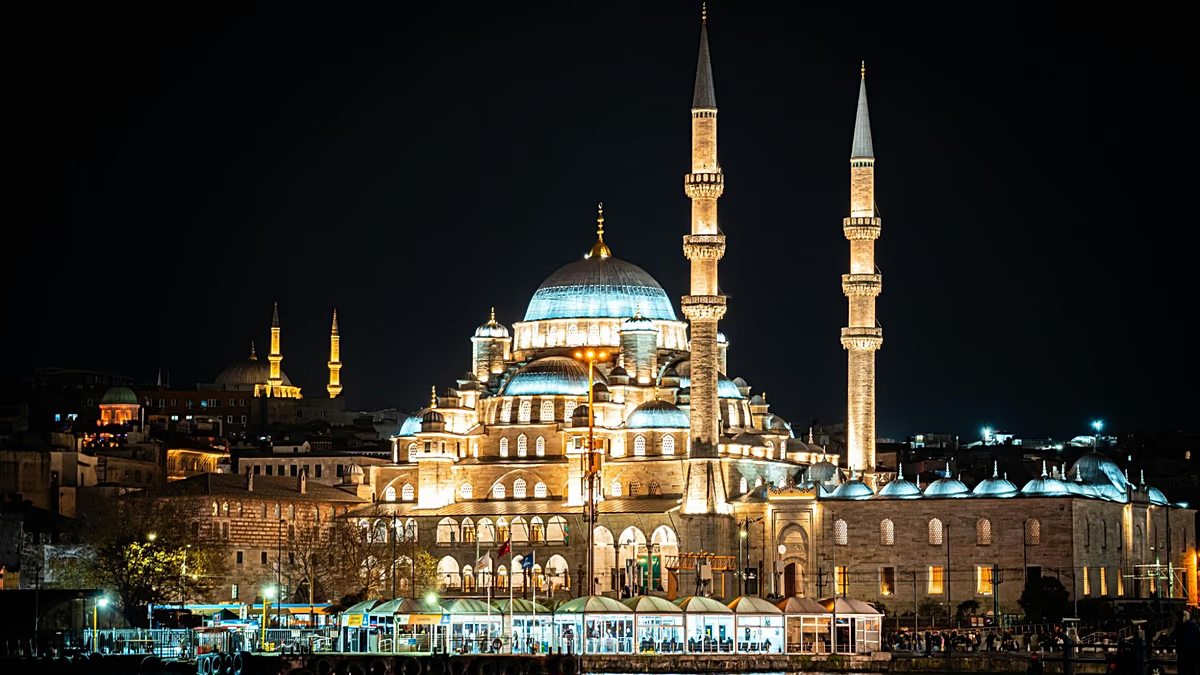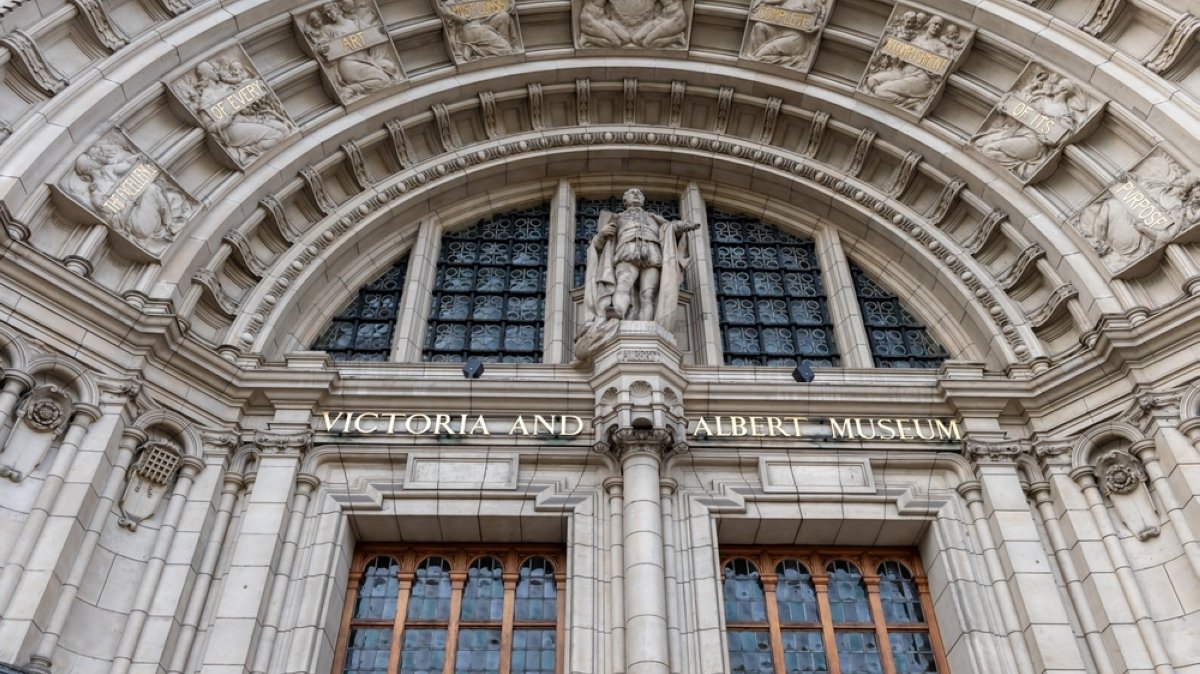
I’ve lost count of how many times I’ve traveled to London over the past 11 years. Each visit was an intellectual journey of its own kind, one spent getting lost in the corridors of this city’s vast cultural institutions. For a long time, though, places like the British Museum or the Victoria and Albert Museum (V&A) spoke to us from a certain distance. They narrated world history through their own imperial filters, their own centralizing gaze. As an Istanbul-based writer and researcher, standing before the famous portrait of Mehmed the Conqueror in London always stirred something deep in me, and yet, the encounter never quite exceeded what it was: becoming part of a story curated by others, frozen inside a permanent collection.
Museum gaze
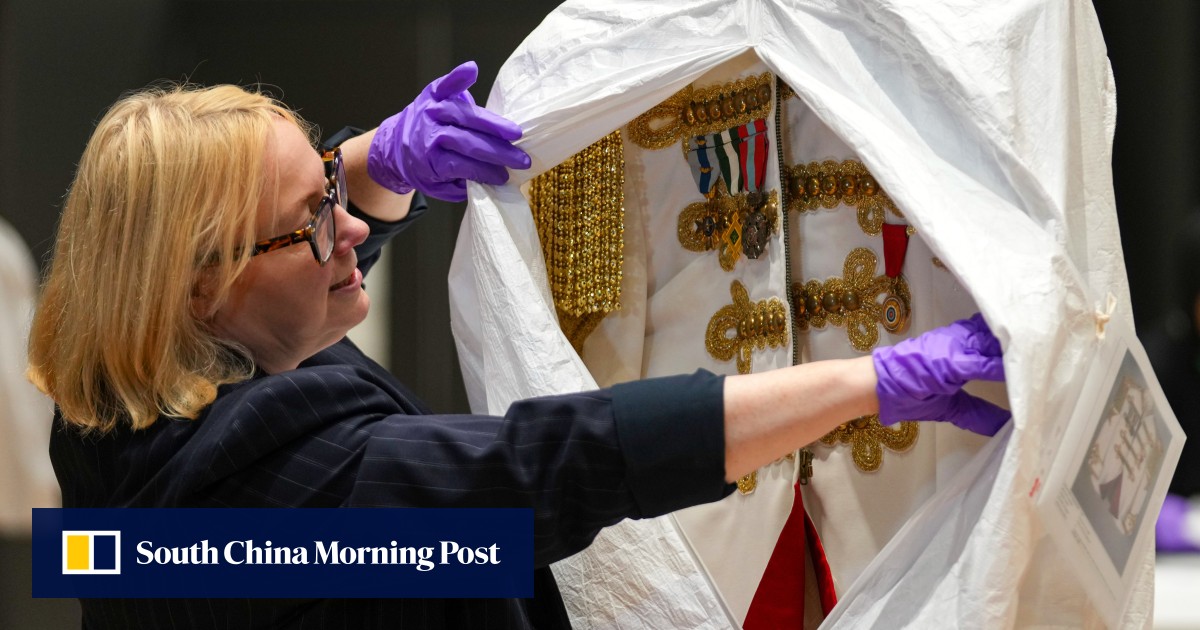
This November, something at the V&A South Kensington promises to fundamentally upend that settled perception. Presented under the corporate patronage and vision of Koç Holding, “Constantinople to Istanbul: One City, Two Empires” arrives in London not as a conventional showcase of borrowed objects behind glass, but as a deliberate, heavyweight intellectual intervention. It establishes genuine common ground where two ancient cultures might actually speak to each other, strictly at eye level. What makes this project an international milestone rather than a mere temporary exhibition is the profound institutional ecosystem supporting it. This is not a display harvested from Western depots, but a monumental collaboration directly involving Türkiye’s premier cultural guardians: Topkapı Sarayı (Topkapı Palace Museum), the Turkish Manuscript Institution (Türkiye Yazma Eserler Kurumu Başkanlığı) and the Istanbul Archaeology Museums.