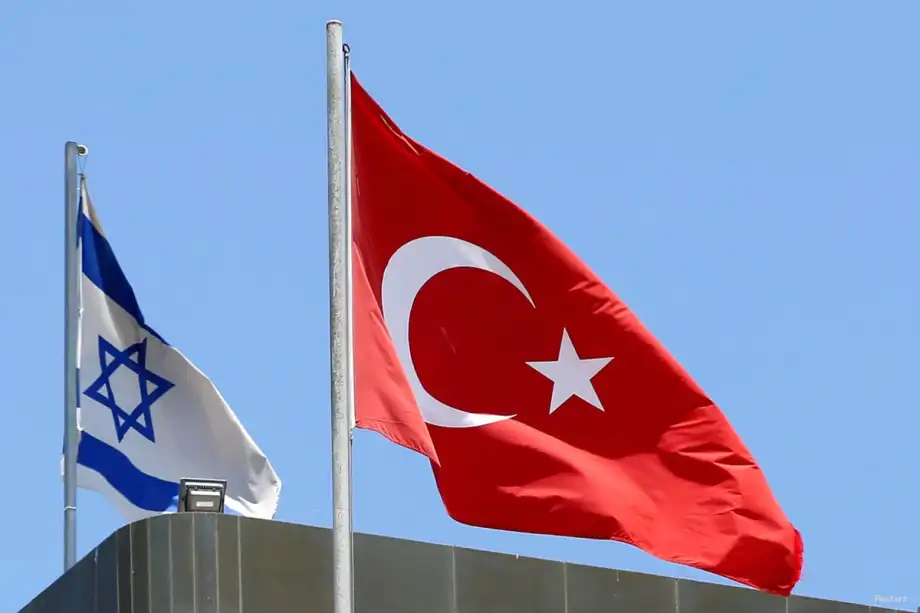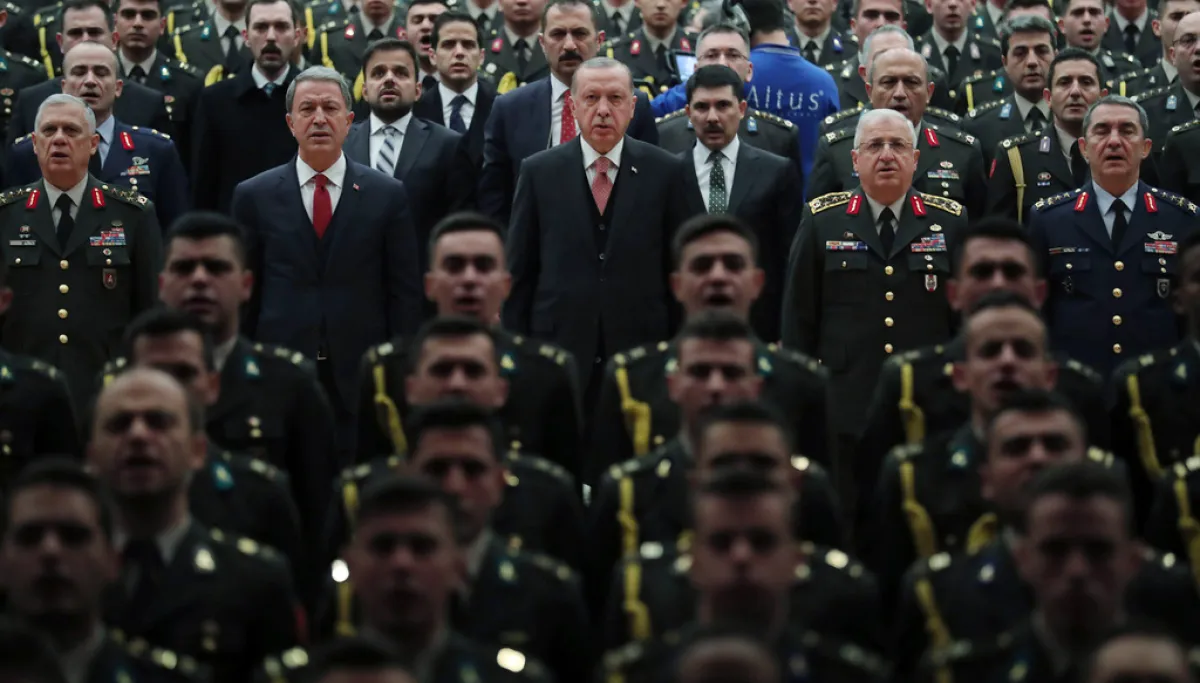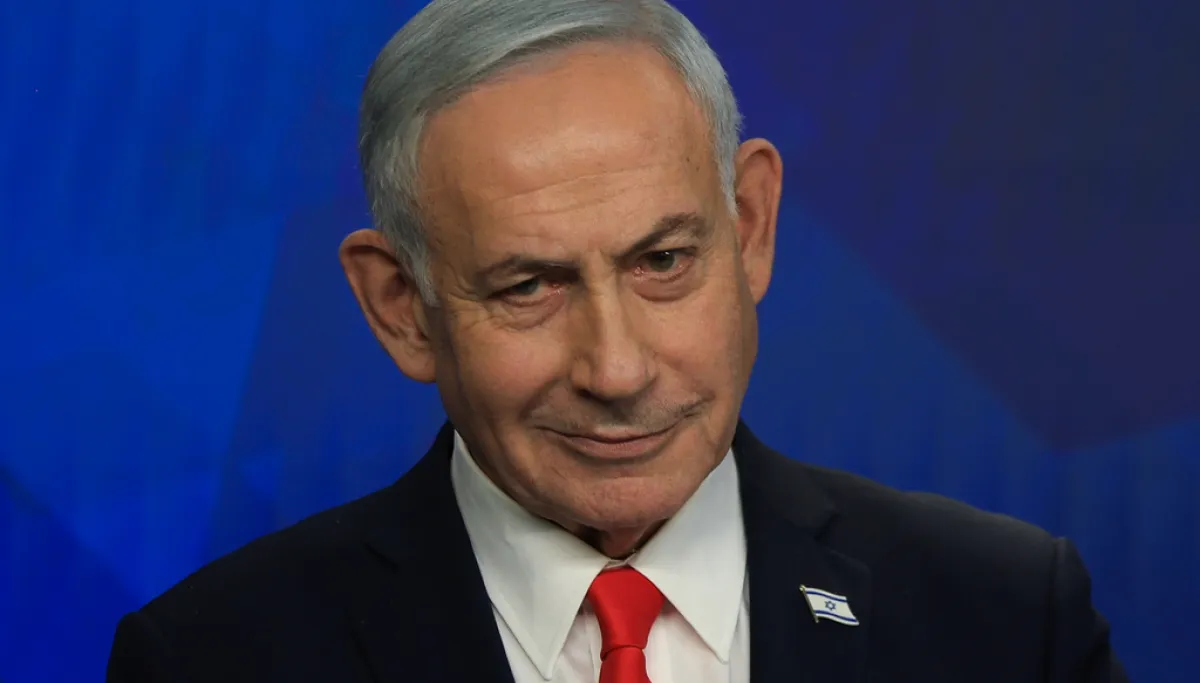
Revisionist powers and Islamist networks have long viewed Israel not as a neighbor but as the central obstacle to reordering the Middle East. Arab states tried and failed in conventional wars. Broader rejectionist forces now pin their hopes on attrition and narrative victory. Turkey sees Israel’s removal as the final step toward restoring strategic depth across the Levant and the eastern Mediterranean. Iran treats it as the prerequisite for consolidating its land corridor to proxies and eliminating the chief barrier to its nuclear threshold and hegemonic claims.Turkey’s neo-Ottoman project requires a weakened Jewish state to expand influence without resistance. Ankara has established a military presence in Syria and Libya and seeks leverage over trade and energy routes. Israel’s removal lowers the cost of expansion. Iran’s ambition is more direct: a surviving regime — forcing concessions while retaining capabilities — would claim the narrative victory that Sunni powers never achieved. Tehran would weaponize that triumph across the West, bankrolling mosques, nongovernmental organizations, and radical networks to recruit young Sunnis into its global intifada.This inverts Israel’s historic periphery doctrine. Once, the Jewish state cultivated ties with non-Arab powers and regional minorities to balance the Arab core. Now, former periphery powers treat Israel itself as the keystone blocking their restoration.
Iran and Turkey want the Middle East. Israel stands in their way
Tehran needs survival. Ankara needs succession. Doha and Riyadh want the crown. Israel prevents all four from deciding America’s future.
665 words~3 min read