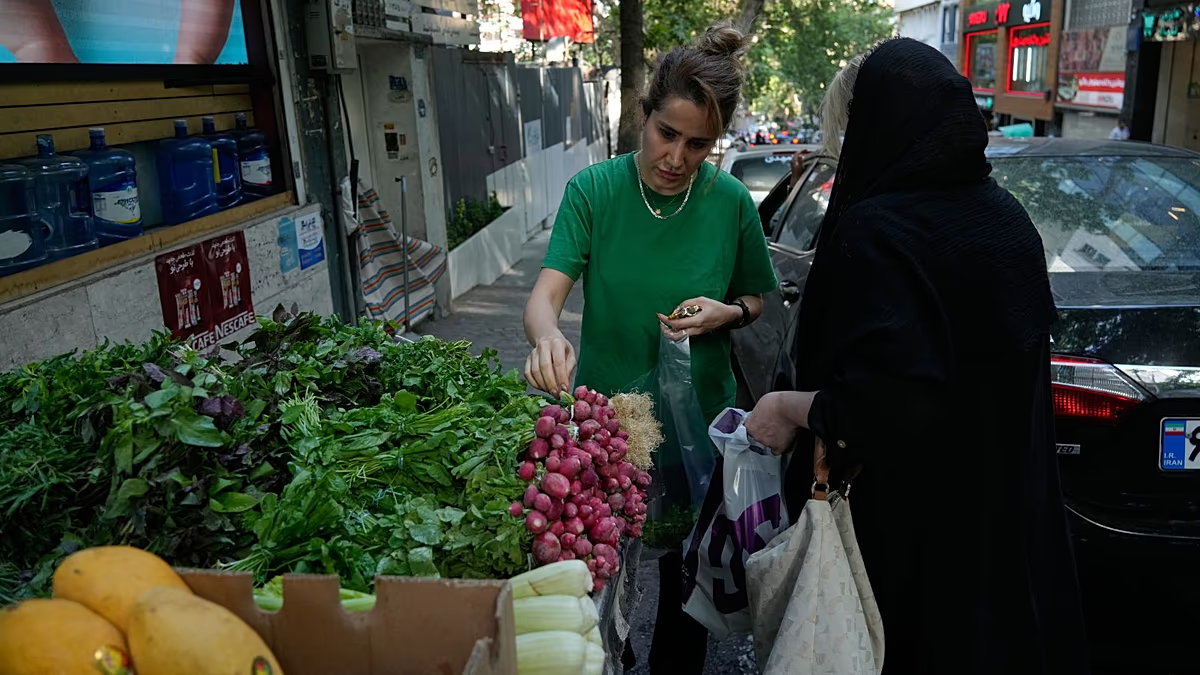
In recent years, the Islamic Republic has deployed a range of policy maneuvers, including hiking marriage loan amounts, offering childbearing stipends, and heavily restricting access to contraception, in a desperate bid to reverse Iran’s plunging birth rates. Yet, official metrics reveal these state mandates have fallen flat; marriage and birth rates continue their steady downward trajectory.
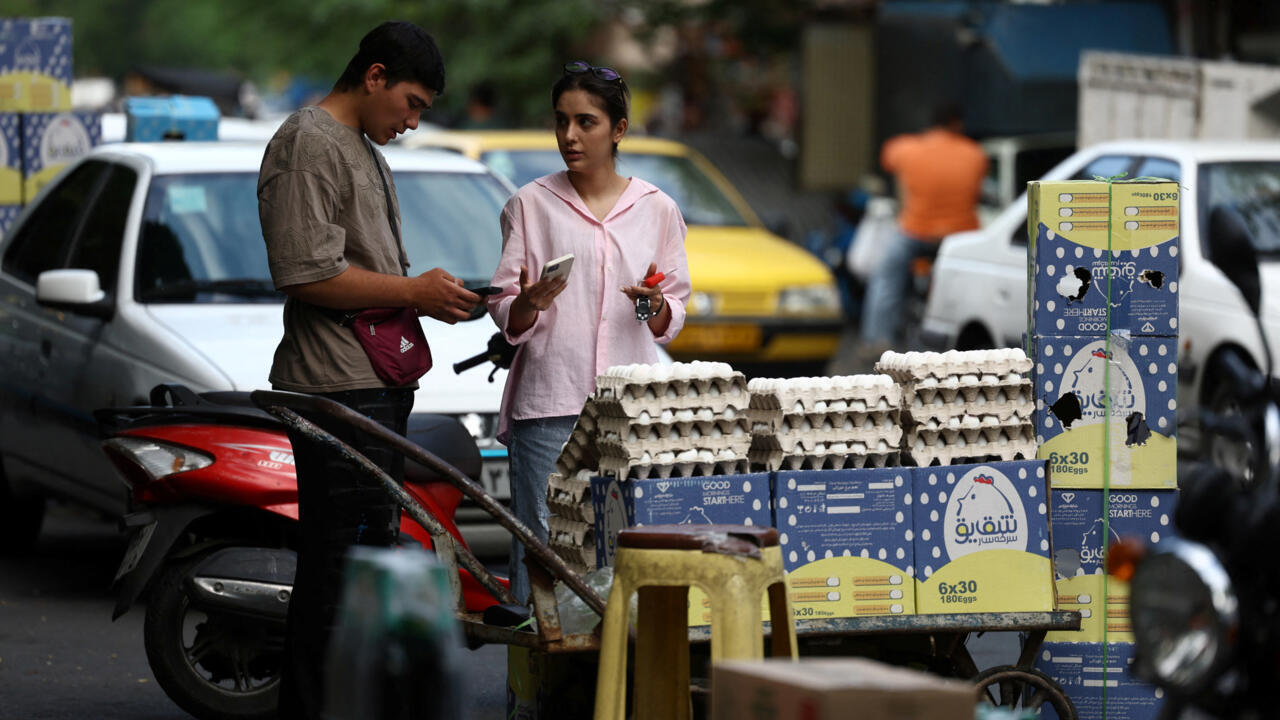
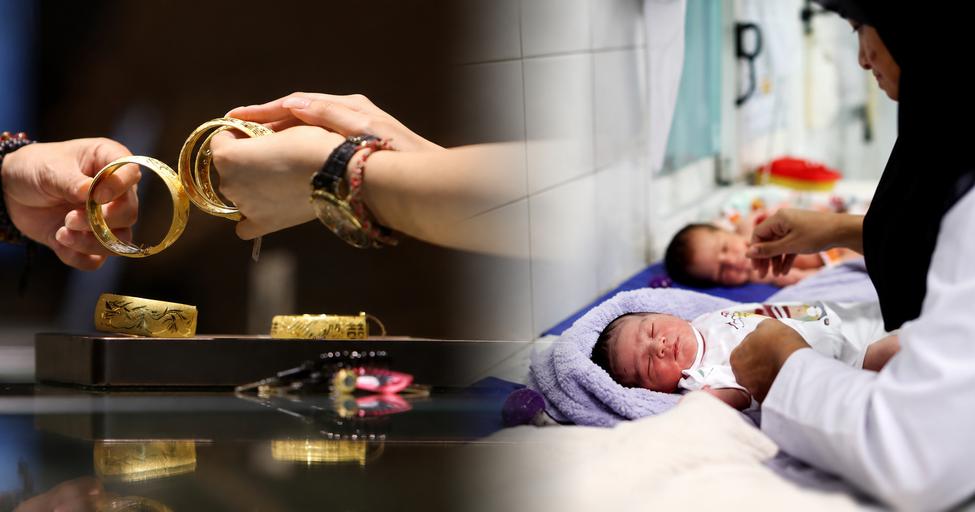
Firsthand accounts from families and young couples paint a clear picture: crippling economic strain, hyperinflation, and structural unemployment stand as the primary roadblocks to starting a family. The financial pressure has grown so acute that in the Kurdistan region, some expectant couples are forced to liquidate their only tangible safety net - their personal gold - just to cover the baseline costs of giving birth.
“For a Rainy Day”
Sheida is a pregnant woman whose doctor recently designated her pregnancy as high-risk, making a Cesarean section medically non-negotiable.
“Our baseline estimate for the C-section surgery at a hospital outside of Saqqez is around 40 million tomans,” Sheida says. “Once you factor in travel, lodging, and other incidental expenses, the final bill will be much higher. We simply do not have that kind of money. Because of this, I have to sell a piece of gold I’ve held onto for years, something I had set aside for a rainy day before my due date, just so we can scrape by.”