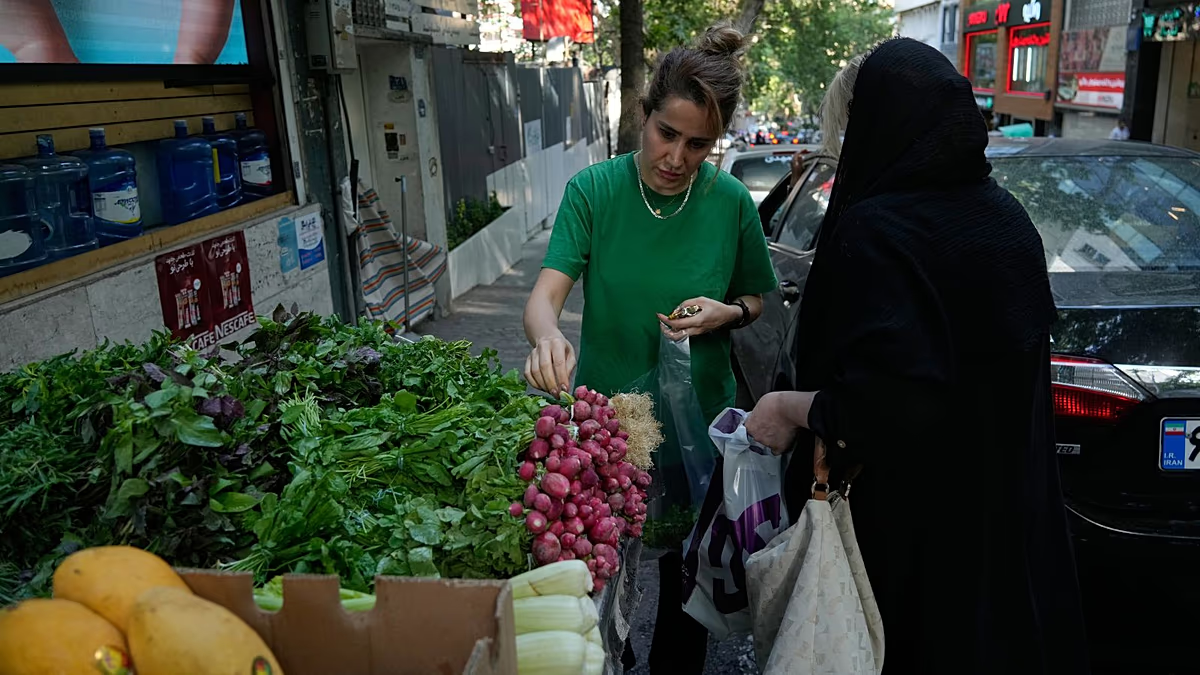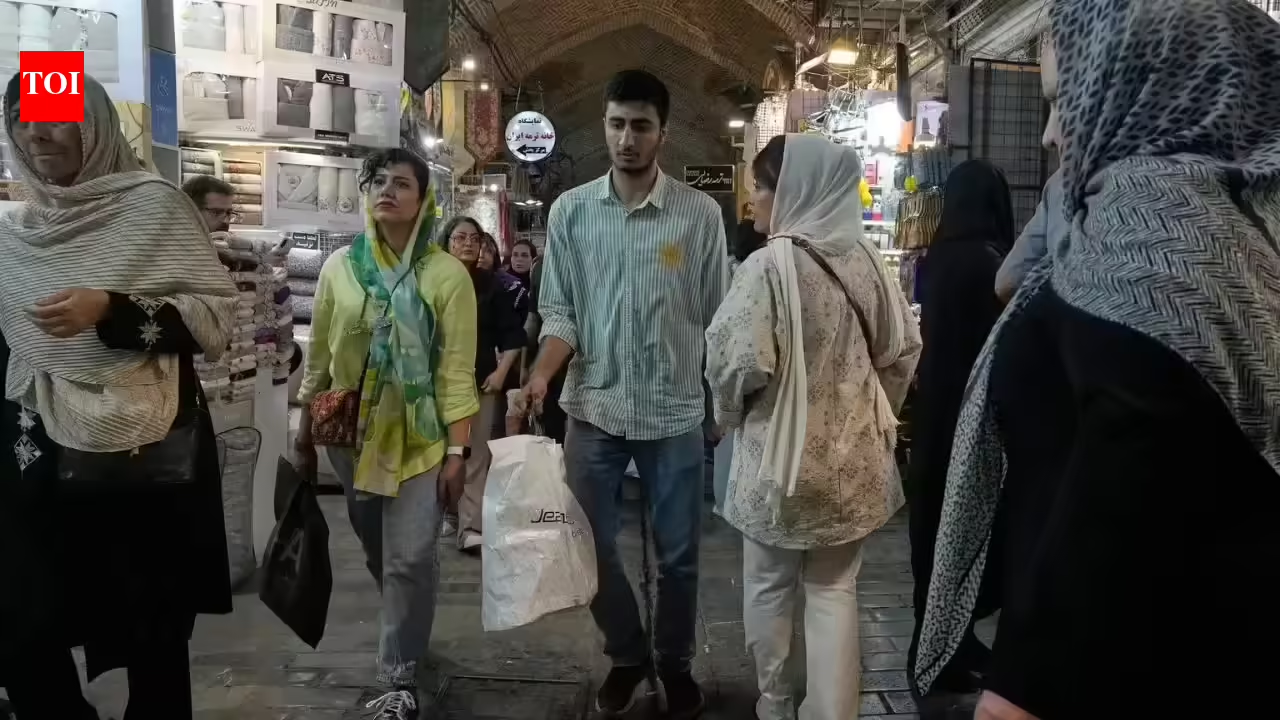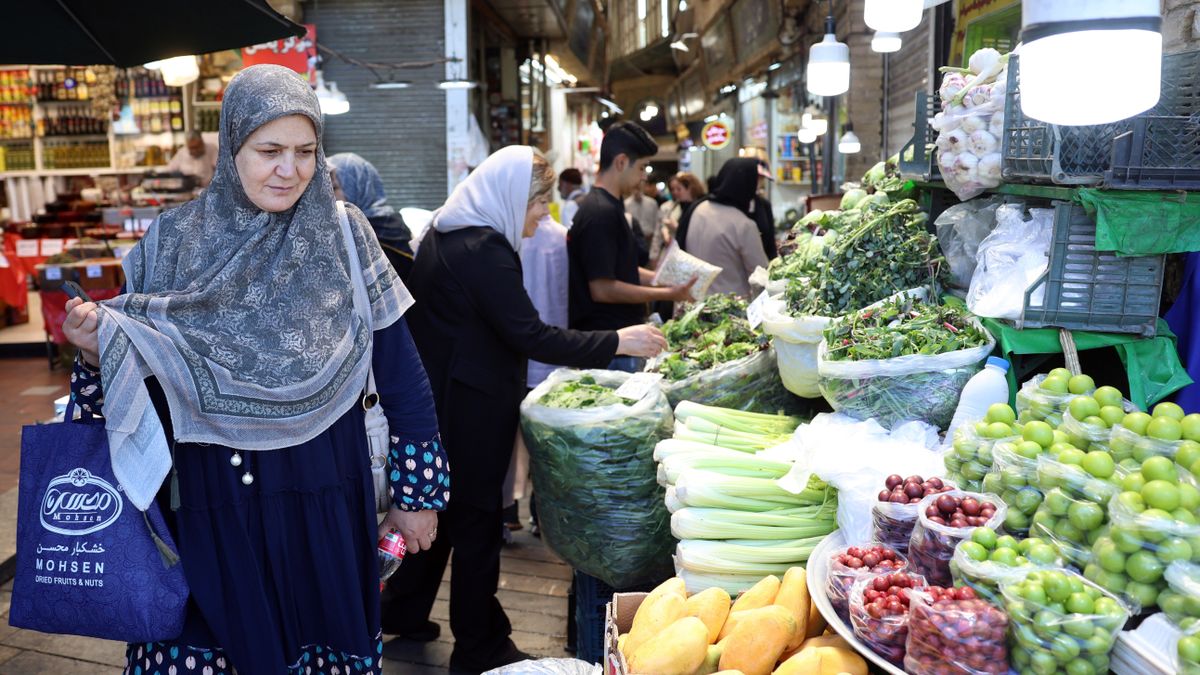
In 2026, Iran’s economy is facing an intense surge in inflationary pressure, with the point-to-point inflation rate surpassing 73%, according to official data. This figure indicates a dramatic rise in the cost of the household consumption basket compared to last year.
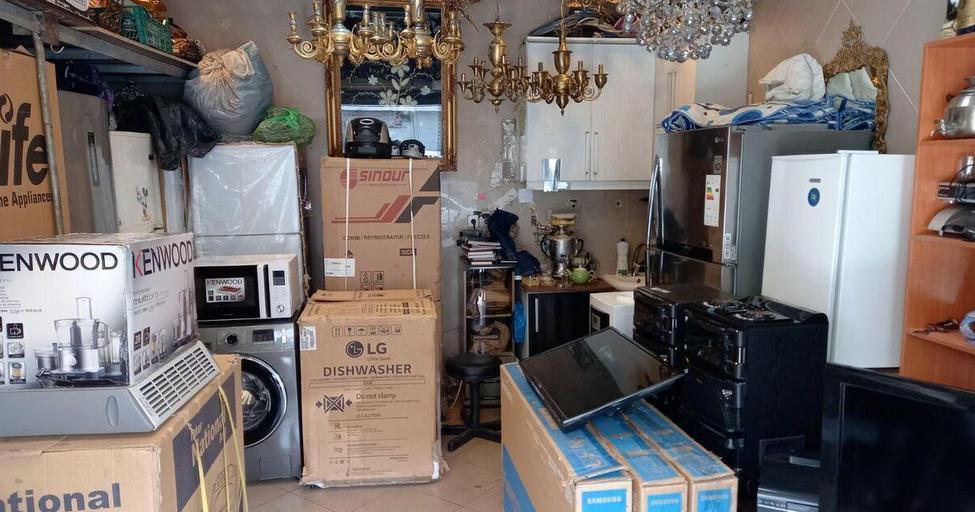
Eghtesad News reported that this inflationary wave has not been restricted to rising prices alone; it has also significantly altered household consumption patterns. Cash purchases of new goods are increasingly being replaced by installment plans, even for everyday items, while the second-hand goods market has experienced tangible growth.
While in previous years installment buying was largely restricted to durable, big-ticket items like refrigerators, televisions, or washing machines, this pattern has now trickled down to daily commodities. Supermarket chains and retail outlets are now offering bundles of food and essential goods with options for 4 to 8 installment payments.
Furthermore, advertisements reading “take it on installment” can be spotted in some small shops for products like dairy, detergents, and hygiene items, a development that analysts view as a clear indicator of declining household liquidity and the direct pressure of inflation on public livelihoods.