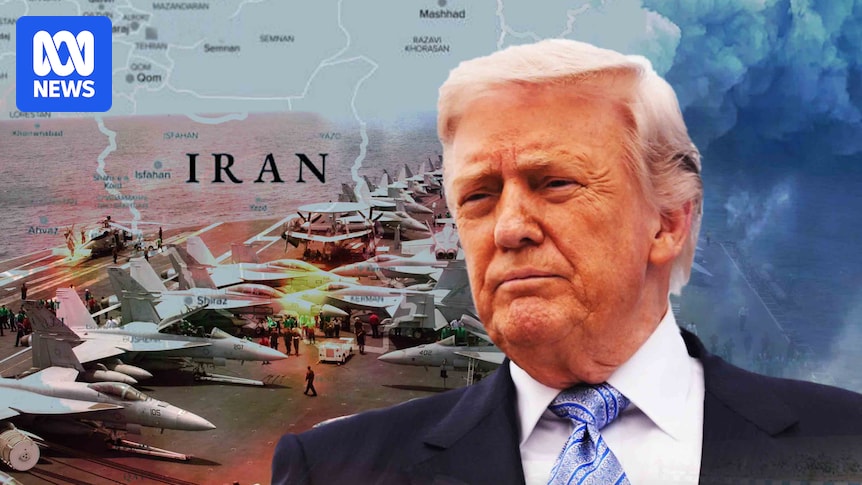
President Trump’s “memorandum of understanding” with Iran has still not been published. The White House spent the last 24 hours defending its peace deal against criticisms that, in large part, it gives Iran what Iran wants: A withdrawal of American forces from the region, control of the Strait of Hormuz, the ability to charge ships passing through, a $300 billion investment fund, and the continuation of the regime in Tehran. The FT’s headline says it all: ‘Humiliation’: Donald Trump battles claims his Iran deal is worse than Obama’s.
Iran has already moved three of its own ships out of the Strait this week, carrying 5 million barrels of oil, CNBC reports. Most other shipping remains frozen.
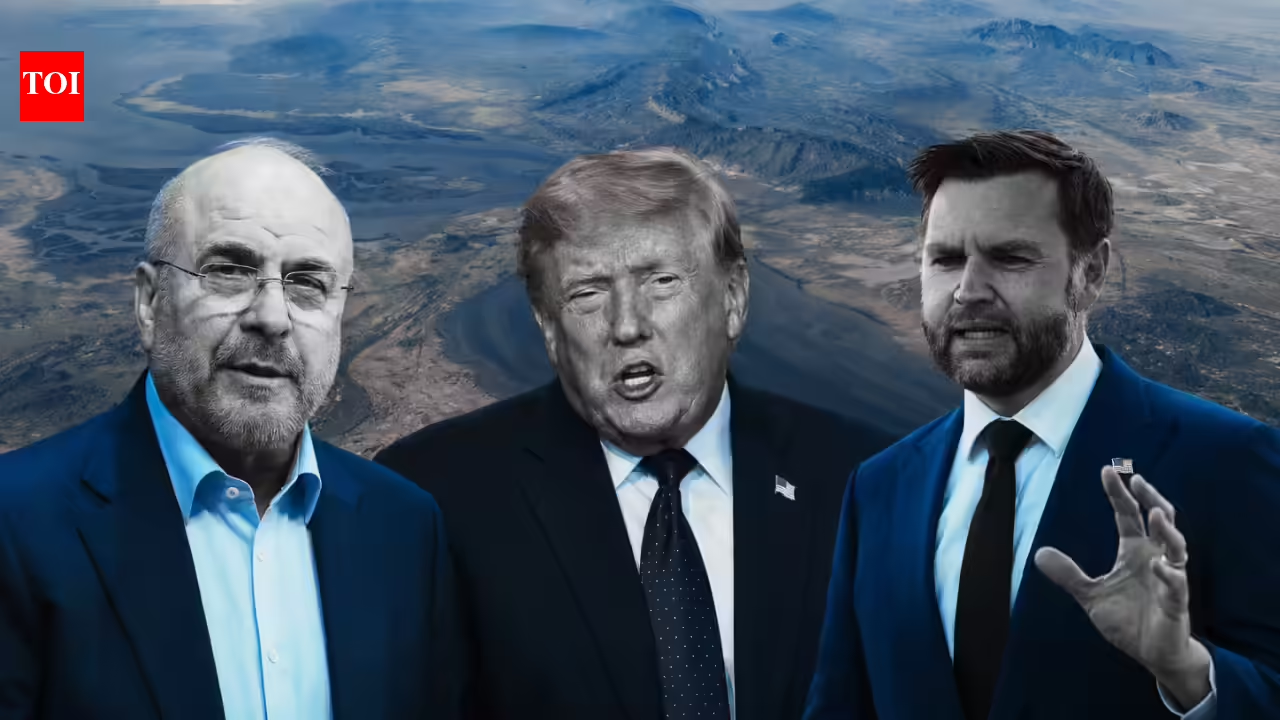
The MOU does provide for talks over Iran’s nuclear program. Vice President JD Vance said, “the Iranian nuclear programme has been completely destroyed, and what we’re saying is: ‘make the long-term commitment to not rebuild it, and you will get the benefits that come with that’.”
Bloomberg’s John Authers was particularly scathing:
The longer-term consequences could be profound. Tina Fordham of Fordham Global Foresight pointed out that the game theory of the situation had changed, because the U.S. has now revealed that it’s not prepared to resort to risking American lives:“Perhaps the gravest consequence of the terms agreed is the inevitable conclusion that the U.S. will be unwilling to back up the deal with a credible threat of force, a crucial element of diplomacy. Tehran understands that the U.S. will not want to resume hostilities ahead of November midterms.”Countries that enjoy some form of chokepoint in the global economic system have the green light to exploit it. China’s control of rare earths and Iran’s power over Hormuz have both now forced a U.S. climbdown within the space of 12 months. The cost of trade will continue to rise, probably through paying explicit tolls to use the Strait, while everyone attempts to move toward self-sufficiency (or “autarky”).