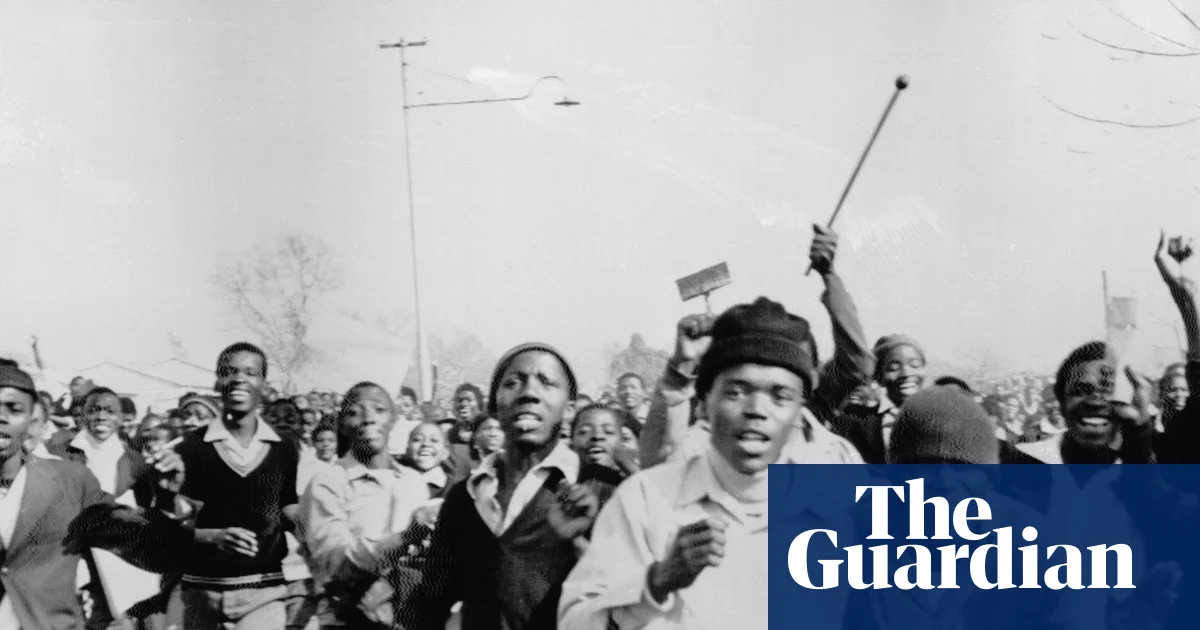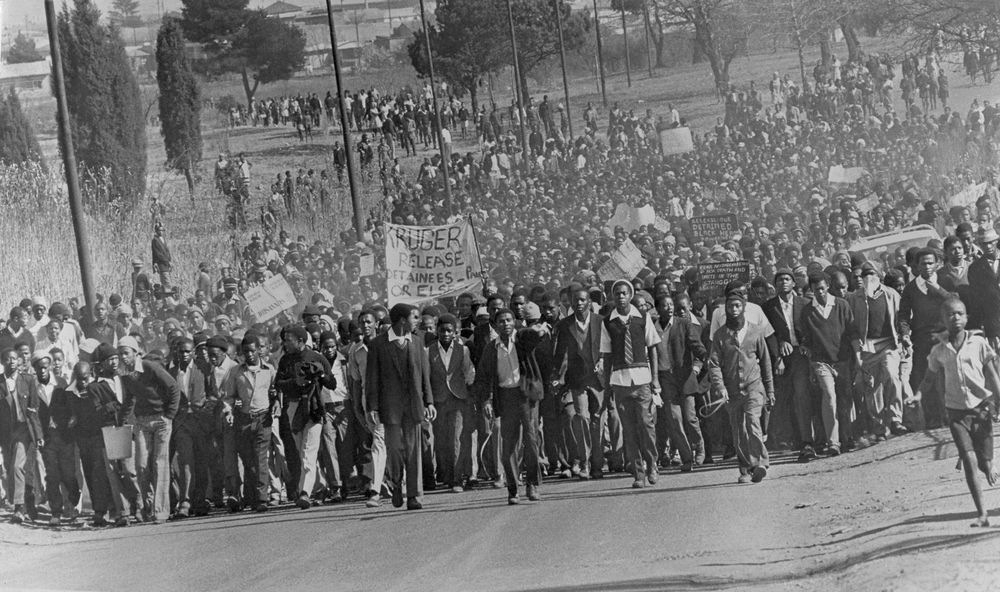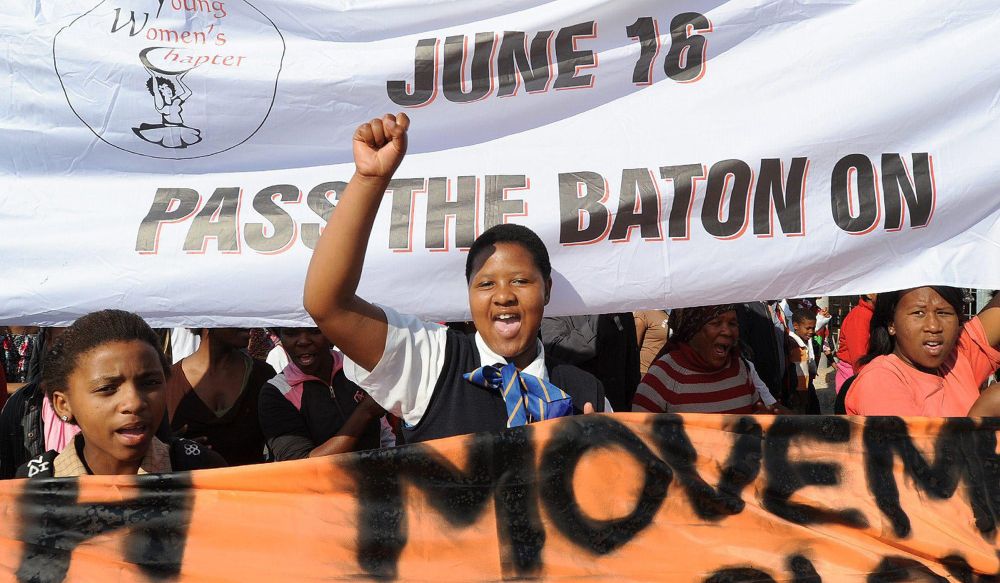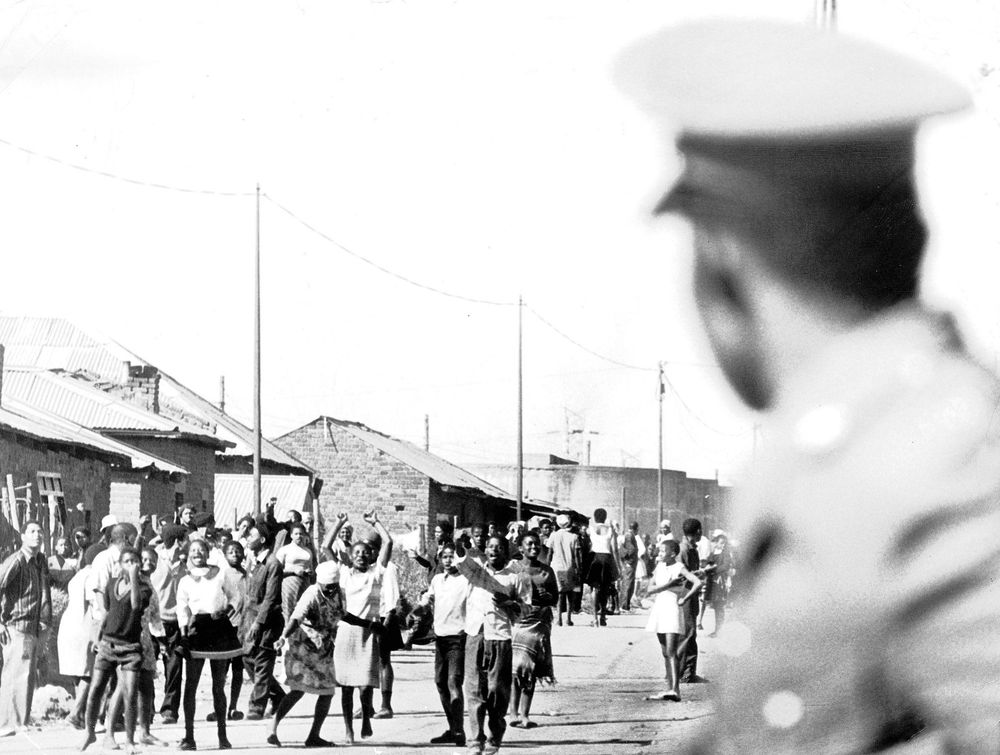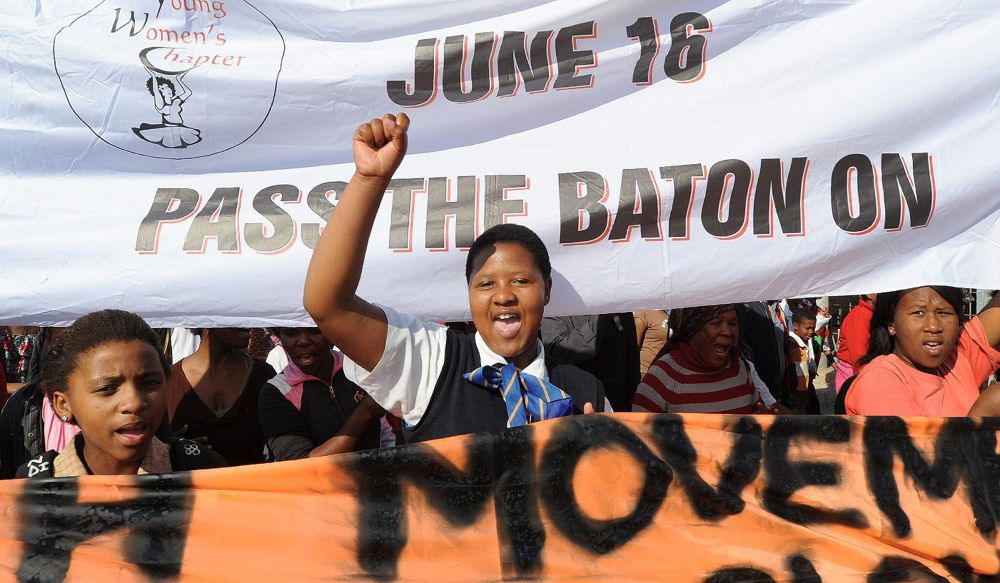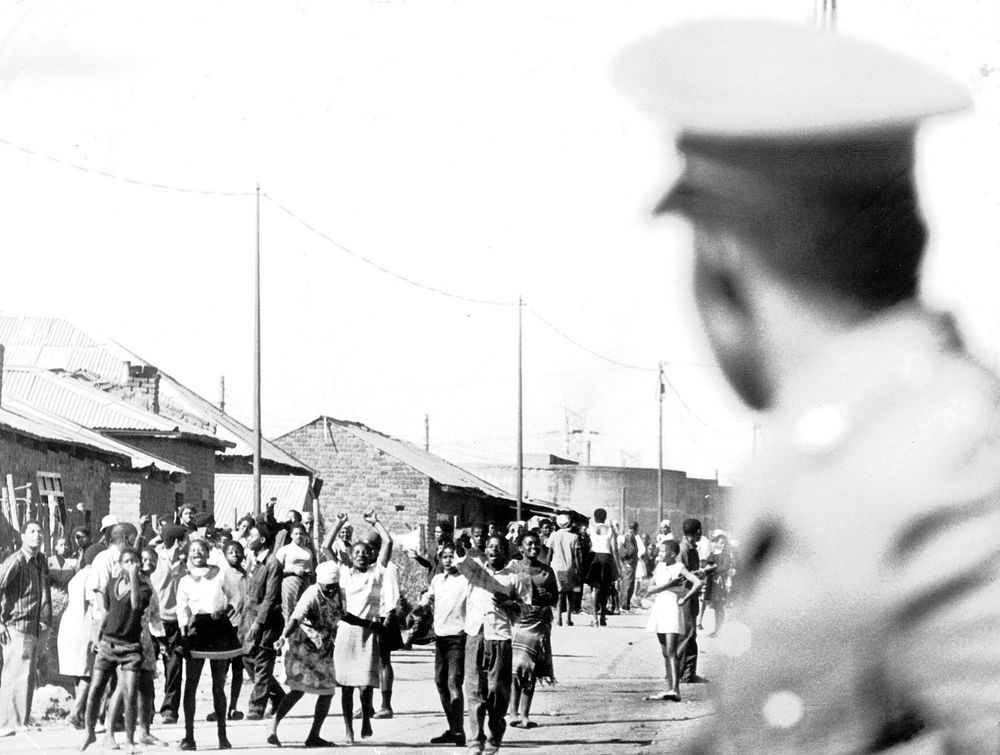
That march has not yet reached its destination. The true measure of freedom is not simply the absence of apartheid. It is the presence of real choices and realistic prospects for every young South African.
The spark of 1976 was never meant to be a static relic, encased in glass for occasional admiration. It was, and remains, a living fire. Fifty years on, the most fitting tribute to that generation is not to look back at the path they travelled, but to carry the flame forward.
The students of 1976 confronted an enemy written into law and visible on every street corner. Today's young South Africans face a different challenge. The barriers are no longer about the language of instruction or the right to vote; they are built from the stubborn persistence of high unemployment, the collapse of the bridge between learning and earning, and an economy that keeps its doors shut to those most eager to enter.
Five decades later, the promise of dignity remains unevenly fulfilled. Graduates search for a first opportunity that never comes. Young people battle for access to capital. Communities still fight for electricity, water, and sanitation. When a generation is locked out of the economy before it has had a fair chance, freedom begins to feel like a mirage.