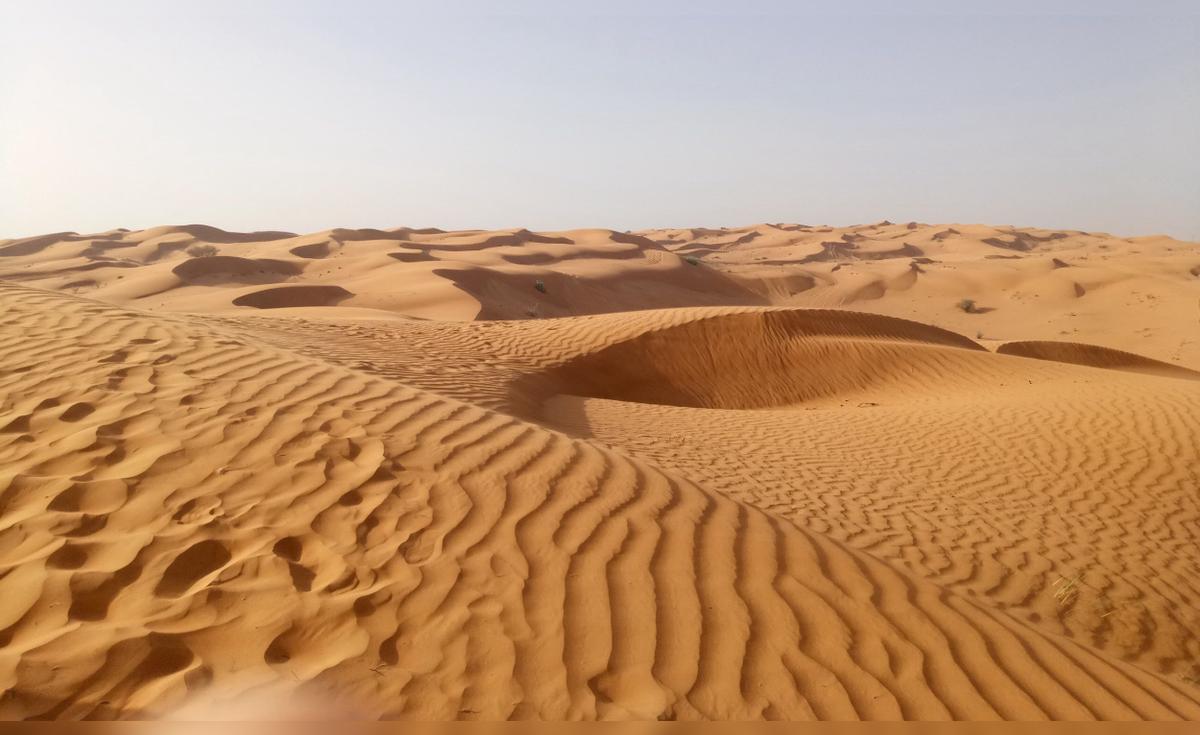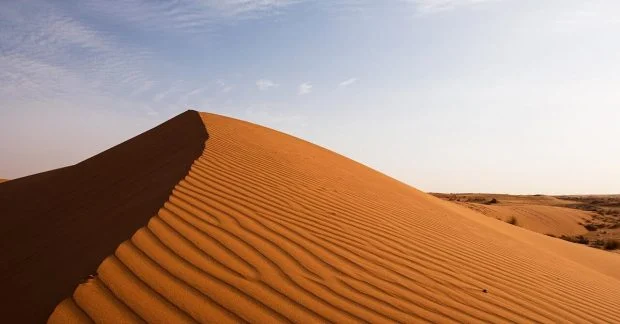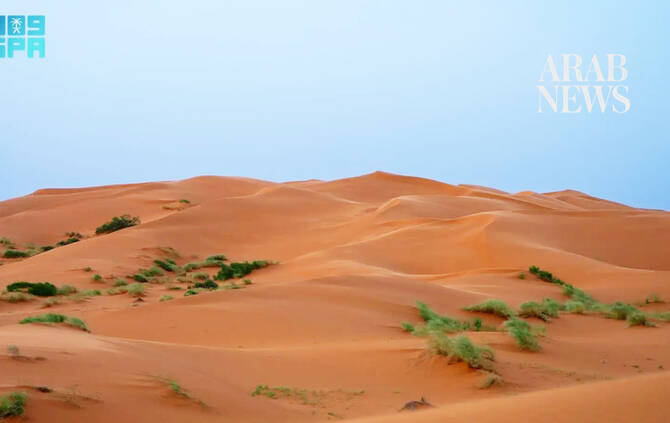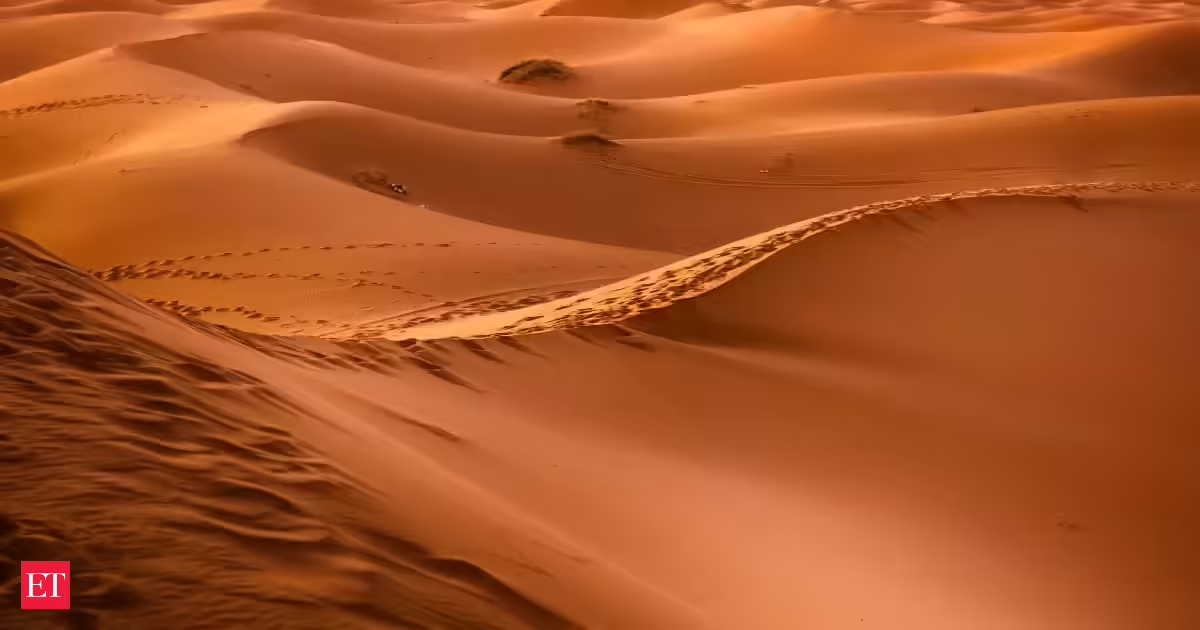
Saudi Arabia is home to some of the world's largest deserts. It is home to the Arabian Desert, covering around 2.3 million square kilometers, including the Rub' al Khali (Empty Quarter) – the world’s largest continuous sand desert. Yet the kingdom imports sand for construction projects. The reason lies in a surprising fact: not all sand is suitable for making concrete. According to reports, Saudi Arabia imported natural construction sand from several countries, including Australia, China, Turkey, Spain, and the United States in 2023. Imports from Australia alone were valued at nearly $140,000, despite the country's vast stretches of desert dunes. Why Desert Sand Cannot Be Used for Concrete The sand found in deserts is shaped primarily by wind. Over thousands of years, grains repeatedly collide and rub against one another, becoming smooth, rounded, and uniform in size. Concrete, however, requires sand particles with rough, angular edges that can lock together and bond effectively with cement. Sand sourced from rivers, quarries, lakes, and seabeds generally has these characteristics, making it more suitable for construction. Experts often compare the difference to broken cracker pieces and glass beads. While the irregular cracker fragments interlock tightly, the beads tend to slide past one another. The same principle applies to concrete aggregates. Research has shown that angular sand particles improve both the workability and strength of concrete. Studies have also found that increasing the proportion of desert sand in concrete can create more microscopic pores and reduce overall structural strength. Construction Boom Driving Demand The need for high-quality construction sand has become increasingly important as Saudi Arabia pushes ahead with its ambitious Vision 2030 development program. Mega projects such as NEOM, Red Sea Global and Qiddiya require massive quantities of concrete for roads, housing, hotels, utilities, ports, and public infrastructure. Although desert sand is abundant, it lacks the physical properties needed for high-strength concrete used in these large-scale developments.A Global Sand Shortage Saudi Arabia's reliance on imported sand reflects a broader global challenge. The United Nations Environment Programme (UNEP) warned in 2026 that global demand for sand is exceeding sustainable supply. The world consumes an estimated 55 billion tonnes of sand each year, and demand from the construction sector is expected to rise significantly by 2060. While deserts contain enormous quantities of sand, much of it is unsuitable for structural concrete because of its smooth texture. At the same time, extracting sand from rivers, coastlines, and marine ecosystems can cause serious environmental damage, including erosion, biodiversity loss, reduced storm protection, and saltwater intrusion into freshwater sources.Searching for Alternatives To reduce dependence on natural sand, countries are increasingly exploring alternatives such as manufactured sand produced from crushed rock and recycled construction materials. Saudi Arabia has also begun adopting circular-economy measures. In 2025, Riyadh Municipality launched a construction waste recycling initiative aimed at converting demolition waste into reusable materials and incorporating recycled aggregates into infrastructure projects.The Bottom Line Saudi Arabia's sand imports highlight an often-overlooked reality: the value of sand is determined not by quantity but by quality. Despite possessing vast deserts, the kingdom still needs specially graded sand with the right shape, texture, and composition to support its growing construction industry. As global demand continues to rise, securing suitable construction sand is becoming an increasingly important challenge for countries around the world.
Why Saudi Arabia imports sand despite being covered by desert
Despite vast desert landscapes, Saudi Arabia imports construction-grade sand due to its smooth, wind-shaped grains being unsuitable for concrete. The kingdom requires angular, rough sand for its ambitious Vision 2030 projects, highlighting a global shortage and the need for sustainable alternatives like recycled materials.
547 words~2 min read