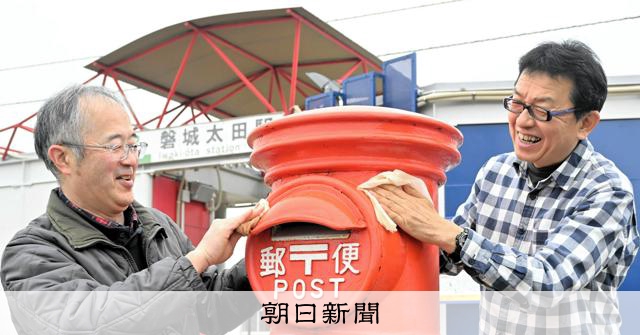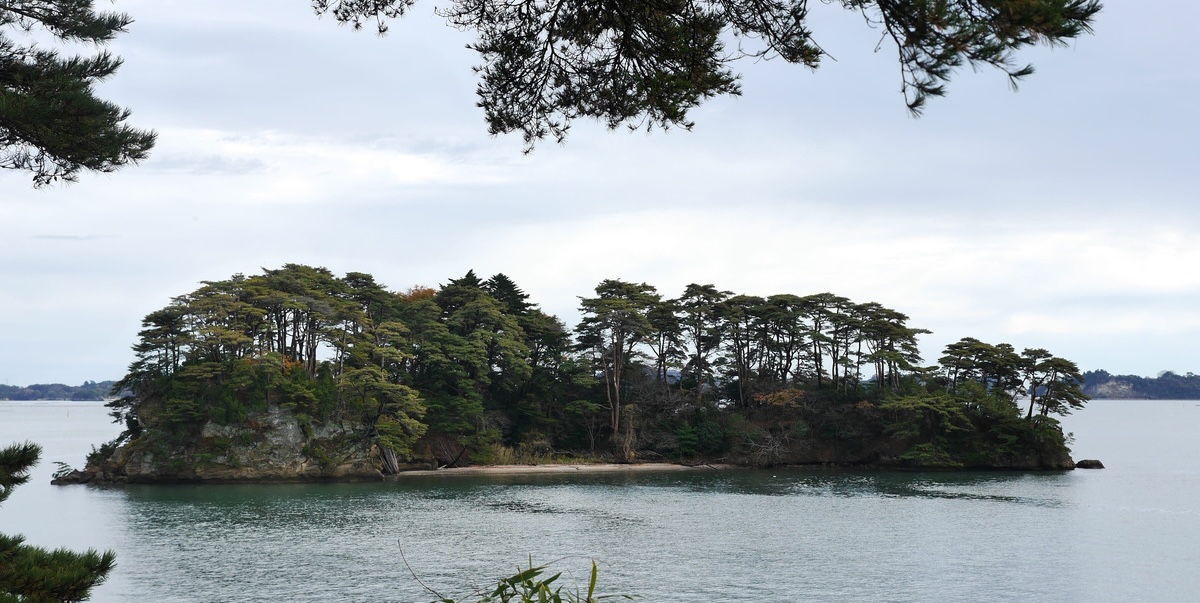
It is called the drifting post, he explained, because the letters drift between heaven and earth. Set within a stretch of coastal woodland, in rural Japan, this post box receives letters written to the dead. Yuji Akagawa, a grandfather in his seventies, was the proprietor and key administrator.Article continues after advertisement
“Yesterday was the tenth anniversary,” he told me in March 2024, the first day we met, about the drifting post’s founding.
Akagawa was smaller than me, I guessed less than five feet. He was wearing sandals with blue socks, a bowl haircut and a big smile, when I first saw him standing outside Mizusawa-Esashi Station in Iwate Prefecture, almost 500 kilometers north of Tokyo. Akagawa lived some of the time nearby, with his wife and their fifteen-year-old dog. Snowy peaks were visible in the distance, providing a contrast to the flat urban landscapes through which the car moved smoothly. This area felt more remote than most places I have been.
The spot of land by Rikuzentakata, a coastal town an hour’s drive away, was supposed to be Akagawa’s refuge. He’d longed for an isolated life in the countryside, far from the cities where he had earned his money. He was born in Yokohama, in Tokyo Bay, and built his career in the capital. It is unusual for Japanese people to move to rural communities without direct connections, he told me, and he was worried he would be excluded as a stranger. But at the same time, though he could not explain why, he had always felt a deep and yearning longing for solitude. After he and his wife first relocated to Mizusawa-Esashi, he decided he needed a retreat somewhere even more remote. He named his second home, in Rikuzentakata, Mori no Koya, or “the small house in the forest.”