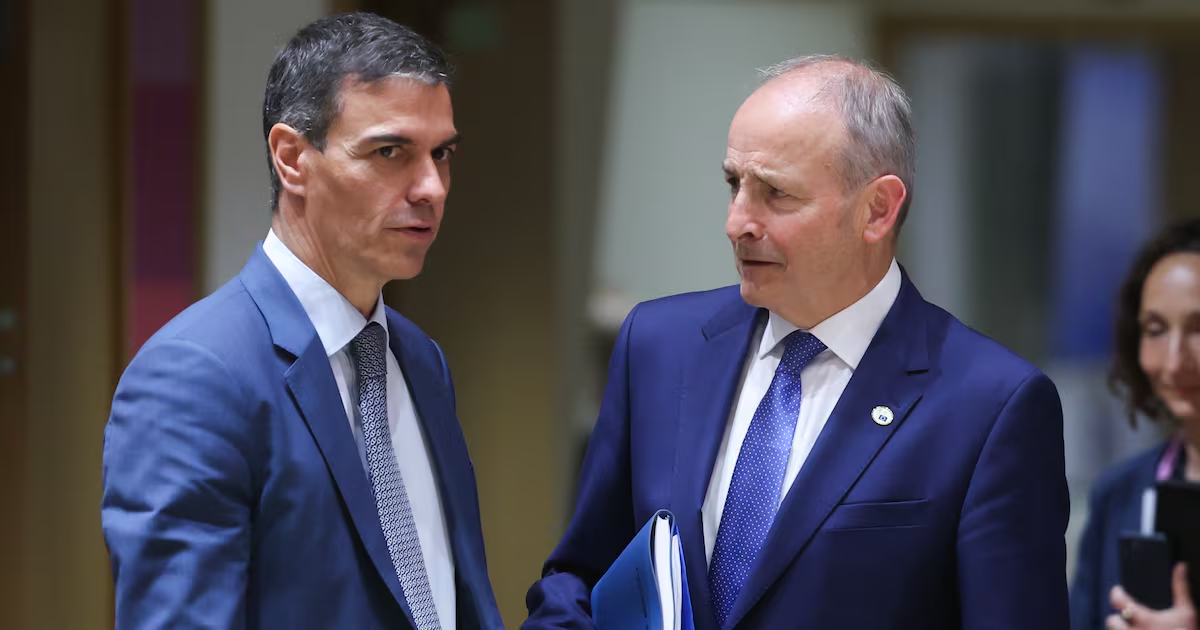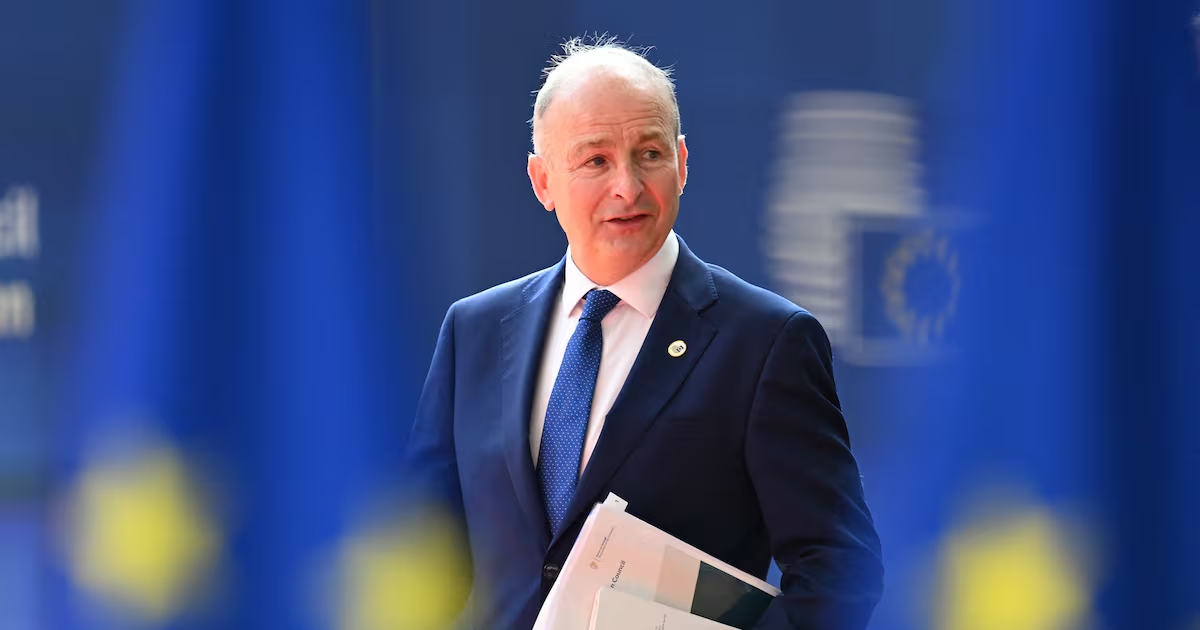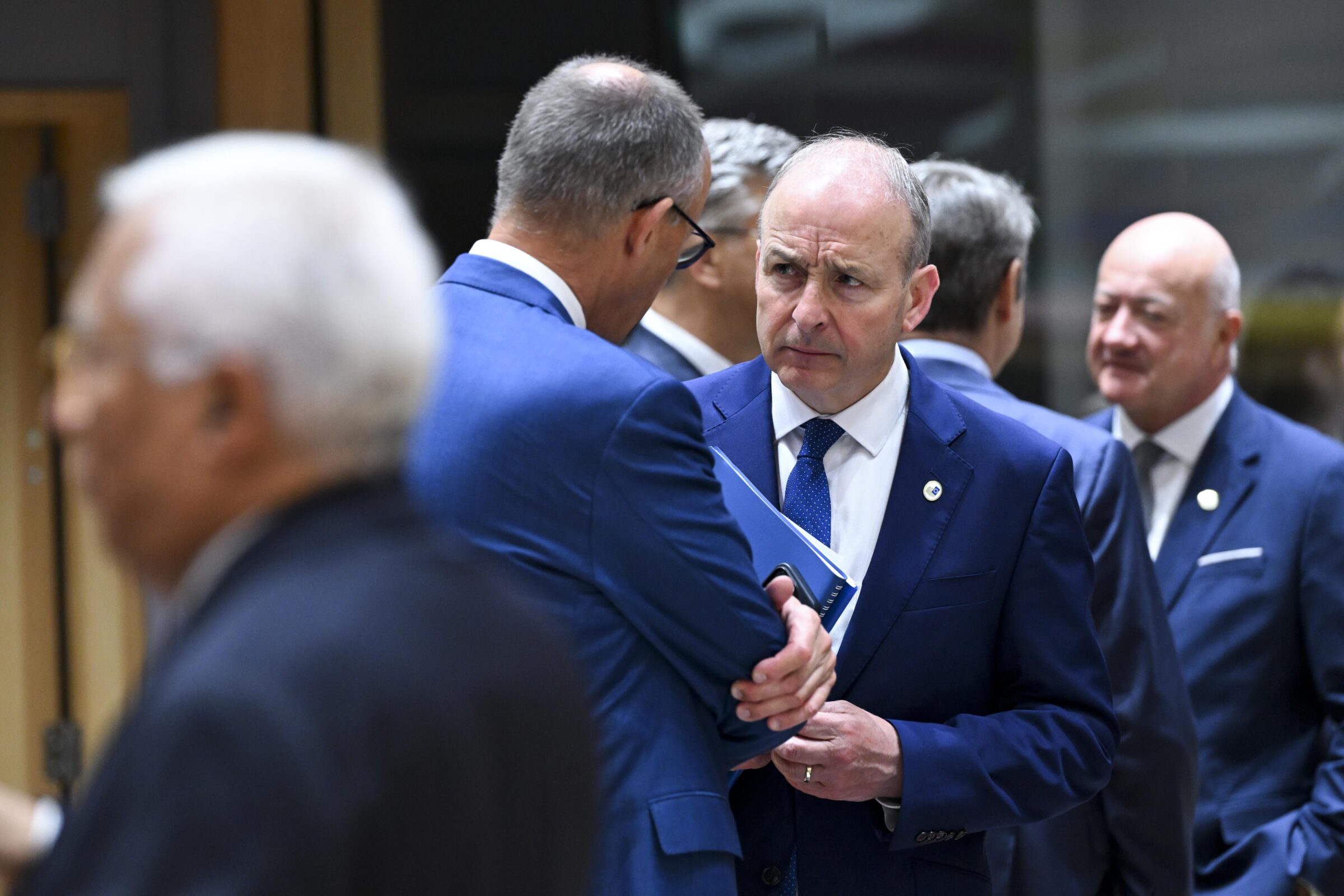
BRUSSELS — Ireland faces the daunting task of forging a swift agreement on the EU’s next seven-year budget, days after wealthy Northern European countries killed a proposal suggesting modest cuts.
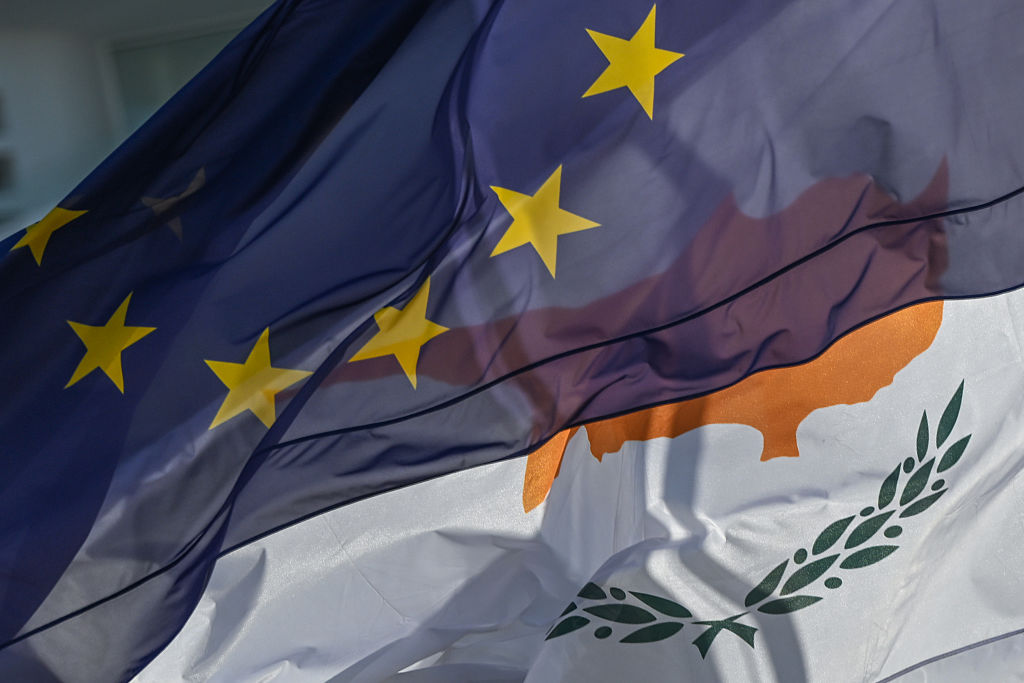
The ink is barely dry on Cyprus’ budget negotiating document from June 11, but pressure is already mounting on Ireland to downsize the overall cash pot during its rotating presidency of the Council of the EU, which runs from July 1 until the end of the year.
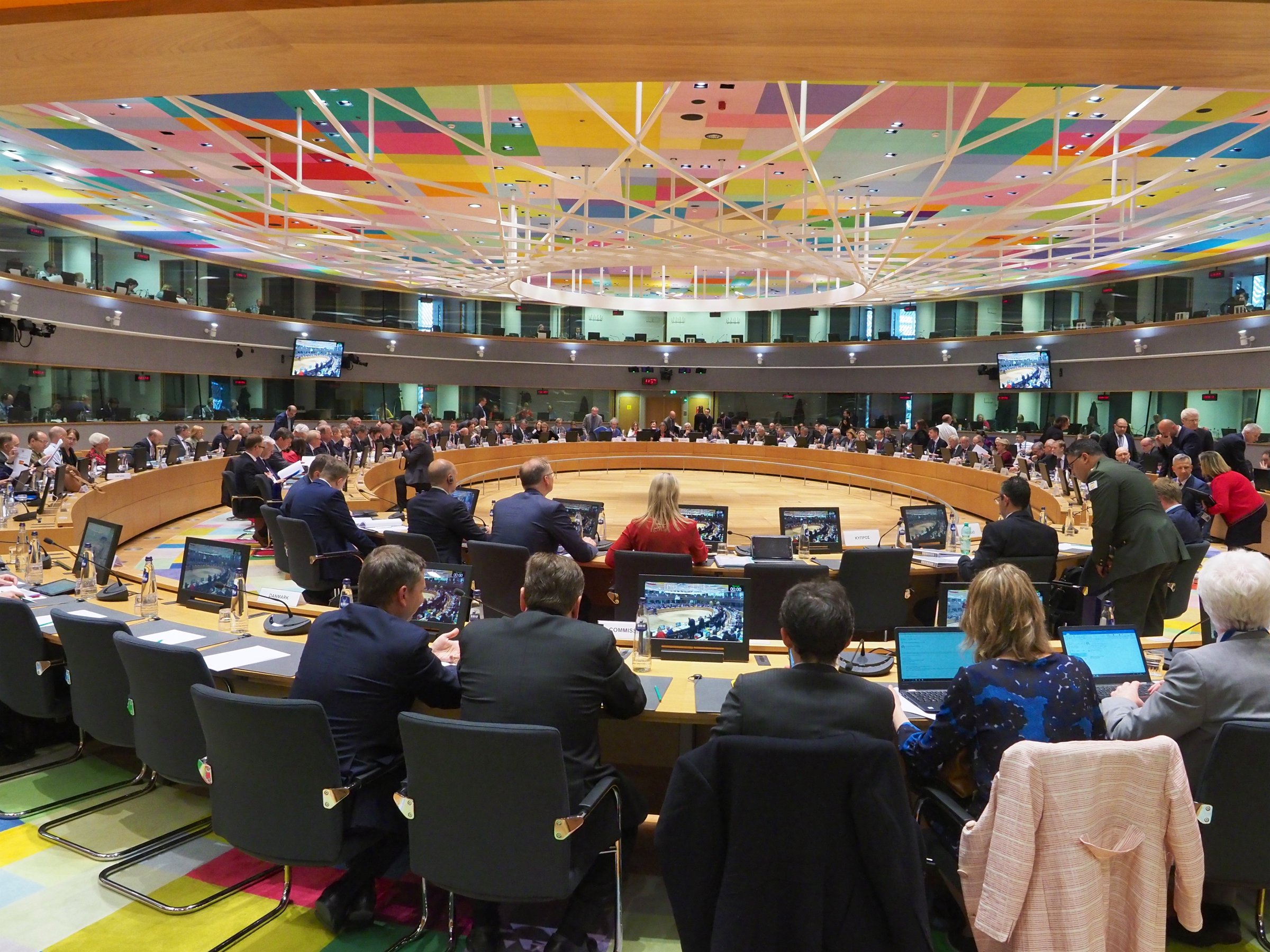
That will be the crucial phase to reach a budget agreement between EU governments — one of the toughest nuts to crack in the Brussels machine.
The Commission’s budget proposal — worth nearly €2 trillion, including €166 billion in Covid-era debt repayments — governs the bloc’s central spending on everything from agriculture to defense from 2028 to 2034.
The EU’s 27 leaders are racing to finalize an agreement in December — shortly before the end of the Irish presidency — ahead of planned general elections in France, Italy, Spain and Poland in 2027 that might radically change the direction of the talks.