AI and ML
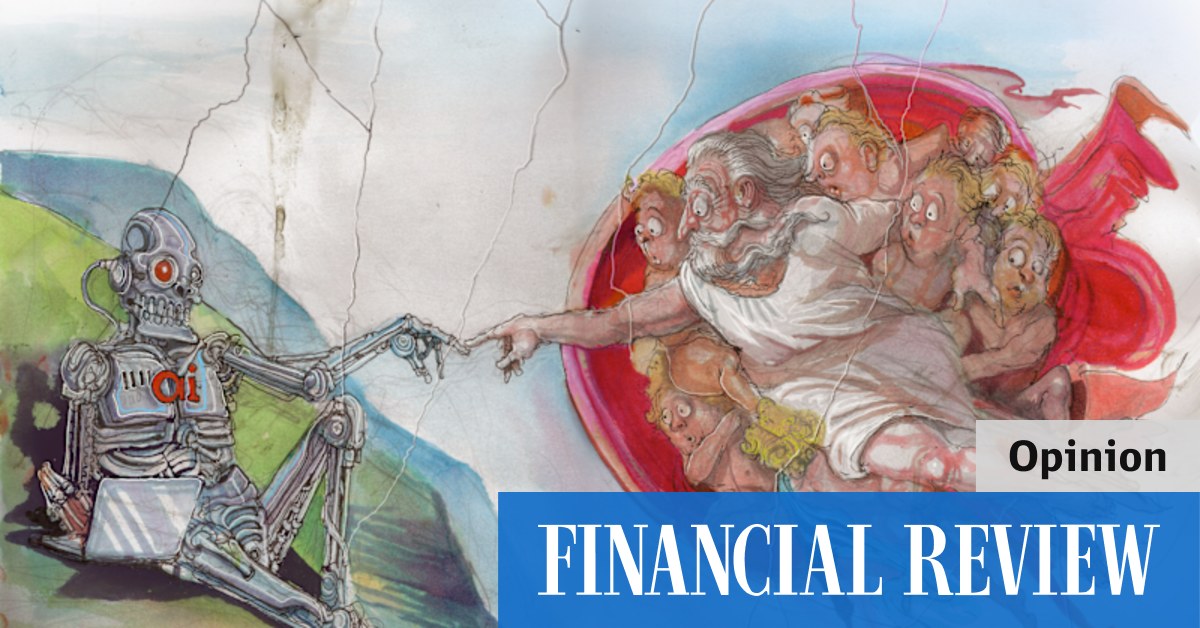
Fear and even grief are natural reactions to machines that do your job. The next reactions – acceptance and innovation – are more useful
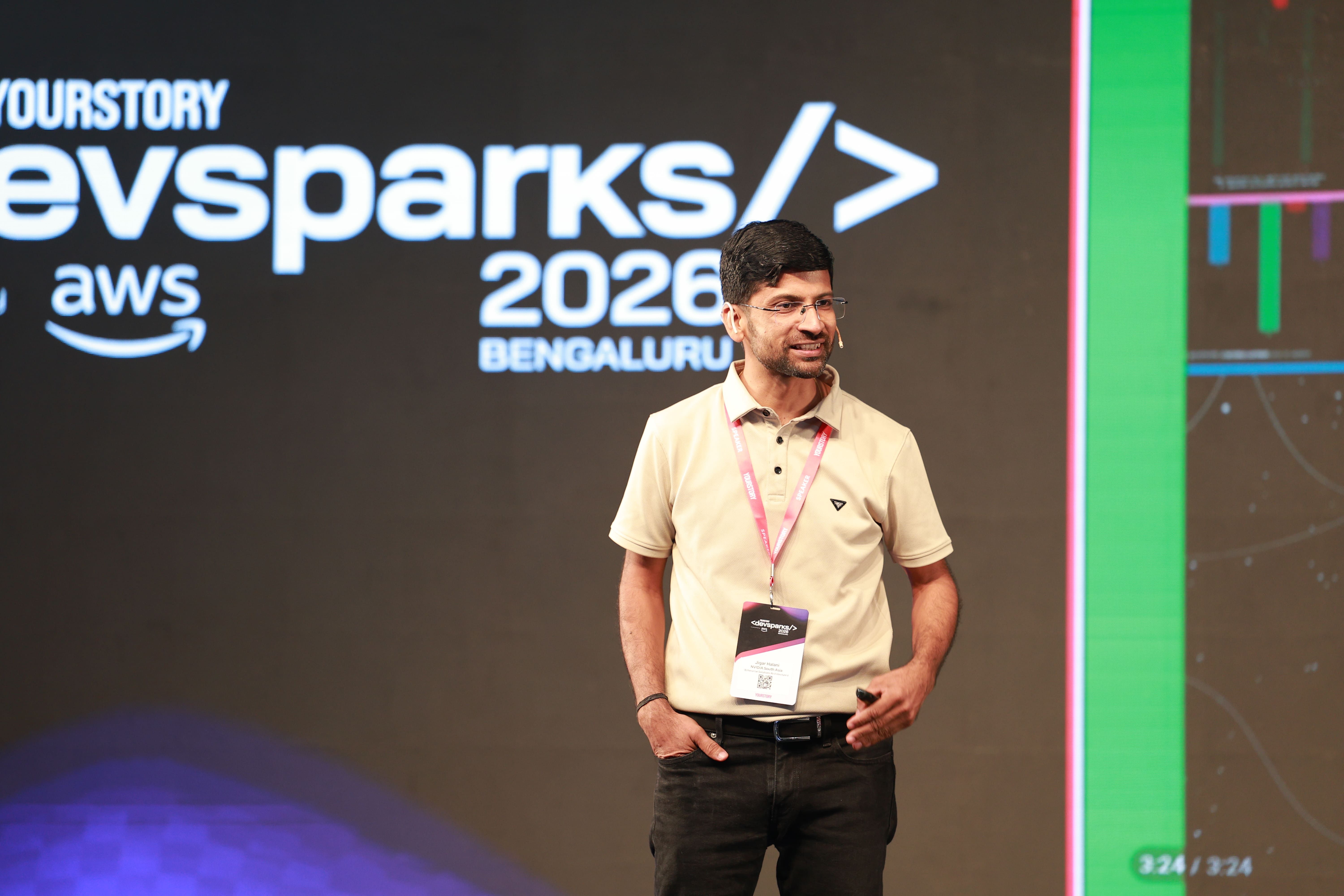
Now that organisations have been weaned off earlier 'all you can eat' subscription plans and onto 'pay-as-you-go' metered token consumption, they're all in various stages of sticker shock. Several talks at the conference discussed managing token costs, such as AJ Fisher's exploration of 'diffusion' models. Analogous to the diffusers used to generate images, they generate text at lighting speed, making them cheaper to operate while also being less accurate than the pricey and slower “autoregressive” frontier models.
Fisher's solution? Use a low-quality model and make it iterate on a problem (that new classic, the Ralph Wiggum loop) until it gets a satisfactory solution. This approach delivers the same result as a full-fat model, for anywhere from one half to one tenth the spend. Google released its DiffusionGemma mode, which produces text at prodigious speed, just days after Fisher's talk, giving everyone the ability to try this approach.But some engineers reject AI in 'all the things'. Annie Vella, author of the seminal essay "The Software Engineering Identity Crisis" shared what she's learned about the feelings of grief experienced by a cohort of software engineers, provoked by AI tooling. We've seen the field divide into 'all in' and 'never ever' camps (even in the pages of El Reg), with a broad middle cautiously getting their feet wet. That divide has roots in two styles of work: those who look for outcomes, and those who look for learning, for whom the journey into understanding is the whole point of the exercise. Short circuiting that journey with AI tools makes folks for whom the journey is the reward feel cheated. How do we breach the divide? Annie suggests sensitivity, listening, and openness to change on both sides - highlighting human qualities in the machine age.Kaggle and fast.ai alum Jeremy Howard took a different tack, reminding the audience of the importance of critical thinking - really, a plea to just keep thinking, a refrain we'll be hearing a lot as we struggle to avoid nodding off in the warm bath of machine thoughts. He followed up with a demo of SolveIT, his still-in-beta tool combining some of the best aspects of Python notebooks, Mathematica, Wikipedia, and a chatbot, offering up a counterexample of an environment designed for swimming in the sea of knowledge, rather than floating off into mindless oblivion.