Enterprises are moving aggressively into generative AI. On the surface, that seems like the right call. The technology is powerful, accessible, and increasingly embedded in how businesses build applications, automate processes, and support decision-making. A development team can connect an application to a large language model in days. A product team can add AI features in weeks. Business leaders see quick wins, faster innovation, and a path to modernizing nearly every part of the company.
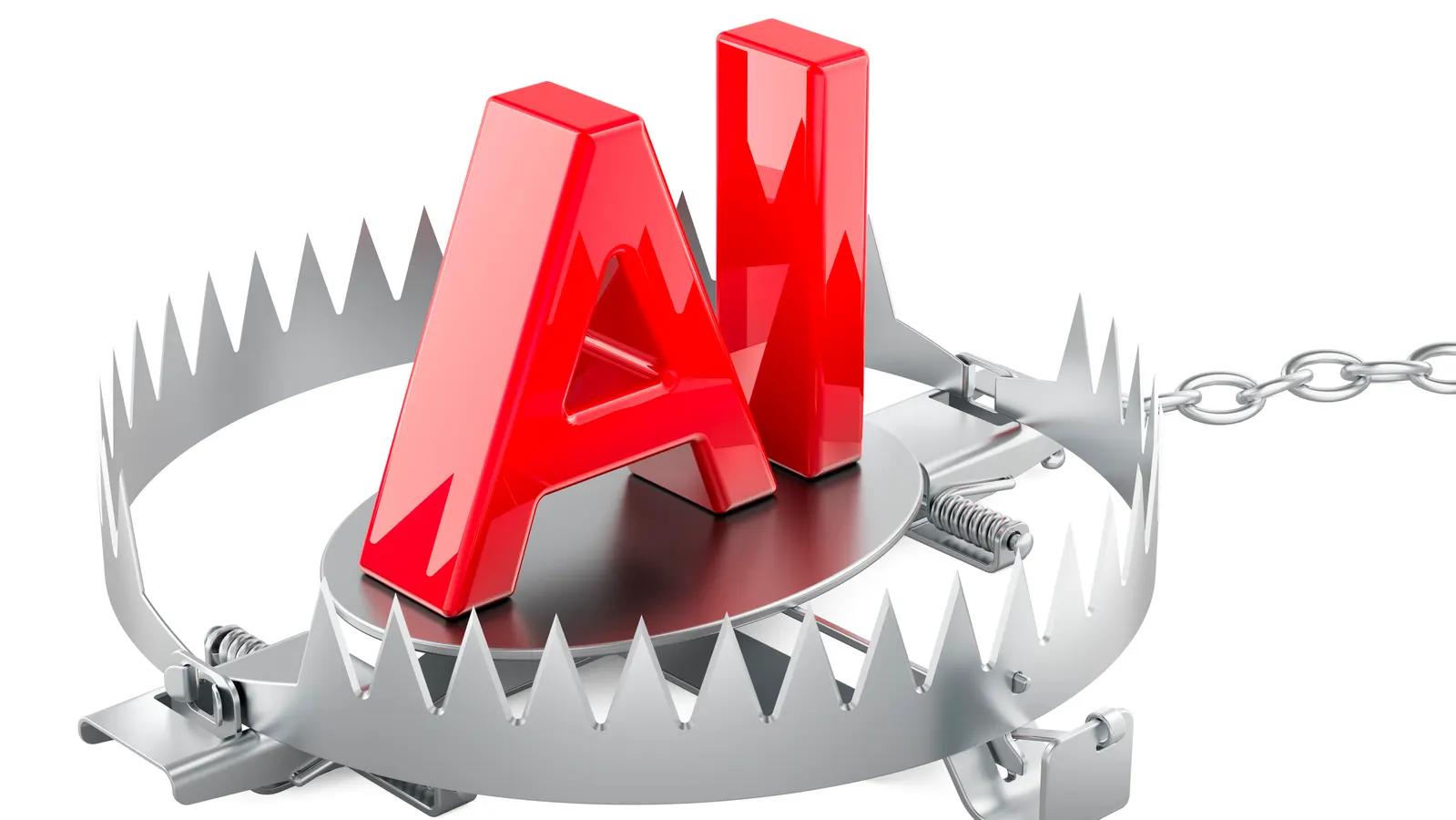
These are the upsides everyone is talking about. The part we don’t discuss enough is the economic trap forming underneath all this convenience.
Most enterprises think of tokens as a technical billing detail. They are not. Tokens are the unit of economic dependency in generative AI. Every prompt, response, summarization, retrieval step, workflow action, and agent decision is measured and monetized through tokens. Tokens are not just part of the plumbing. They are the tollbooth between your enterprise and a provider’s intelligence platform. The more AI becomes central to your operations, the more power that tollbooth holds over your future costs.
Tokens are not just a pricing unit
A token is usually described as a chunk of text processed by a model. That is accurate enough for developers, but it misses the bigger issue for CIOs, architects, and corporate boards. In the enterprise, tokens are the mechanism by which AI capabilities are rented. They are the meter attached to the intelligence itself.