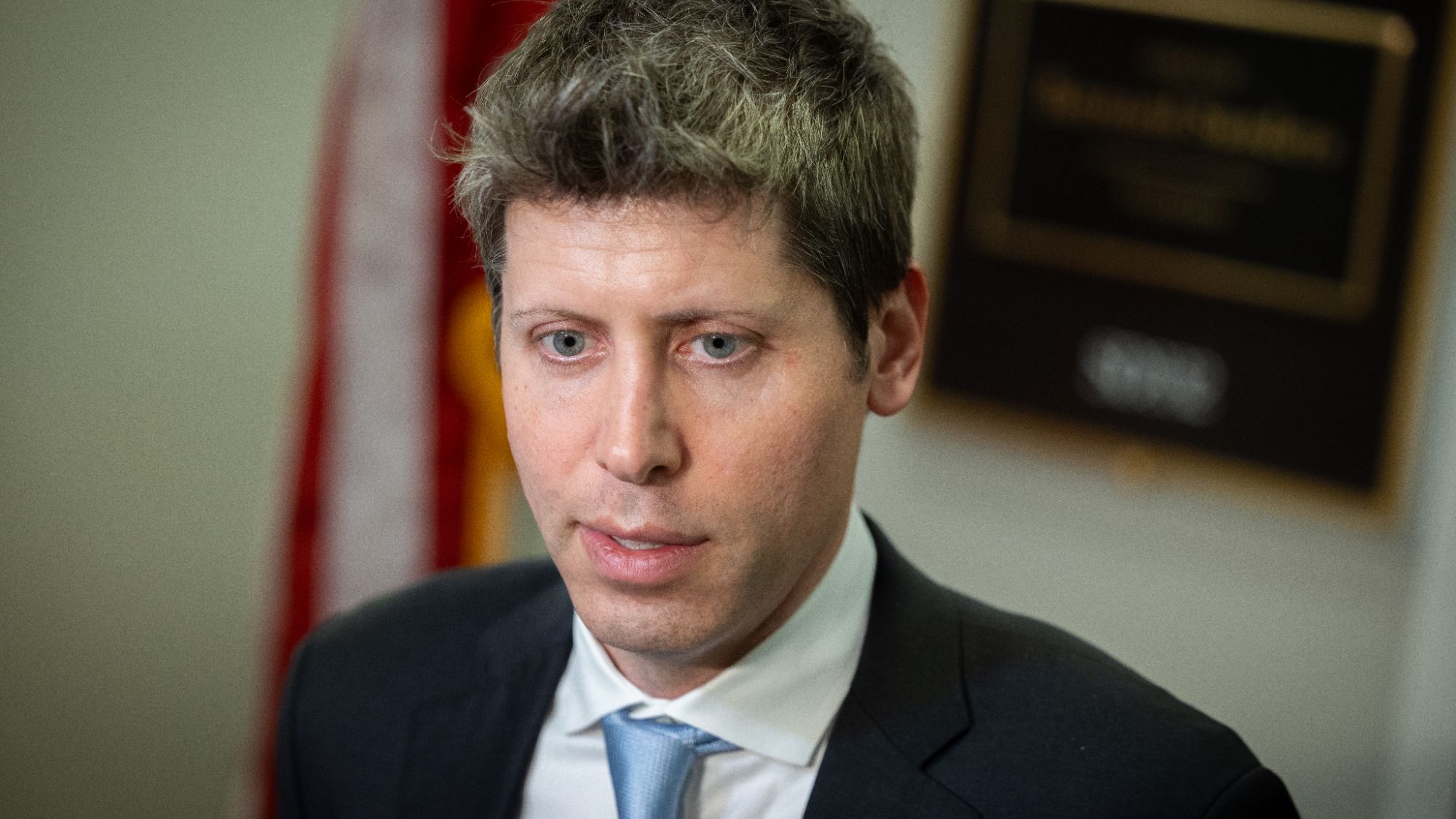
The AI mania that’s spread across Silicon Valley like a fever over the past few years is running up against some hard economic realities. In recent weeks, big tech companies have been forced to admit that spending on tokens—the basic unit of measurement for AI usage—has gotten out of control. Amazon had to shut down an in-house competition to use as many tokens as possible at work, telling employees, “Please don’t use AI just for the sake of using AI,” according to Business Insider; Uber has reportedly capped employee spending on tokens to $1,500 per month after the company exhausted its annual AI budget earlier this year. And most tellingly, the companies building the big AI models have also woken up to this sobering reality. At a recent event hosted by OpenAI, company chief executive Sam Altman admitted that token usage had become “a huge issue” for companies that were promised big productivity gains if they incorporated AI across their organization. That’s a hard pivot from just a few months ago, where the general vibe across the industry was the more that employees use AI, the better off they—and the companies they work for—will be. So-called “tokenmaxxing” became a meme, and more or less synonymous with “future-proofing”: in a day and age when everyone and their neighbors are using AI, those who know how to use AI will have a sharp edge. Not every job will necessarily be replaced by AI (so the thinking goes), but employees who don’t use AI will definitely be replaced by those who do. But AI has always been expensive, and training and inference costs for new models are only getting higher. Meanwhile, the industry’s dedicated push into agents—AI systems that can work with little to no human oversight for extended periods of time—has led to a token usage explosion. One preprint study posted in April found that agents use 1,000 times as many tokens as other AI systems.
Big Tech Is Quietly Admitting That If It Wants to Sell People on AI, It Better Be Cheap
“Tokenmaxxing” is out. The Great Token Panic is setting in.
833 words~4 min read