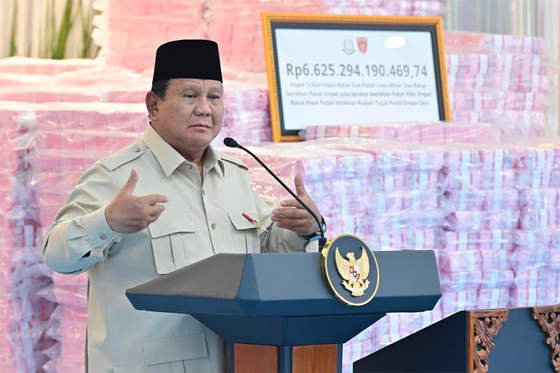
[para. 1] Indonesia has recently gained international attention by dramatically displaying its successes in combating illegal activities in the resources sector, notably through a public showcase of confiscated funds. On December 24, Indonesian authorities presented stacks of red banknotes amounting to 6.6 trillion rupiahs (approximately $425 million). These funds were recovered from fines imposed for illegal forest use and corruption, with President Prabowo Subianto touting this as a major victory for government revenue.[para. 2][para. 3] President Prabowo emphasized the recovery of over 4 million hectares of forest lands and declared intentions to intensify efforts against resource sector malpractice. Since taking office in October 2024, Prabowo initiated a wide-ranging anti-corruption campaign, primarily targeting the palm oil and mining industries. The most notable legislative move was Presidential Decree No.5 in January 2025, which mandated a comprehensive review of all mining and forestry permits. Companies found to be operating without proper permits faced steep fines and land seizures.[para. 4][para. 5] Enforcement was entrusted to a newly established Task Force on Forest Area Management (Satgas PKH), headed by Defense Minister Sjafrie Sjamsoeddin, involving various branches of government, military, police, and prosecutors. Throughout 2025, this task force collected over 2.34 trillion rupiahs in fines from palm oil companies and a nickel miner, while prosecution of major cases resulted in additional recoveries of 4.2 trillion rupiahs. Projections for 2026 suggest that administrative fines could yield 142.23 trillion rupiahs—potentially one of the largest such movements in Indonesia’s history.[para. 6] By year-end 2025, the task force had regained control of approximately 4.1 million hectares of illegal plantations and mining sites, an area comparable to the size of the Netherlands. Importantly, 1.7 million hectares of seized palm oil estates were transferred to a new state-owned company, Agrinas Palma Nusantara. Founded in February 2025, this entity quickly became the world’s largest palm oil planter by acreage.[para. 7] President Prabowo framed these actions as efforts to eradicate deep-seated corruption and the plundering of state resources, though he acknowledged that the scope of recoverable assets could be enormous, hinting at potential fines reaching hundreds of billions of dollars.[para. 8][para. 9] The penalty for forestry regulation violations is set at 6.5 billion rupiahs per hectare. High-profile enforcement actions included the September 2025 sealing of a portion of the Weda Bay Nickel mine, predominantly owned by China’s Tsingshan Group, for lacking proper permits. A source close to Tsingshan revealed that 148 hectares were affected and expressed acceptance of the government’s rectification process, acknowledging the complexity of land boundaries and regulatory compliance.[para. 10][para. 11] As Indonesia is a global leader in palm oil, nickel, and coal exports, these regulatory changes are rippling through international supply chains. Companies like Singapore-based Wilmar International anticipate having thousands of hectares affected, while Malaysia’s IOI Group is tightening its investment risk assessments for Indonesia.[para. 12][para. 13] Analysts suggest that this may signify a broader shift in Indonesia’s management of its natural resources, highlighting concerns about the long-term beneficiaries of the nationalization drive. The government has bypassed traditional state companies and wealth funds, instead creating new companies to manage seized resources—potentially blending elements of nationalism and oligarchy. While Western investors remain cautious, Singaporean and Malaysian investment continues in established sectors, whereas China targets new, capital-intensive industries such as nickel and lithium. The Indonesian government’s decisive actions, such as seizing parts of the Weda Bay mine, are heightening uncertainty for foreign investors in the resource sector.AI generated, for reference only
Prabowo’s Resource Crackdown Hits Chinese Investors in Indonesia
The new administration has effectively nationalized 4.1 million hectares of land — an area the size of the Netherlands — sending warning tremors through supply chains and Chinese investors in the nickel belt
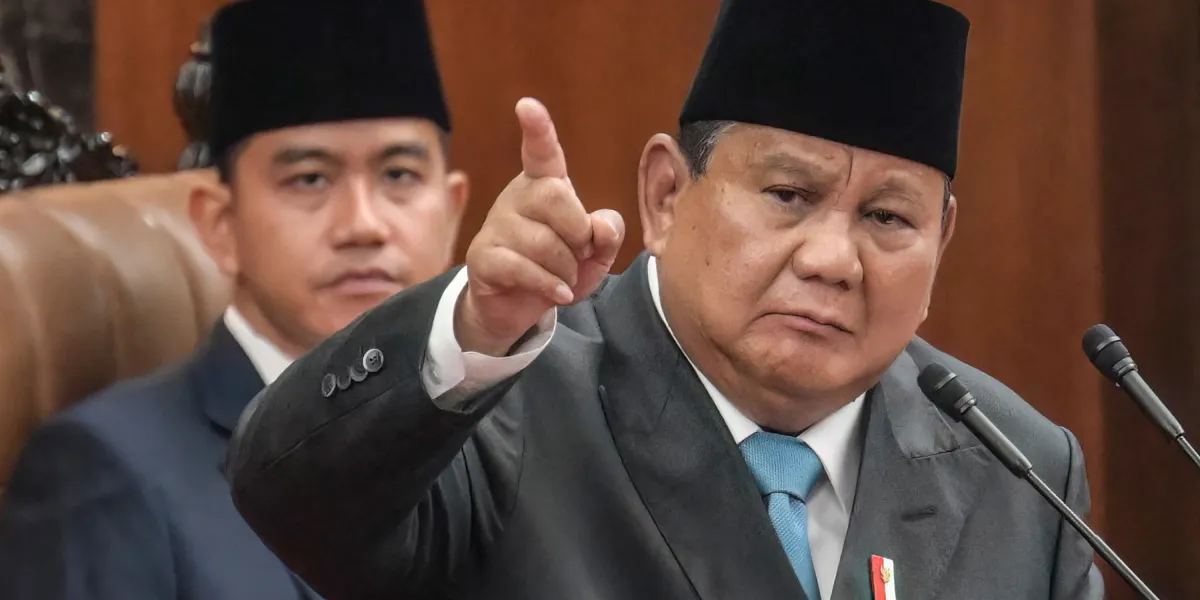
568 words~3 min read