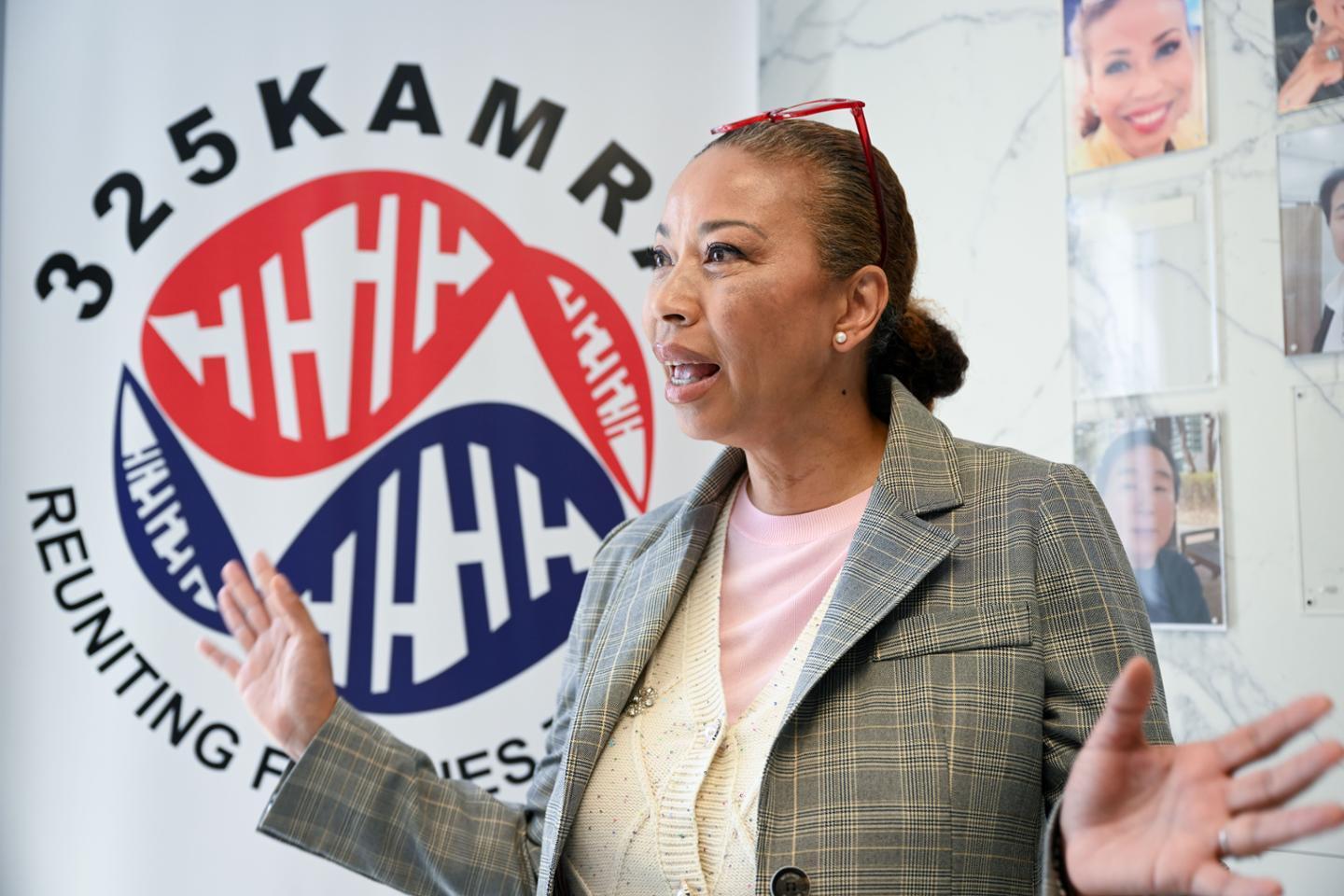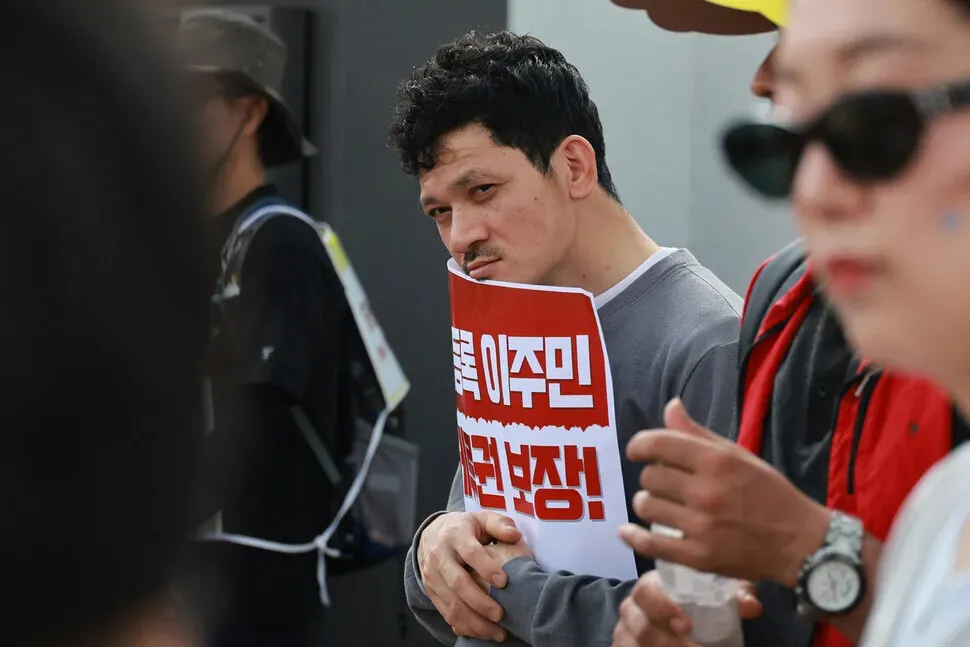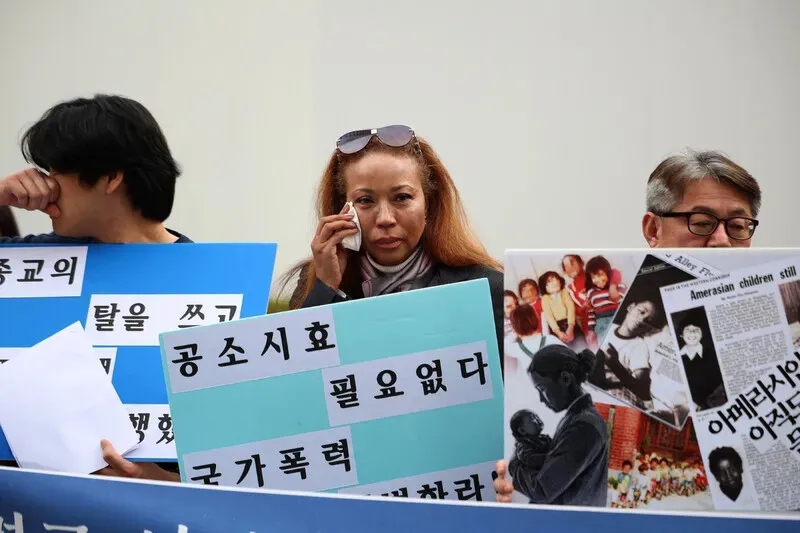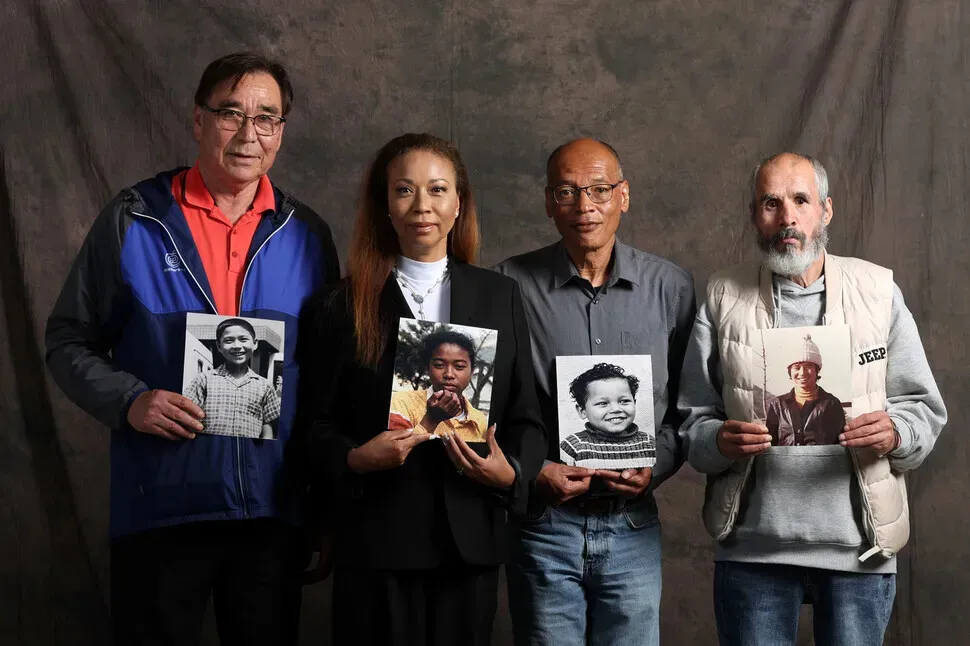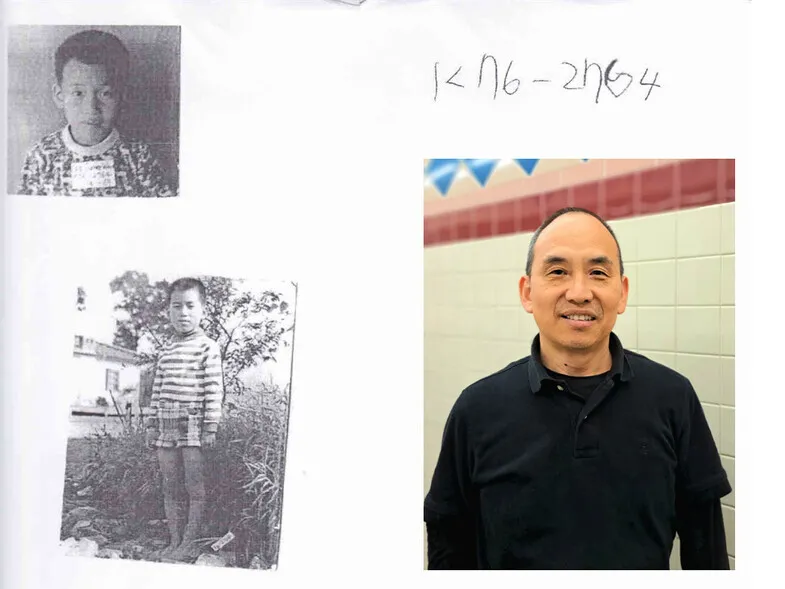
Photos of Vorhees in Korea that appear in his adoption file (left), and a current photo of him. (courtesy of Vorhees)
Editor’s Note: To mark the 35th anniversary of the newspaper’s founding, the Hankyoreh is featuring the stories of 20 transnational Korean adoptees in several installments. May 11 was Adoption Day, and this year marks 70 years of international adoption from Korea.South Korea is also the third country in the world, after Chile and Ireland, to launch a state-level investigation into human rights violations in the adoption process.The Danish Korean Rights Group (DKRG) is the world’s largest community of Korean adoptees, with more than 650 members from 10 countries, including Denmark, Sweden, Norway, Germany, the Netherlands, and the US.Since August 2022, the group has submitted 334 adoption cases to the Truth and Reconciliation Commission of Korea for investigation, leading to the opening of the investigation into human rights violations in the overseas adoption process in December 2022.The Truth and Reconciliation Commission plans to conduct a local investigation in Copenhagen starting in June. The attention of the estimated 200,000 Koreans who were adopted across the world is on the case.The Hankyoreh respects the desire of international adoptees to restore truth and justice by looking into their history, which has been tampered with from their birth by instances of infant trafficking and record falsification.These brief personal histories of 20 adoptees are accompanied by their hopes for the TRC investigation — that the truth is revealed, and they can reconcile with their past.William Vorhees. Adopted at 7 years old. Currently 54 (estimated). USA.“I relinquish all rights to said child.”On Sept. 22, 1976, the overseas adoption of a “Lee Jung-won” (then 7 years old), was decided by Kim Bong-hee, director of the Sungshil Children’s Home in Daedeok District, Daejeon.Lee’s birthplace was marked as unknown, and there were no records of his parents, meaning that Lee was an unregistered child, an orphan with no connections.Because he was an orphan, he could be adopted only with the consent of the director of the institution where he lived, according to the Act on Special Cases Concerning Orphan Adoption (enacted in 1961). All that he had to prove his identity was the name “Lee Jung-won” on his adoption papers, his date of birth (Jan. 14, 1969), and the administrative number assigned to him: K76-2764.Dec. 13, 1976, marked the day that Lee was adopted by an unmarried man with the surname “Vorhees” in California. The adoption was conducted with the approval of Holt Children’s Services, which functioned as Lee’s guardian.Upon arrival in the US, Lee was given the name William Vorhees. This is how Vorhees was reborn, one of the many people who were adopted overseas under the Act on Special Cases Concerning Orphan Adoption.