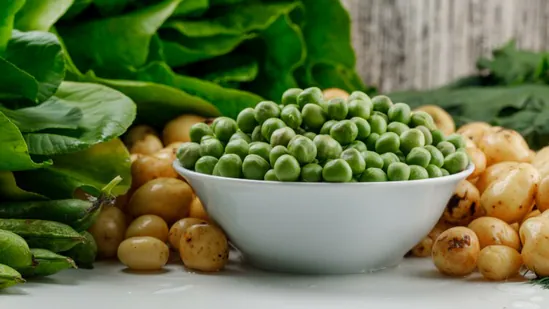
Looking to boost your protein without breaking the bank? Sonia Narang breaks down the ultimate, affordable plant-based protein winners for your daily diet. In a world where high-protein diets are often associated with expensive supplements and exotic ingredients, nutrition and wellness expert Sonia Narang has offered a refreshing, budget-friendly alternative. Sonia Narang's video discusses affordable, high-protein foods available in everyday kitchens, such as peas. (Freepik)Taking to Instagram on June 16, the nutritionist revealed that some of the most potent vegetarian protein sources are already sitting in everyday kitchens and local markets. Also read | Chef Sanjeev Kapoor's 5 high protein veg recipes for fitness enthusiasts: South Indian beetroot quinoa pachadi to saladIn the video, Sonia broke down the top protein-dense options across several distinct, affordable plant-based food categories to help people optimise their nutritional intake without breaking the bank.The ultimate plant-based protein winnersRather than focusing on complex recipes, Sonia kept her advice straightforward, identifying the single best item within everyday food groups. "The fruit with the most protein is guava," she said in her video, adding, "The vegetable with the most protein is peas."Shifting her focus to staple ingredients widely used in household cooking, she added, "The dal (lentil) with the most protein is urad dal. The flour with the most protein is gram flour (besan)."For those looking to boost their protein intake through snacks or toppings, Narang pointed to accessible choices in the seeds and nuts families. "The seeds with the most protein are pumpkin seeds," she shared, adding, “The nuts with the most protein are peanuts.”Practical use over botanyAnticipating potential debates from culinary and scientific purists regarding how certain foods are classified, Sonia clarified her approach in the video's comment section. She noted that her recommendations are built around how everyday consumers actually shop and eat."Also, peanuts are botanically legumes, and besan is flour made from chickpeas," she explained in the comments. "However, peanuts are commonly consumed and compared alongside nuts, while besan is widely used and understood as a flour ('atta' ) in everyday cooking," Sonia added.She shared that health benefits should ultimately override strict scientific labelling. "Our categorisation is based on practical dietary usage and consumer understanding rather than strict botanical classification," Sonia wrote, adding, "The nutritional comparison, particularly regarding protein content, remains the focus of the discussion."A guide for everyday dietsThe guide's underlying goal is to simplify healthy eating, making it accessible to anyone looking to improve their nutrition using common vegetarian ingredients. Sonia framed the guide as an educational tool for her followers, writing in her post's caption: "In this video, we’ll talk about high protein foods and the best foods in each category for the same."By highlighting readily accessible staples such as green peas, guava, and besan, Sonia's guide serves as a practical blueprint for individuals looking to maximise their daily protein intake on a budget.Note to readers: This report is based on user-generated content from social media. HT.com has not independently verified the claims and does not endorse them.This article is for informational purposes only and not a substitute for professional medical advice.With a keen eye for detail and a heart for storytelling, Sanya is a seasoned lifestyle journalist who has spent over a decade documenting the intersection of aesthetics and substance. Since stepping into the media world in 2012, she has cultivated a career defined by versatility, curiosity, and an unwavering passion for what makes life both beautiful and meaningful.
Nutritionist reveals cheapest, high-protein fruit and vegetable hiding in your kitchen
Looking to boost your protein without breaking the bank? Sonia Narang breaks down the ultimate, affordable plant-based protein winners for your daily diet. | Health
814 words~4 min read