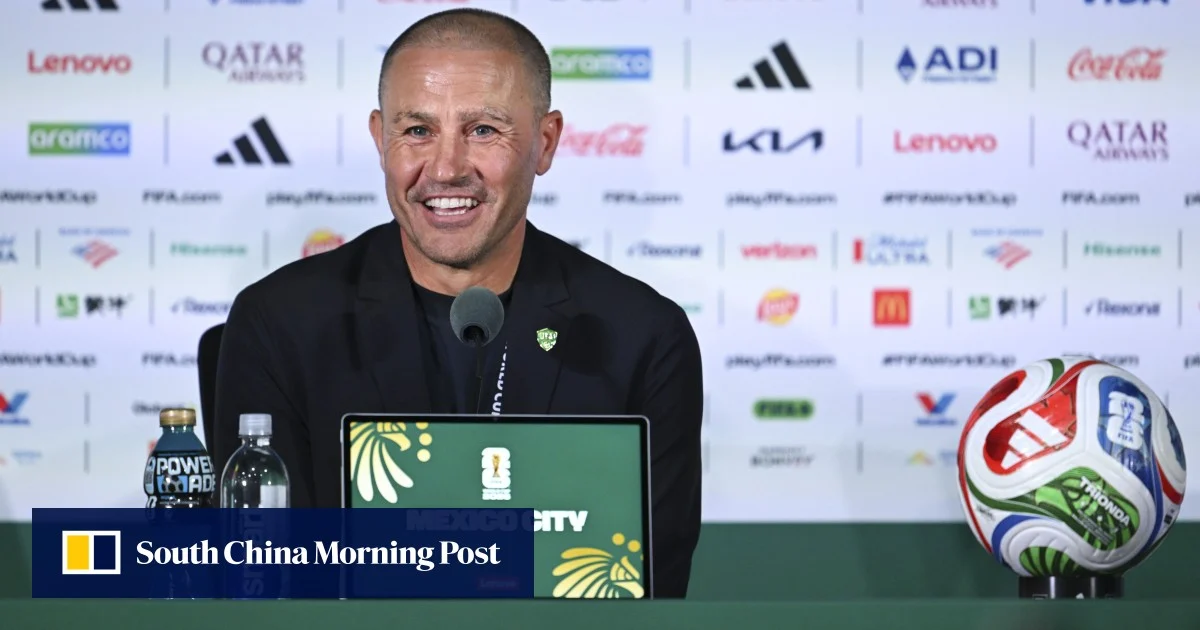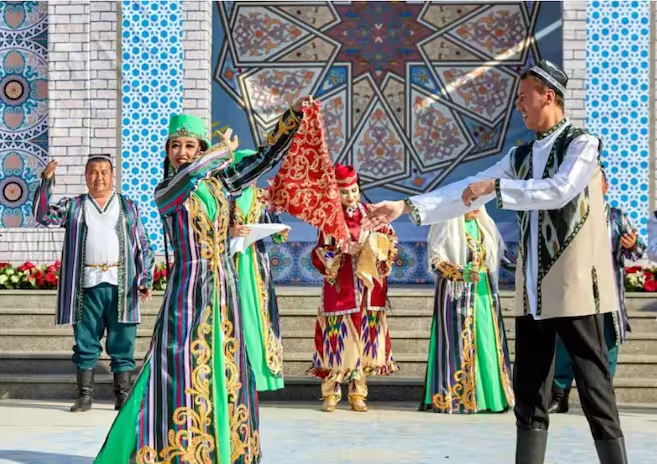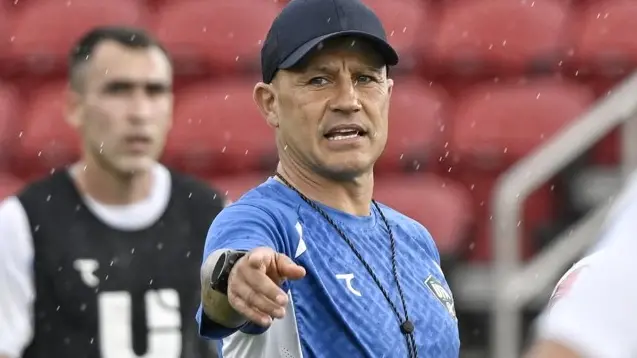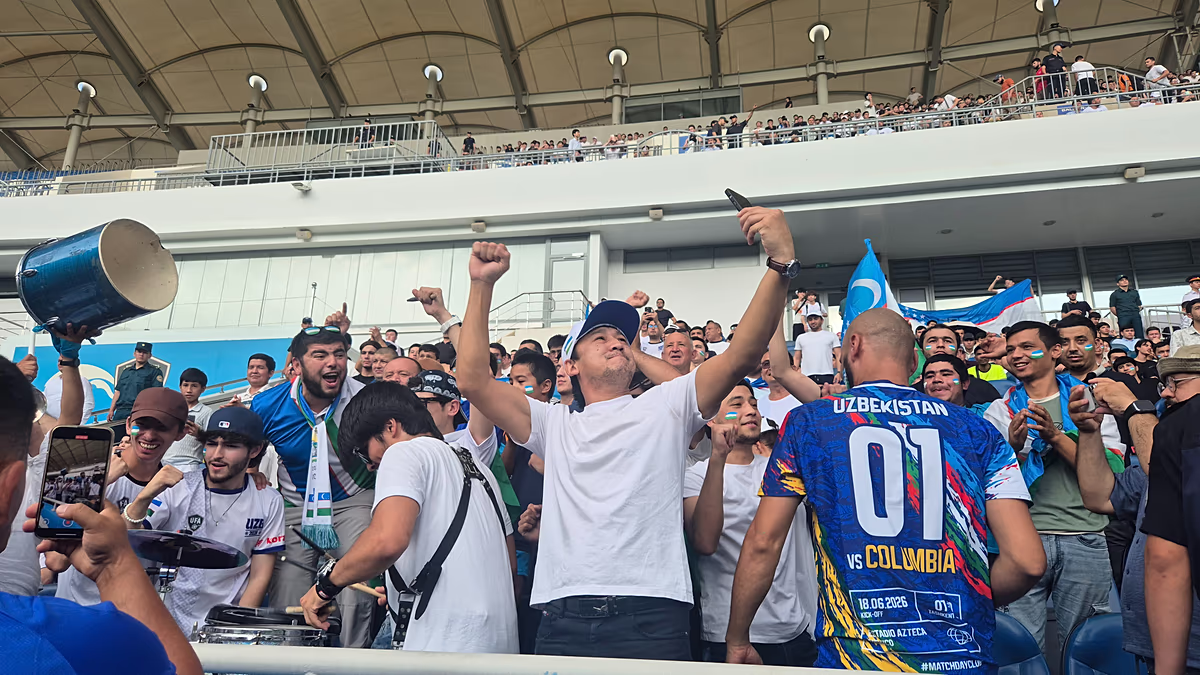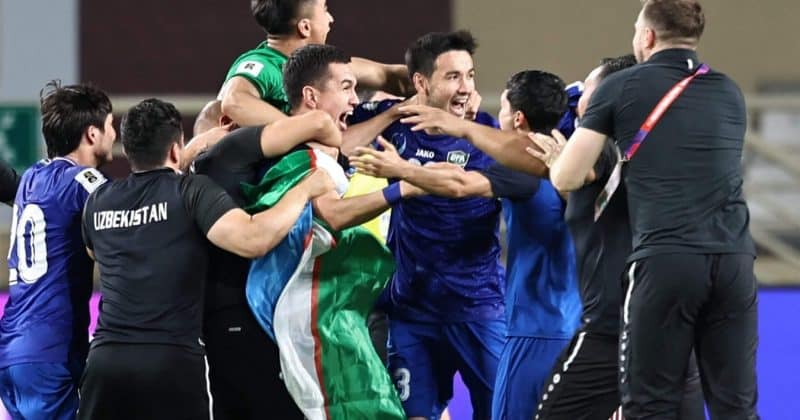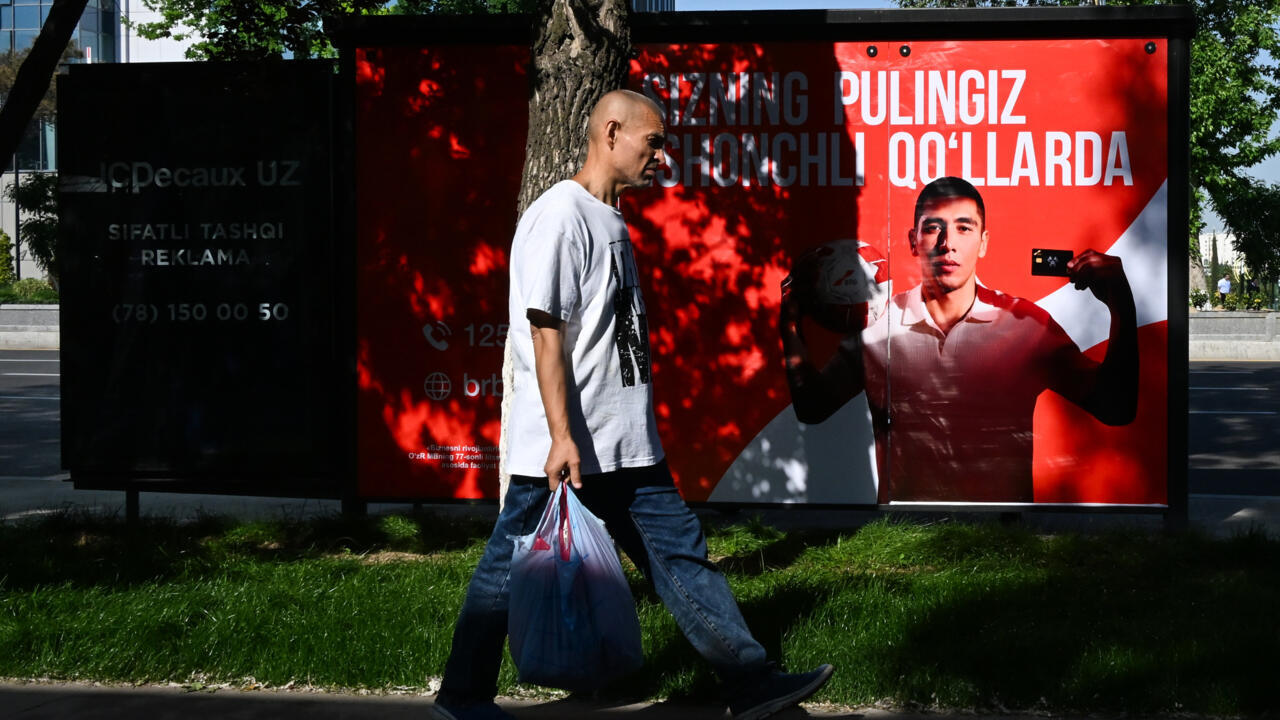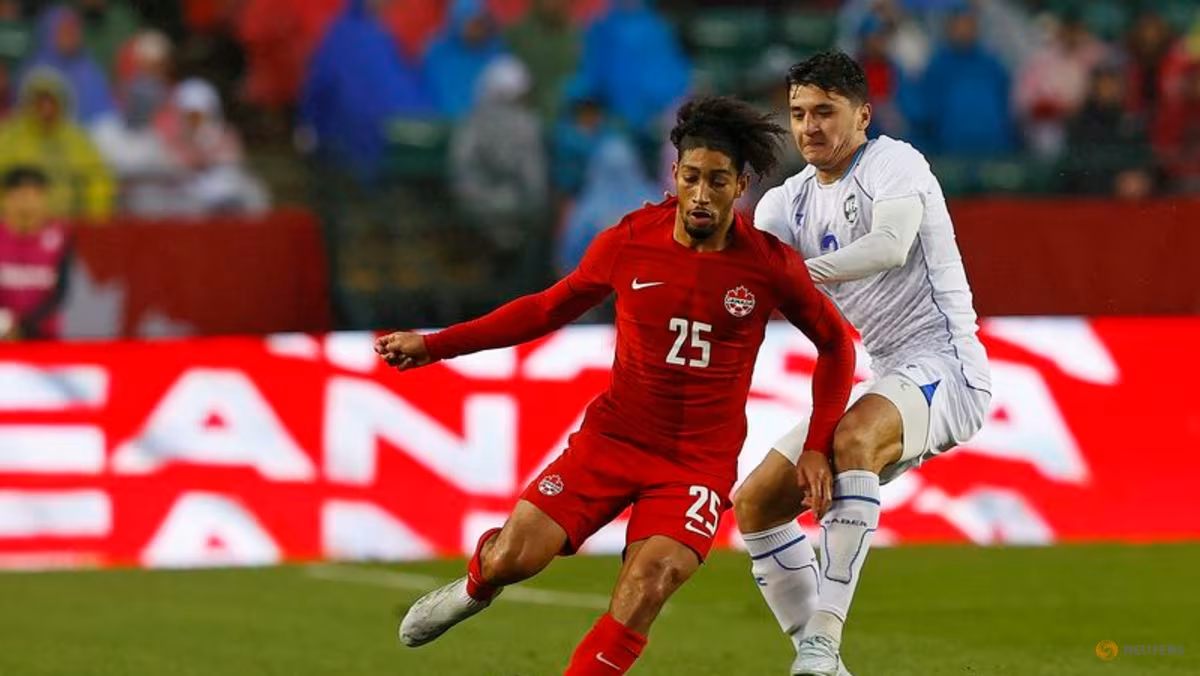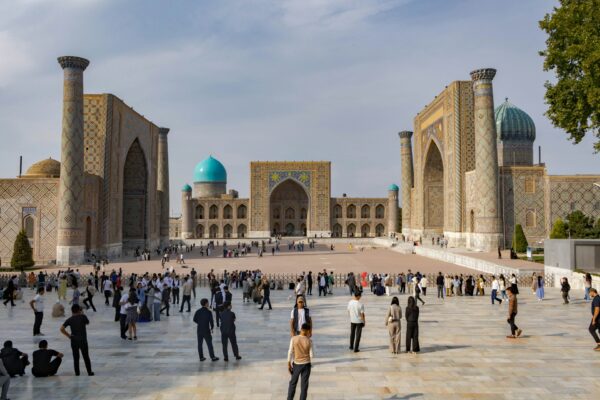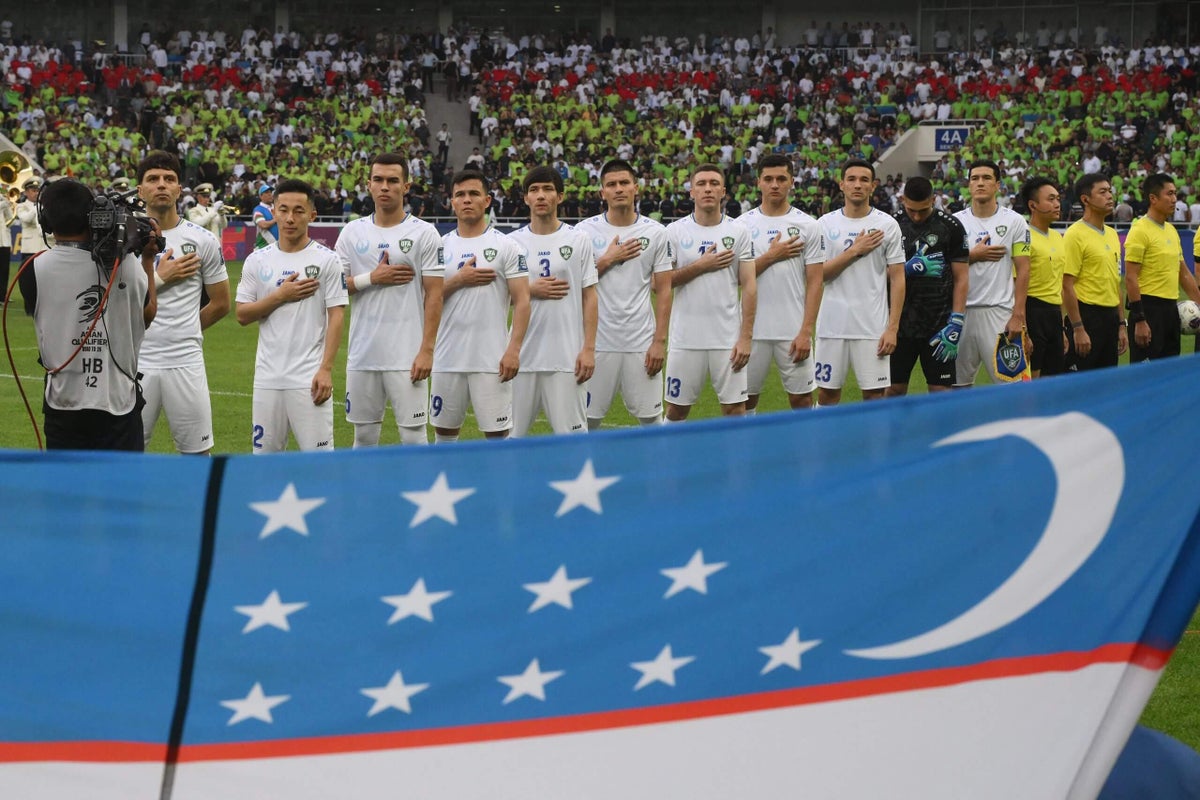
Destination arrival times when using the help of Google Maps to get somewhere are infinitely beatable.With a bit of a spring in your step you’ll comfortably ‘beat’ the app, which has a bit of a one-size-fits-all approach to calculating how long the average person will take to reach their destination.That’s in the United Kingdom, anyway. In Uzbekistan? Honestly, good luck. Their version (Yandex Maps) is almost impossible to beat unless you’re jogging. Pound the street with long stride lengths and take your life into your own hands by crossing a busy main road all you like, you won’t get there quicker than your estimated arrival time.Why is that relevant to Uzbekistan’s football team? Because it feels absolutely indicative of a nation that pushes itself to earn everything it can get.Hard work is going to be at the centre of Uzbekistan’s plan to make a mark on the 2026 World Cup. It has to be. They’re playing three teams higher than them in the FIFA World Rankings including two contenders to win the whole tournament in Portugal and Colombia.But, while this may be Uzbekistan’s first ever World Cup, theirs is no underdog tale in the manner of, say, Curacao or Cape Verde, two fellow World Cup debutants.For a start, their population is 38 million, which dwarves not only Curacao (155,000) and Cape Verde (530,000) but is larger than 26 of the 48 nations at the tournament, including Portugal, the Netherlands, Belgium and Australia.Uzbekistan also doesn’t have the excuse of not being a football-mad country. In fact it’s the number one sport in the Central Asian country and has been for some time.Why, then has it taken them so long to qualify? And are they any good at football?The first question can be summed up by two reasons; a lack of infrastructure and a lot of misfortune.To the latter point, Uzbekistan, which became independent from the former Soviet Union in 1991, came incredibly close to reaching a first World Cup in 2006 (losing an intercontinental play-off in controversial circumstances), 2014 (missing out on goal difference) and 2018 (two points short of South Korea, who they drew 0-0 with in their final group match).They duly earned a tag of ‘chokers’ in Asian football, which to be fair felt merited; they should have qualified sooner than 2026.What led them to qualify with relative ease for this summer’s tournament? They address the first reason listed above, spending millions on infrastructure.In the past 10 years they have built a new national football centre, stadiums, academies, pitches and hired Italy legend Fabio Cannavaro to bring it all together at first-team level.Uzbekistan fans during of a World cup qualifier with Qatar (Anvar Ilyasov/Getty Images)FIFA programmes such as Football for Schools have been established, to help eventually nurture and identify players for a career in professional football, with football pitches created in 70 per cent of more than 9,000 Uzbek neighbourhoods.Crucially, they have modernised coaching education to ensure generations of players can be produced, not just one team. That’s led to success at youth level (going deep in under-17 and under-20 tournaments, both globally and in Asia, as well as a first Olympics appearance in 2024) and there are high hopes Uzbekistan can become a bit of a force at senior level too. The Asian Cup early next year in Saudi Arabia is a big target beyond the World Cup.A new national 55,000 stadium in the capital Tashkent is on the way next year and will host matches at next year’s FIFA Under-20 World Cup, which Uzbekistan will co-host with Azerbaijan. Contrast that to 2017 when the country only had three stadiums which met FIFA’s international standards.“The talent has always been there but we needed structure,” former footballer and now the editor of the city’s English-speaking Tashkent Times newspaper, Akbar Yusupov, tells The Athletic.“The current group have played together, aged 16, 17 onwards, with organised training camps in Europe and South America.“That’s why they’ve improved; proper preparation over a long time. They pull players away from club teams to go national team training camps and there’s a huge focus on national success.”That may be to the detriment of the domestic league, which lags way behind its European equivalents. Cannavaro has been critical of fitness standards.However, they have a talented, organised team, one which has risen to 50th in the FIFA rankings, and has a distinct style which was forged seven years ago when it was decided to adopt a centralised national team style to be played throughout age groups, with input from Uzbek coaches.Vertical passes, technical play, counter attacks and a physical, full-throttle approach to winning the ball back was the result, all of which should be on show when they take on Portugal, Colombia and DR Congo in the coming weeks.Cannavaro likes what he has at his disposal but, other than fitness and physicality, confidence is another Uzbek issue. After years without success, there isn’t belief in abundance in a group that has never featured on the world stage, with many of them having never left the Uzbek league.Fabio Cannavaro brings World Cup savvy (Anvar Ilyasov/Getty Images)“Honestly, I’d rather they gain confidence rather than points against Colombia and Portugal, in preparation for that crucial third game against DR Congo,” Yusupov adds.“If they defend for 90 minutes in those first two matches and cling on for draws, that’s not what they need. They just need to believe in how good they are.”It’s a team centred around three shining lights; Manchester City’s lightning-quick defender and national hero Abdukodir Khusanov, veteran 44-goal striker and captain Eldor Shomurodov who was joint-top scorer in the Turkish Super Lig last season with Istanbul Basaksehir, and his club team mate Abbosbek Fayzullaev, a gifted young attacking midfielder.Elsewhere Otabek Shukurov, with 84 caps to his name, holds it all together in midfield. It’ll be three at the back, with the ability to play a high line due to Khusanov’s pace.“Portugal, Colombia and Congo are very tough teams,” Cannavaro said recently. “It will be very difficult but what I said to my players, we don’t have anything to lose.“It’s the first time Uzbekistan in the World Cup, I told them to enjoy (it). To have an opportunity to play in the World Cup is not normal.”Uzbekistan hope it will become the new normal.
Uzbekistan invested in football and hired Fabio Cannavaro. They are a team on the rise
An investment in coaching and facilities has allowed the football-mad Central Asian country to tap into existing talent
1,046 words~5 min read