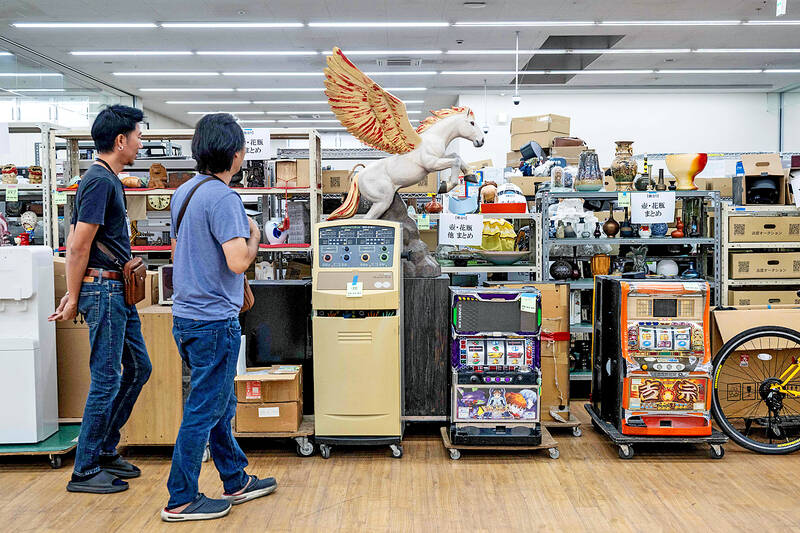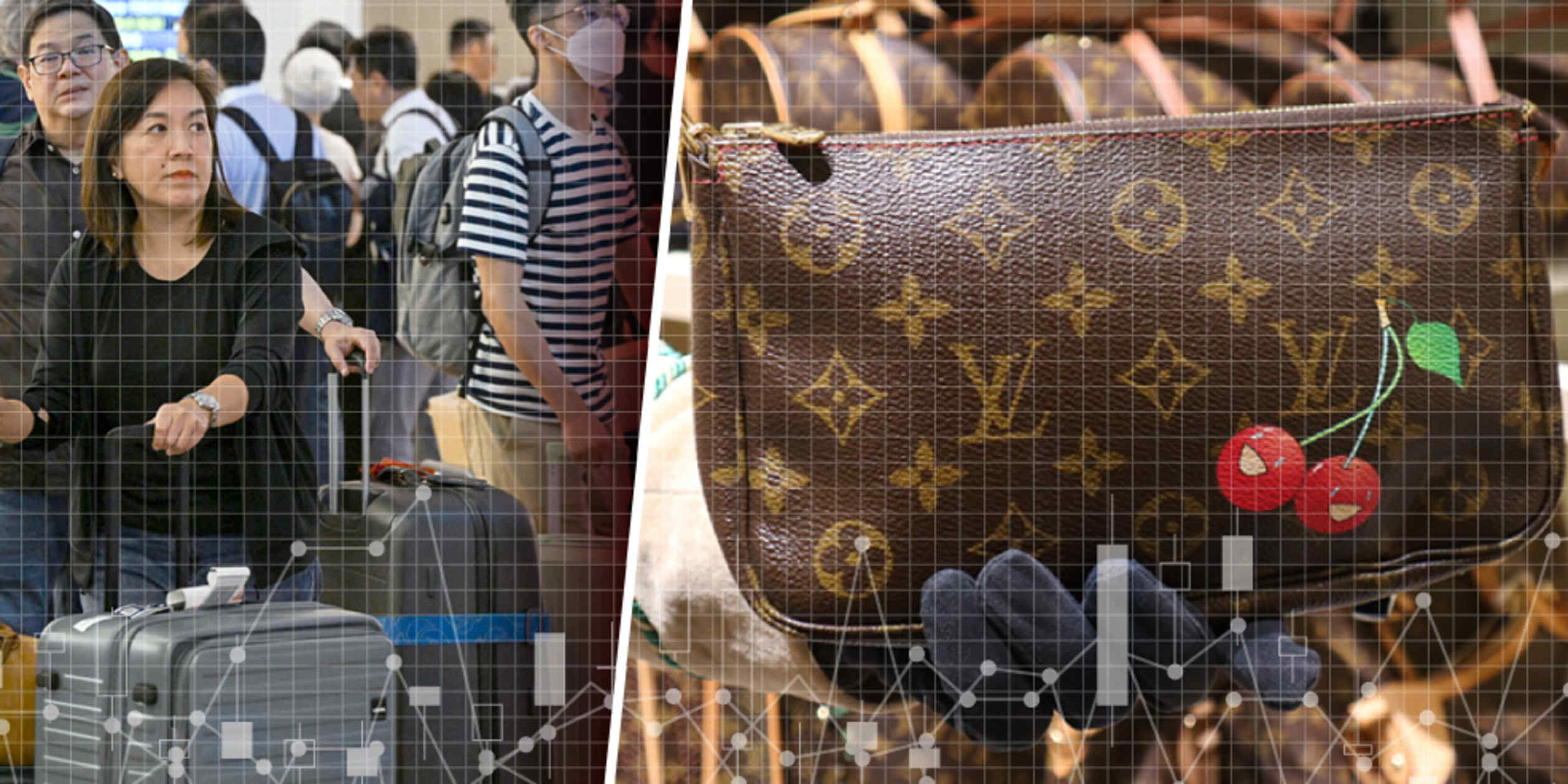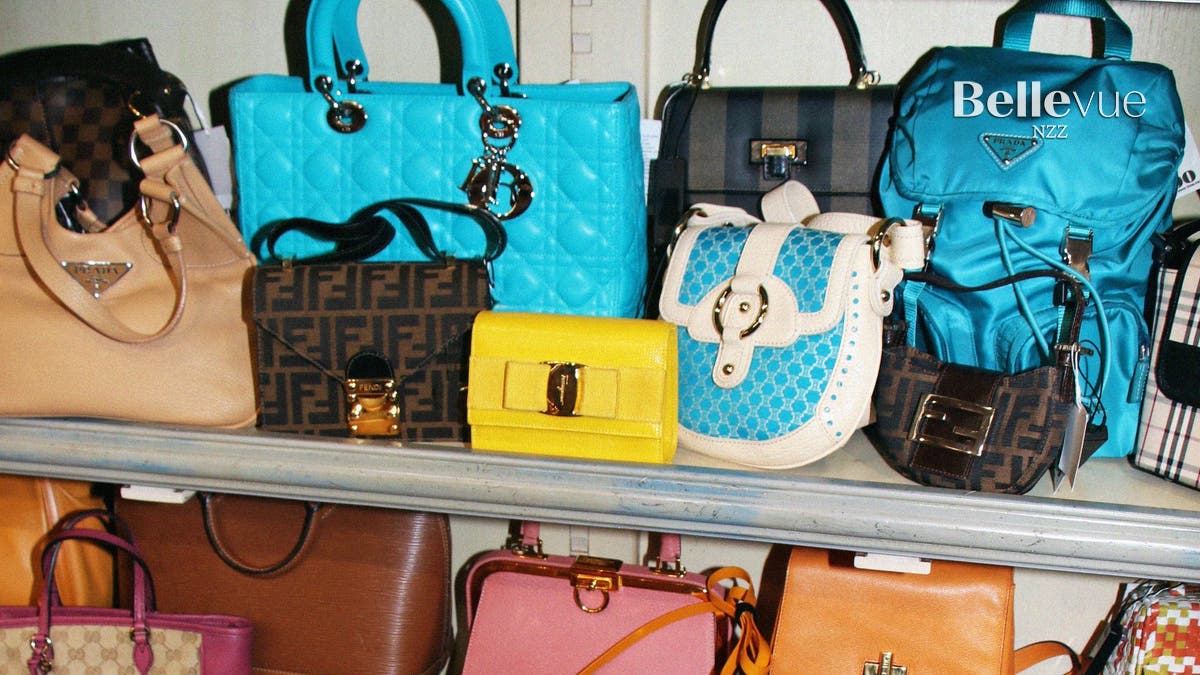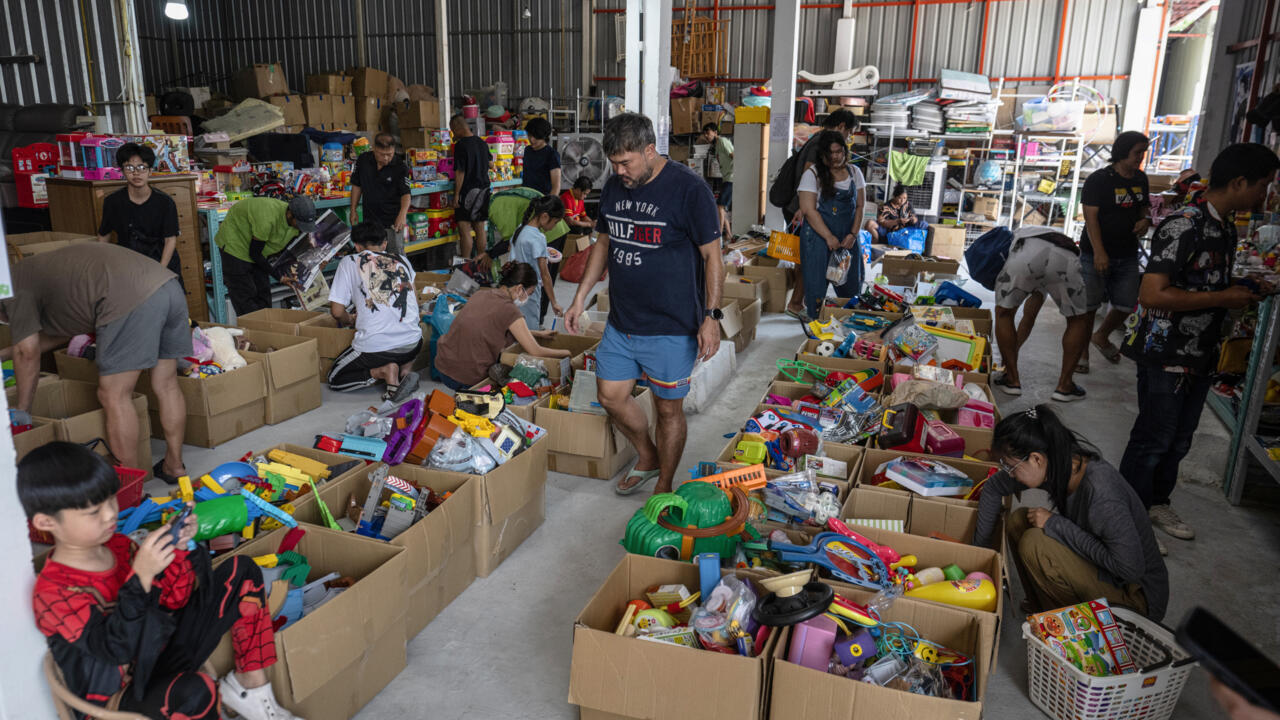
From bags and bicycles to surfboards and suitcases, the Japanese second-hand market is booming, with quality-conscious buyers in other Asian countries increasingly tapping into the circular economy trend."What is considered garbage for them can still be useful in Thailand," 36-year-old Lookpoo Sathitpanyapon, who runs a Facebook store selling toy keychains, told AFP."That bag! That bag!" one shopper shouts while racing through the warehouse, filled with everything from colourful toys -- including popular Gundam action figures -- to ceramic bowls, beaded necklaces and even used umbrellas.The idea of the so-called circular economy, which involves recycling and reusing existing products, has become increasingly mainstream in recent years, according to Amsterdam-based think tank Circle Economy Foundation, describing it as a "megatrend" in a 2024 report.
From bags and bicycles to surfboards and suitcases, the Japanese second-hand market is booming in places like this store in Nonthaburi, Bangkok © Lillian SUWANRUMPHA / AFP
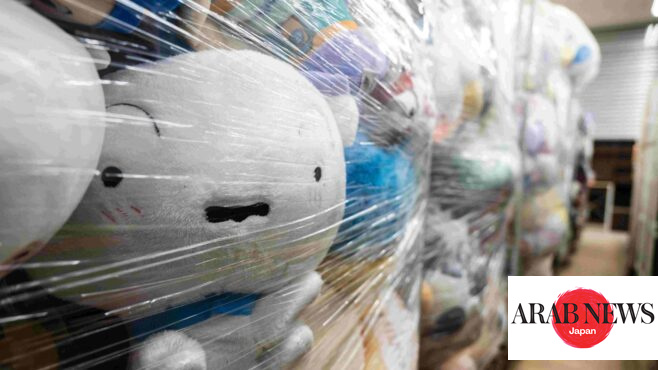
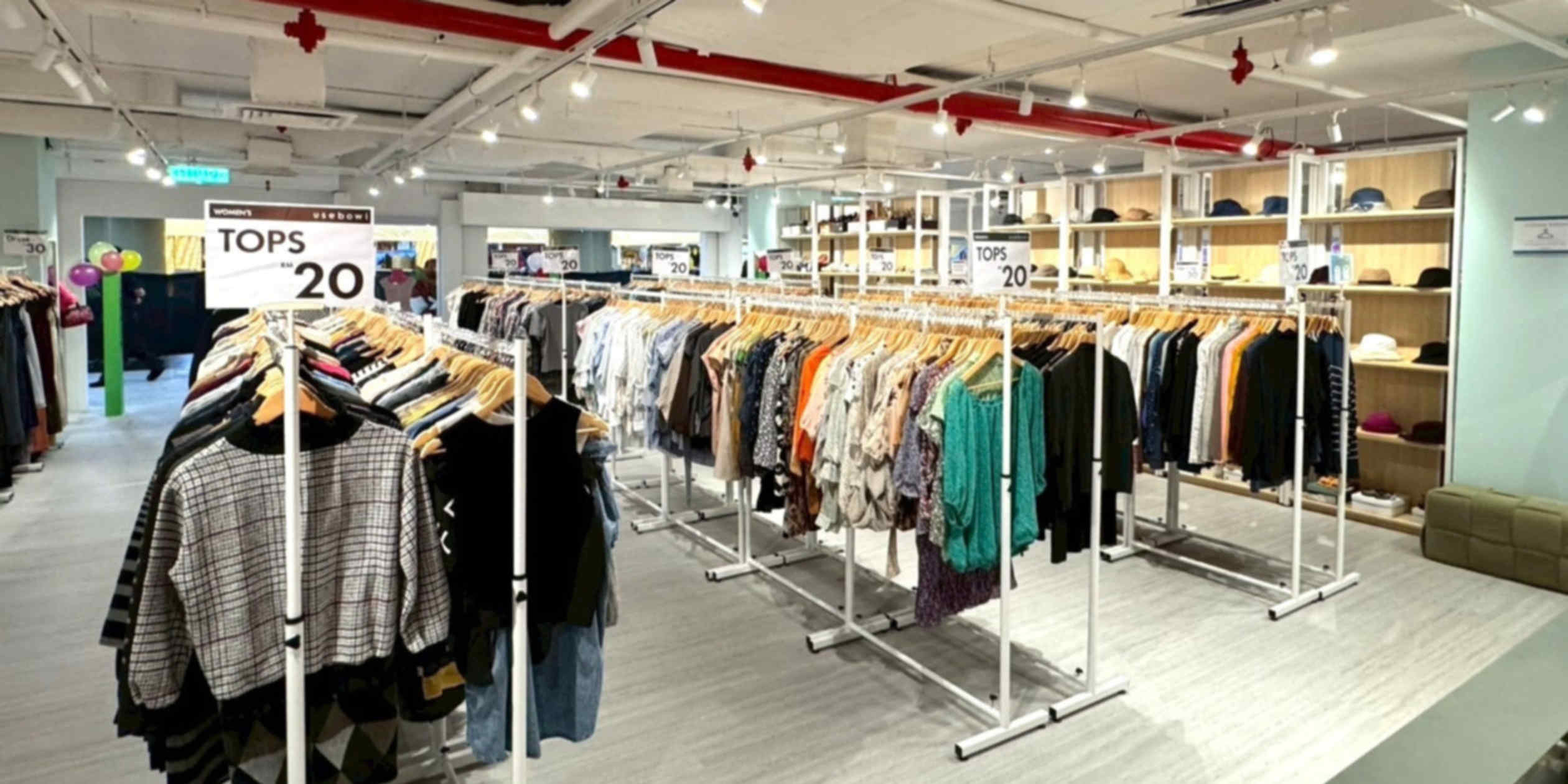
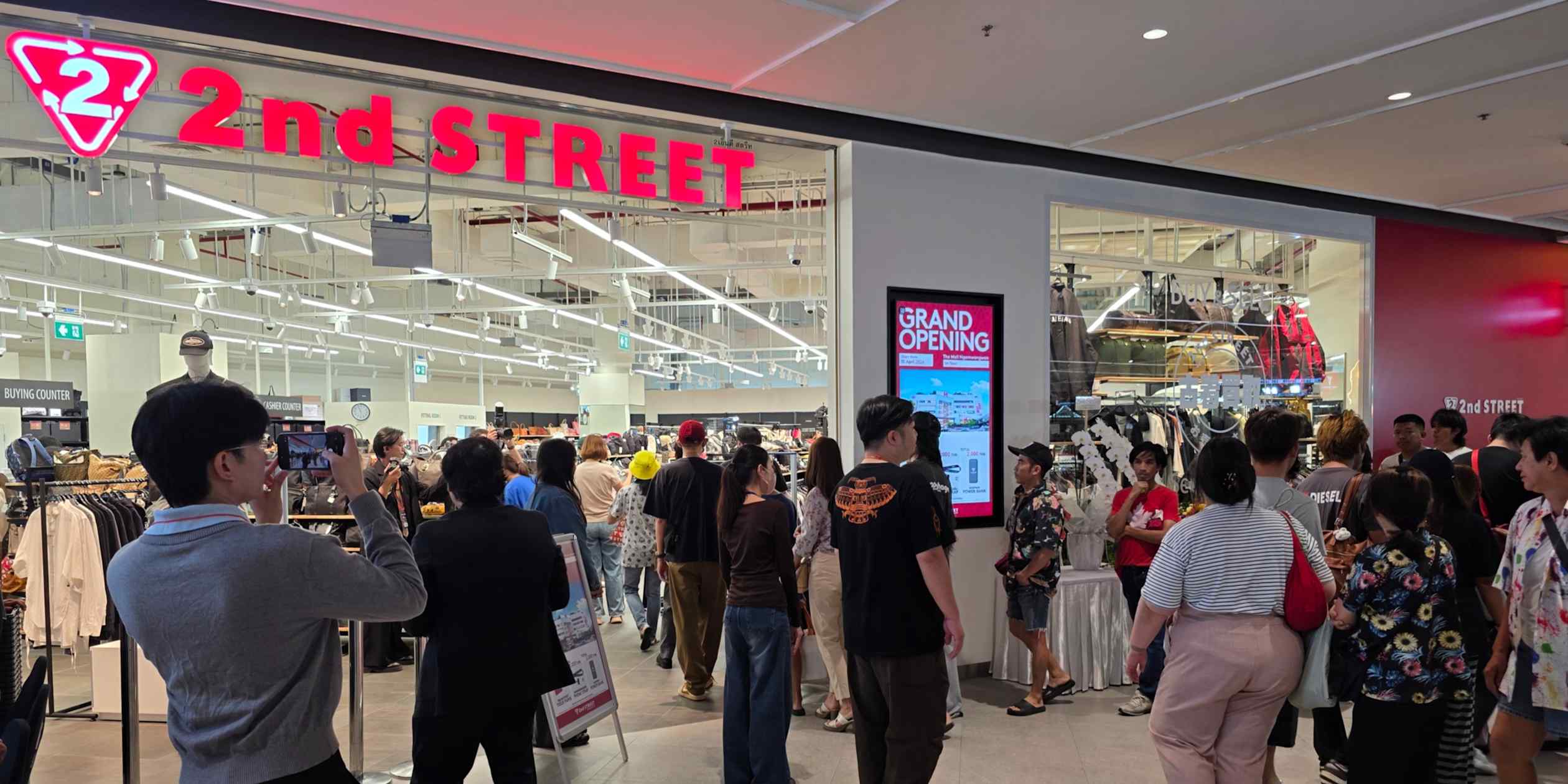
In Japan, the thriving second-hand goods market has doubled in value since 2010, according to market research agency Kadence International, and multiple Japanese re-use companies are expanding across Asia.Treasure Factory, a Tokyo-based second-hand store operator, now has six stores in Thailand and three in Taiwan.Used-goods industry leader Bookoff partnered in April with FamilyMart to collect items in its convenience stores across Japan and export them to one of Bookoff's 26 shops in Malaysia or Kazakhstan.Smaller ventures are also thriving.At an auction near Tokyo, Thai trader Kangyapat Yoosanong bids for a wagonful of plushies -- crucial items in her lucrative business selling Japanese used goods in her home country."Everything (used in) Japan is popular" abroad, said the 35-year-old, who shelled out 340,000 yen, around $2,100, for 100 kilograms (220 pounds) of stuffed toys.The plushies, along with the rest of her haul of bags and toys, will soon end up in the Bangkok warehouse.'Winner's game'By the day's end, most of the stock is gone at the weekly auction in Saitama, north of Tokyo, according to the sale's organising company Hamaya, with foreigners representing roughly a third of bidders."It is difficult to sell second-hand goods in Japan" if they're more than seven years old, Hamaya president Ippei Kobayashi told AFP. "But they are still popular in foreign markets."