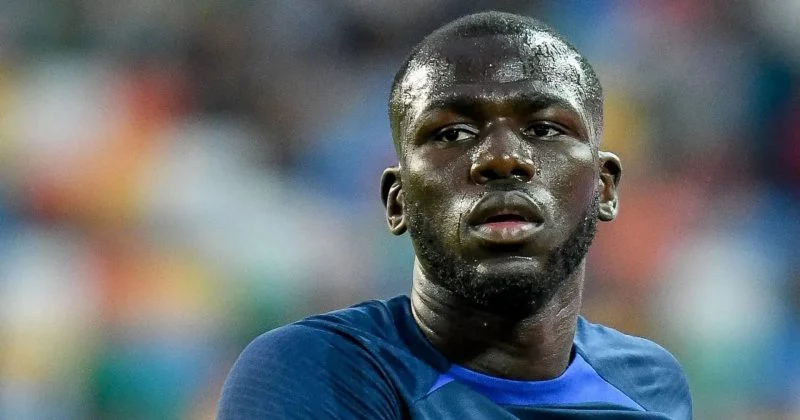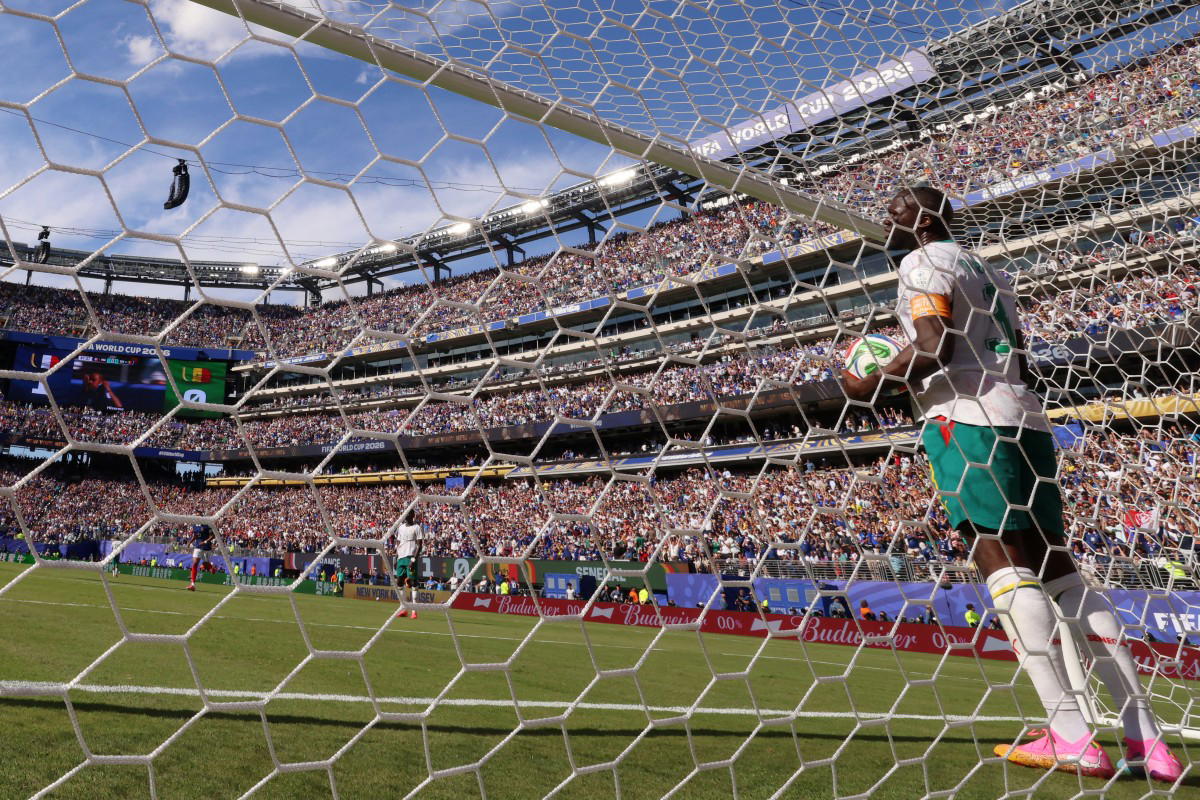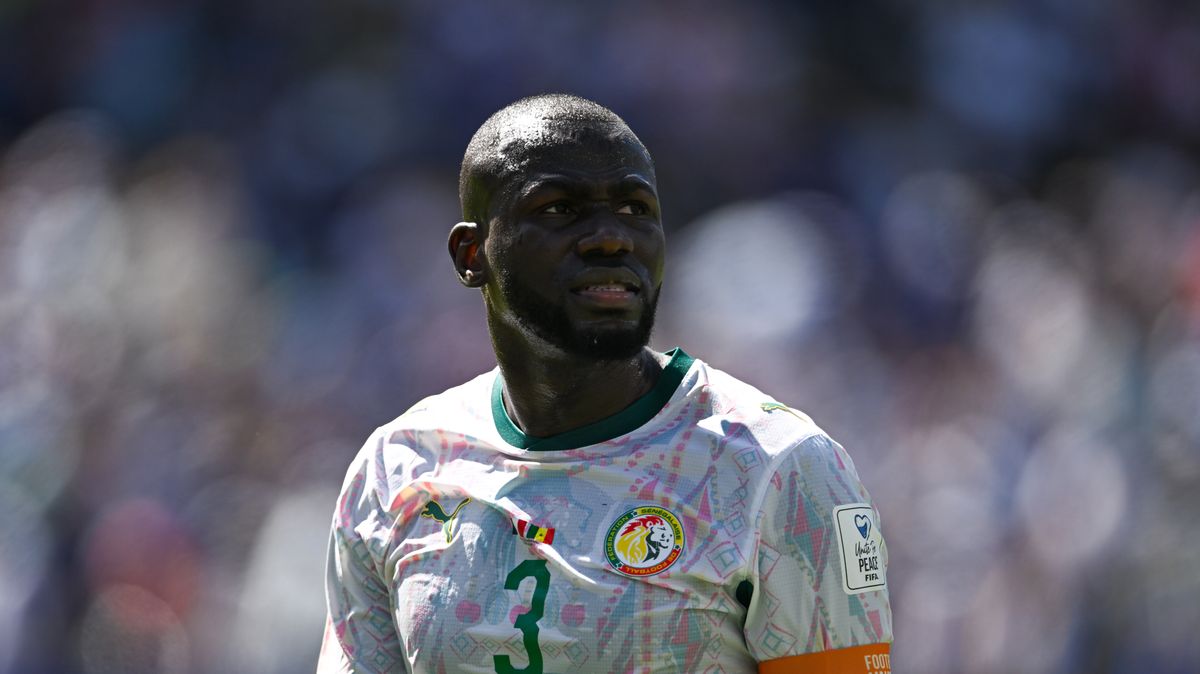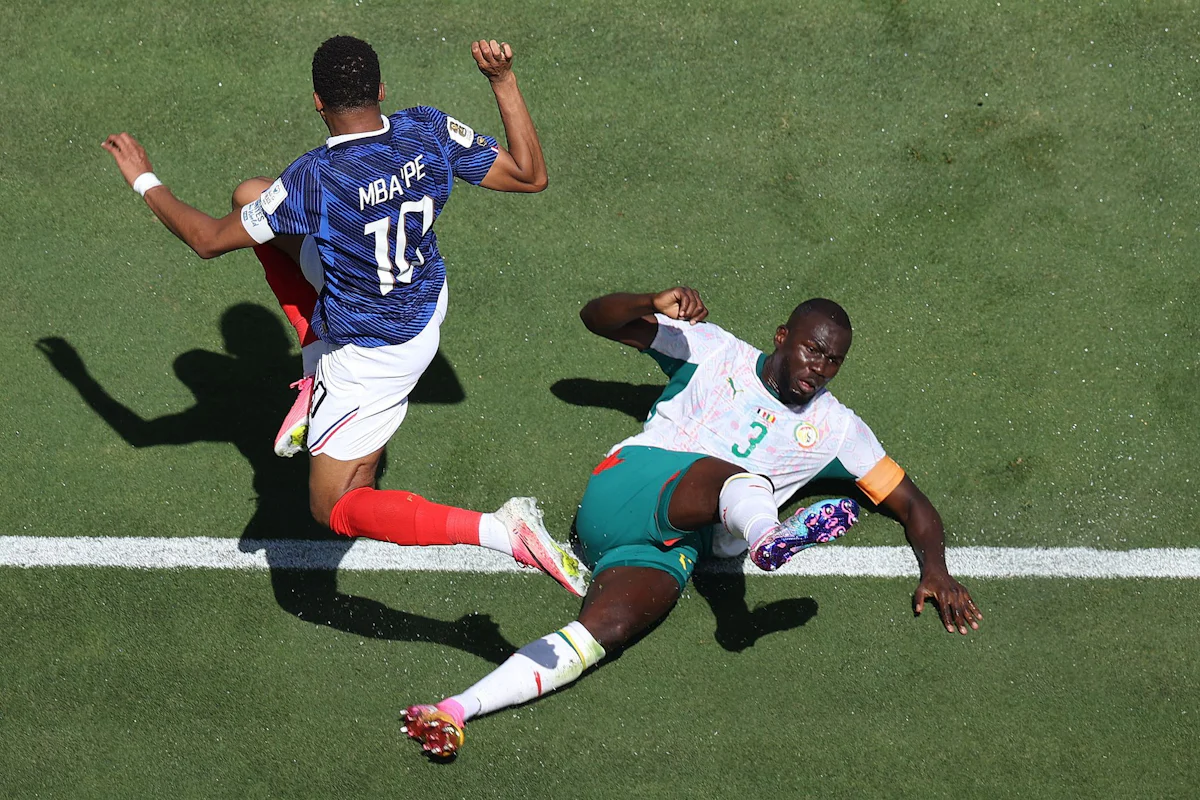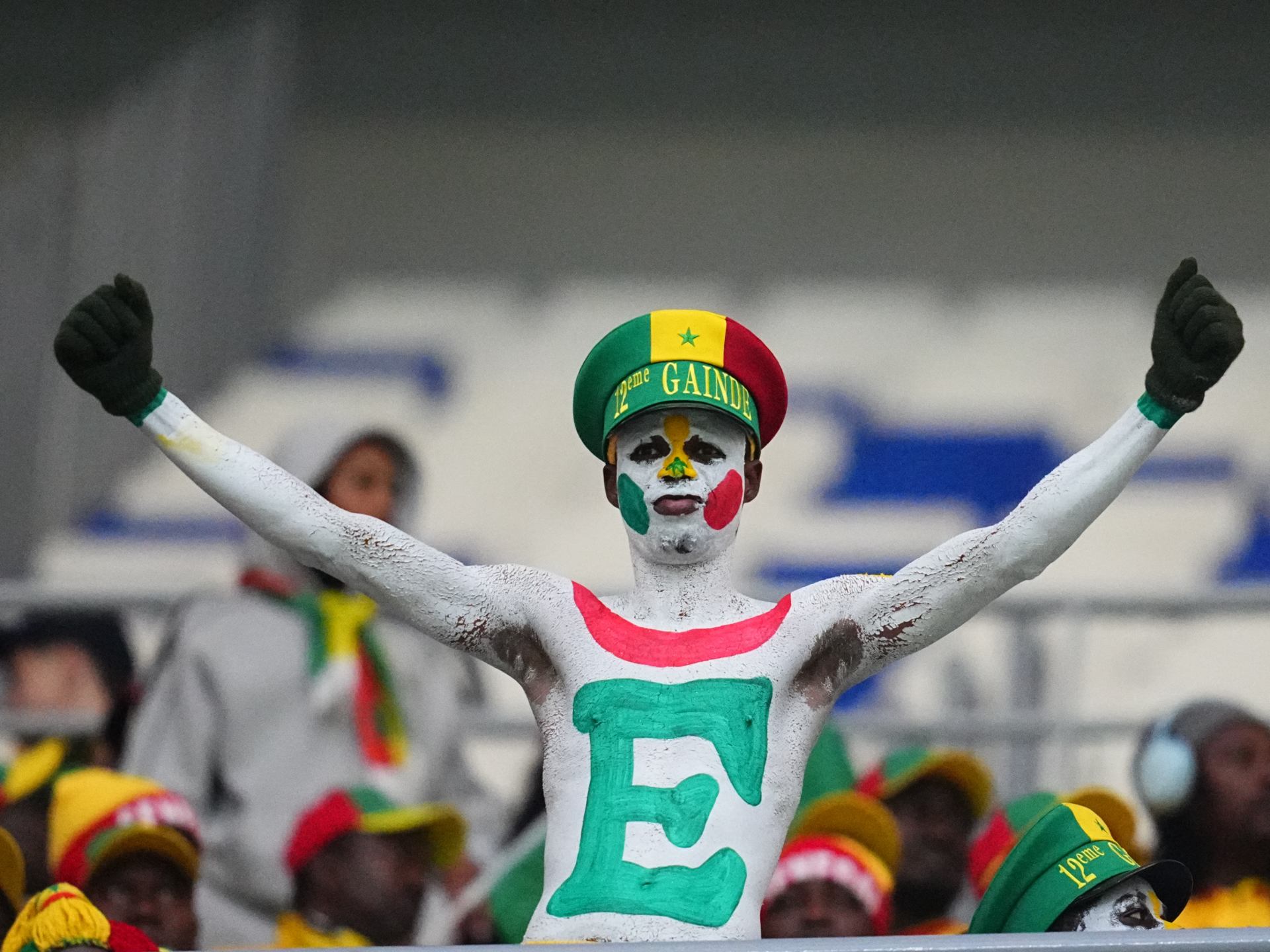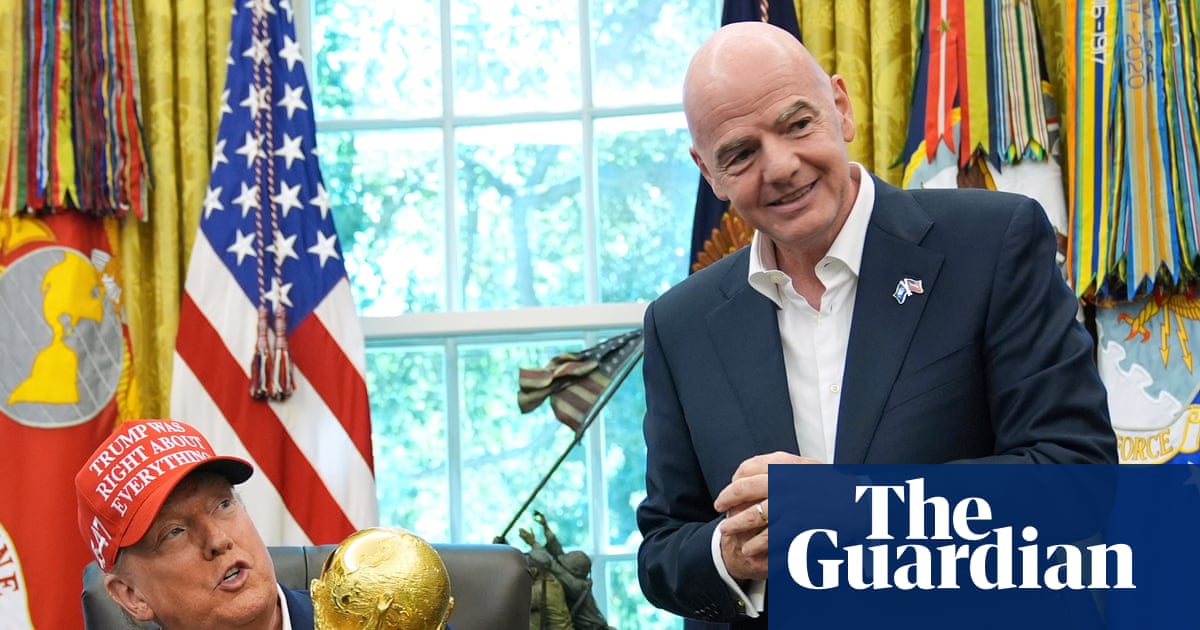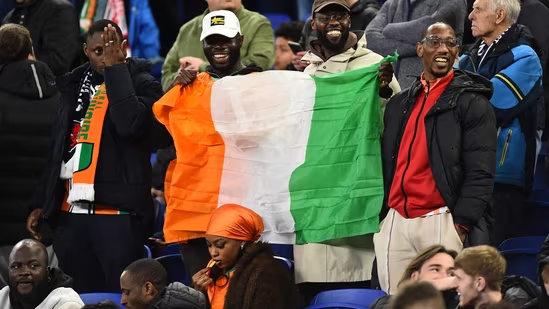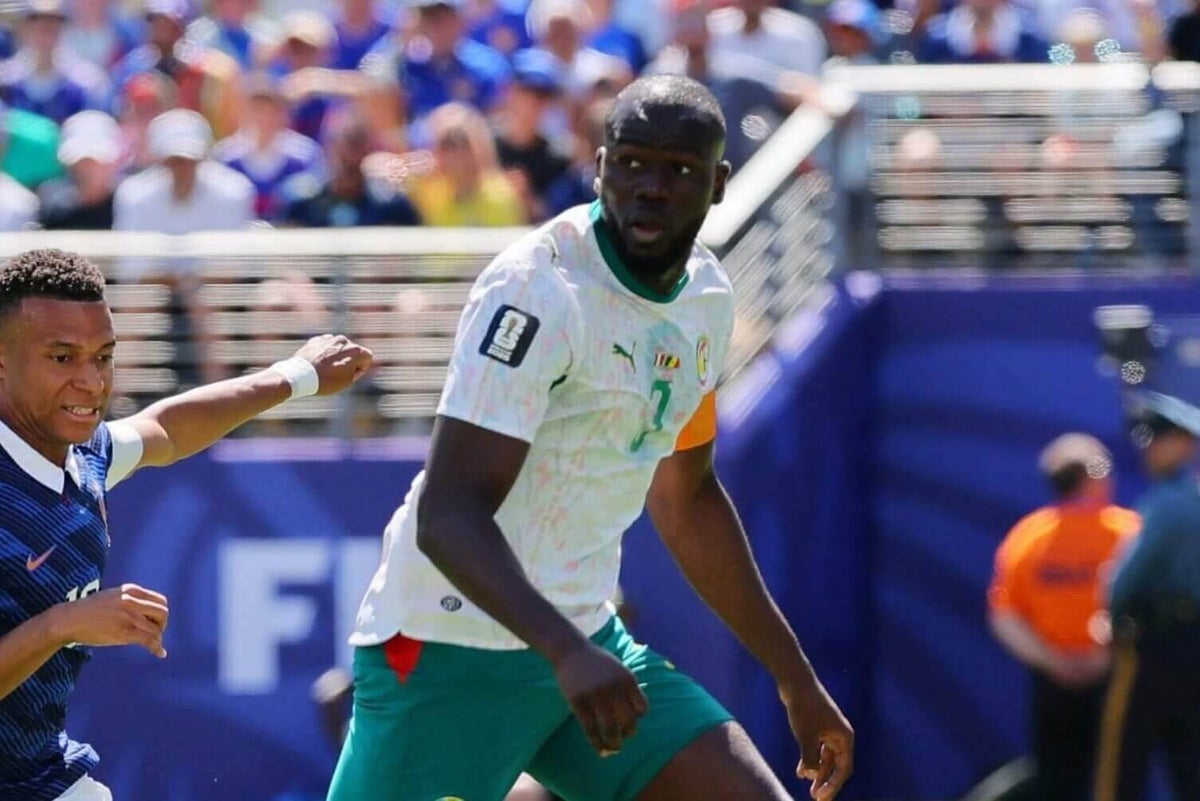
Senegal captain Kalidou Koulibaly has questioned why his country’s fans have been hamstrung in their attempts to support their national team during the World Cup, with Senegalese nationals facing a travel ban in the United States.In December, President Donald Trump signed a proclamation which imposed partial travel bans on Senegal, with Ivory Coast, Iran and Haiti being the other World Cup teams whose nationals are under travel bans to the U.S.The proclamation suspended entry into the U.S. for immigrants and non-immigrants, including in the visitor category for business and tourism — the latter of which is required to attend the World Cup.As with previous executive orders signed by President Trump, the travel bans included exemptions for athletes, support staff and immediate relatives of those who would compete at the World Cup — but not for travelling fans.“The federation did the work for us to have parents or our close family with us,” former Chelsea defender Koulibaly said to The Athletic after Senegal’s 3-1 defeat by France in their opening match of the World Cup. “But it’s true that some supporters couldn’t fly to America.“I think that every team can have their people, so I don’t understand why people from Africa cannot have their people.“I don’t want to speak about politics or something like this. I just want to speak about football, enjoy football, and I think football is for everybody.“I just want to tell this and I hope that the situation will be OK, but for me the most important is that we have to play for our people.”Senegal were supported by members of the Senegalese diaspora within the U.S. on Tuesday. (Reuters / Jeenah Moon)Koulibaly said his team appreciated the support from members of the Senegalese diaspora within the U.S., with central Harlem in New York City a particularly strong community of people with ties to the country. Senegal’s loss to France came at MetLife Stadium just across the Hudson River.A fact sheet by the White House accompanying the declaration in December cited an Overstay Report, which said nationals from Ivory Coast have an overstay rate of 8.47 percent when travelling on a B1/B2 (business/visitor visa), while Senegal had an overstay rate of 4.30 percent in the same category. This is the class of visa required for tourists.The fact sheet also claimed that Senegal has overstay rates of 13.07 percent in the student and cultural exchange visa categories, while Ivory Coast has an overstay rate of 19.09 percent in those categories.The White House added that the proclamation “includes exceptions for lawful permanent residents, existing visa holders, certain visa categories like athletes and diplomats, and individuals whose entry serves U.S. national interests.”On Monday, Cape Verde’s Vozinha said visa issues stopped his mother from witnessing his World Cup heroics in person — though the U.S. State Department later said that while it is working to secure her arrival, it “has no record” of the goalkeeper’s mom applying for a visa.Vozinha made seven saves during Cape Verde’s stunning goalless draw with tournament favorites Spain, and was named player of the match.Due to the “Visa Bond Pilot Program” introduced by President Trump’s administration, nationals from 50 countries, including Cape Verde, are required to post a bond of $5,000, $10,000 or $15,000 to be granted a tourist visa to enter the U.S.In May, Assistant Secretary of State for Consular Affairs Mora Namdar said that the Trump administration “has waived the visa bond requirement for qualifying team members, including players, coaches, and support staff who otherwise meet all requirements for entry into the U.S.” The State Department also told The Athletic in May that access would be provided for immediate relatives.But Vozinha said: “I cried after the game because I grew up with my grandparents when I was a kid, and they could not be there. They passed away a few years ago. My mum could not be here either for a visa issue, and the money we had to pay for it. We did not manage to do this in time.”A State Department official told The Athletic on Tuesday: “The U.S. Department of State has no record of this individual applying for a visa. All relatives of players are eligible for visa bond waivers, and the Department is actively reaching out to this player’s family to assist with visa services.”
Senegal’s Kalidou Koulibaly questions World Cup travel ban for fans: ‘Africans can’t have their people’
Senegal, Ivory Coast, Iran and Haiti are the nations at the World Cup subject to travel bans imposed by the Trump administration.
732 words~3 min read