The world’s wealthiest democracies just acknowledged what developing nations have been screaming about for years: the global debt situation is getting worse, and the existing toolkit isn’t cutting it.
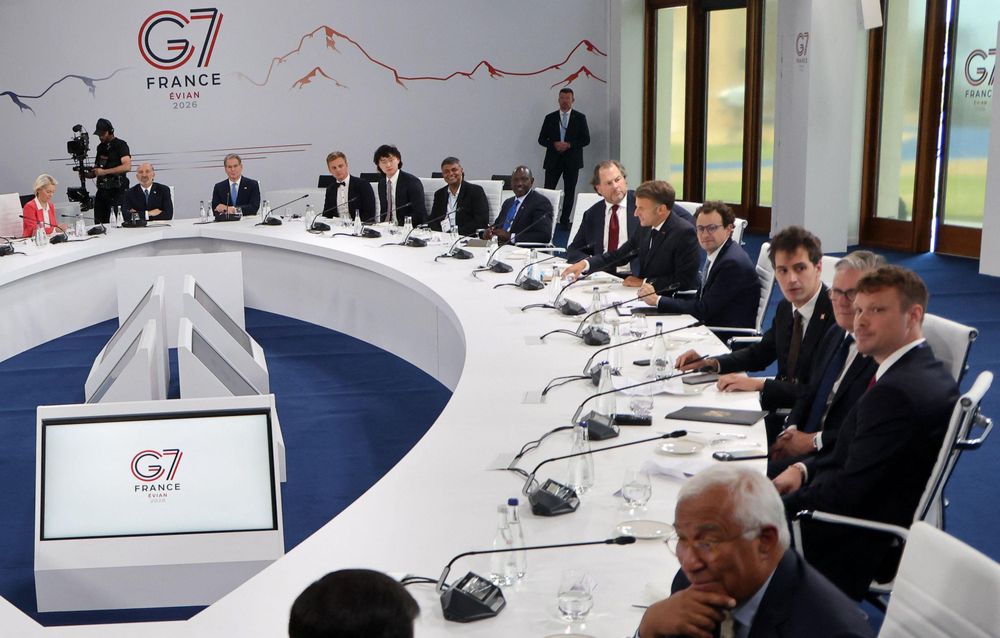
G7 leaders issued a joint declaration on June 16 at the Evian Summit in France, pledging to strengthen efforts to address rising debt vulnerabilities across the globe. The statement received backing from guest nations Kenya, South Korea, Egypt, India, and Brazil, signaling an unusually broad coalition around what has historically been a contentious issue between creditor and debtor nations.
What the G7 actually committed to
The core of the declaration centers on two priorities: pre-emptive debt restructuring and reforms designed to boost domestic revenues in middle-income countries. Those middle-income countries occupy an awkward no-man’s-land in the current architecture. They’re too wealthy to qualify for the G20 Common Framework, which was established during the COVID-19 pandemic to help the poorest nations restructure their debts, but not wealthy enough to manage their debt loads without strain.
The pledge also emphasizes private-sector investment as a mechanism for alleviating sovereign debt pressures. Eric LeCompte from Jubilee USA Network expressed support for the focus on constitutional measures aimed at pre-emptive debt restructuring, calling it a shift toward a more proactive stance in combating rising debt levels in vulnerable nations.