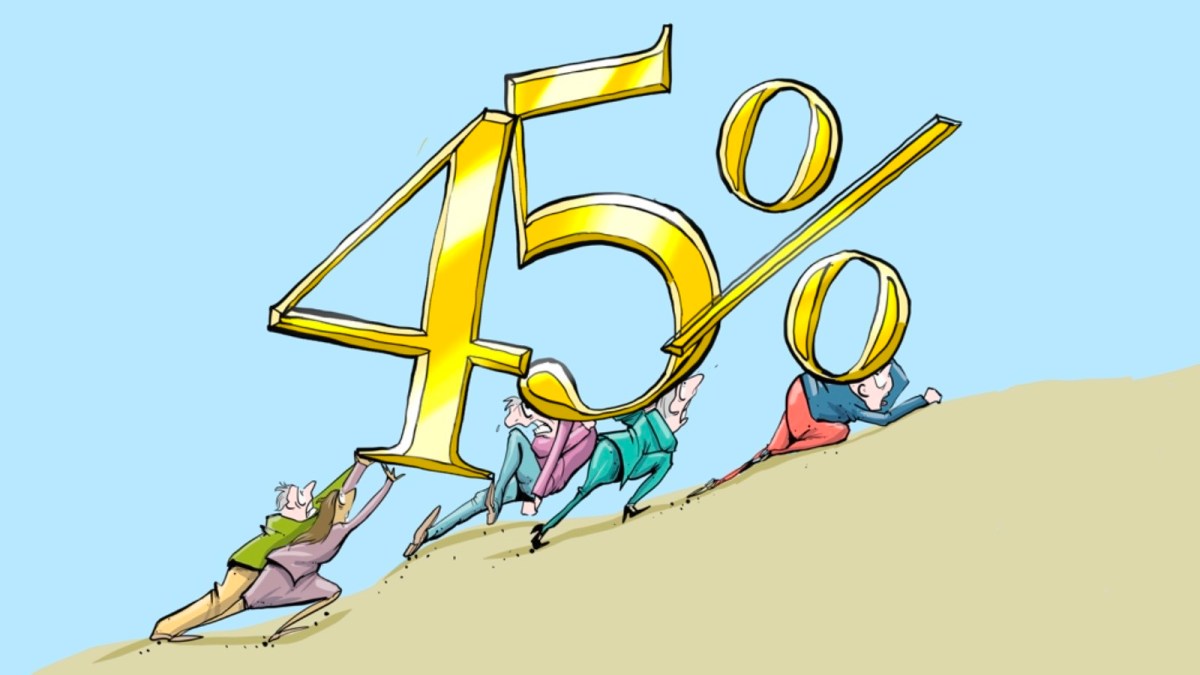
Britain is at peak taxation with households being squeezed at the highest rate since 1945.Workers and pensioners alike have been battered by rounds of tax hikes year after year from successive governments.The International Monetary Fund’s assessment last month found that tax rates on our wages have increased at the fastest pace in the developed world under this Labour government, concluding ‘the long term scope for further revenue increases is becoming limited’.In other words, families are already handing over as much as they can bear.As Labour now threatens yet another round of swingeing tax hikes this autumn, Money Mail can, for the first time, lay bare exactly how much more households are paying in tax compared to previous decades.With the help of think-tank Tax Policy Associates, we’ve put our nation’s personal taxes under the microscope – and uncovered just how many different types of taxes Rachel Reeves is using to pick our pockets today.So how does your tax burden compare to what you would have paid five years ago, 20 years ago in 2006 and 40 years ago in 1986. Read to find out – and learn expert tricks to claw earnings back from the Chancellor. Squeezed: A family of four with two young children in nursery with a single earner who makes £110,000 pays an extra £1,646 a year in taxes than they did in 2021Pain for pensionersFrom pensioners to first-time buyers, small business owners to families, our analysis shows millions of households across Britain pay thousands of pounds more in personal taxes now than previously.Frozen tax allowances since 2021 have been a key driver of this financial pain, resulting in larger income tax bills for workers and those who are retired and live on a pension.We’ve analysed six common types of household to see how much they pay in taxes today compared to in the past. This includes a family of four with two earners on the average wage, a family with one high earner, a household with a top earner who gets a large bonus, a first-time buyer, a single pensioner who has sold a buy-to-let property and a pensioner couple on a modest income (see graphic below).People in the UK typically pay a dozen core taxes, such as income tax, National Insurance contributions, Value Added Tax on goods and services, fuel duty, vehicle excise duty on their car, council tax and a TV licence.Pensioners are among those who have been hit the hardest since 2021. A retired couple taking an income of £25,000 and £20,000 a year and who own their home outright, pay an extra £996 in taxes than they did five years ago, according to analysts at Tax Policy Associates.This is largely down to a 53 per cent increase in the amount of income tax they pay, which has increased from £2,589 in 2021 to £3,972 today. All figures are in today’s prices, accounting for inflation. For example, inflation has been stripped out of wages to accurately compare what someone earned in the past to today’s living costs. Across ten core personal taxes, this couple pays £11,417 each year, up from £10,421 in 2021.However, an average retired couple is better off than in 2006 when they would have paid £12,693 in taxes. Income tax, motoring taxes, the TV licence and alcohol duty are all lower today in real terms. And the same couple is £1,662 richer than they would have been in 1986, when income tax was levied at a much higher rate.Dan Neidle, founder of the think-tank, explains: ‘Income tax rate cuts since 1986 – the basic rate has gone from 29 per cent to 20 per cent – leave the single people and the pensioners here modestly better off than under 1986 rules. So why the widespread belief that everyone is paying more tax?‘A plausible explanation is that what people are actually feeling is the lack of growth in real incomes and living standards.’
How much has YOUR tax bill risen since 1986? We reveal how to cut it
The IMF's assessment last month found that tax rates on wages have increased at the fastest pace in the developed world under this Labour government.
1,884 words~9 min read